
Species Details
- Species name
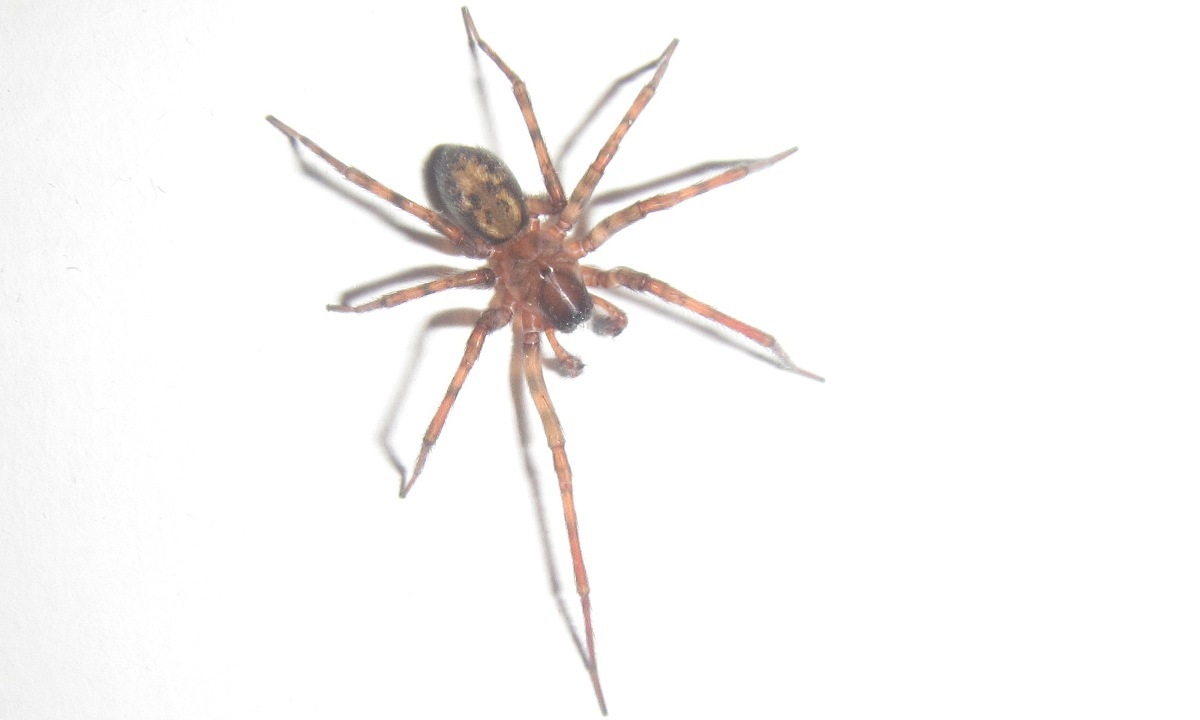
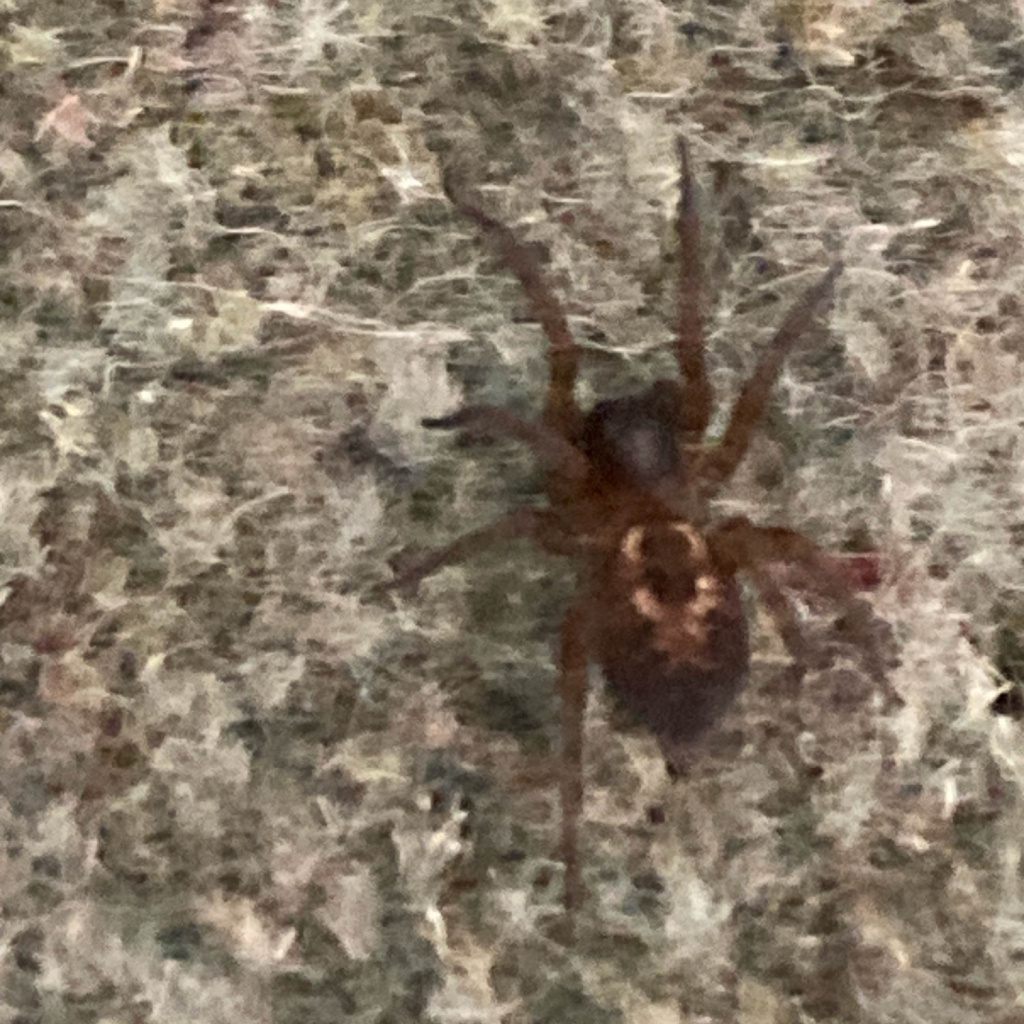
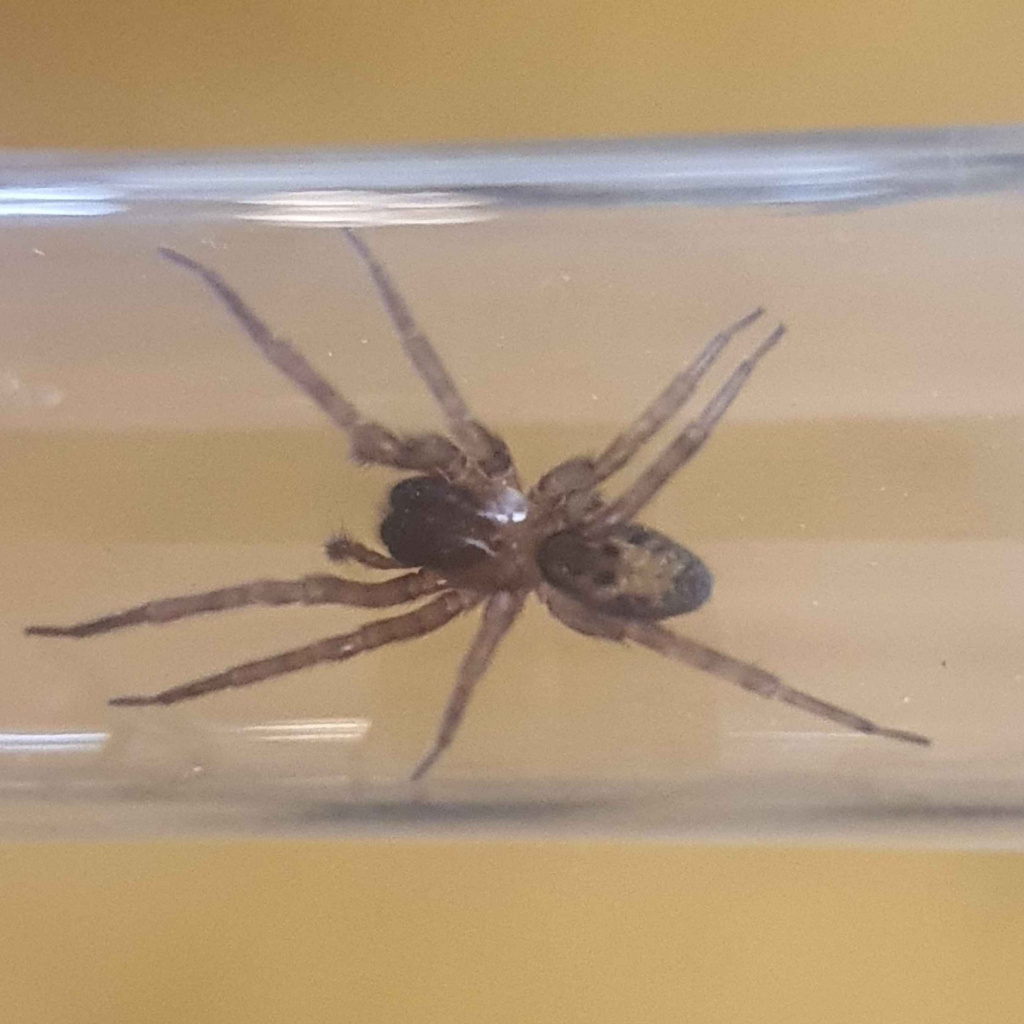
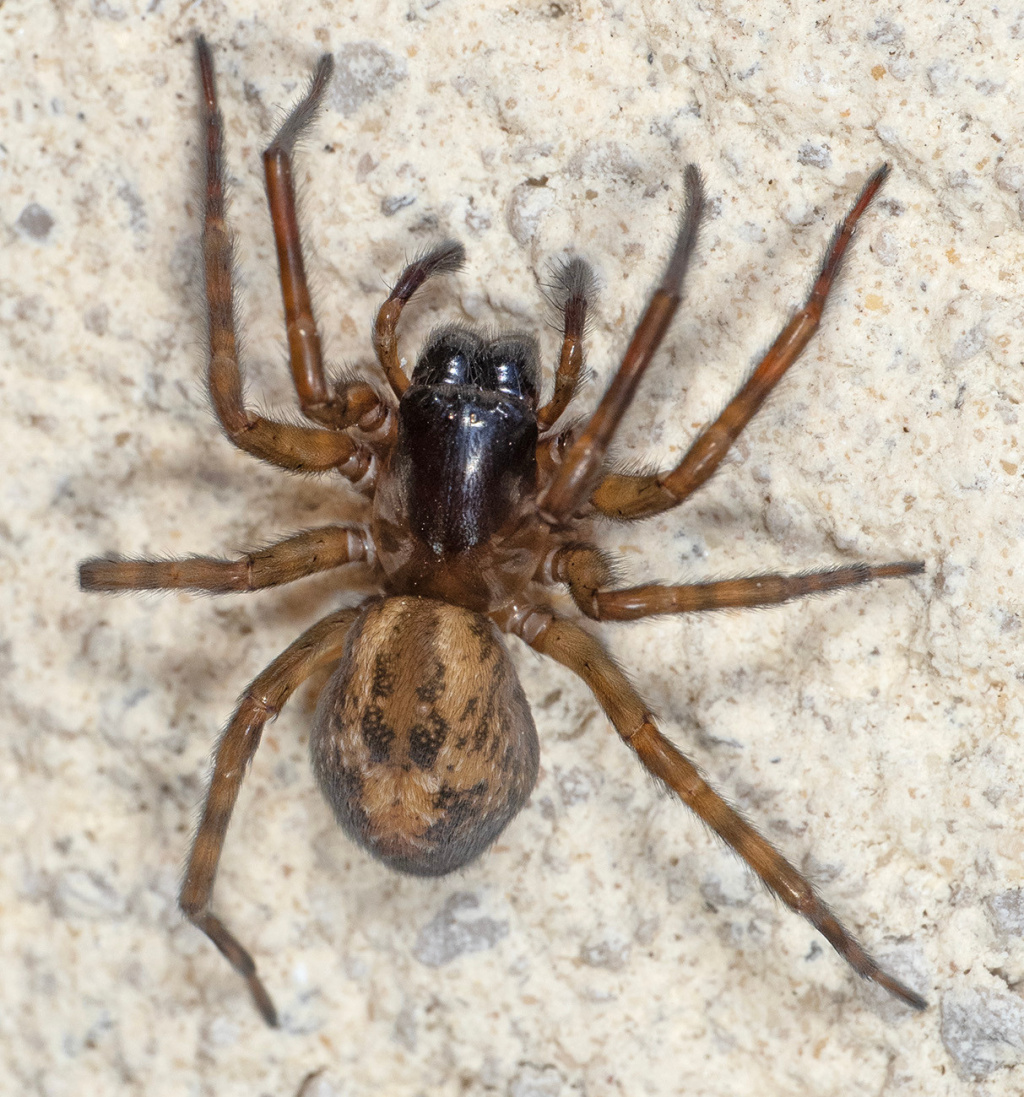
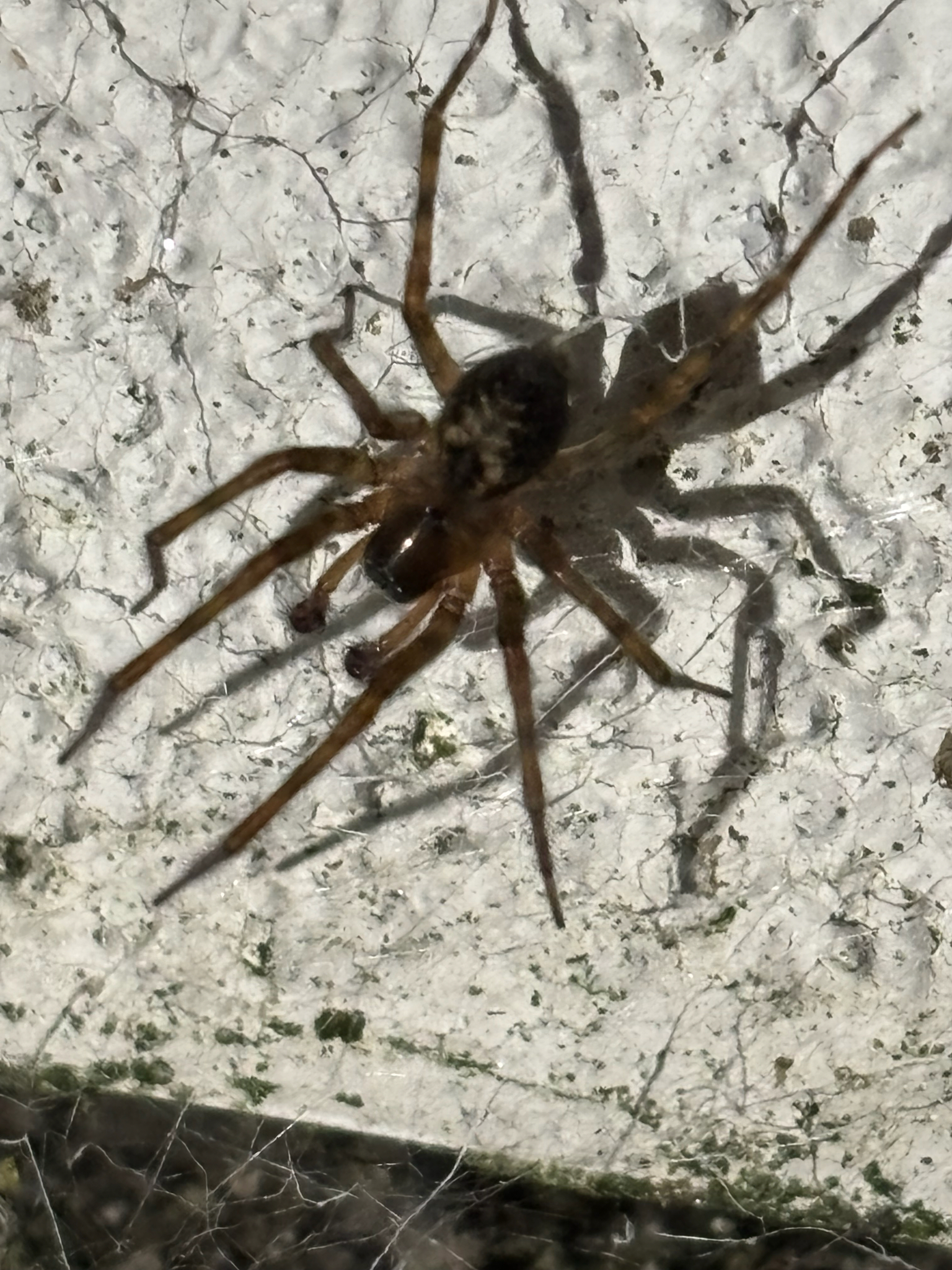
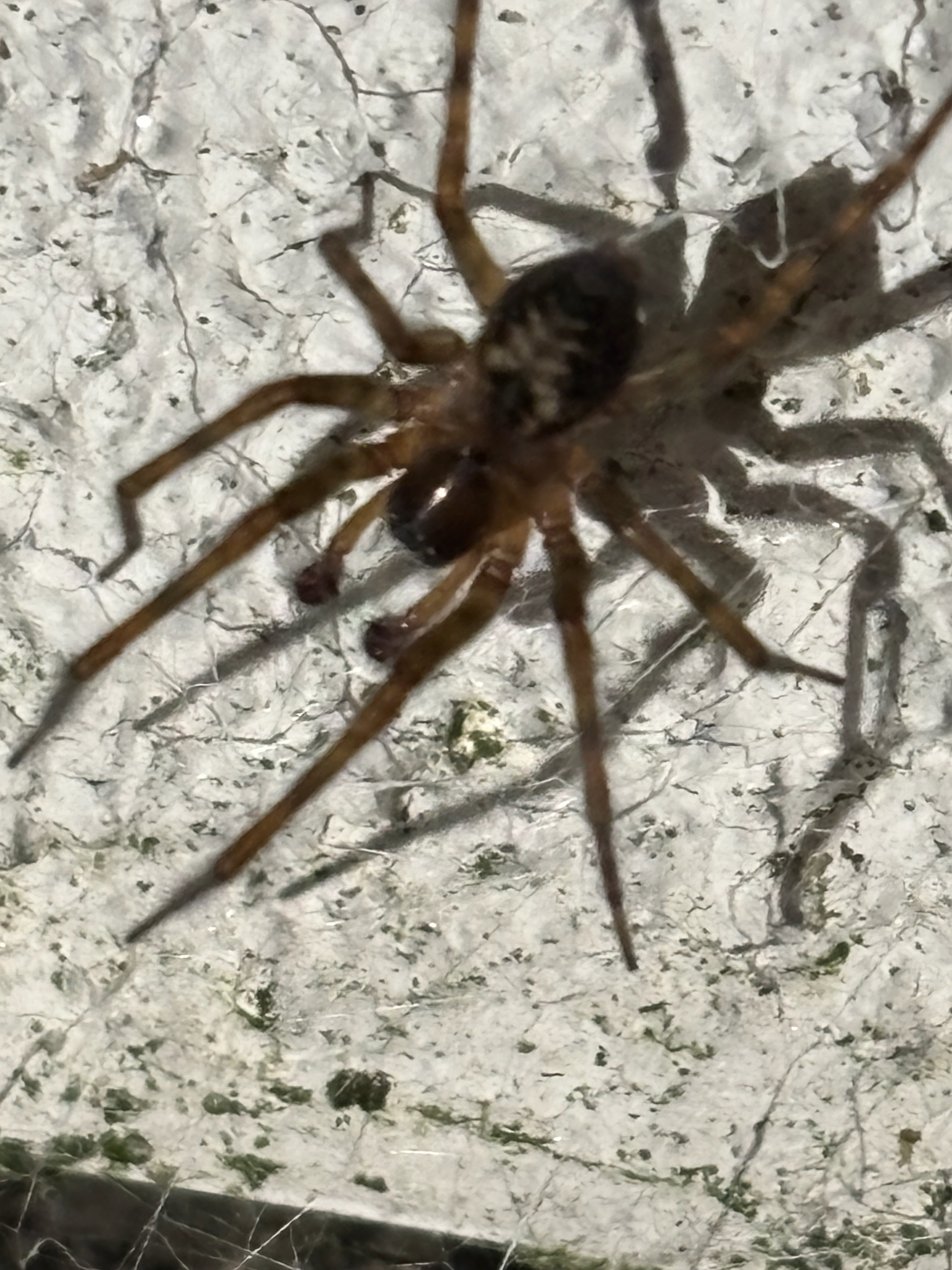
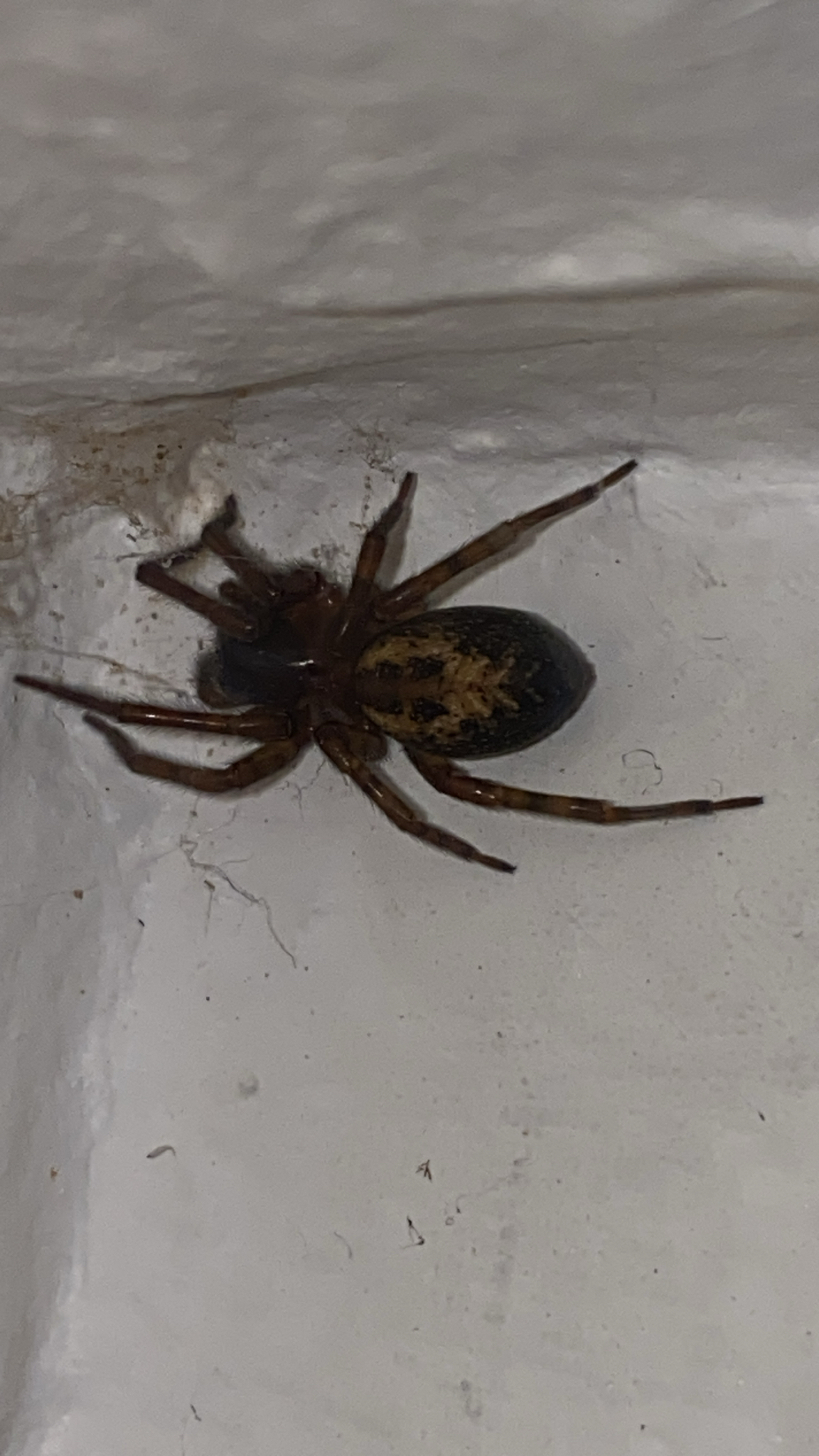
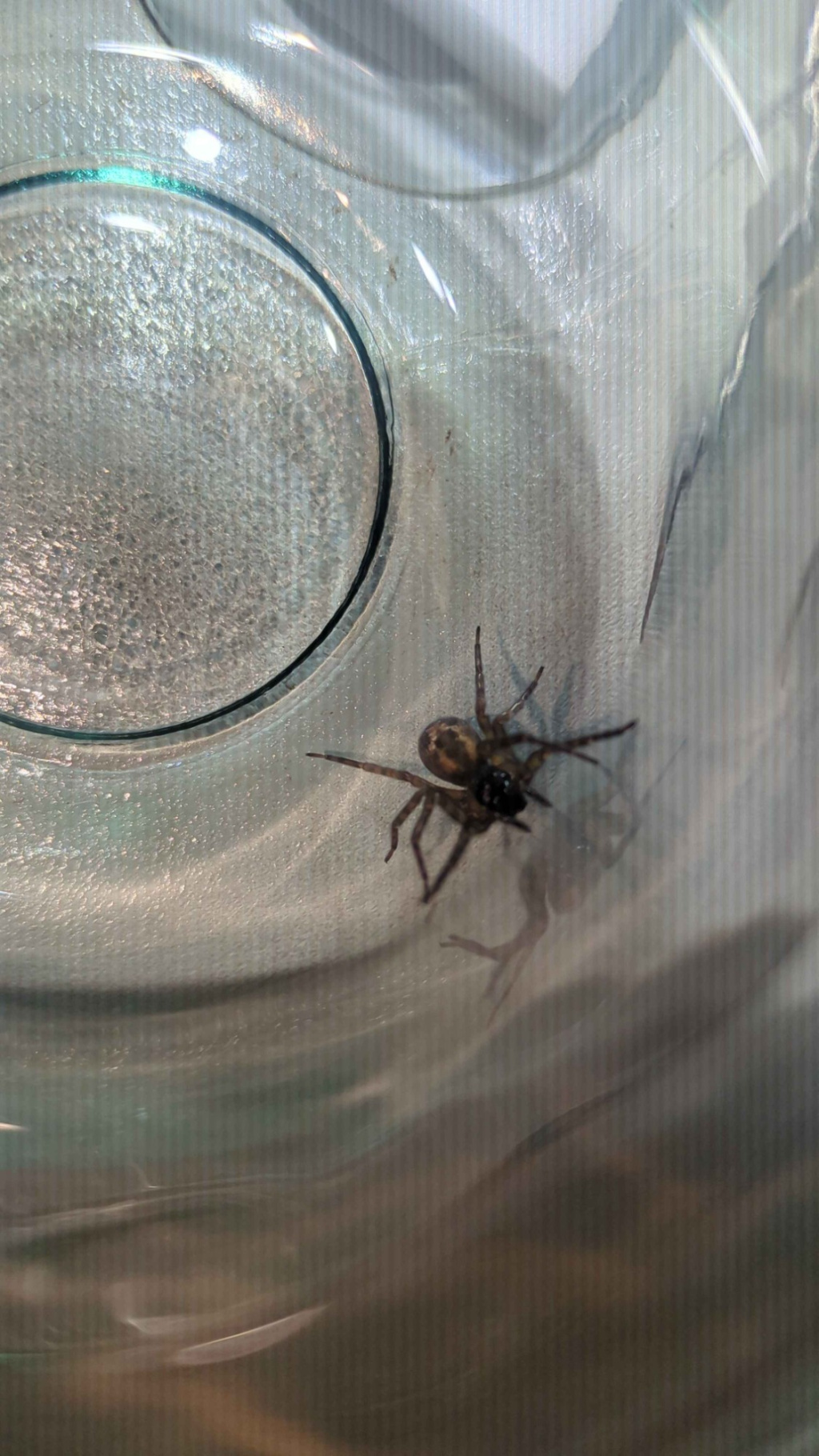
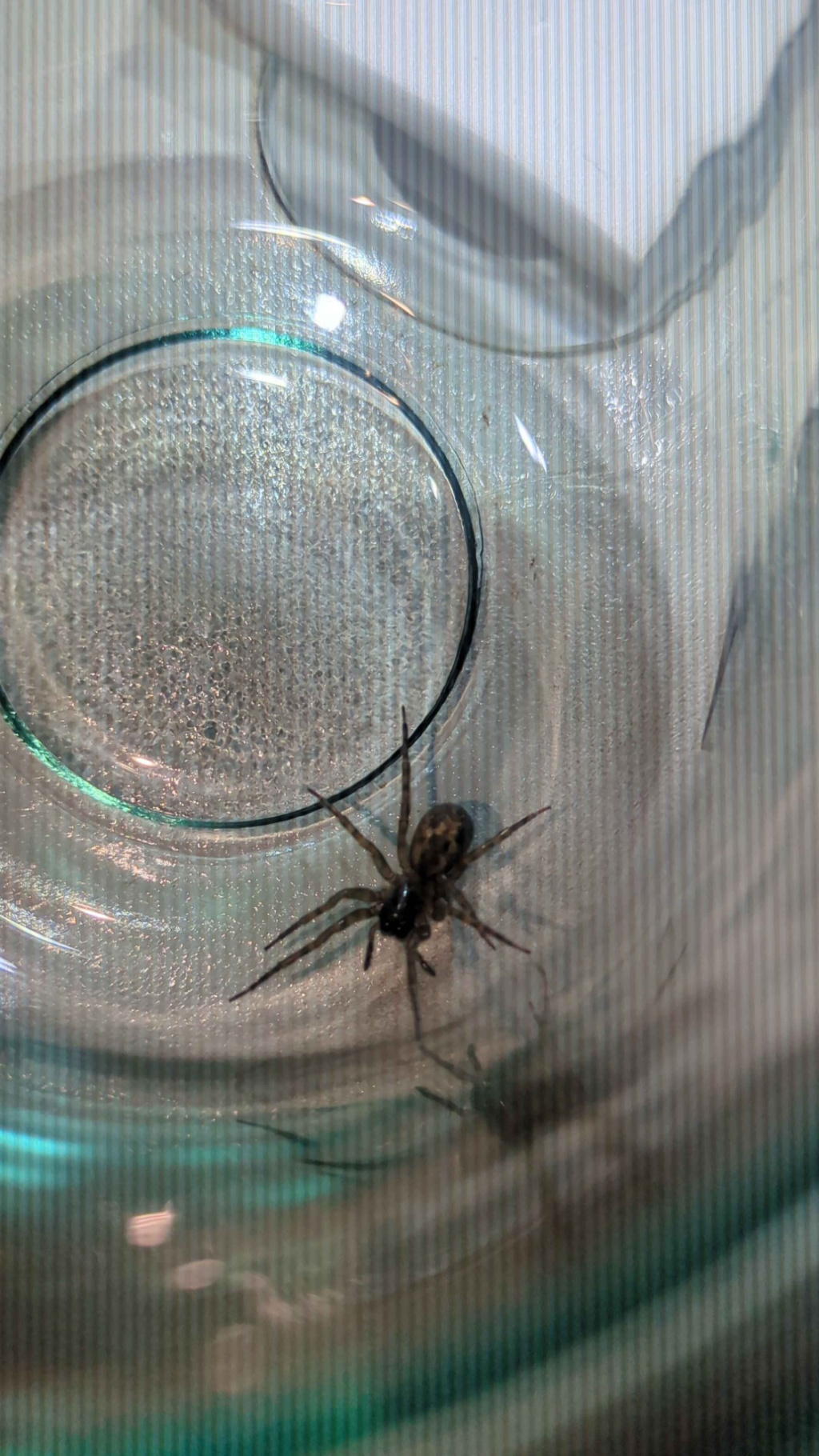
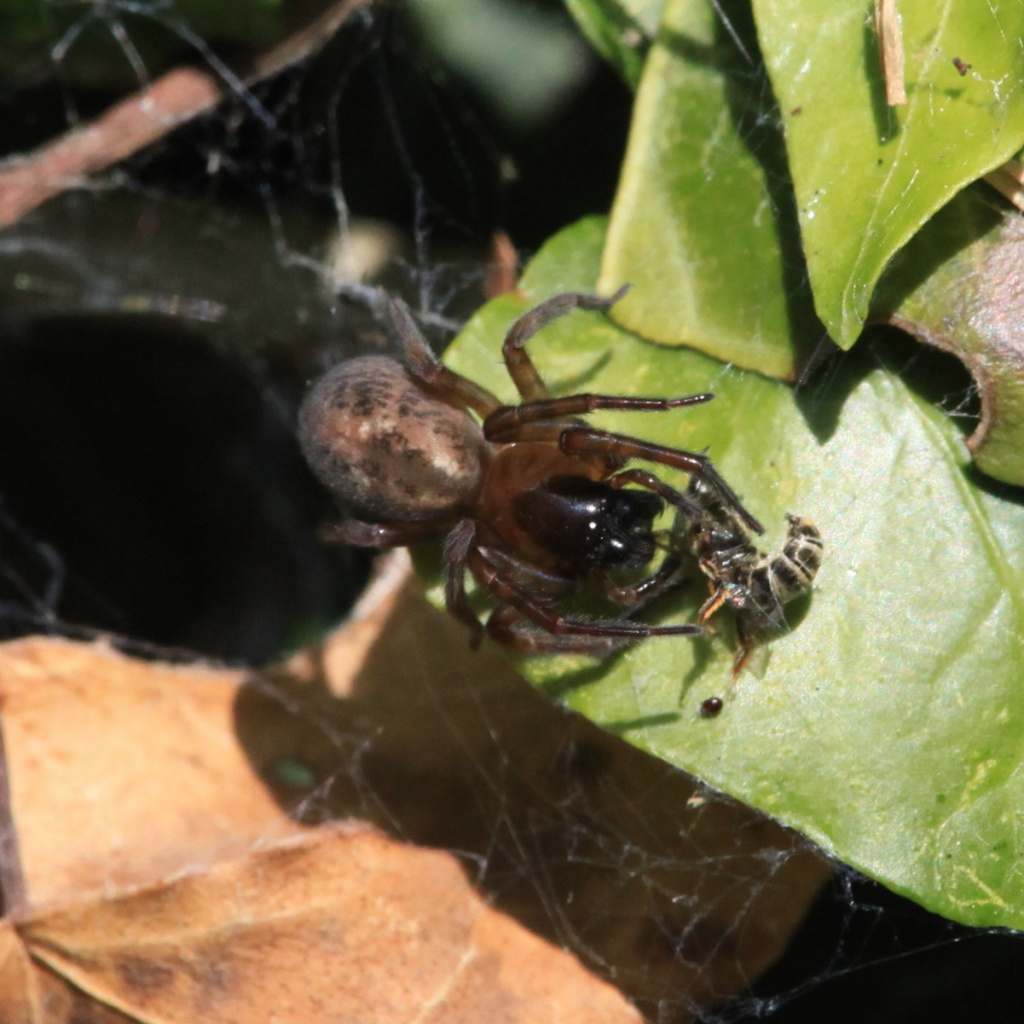
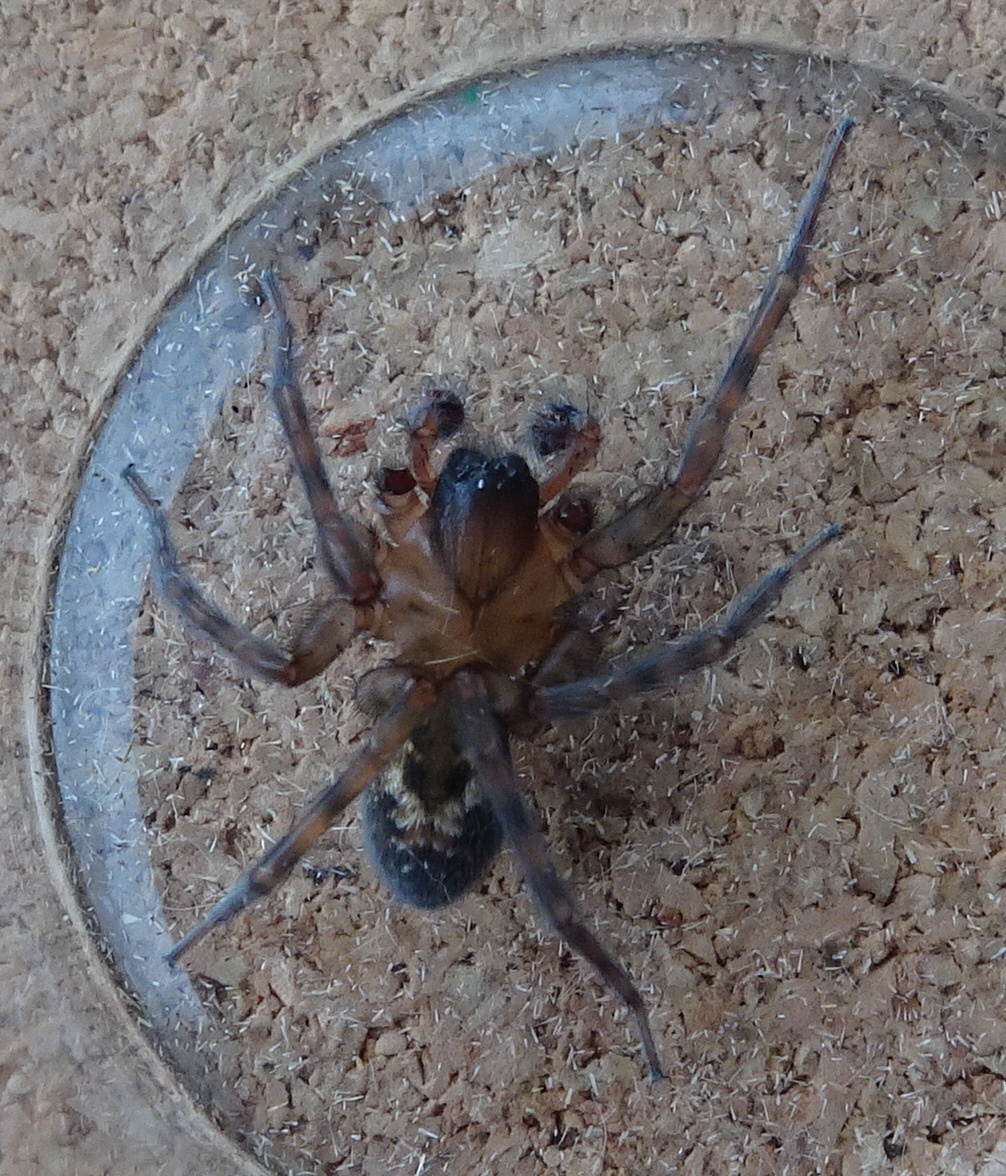
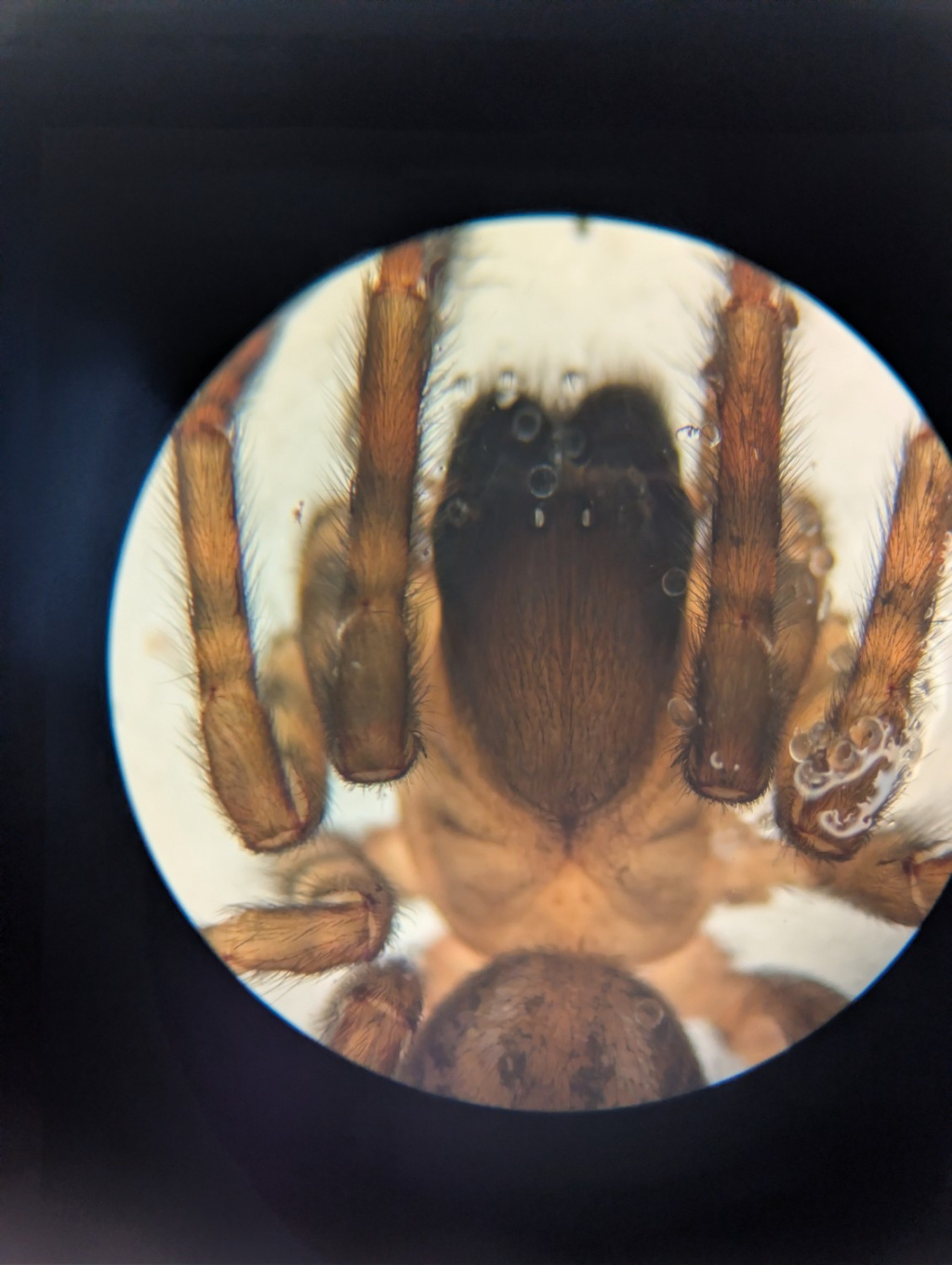
- Amaurobius similis
- Common name
- Lace Weaver Spider
- Synonym
- Ciniflo similis Blackwall, 1861
- Taxonomy
- Animalia :: Araneae :: Amaurobiidae
- decaying wood
Distribution
The species is widespread in most of England and Wales, becoming more scattered in Scotland. It is a Holarctic species that is widely distributed in north-western Europe.Habitat and ecology
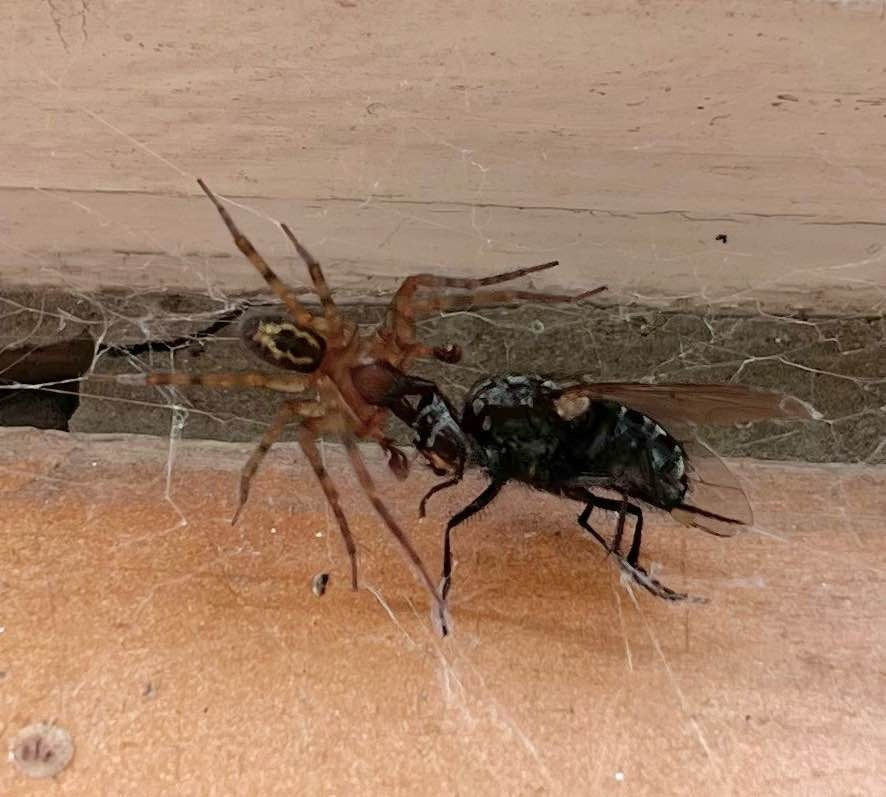
The spider probably occurs in almost every house and outhouse in the country. It makes its characteristic web of cribellate silk in cracks in the brickwork, under the eaves, under undisturbed rubble or debris and between cracks in wooden sheds and fences, etc. (Roberts 1995). Channels carrying cords for sash windows are a favoured retreat inside houses (J. Newton, pers. comm.). It is also occasionally found under bark in more natural habitats like woods especially where these are near habitation. It is possible that it replaces A. fenestralis in these situations. Adults occur throughout the year but both sexes peak in the autumn, and females are recorded again in numbers during the spring and early summer.Status
Common, possibly less so in the north. Authors of profile: Peter Harvey & Geoff OxfordReference
Roberts, M.J. 1995. Spiders of Britain & Northern Europe. London: HarperCollins.Stats
- First recorded
- 1893
- Last recorded
- 2026
- Total records
- 4,385
- Total visits
- 4,314
Conservation status
Amaurobius similis
| Source | Reporting category | Designation | Date designated | Comments |
|---|---|---|---|---|
| A Review of the scarce and threatened spiders (Araneae) of Great Britain: Species Status No. 22 (Sep 2017) | Red listing based on 2001 IUCN guidelines | Least concern | 01/09/2017 |
Photos and media
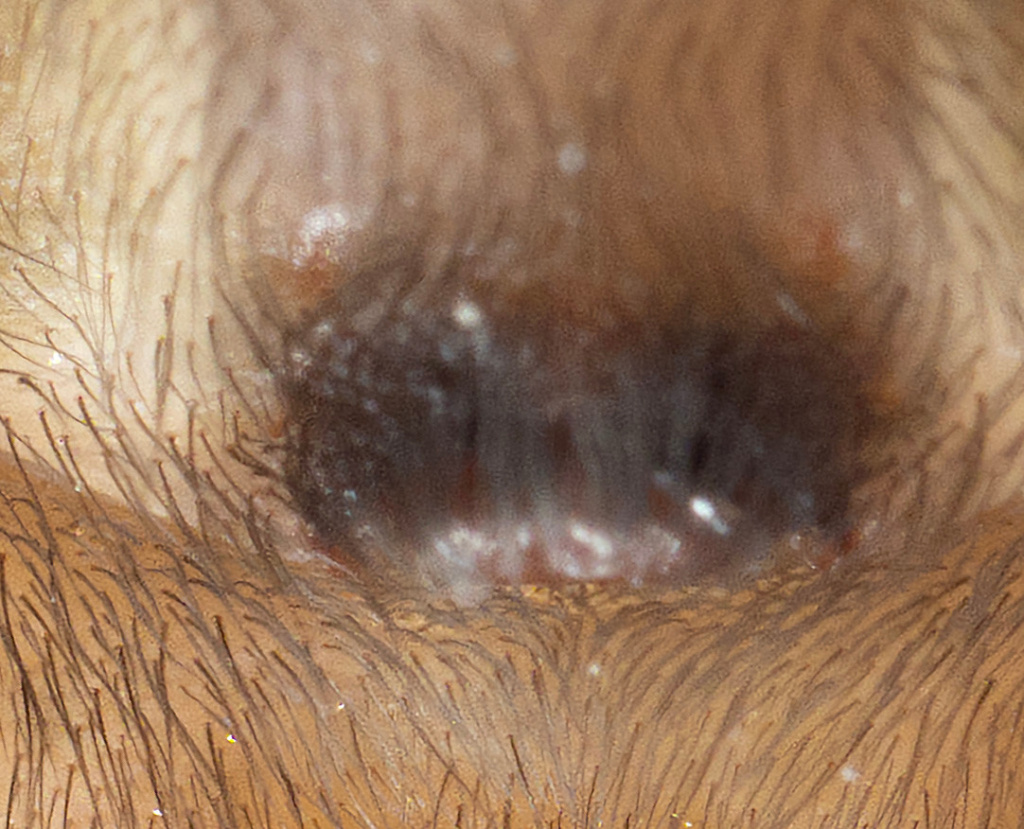
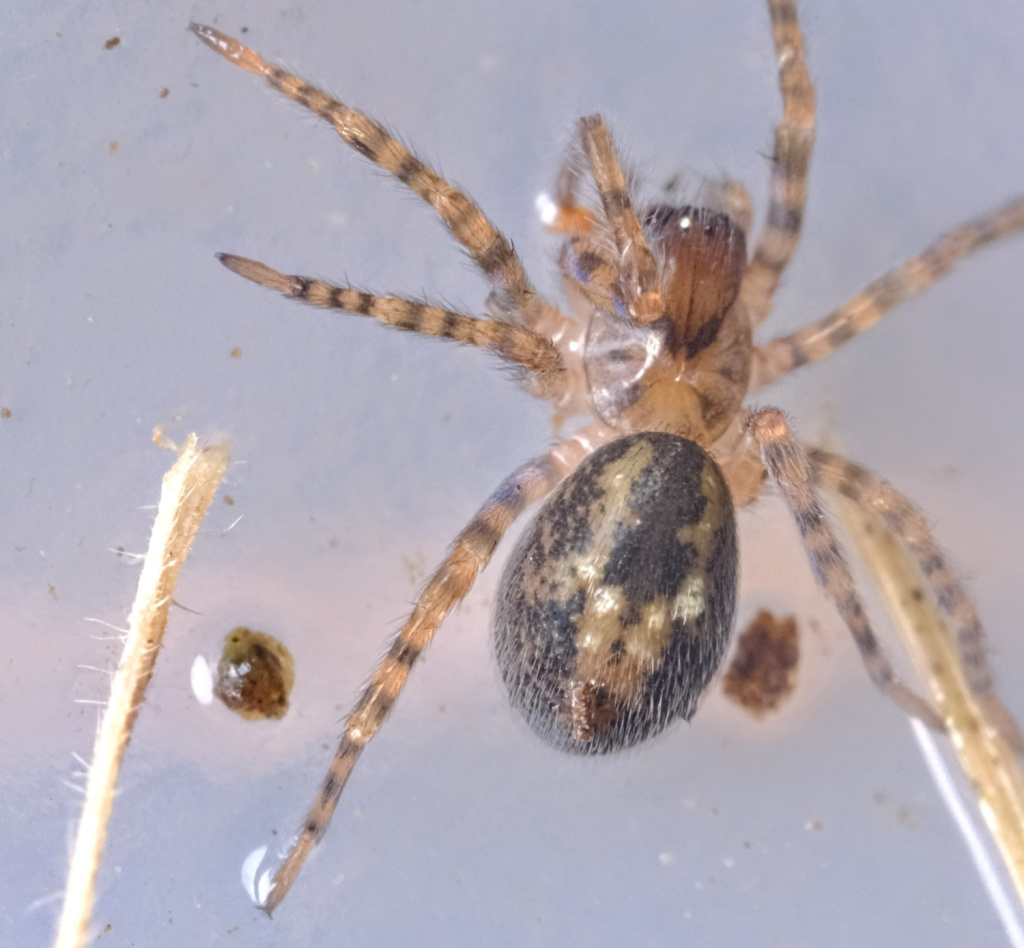
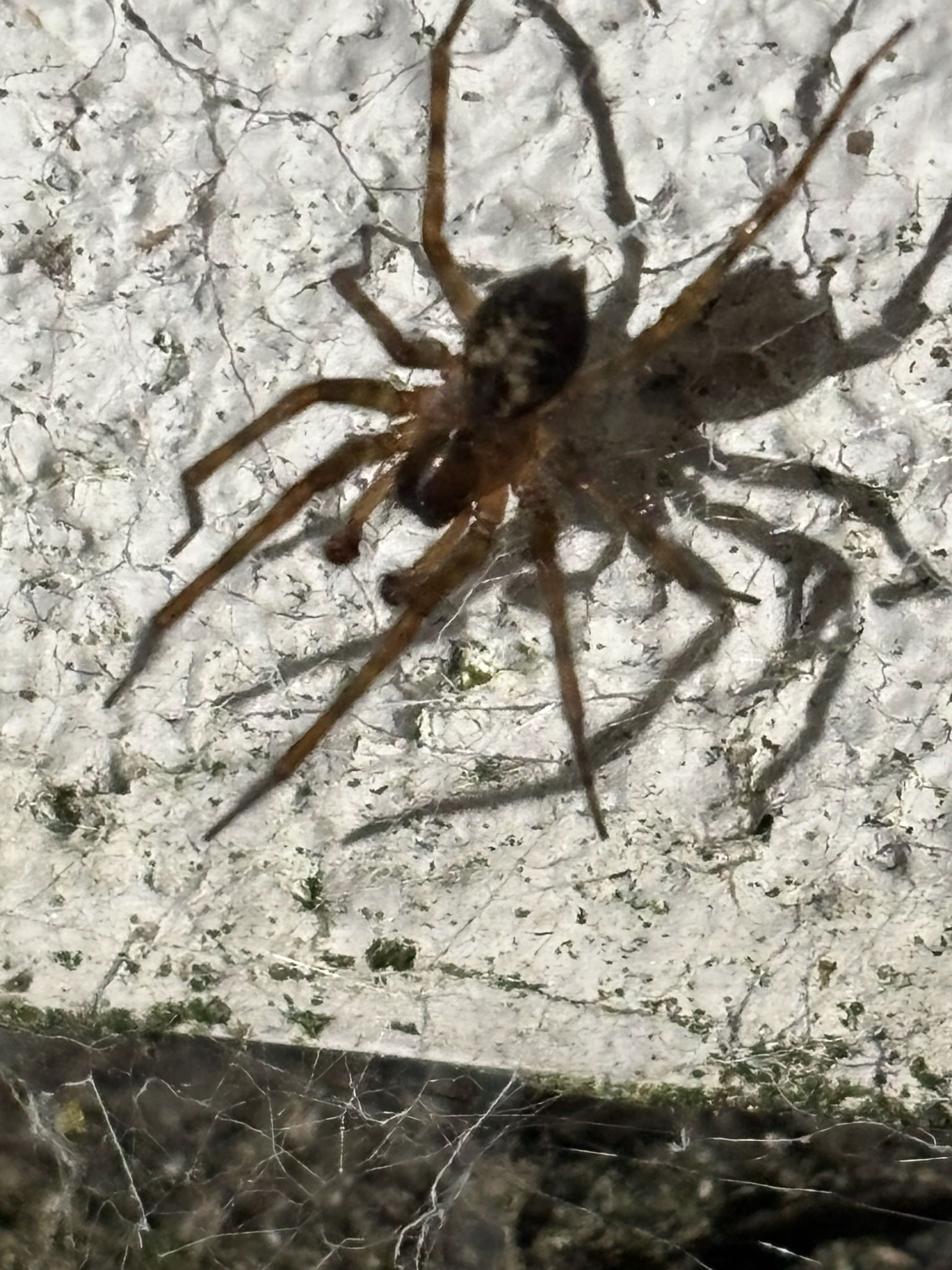
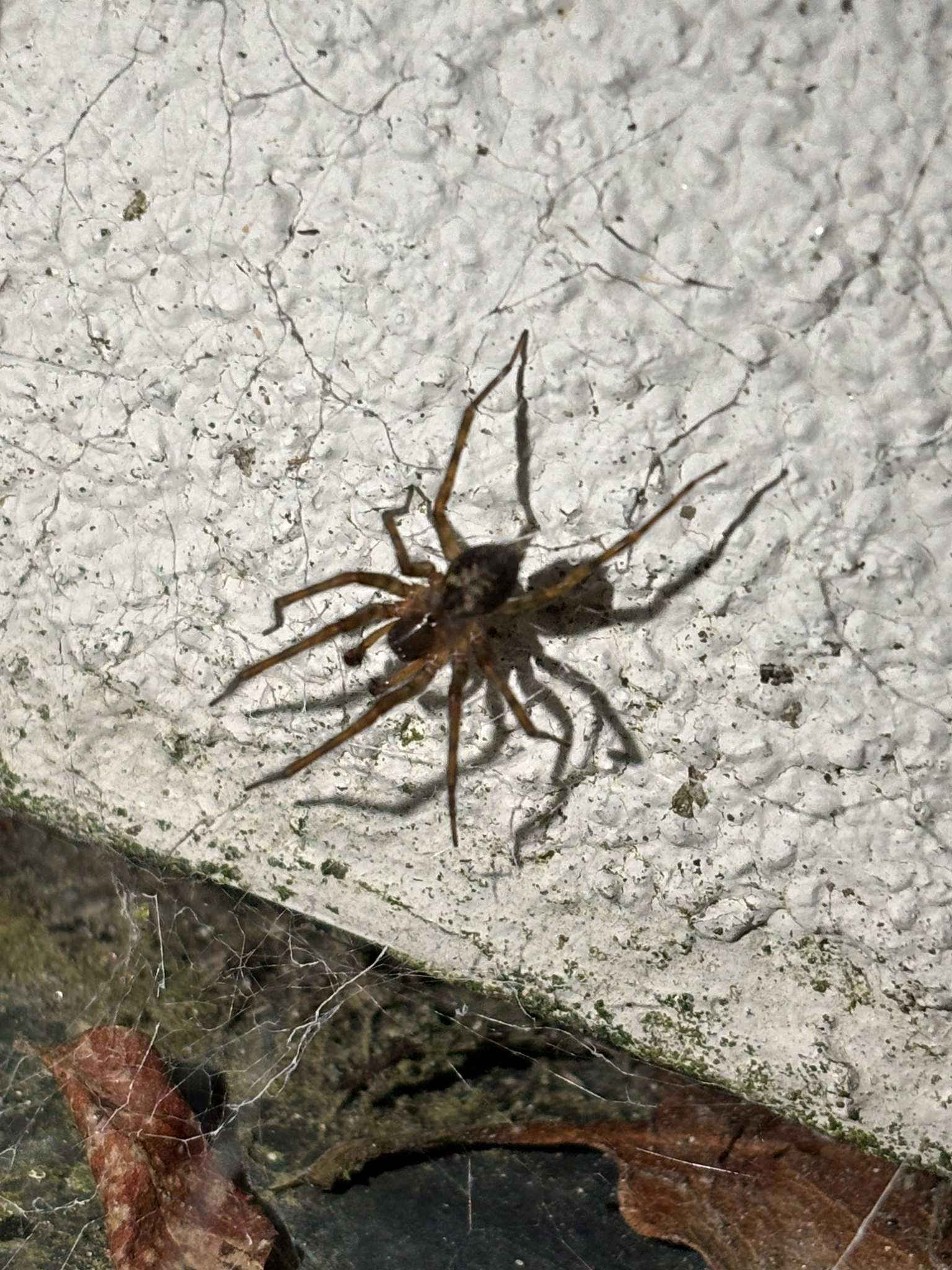
Spatial distribution - hectad map
Click on one of the date ranges in the key to highlight that particular range. Click anywhere else on the map to go back to all three date ranges.
Thresholds:
Move mouse cursor over dot for info
Rejected records are excluded from this map. Unverified records are included.
Temporal distribution - records by year
Records that span more than one year are not included in this chart.
Temporal distribution - records by week
__