
Species Details
- Species name
- Araniella alpica (L. Koch, 1869)
- Synonym
- Araneus alpicus (L. Koch, 1869)
- Taxonomy
- Animalia :: Araneae :: Araneidae
- arboreal
Distribution
The spider has been recorded from a few sites in southern England. It was recorded from Great Kimble in Buckinghamshire and from the New Forest in South Hampshire early in the 20th century. More recent records are scattered in central southern England. In Europe the spider is widespread but uncommon.Habitat and ecology
Woodland. A. alpica has been recorded from trees, particularly yew and beech. It has also been found on dogwood Cornus sanguinea, and in chalk grassland (at Melbury Down) but this was in close proximity to woodland. Mature males and females occur in May and June.Status
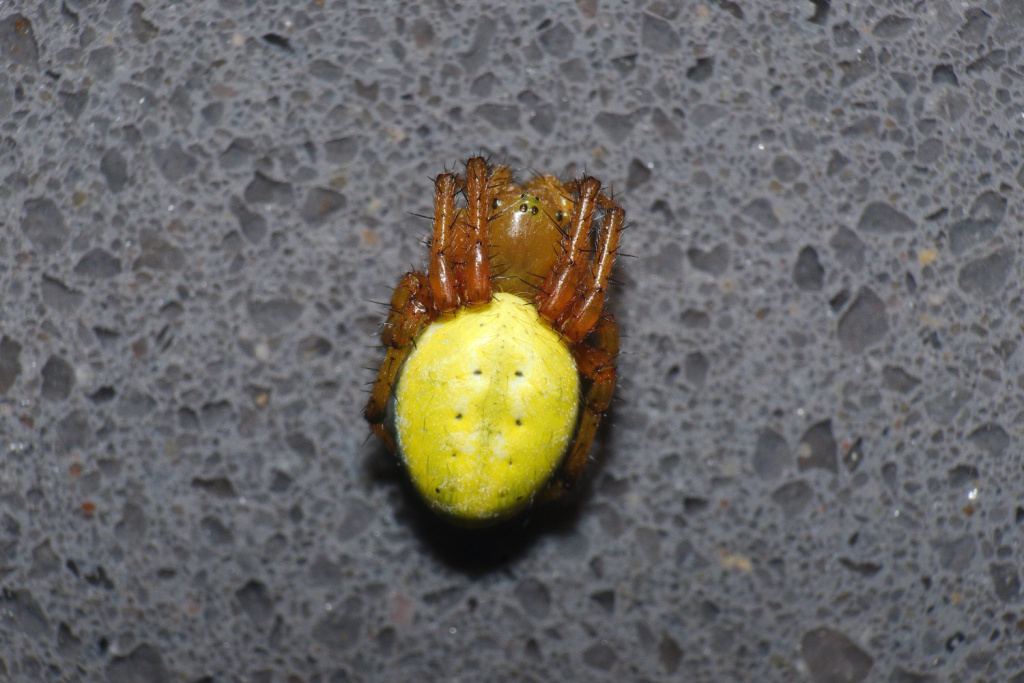
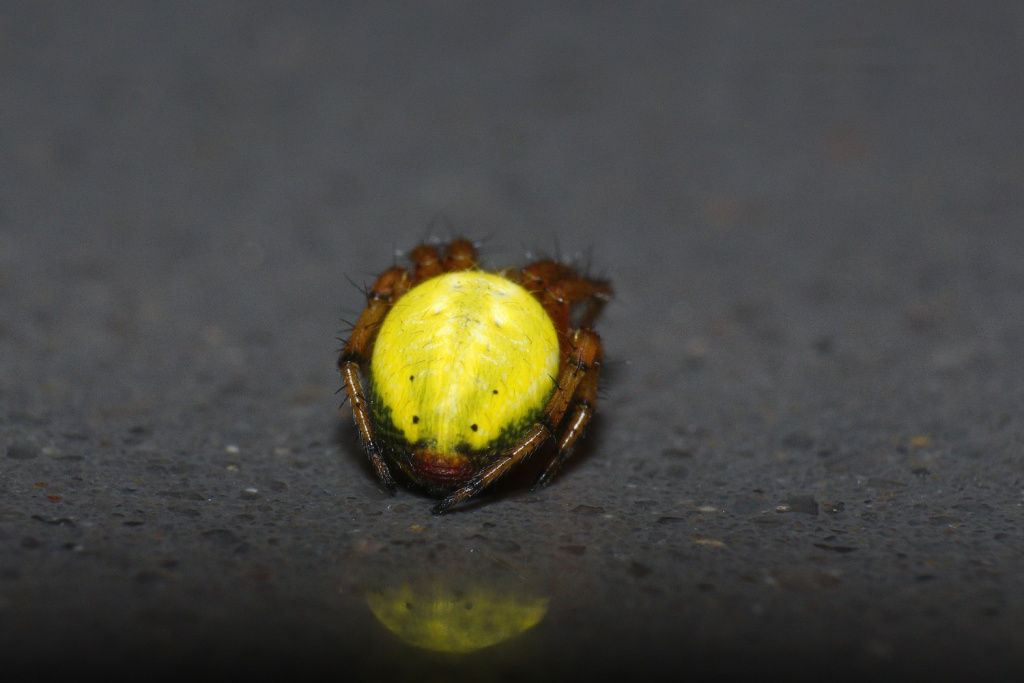
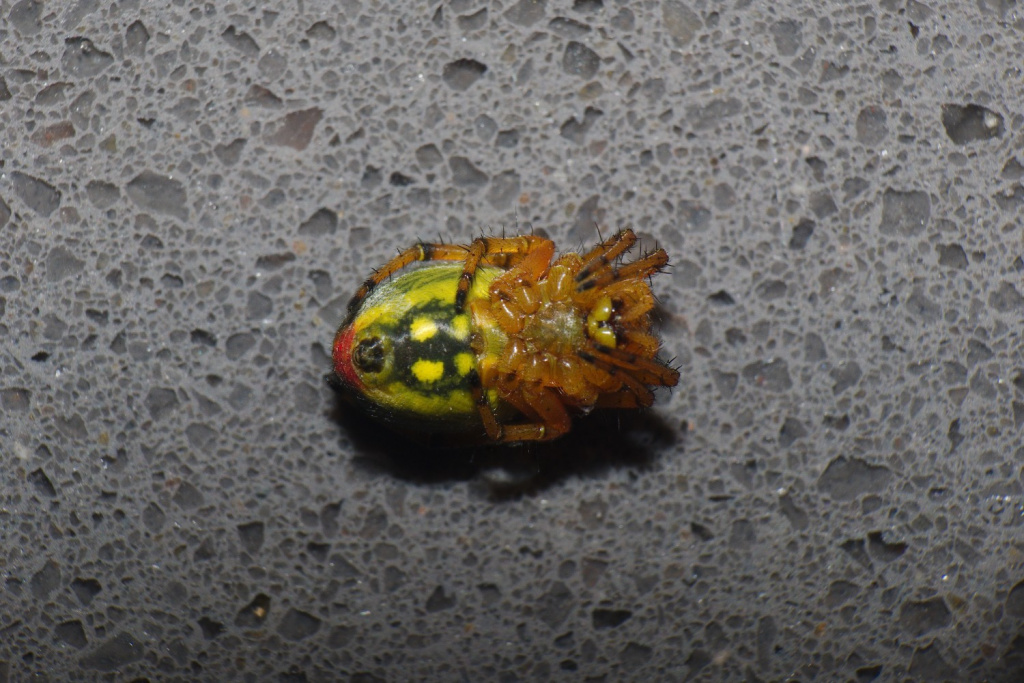
The spider has undergone a major decline in area of occupancy. Although identification of Araniella spp. requires critical examination under the microscope, males at least are likely to be recognised in the field by arachnologists as having sufficiently distinctive coloration to mean that it is unlikely to be under-recorded. Records should however be confirmed by experienced arachnologists familiar with this species.Threats
The loss of old yew and beech woodland and also of woods containing mature stands of these trees.Management and conservation
Where woodlands in the south of England contain ancient and mature yew and beech stands management to encourage their continued presence would provide the most suitable conditions for A. alpica, but more information is needed on the ecology of this species. Half the known sites have SSSI designation, one of which is owned by the National Trust. Text based on Dawson, I.K., Harvey, P.R., Merrett, P. & Russell-Smith, A.R. (in prep.).Stats
- First recorded
- 1800
- Last recorded
- 2020
- Total records
- 26
- Total visits
- 25
Conservation status
Araniella alpica
| Source | Reporting category | Designation | Date designated | Comments |
|---|---|---|---|---|
| A Review of the scarce and threatened spiders (Araneae) of Great Britain: Species Status No. 22 (Sep 2017) | Rare and scarce species | Nationally Rare. Includes Red Listed taxa | 01/09/2017 | |
| A Review of the scarce and threatened spiders (Araneae) of Great Britain: Species Status No. 22 (Sep 2017) | Red listing based on 2001 IUCN guidelines | Endangered | 01/09/2017 | Recorded from only a few sites in southern England. B2ab(ii) is justified because of a major decline in AOO. This is unlikely to be attributable to underrecording because, although identification of Araniella spp. requires critical microscopical examination, males at least have sufficiently distinctive coloration that they are likely to be recognised in the field by arachnologists. Threats: The loss of old yew and beech woodland and also of woods containing mature stands of these trees. |
Photos and media
Spatial distribution - hectad map
Click on one of the date ranges in the key to highlight that particular range. Click anywhere else on the map to go back to all three date ranges.
Thresholds:
Move mouse cursor over dot for info
Rejected records are excluded from this map. Unverified records are included.
Temporal distribution - records by year
Records that span more than one year are not included in this chart.
Temporal distribution - records by week
__