
Species Details
- Species name
- Callilepis nocturna (Linnaeus, 1758)
- Taxonomy
- Animalia :: Araneae :: Gnaphosidae
- short sward & bare ground
Distribution
C. nocturna has been recorded from only three sites in Britain: at Prawle Point and Signalmans Point in south Devon, at Tennyson Down on the Isle of Wight, and more recently in Pembrokeshire, southwest Wales. It is widespread in Europe being recorded from as far north as Scandinavia.Habitat and ecology
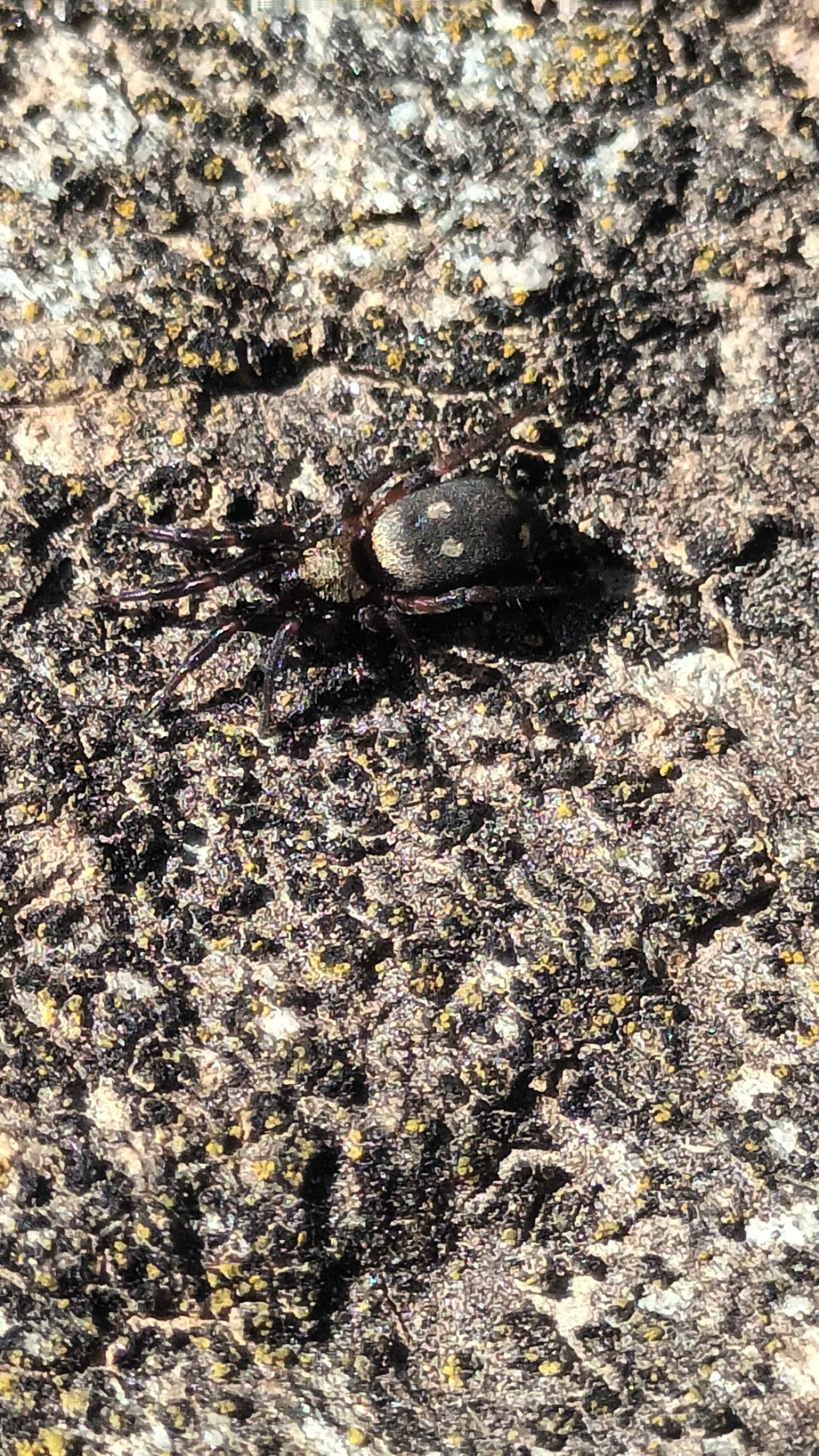
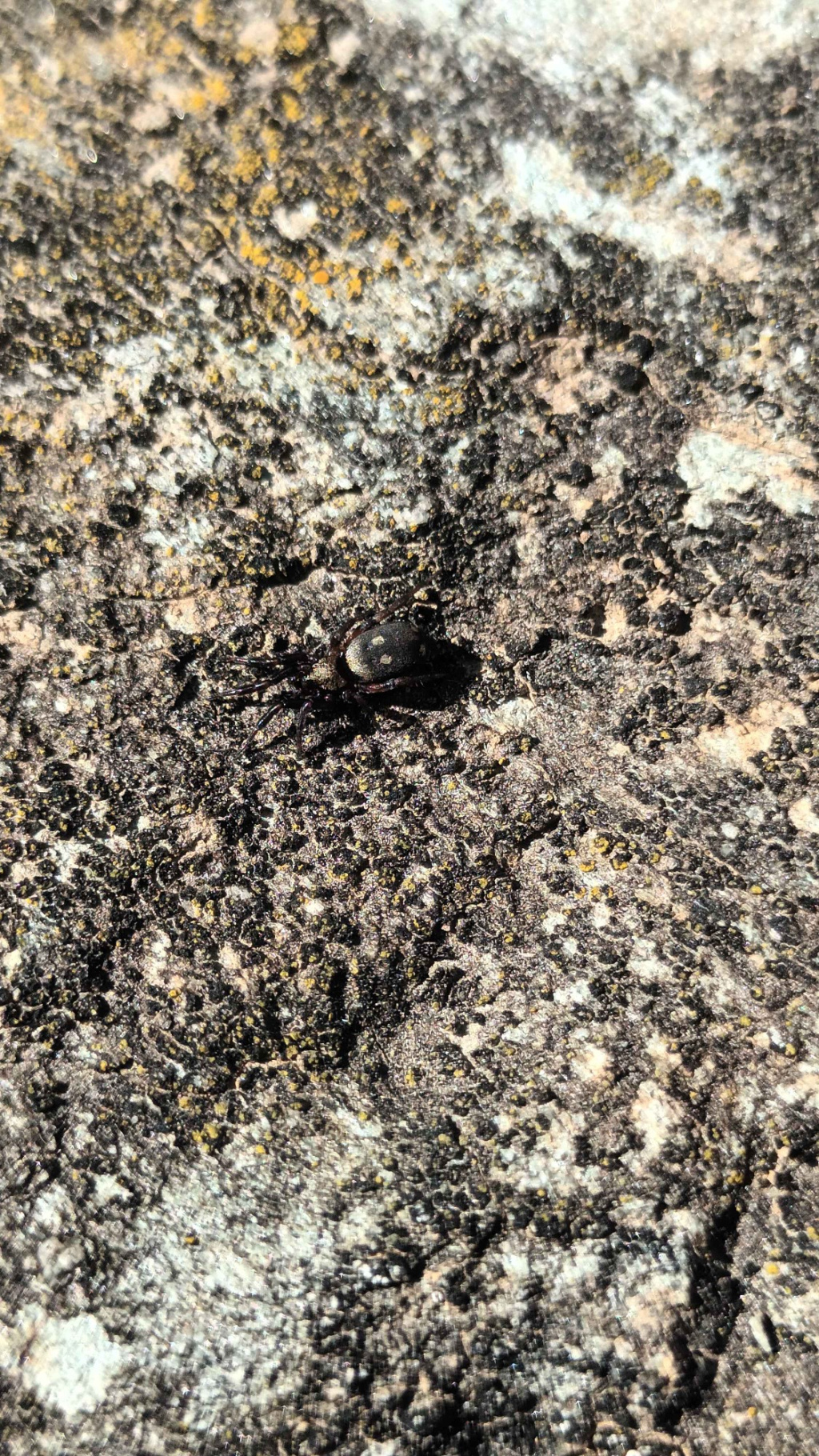
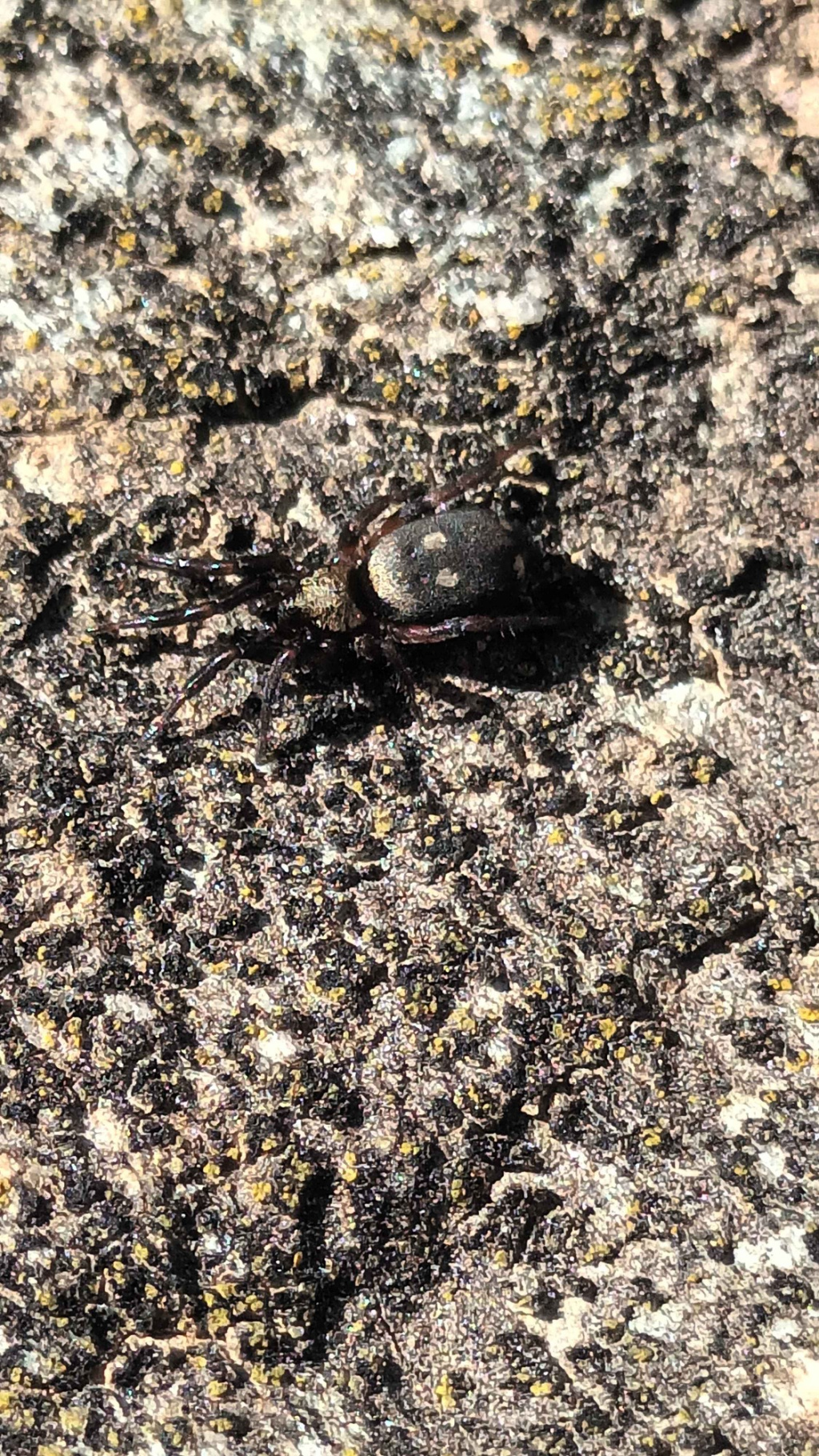
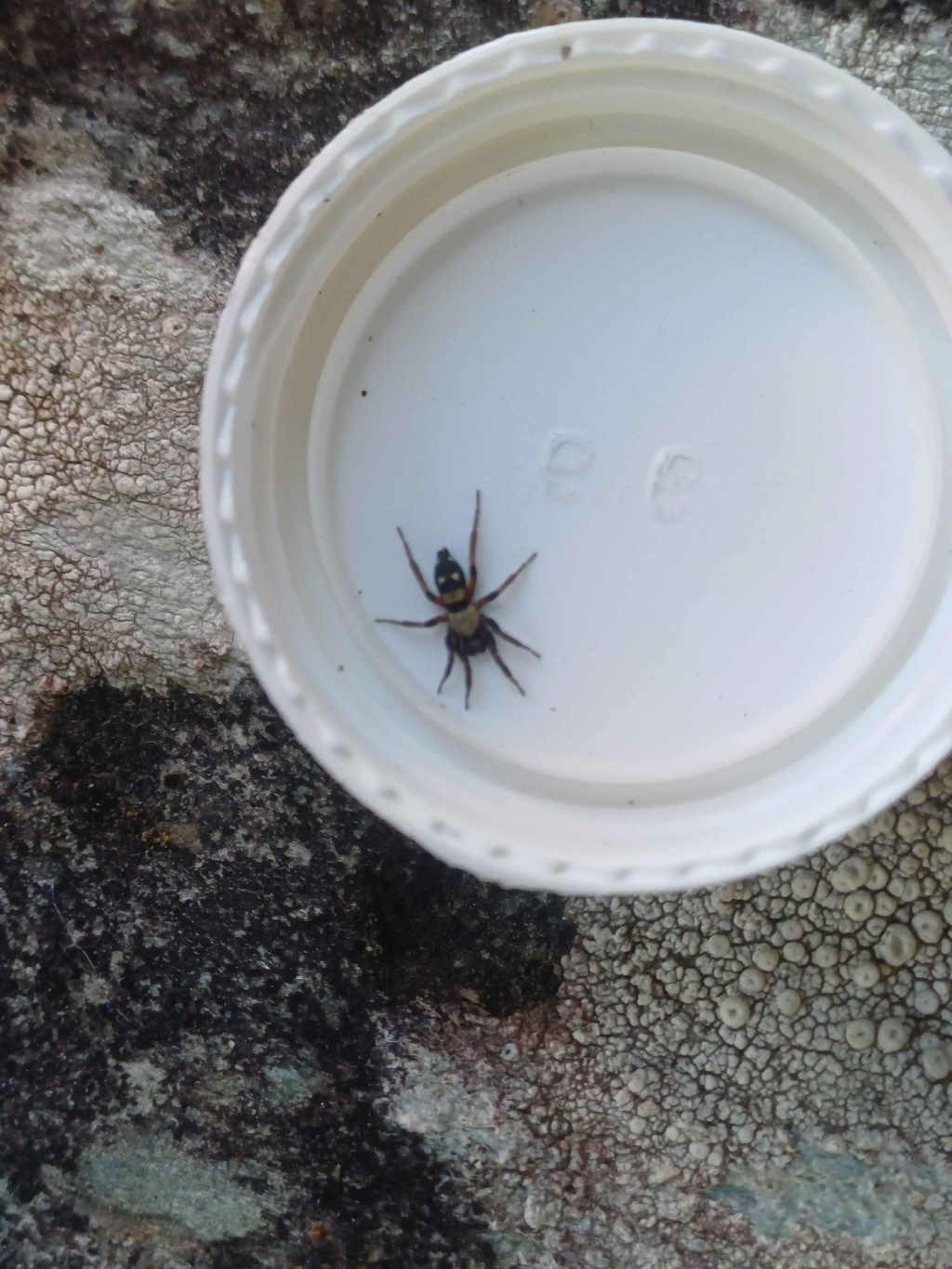
Coastal grassland and cliffs. In Britain it has been recorded running over sandy banks, rocks and exposed chalk, all on sea cliffs. This diurnal species appears to require bare ground with a sunny microclimate and may be associated with ants. On the continent this species is associated with coniferous woodlands, where it is often found under stones. Adults have been found in May and June.Status
Recorded from only three sites, though no sign of any decline. The exposed bare ground required by the spider at these sites is threatened by scrub encroachment.Threats
The growth of scrub may shade the exposed sandy banks or rocks on which this species has been found.Management and conservation
Prevent the encroachment of scrub around south facing sandy banks and rocks at the known sites. Text based on Dawson, I.K., Harvey, P.R., Merrett, P. & Russell-Smith, A.R. (in prep.).Stats
- First recorded
- 1969
- Last recorded
- 2021
- Total records
- 24
- Total visits
- 23
Conservation status
Callilepis nocturna
| Source | Reporting category | Designation | Date designated | Comments |
|---|---|---|---|---|
| A Review of the scarce and threatened spiders (Araneae) of Great Britain: Species Status No. 22 (Sep 2017) | Rare and scarce species | Nationally Rare. Includes Red Listed taxa | 01/09/2017 | |
| A Review of the scarce and threatened spiders (Araneae) of Great Britain: Species Status No. 22 (Sep 2017) | Red listing based on 2001 IUCN guidelines | Vulnerable | 01/09/2017 | Recorded from only three locations in Britain. Although there is no evidence of decline, the exposed sandy banks and rocks required by the spider at these sites are threatened by shading from scrub encroachment. Threats: The growth of scrub may shade the exposed sandy banks or rocks on which this species has been found. |
Photos and media
__