
Species Details
- Species name
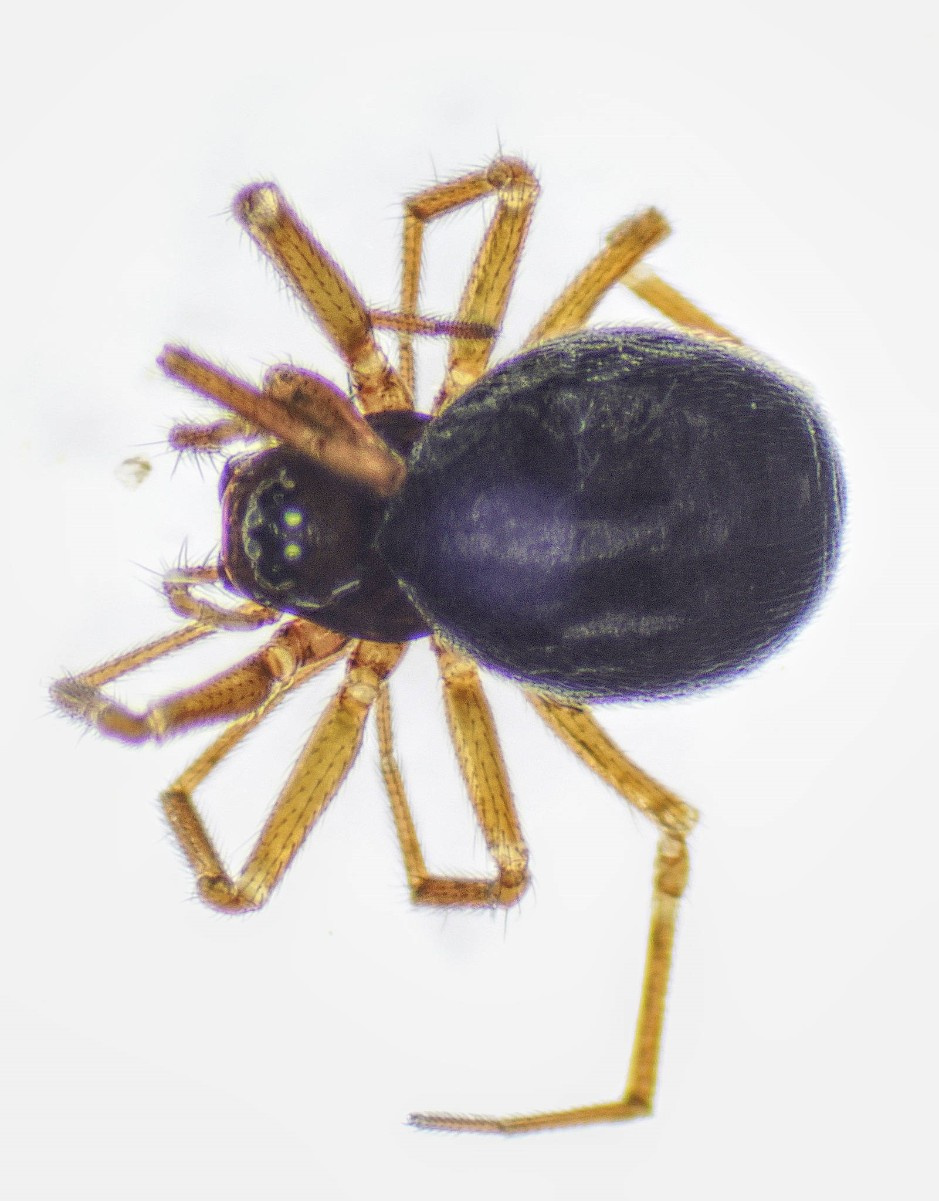
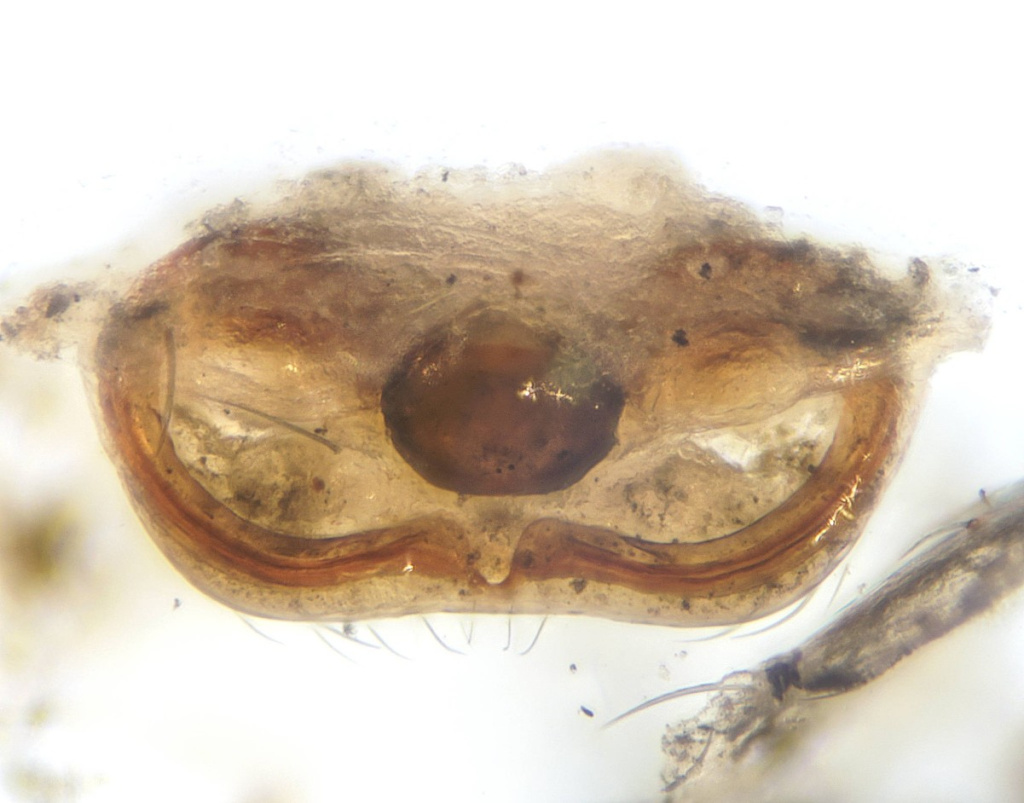
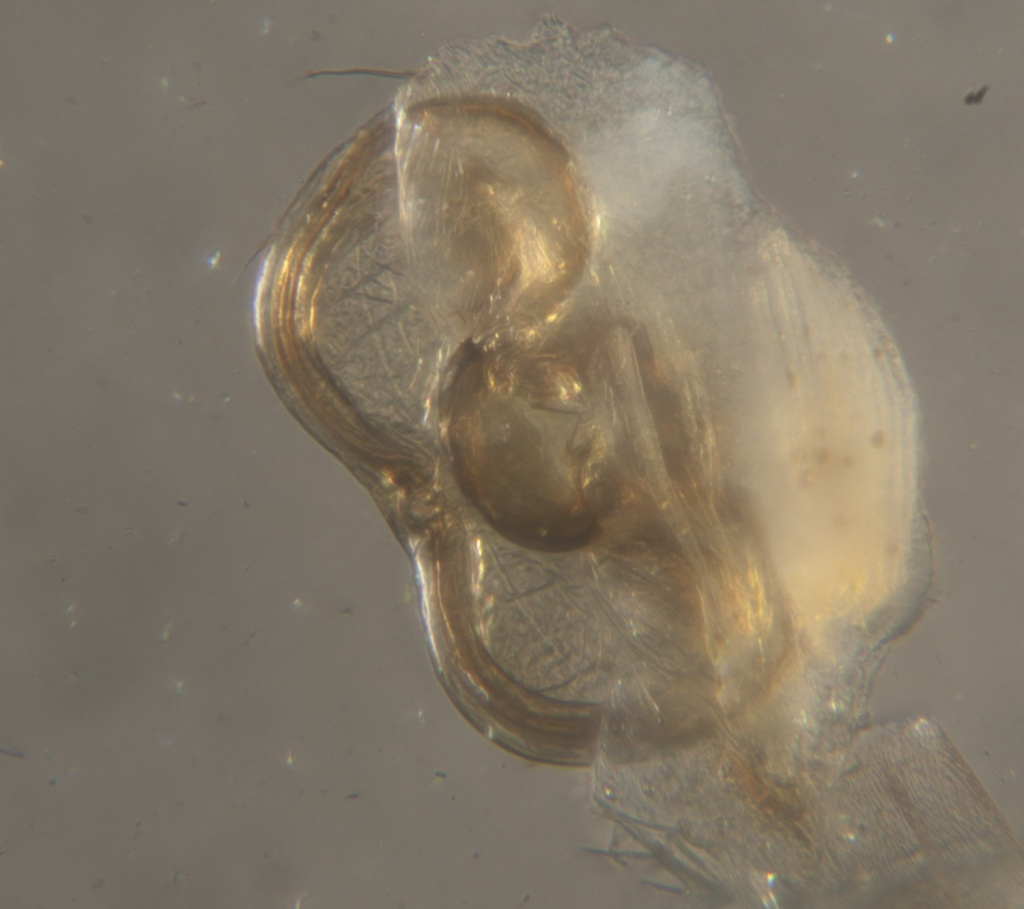
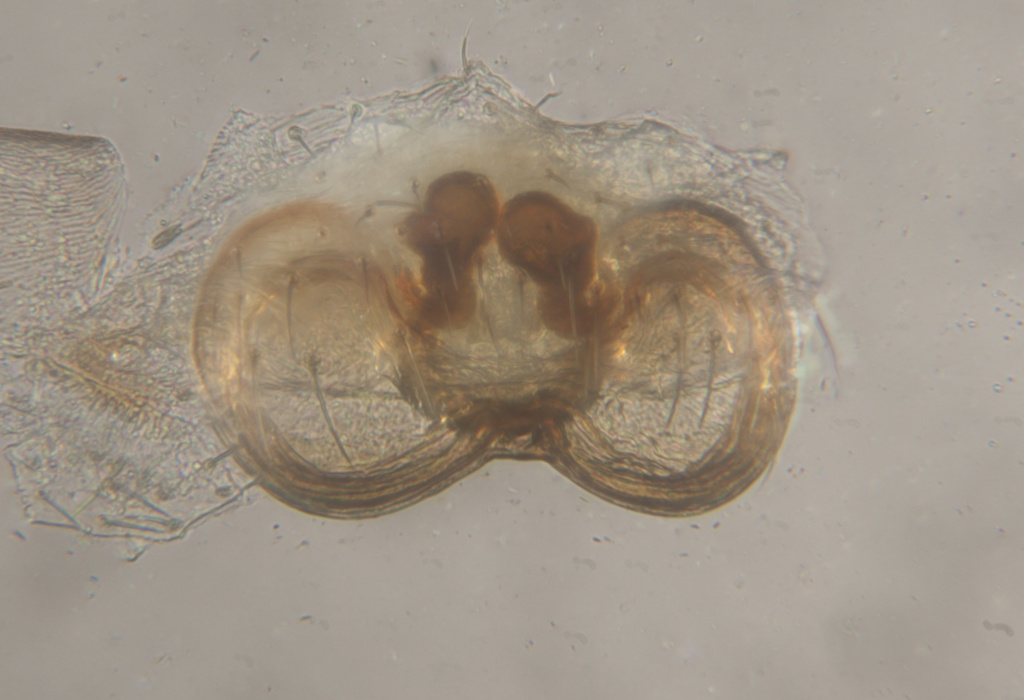
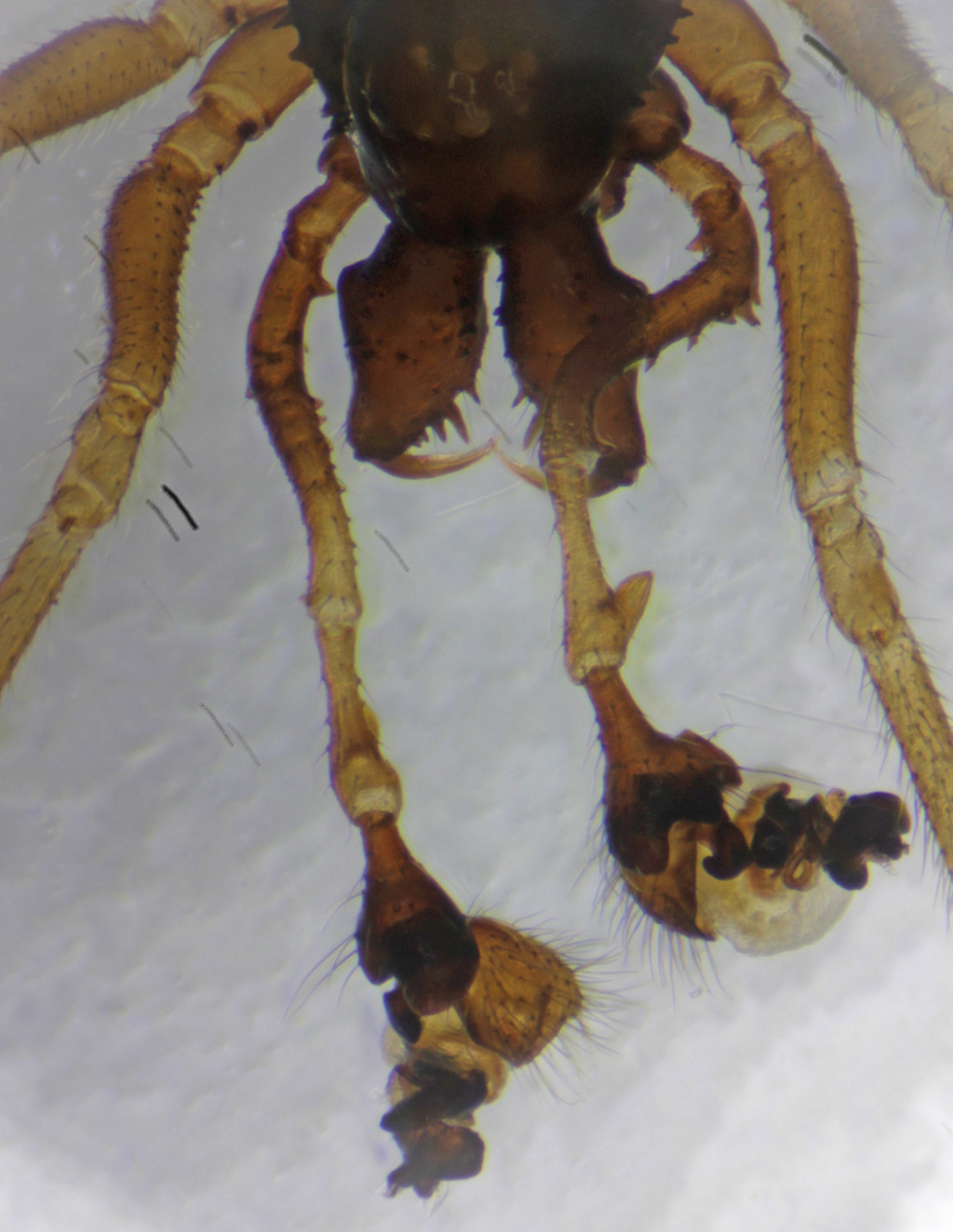
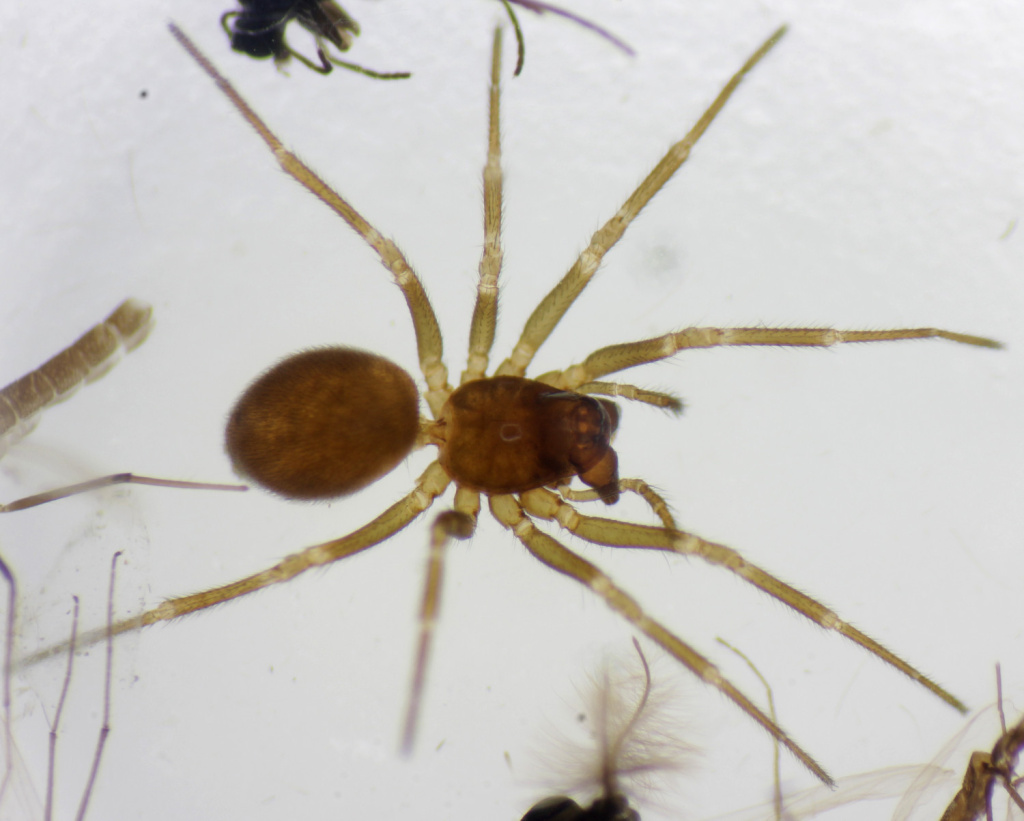
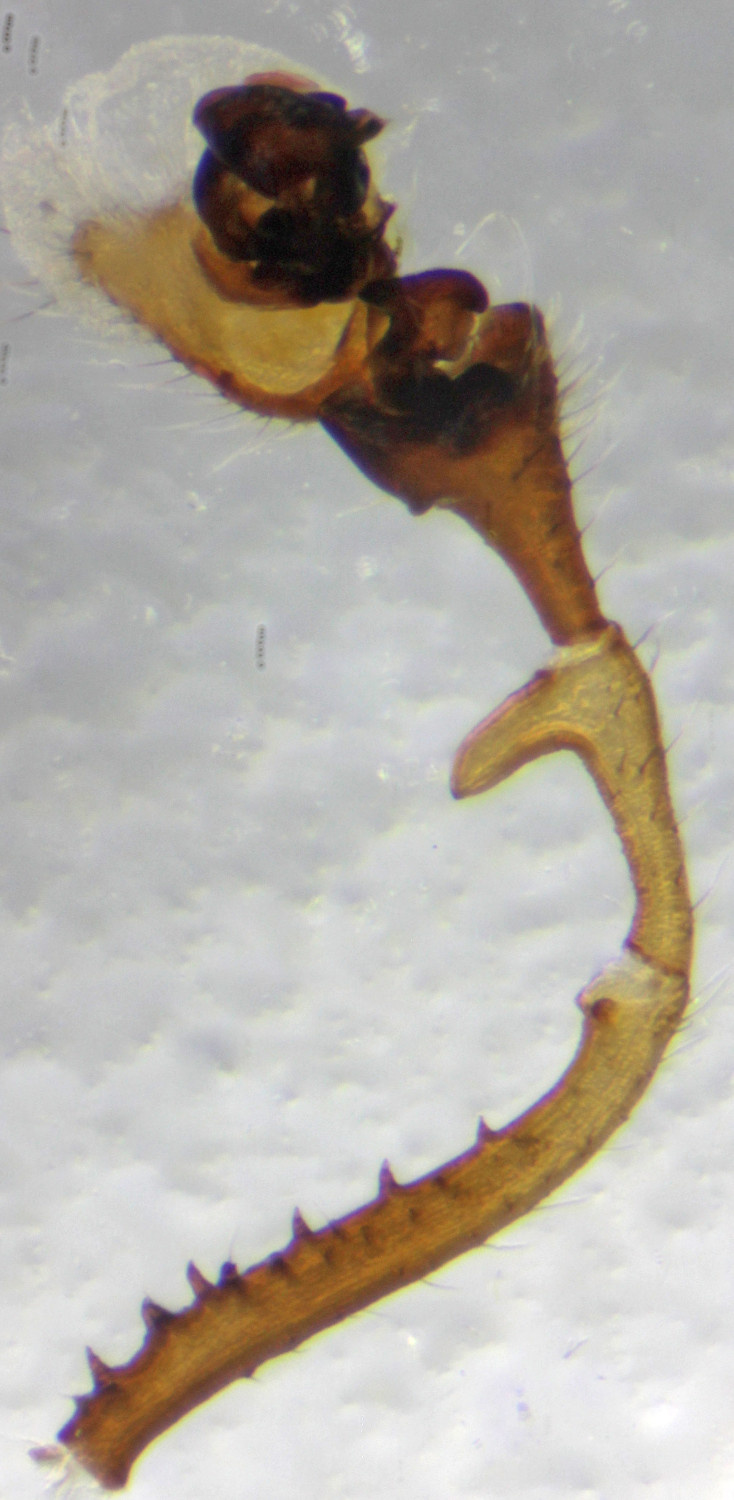
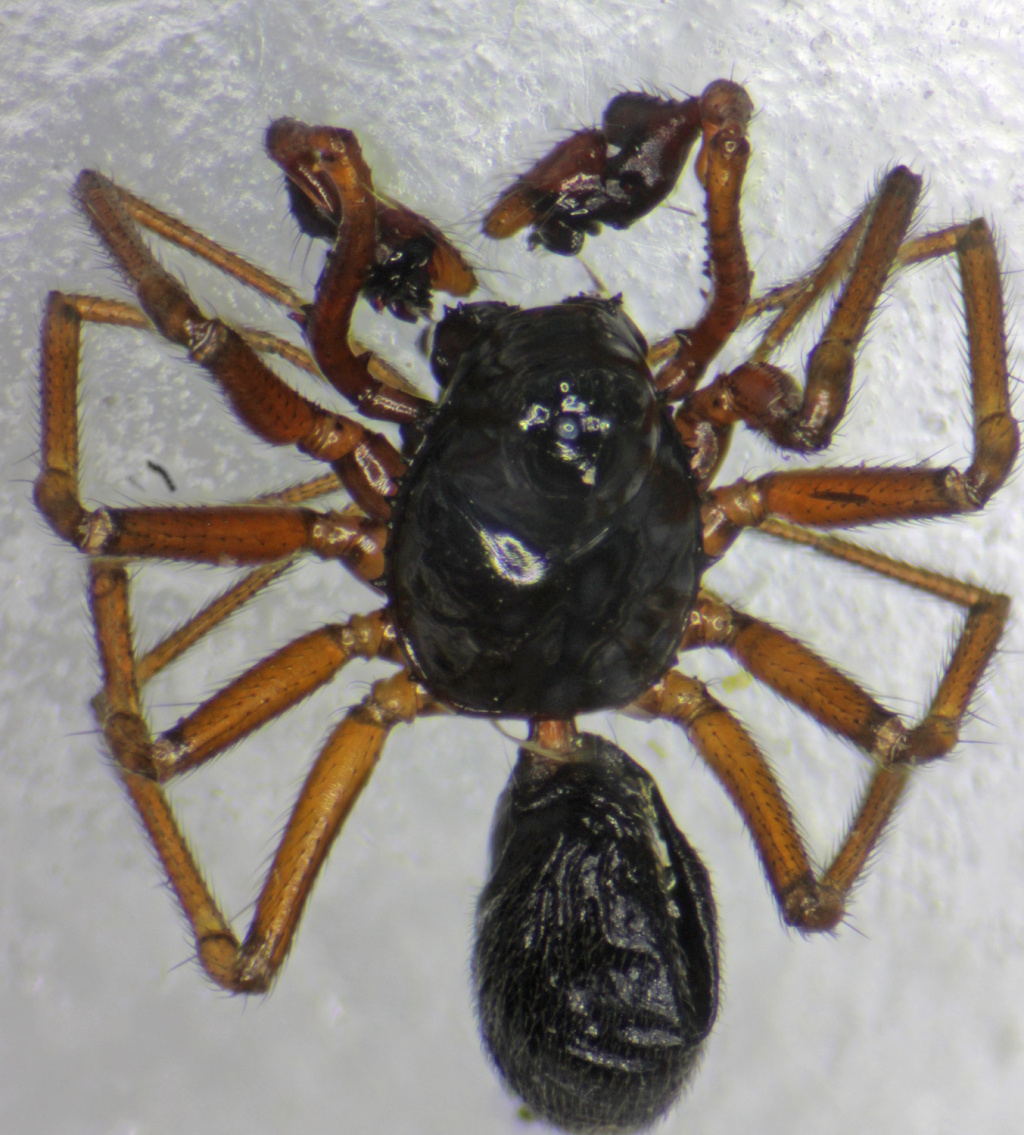
- Erigone atra Blackwall, 1833
- Taxonomy
- Animalia :: Araneae :: Linyphiidae
Distribution
The species is widespread throughout most of Britain, possibly becoming more scattered in the north. It is widespread in western and central Europe.Habitat and ecology
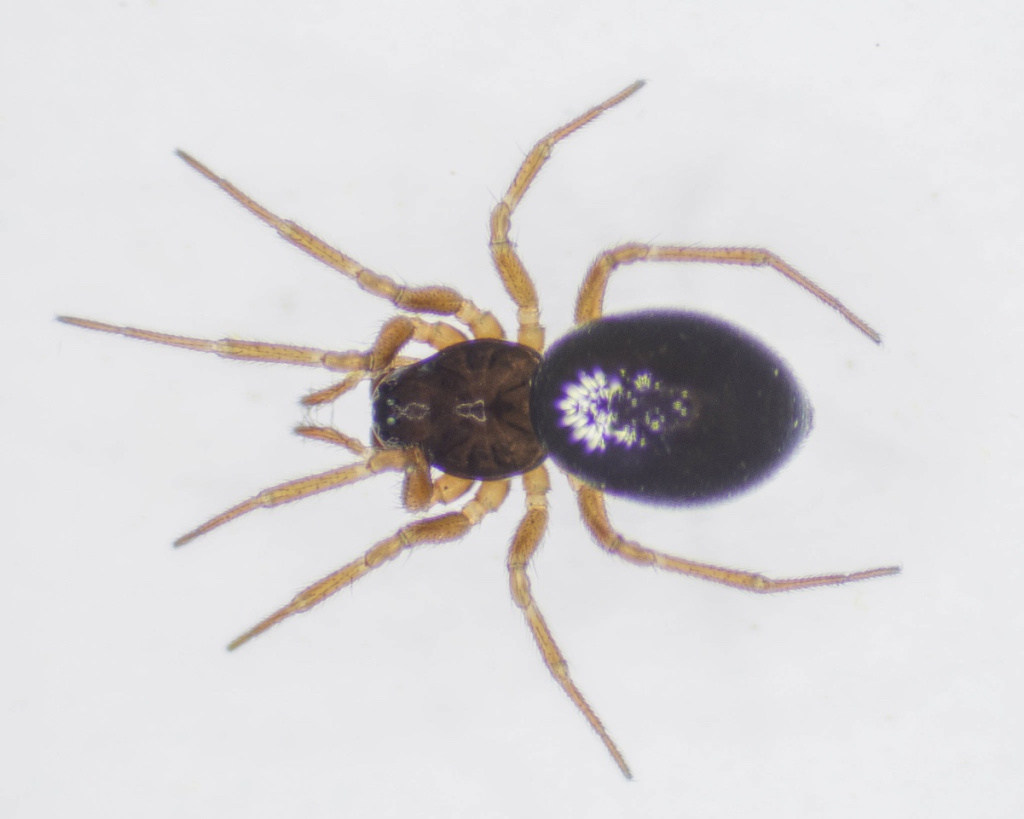
This small ubiquitous linyphiid spider is to be found at ground level on low vegetation and under the bark of fallen trees. When weather conditions are suitable it stands on outstretched legs with the tip of its abdomen pointing in the air. It lets out a line of silk which, if the air currents are favourable, lifts the spider to considerable heights and conveys it to a new location. Such a procedure means that some perish on the journey or land in unsuitable places. This is when many people discover these money spiders on their person or in close proximity. Adults can be found at all times of the year, with peak numbers in summer.Status
This is one of the commonest spiders, often dispersing aeronautically in large numbers in late summer and autumn. Original author of profile: D. Marriott Text based on Harvey, P.R., Nellist, D.R. & Telfer, M.G. (eds) 2002. Provisional atlas of British spiders (Arachnida, Araneae), Volumes 1 & 2. Huntingdon: Biological Records Centre.Stats
- First recorded
- 1872
- Last recorded
- 2026
- Total records
- 19,726
- Total visits
- 19,105
Conservation status
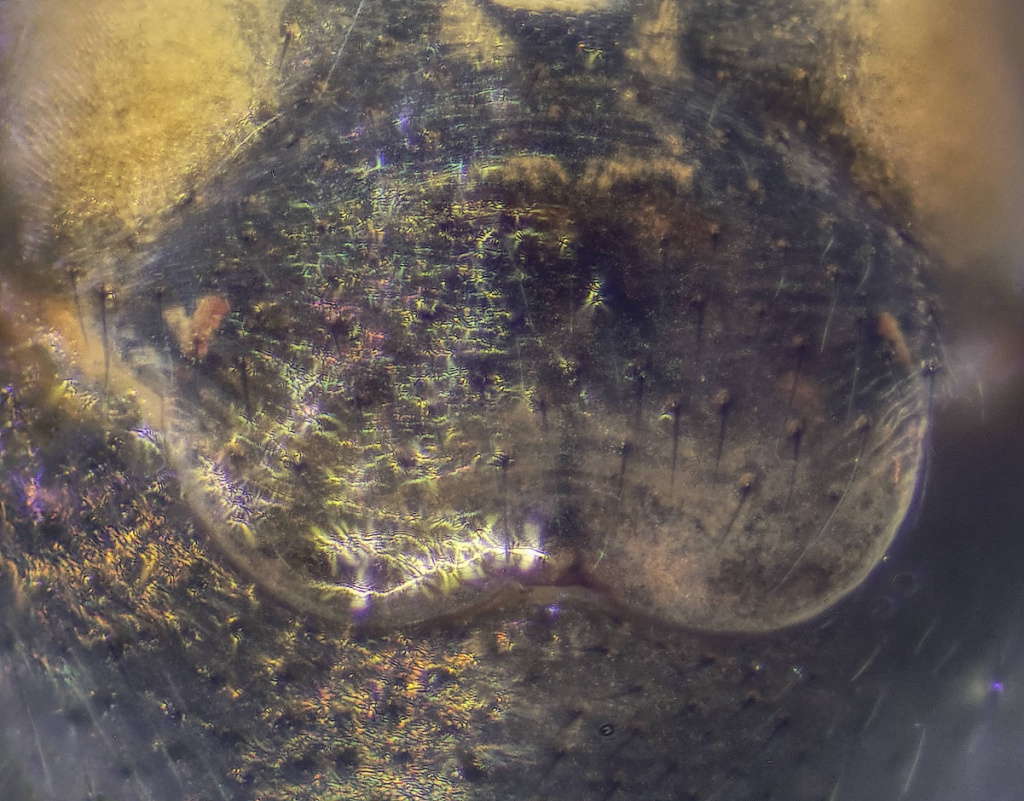
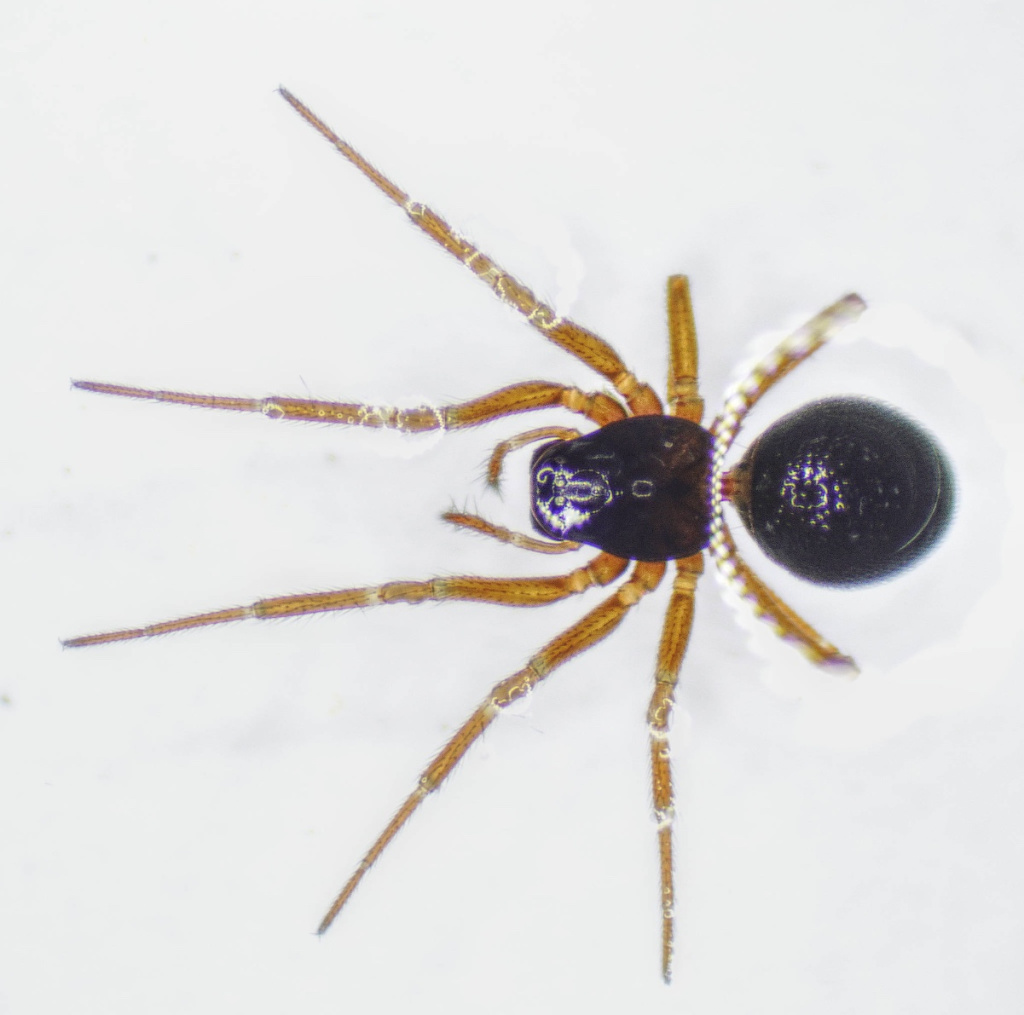
Erigone atra
| Source | Reporting category | Designation | Date designated | Comments |
|---|---|---|---|---|
| A Review of the scarce and threatened spiders (Araneae) of Great Britain: Species Status No. 22 (Sep 2017) | Red listing based on 2001 IUCN guidelines | Least concern | 01/09/2017 |
Photos and media
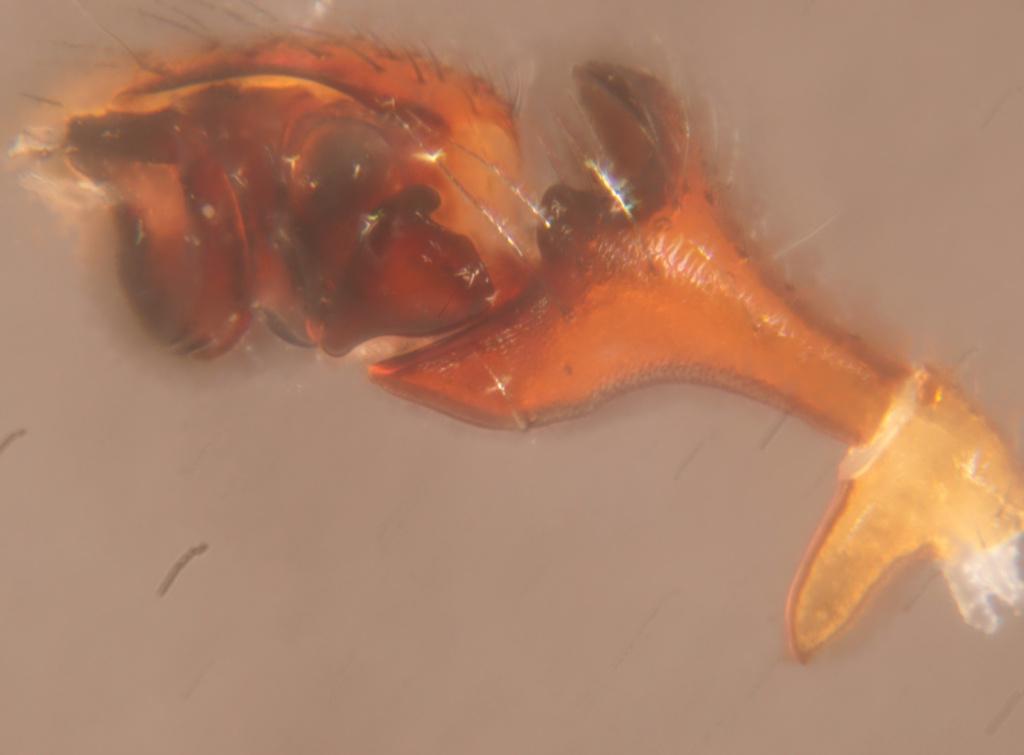
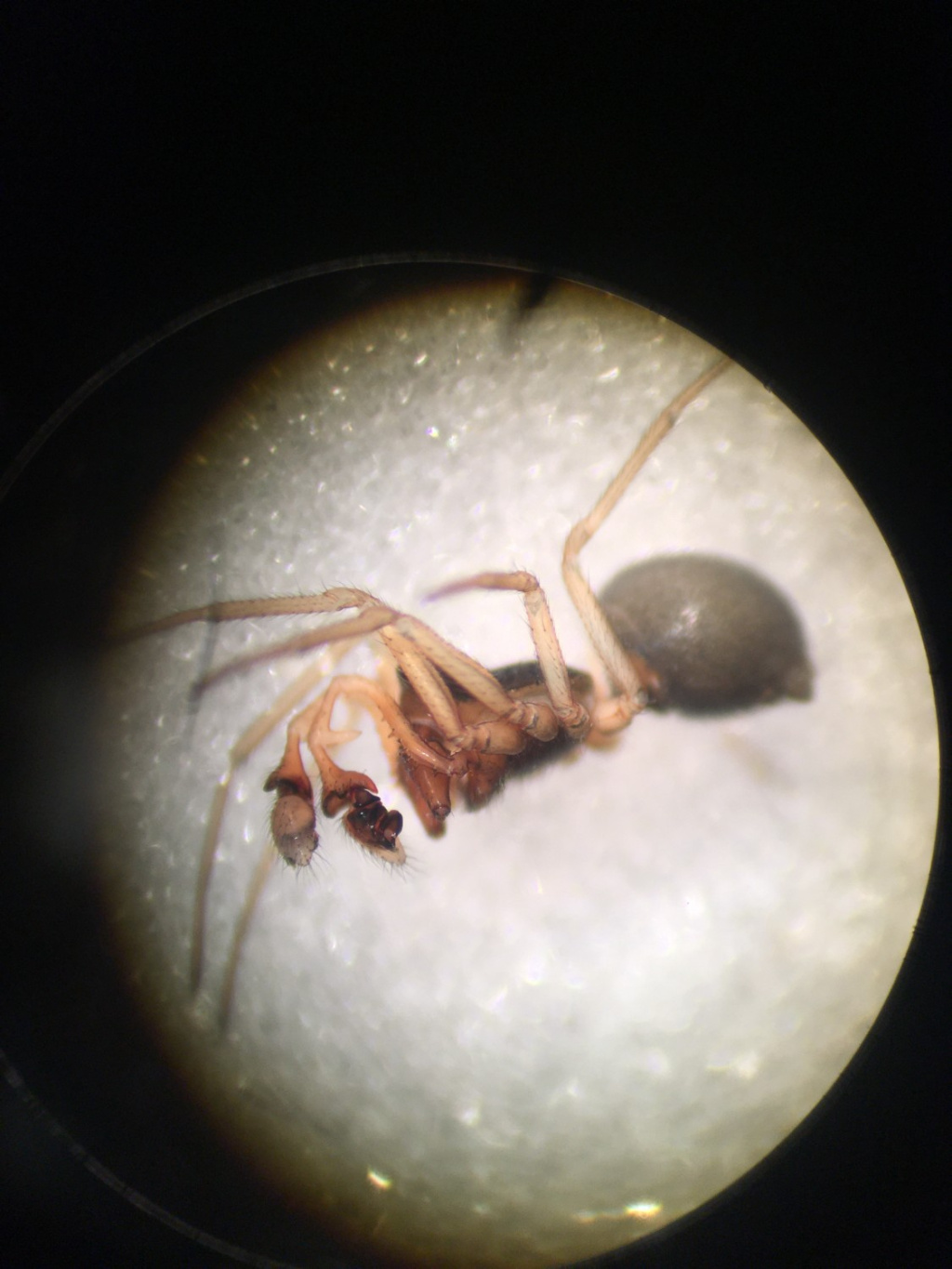
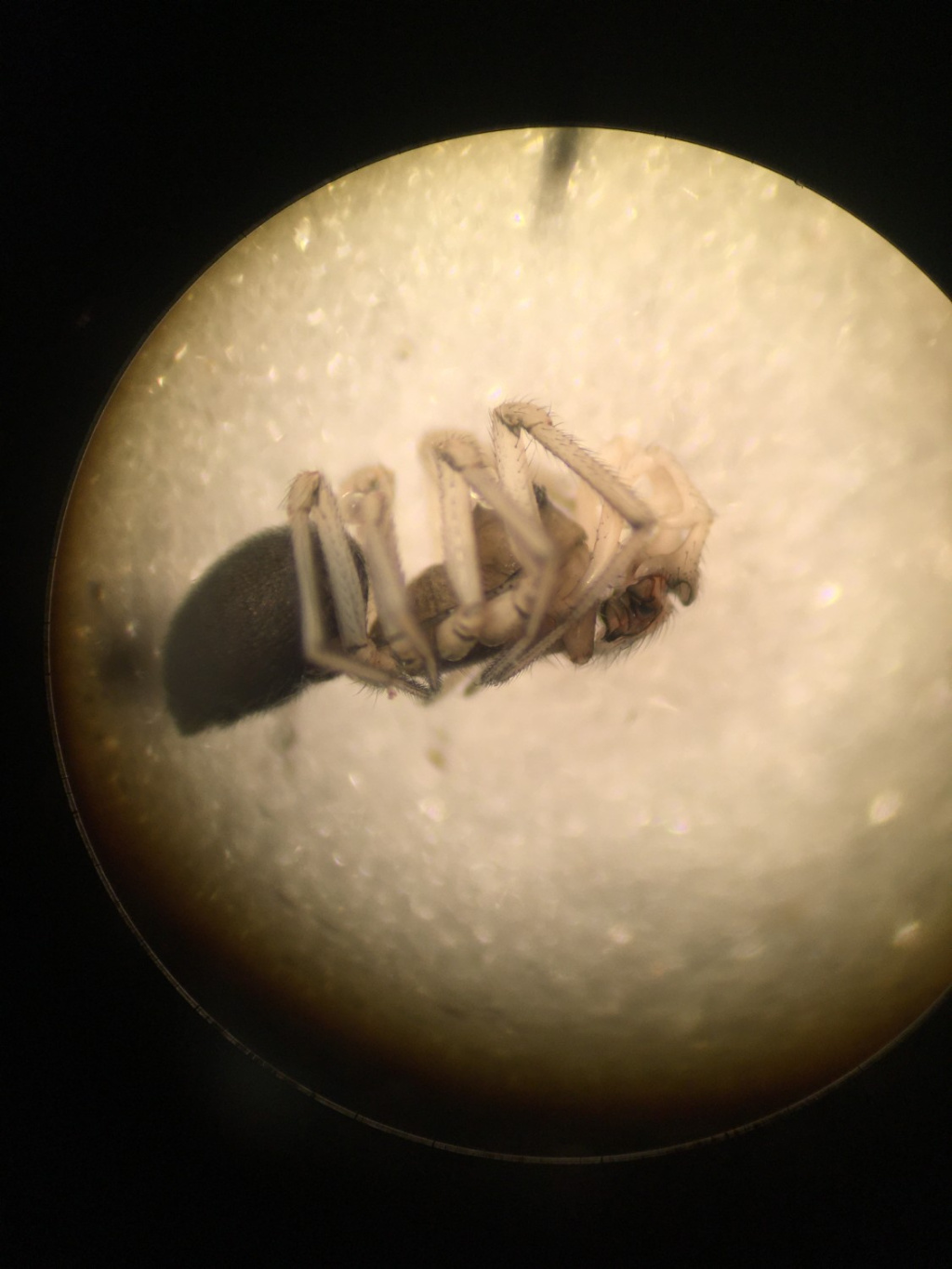
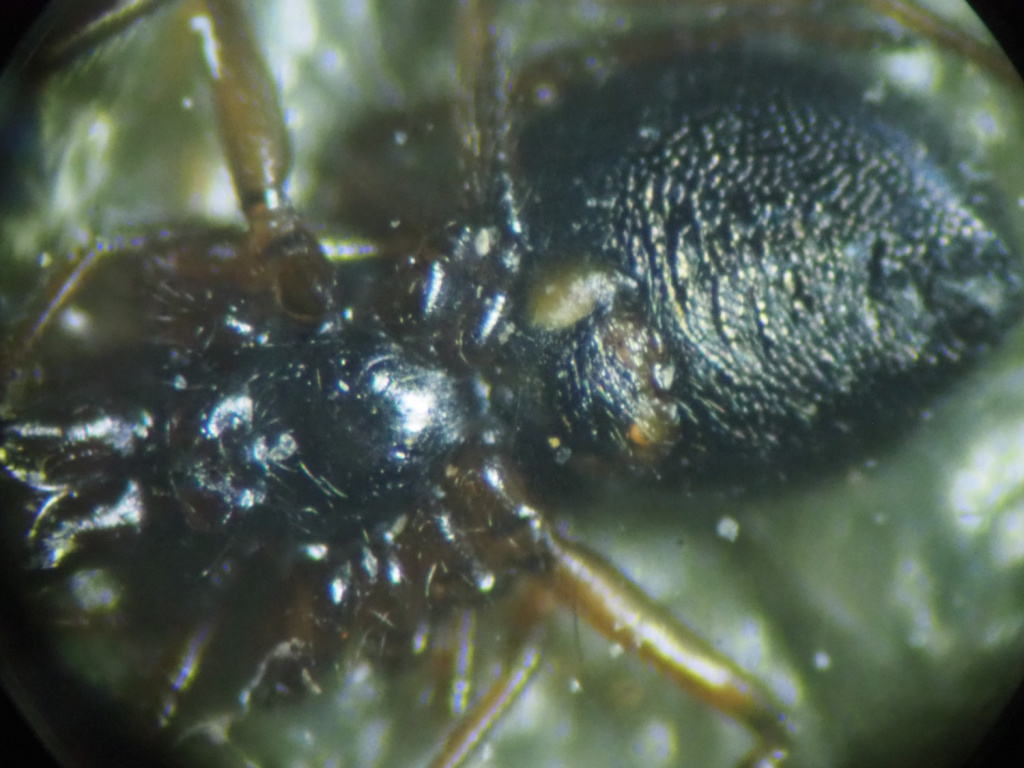

Spatial distribution - hectad map
Click on one of the date ranges in the key to highlight that particular range. Click anywhere else on the map to go back to all three date ranges.
Thresholds:
Move mouse cursor over dot for info
Rejected records are excluded from this map. Unverified records are included.
Temporal distribution - records by year
Records that span more than one year are not included in this chart.
Temporal distribution - records by week
__