
Species Details
- Species name
- Ero cambridgei Kulczynski, 1911
- Taxonomy
- Animalia :: Araneae :: Mimetidae
- tall sward & scrub
Distribution
The species is widespread in southern Britain, becoming much more restricted and scattered in the north. It is much less widespread than E. furcata on the continent (P. Merrett, pers. comm.).Habitat and ecology
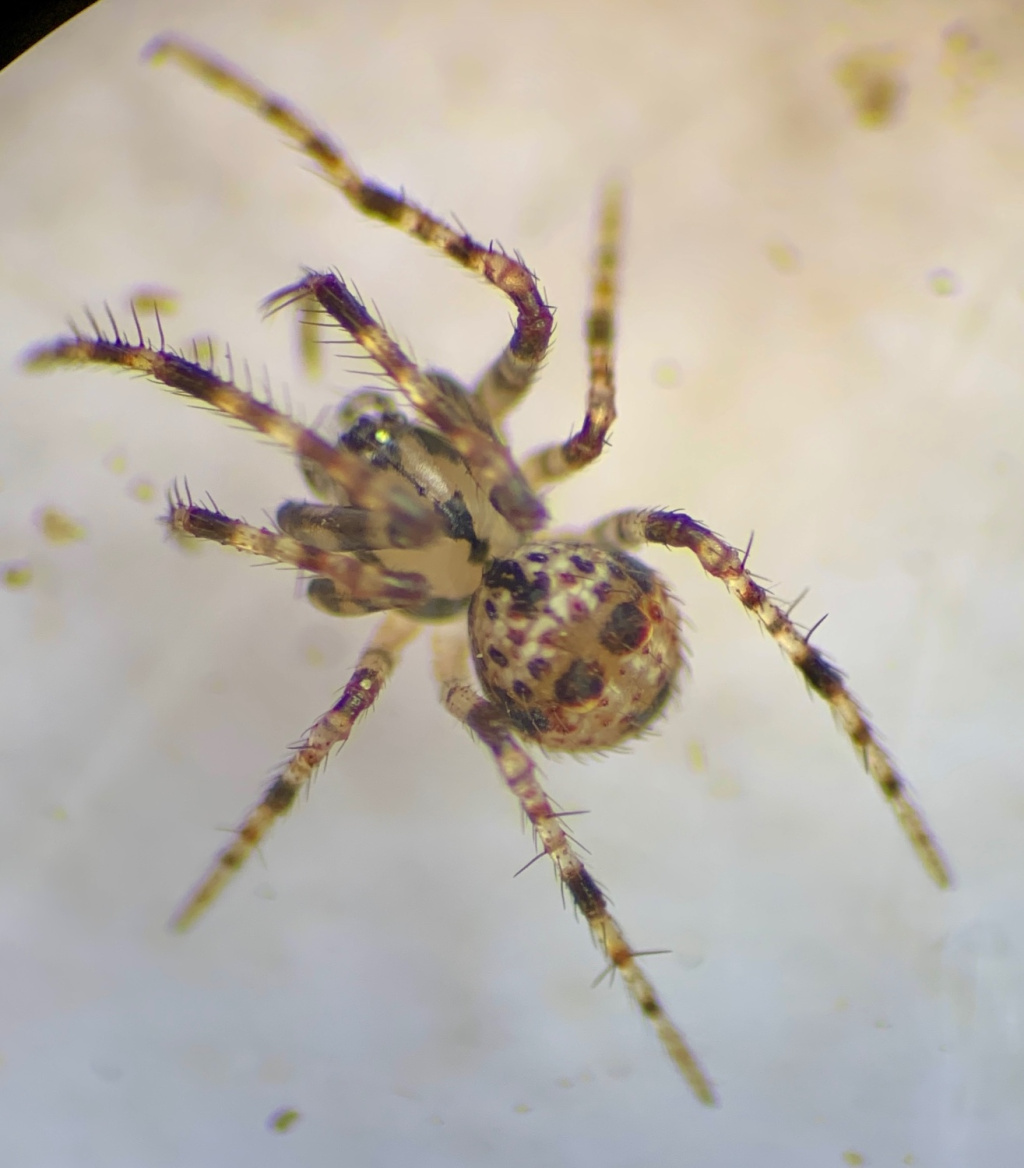
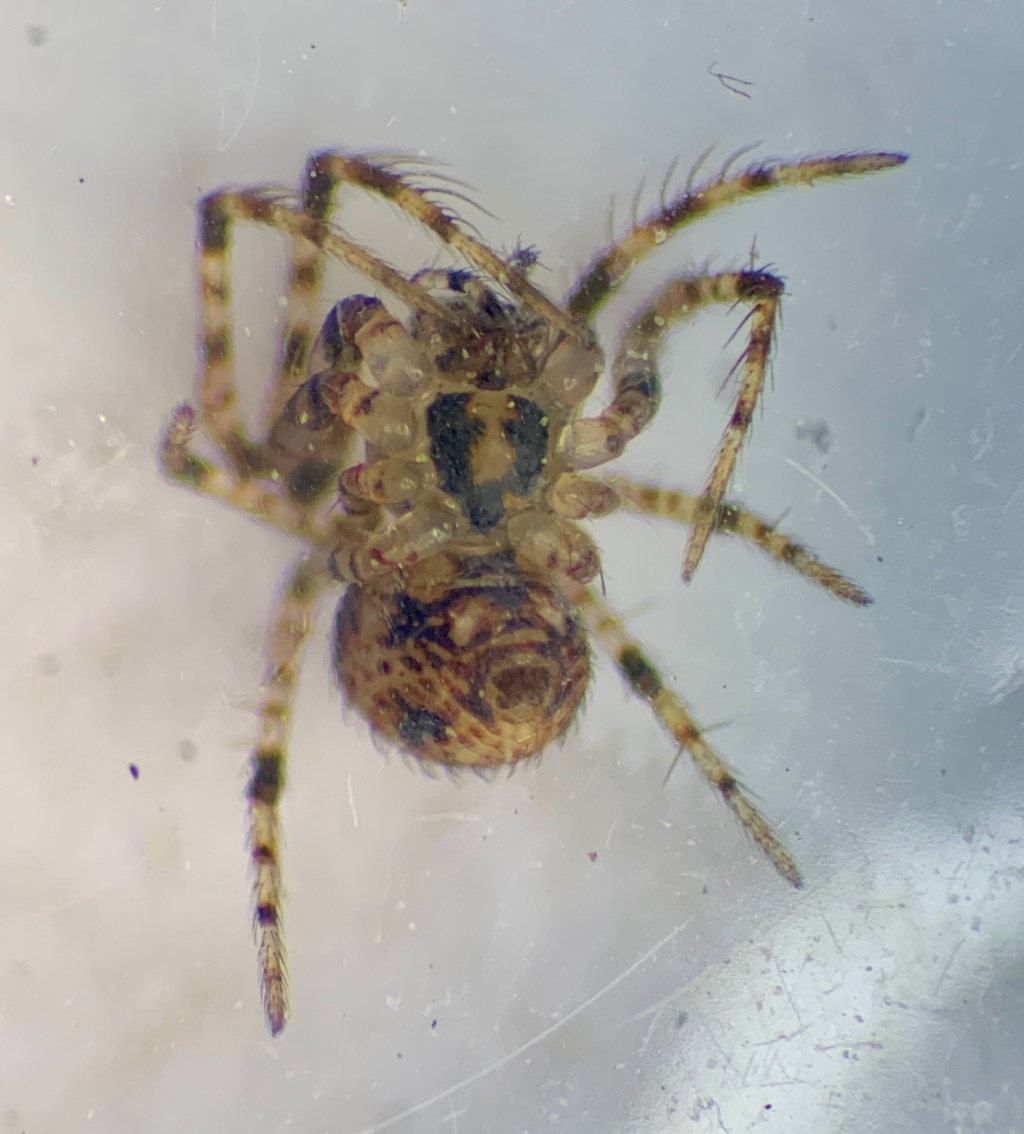
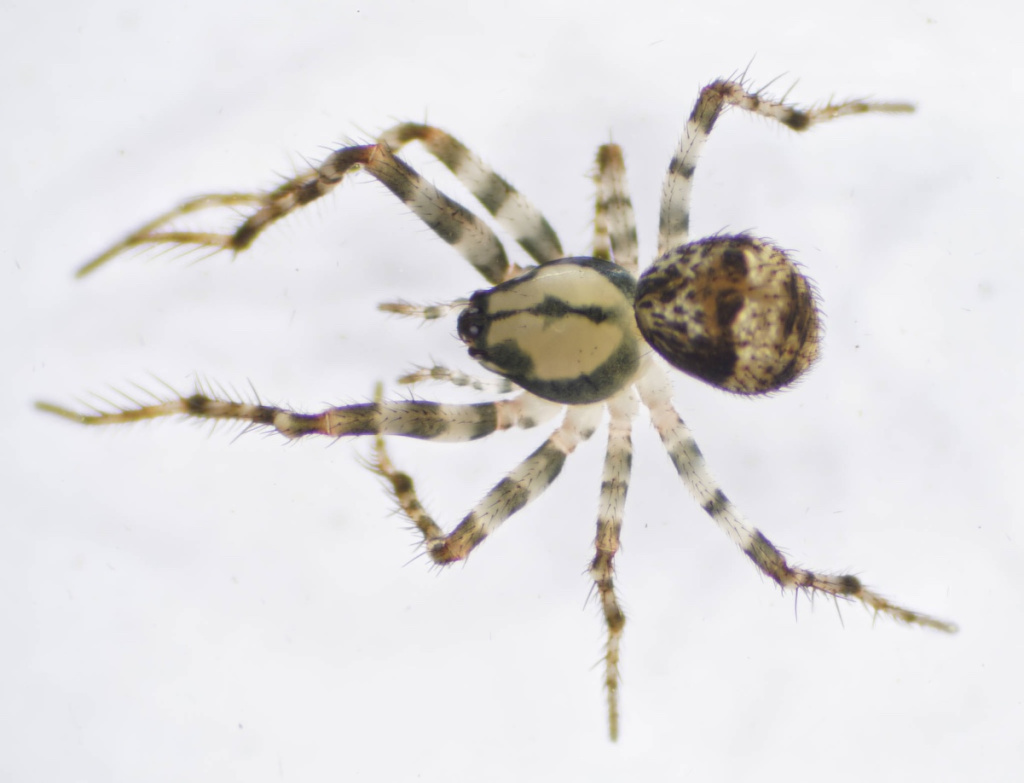
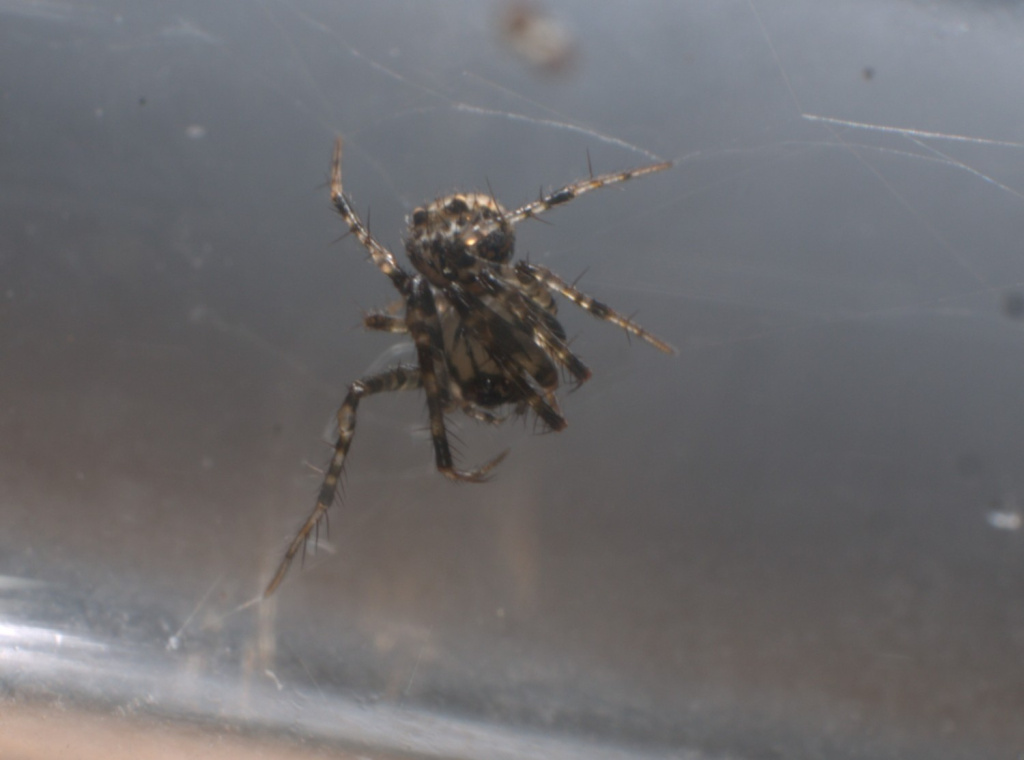
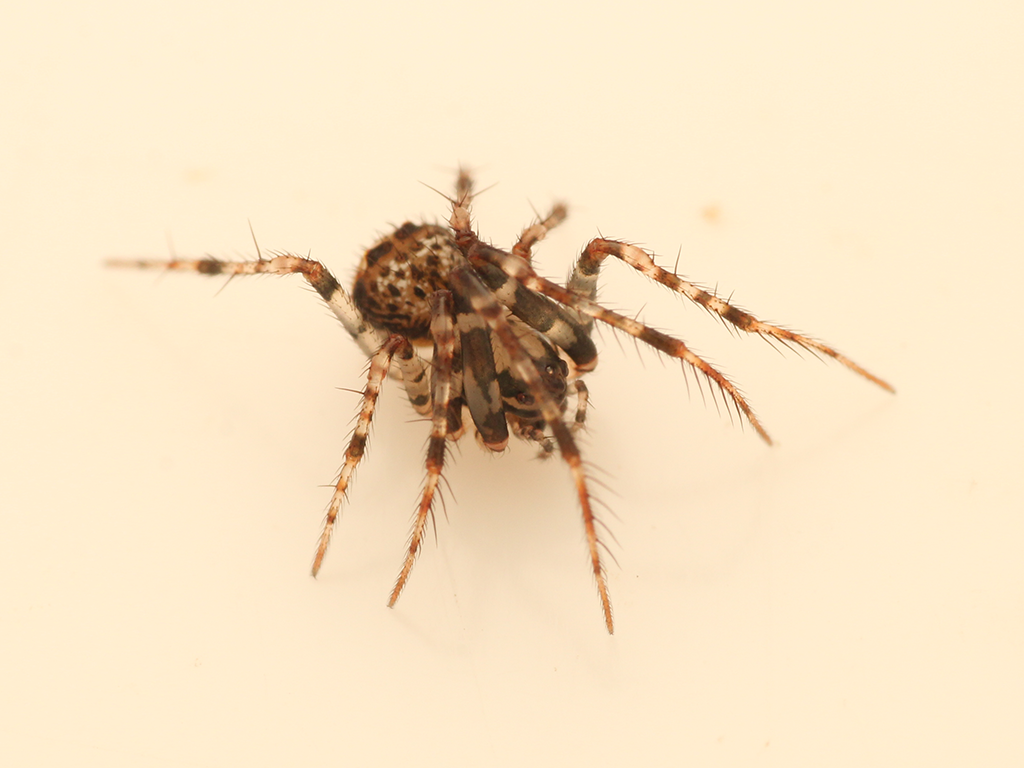
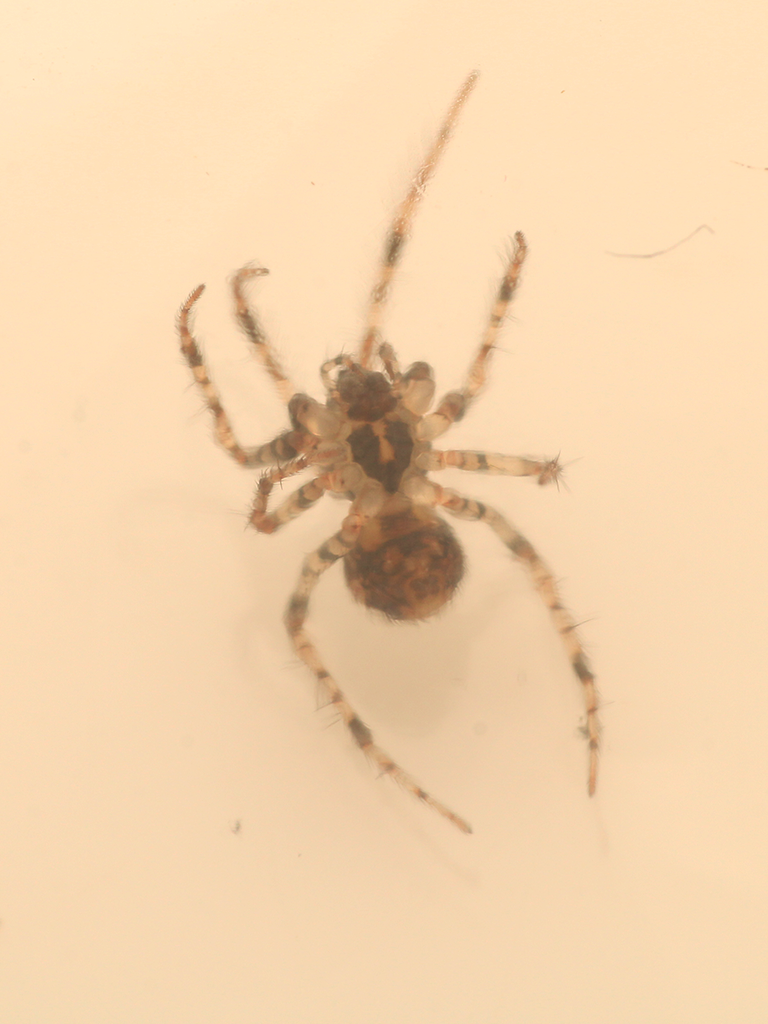
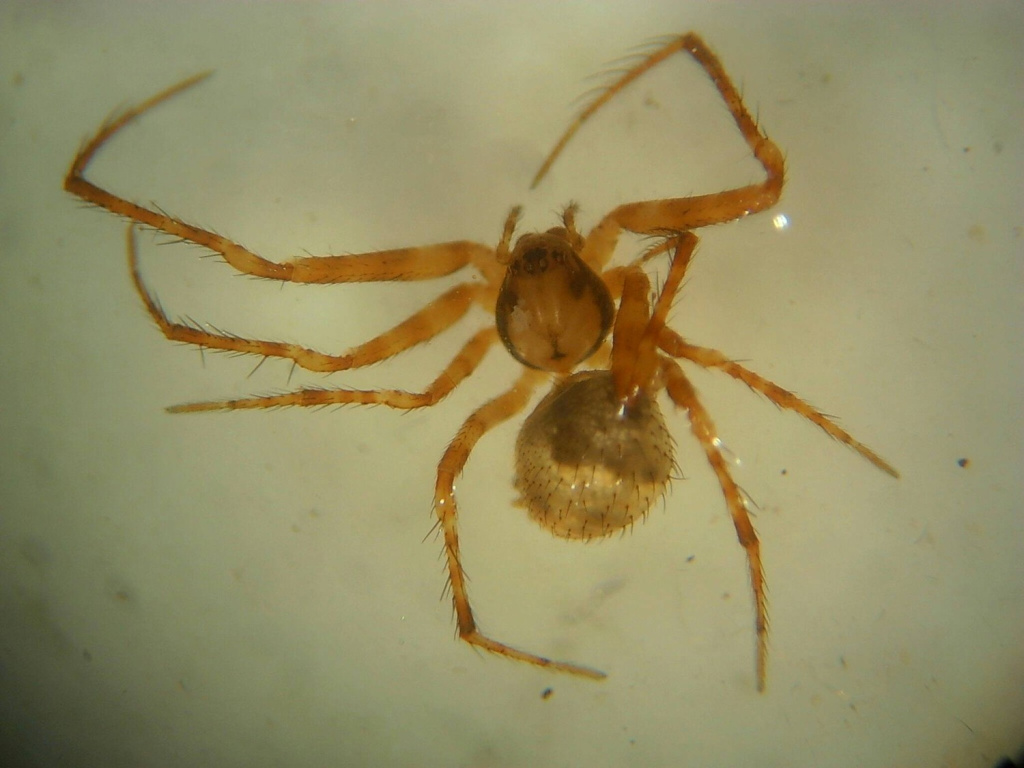
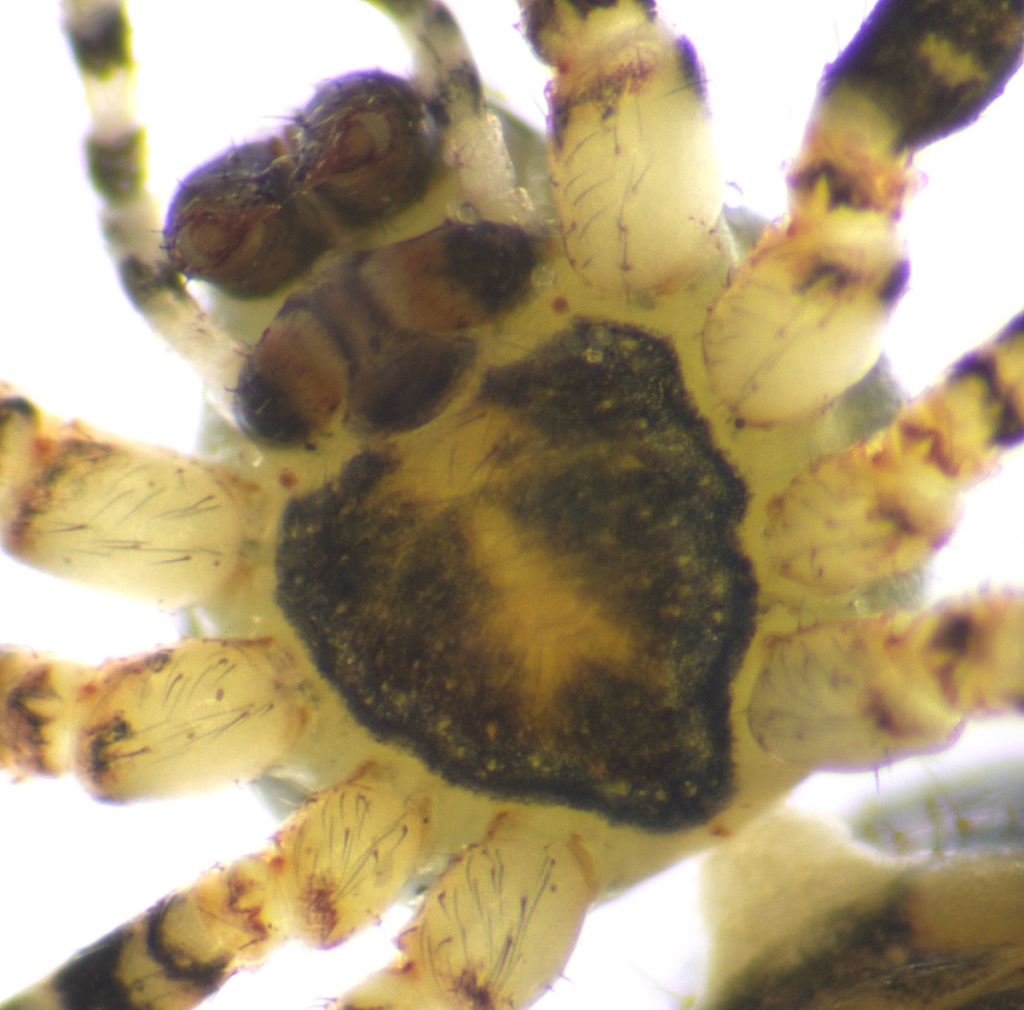
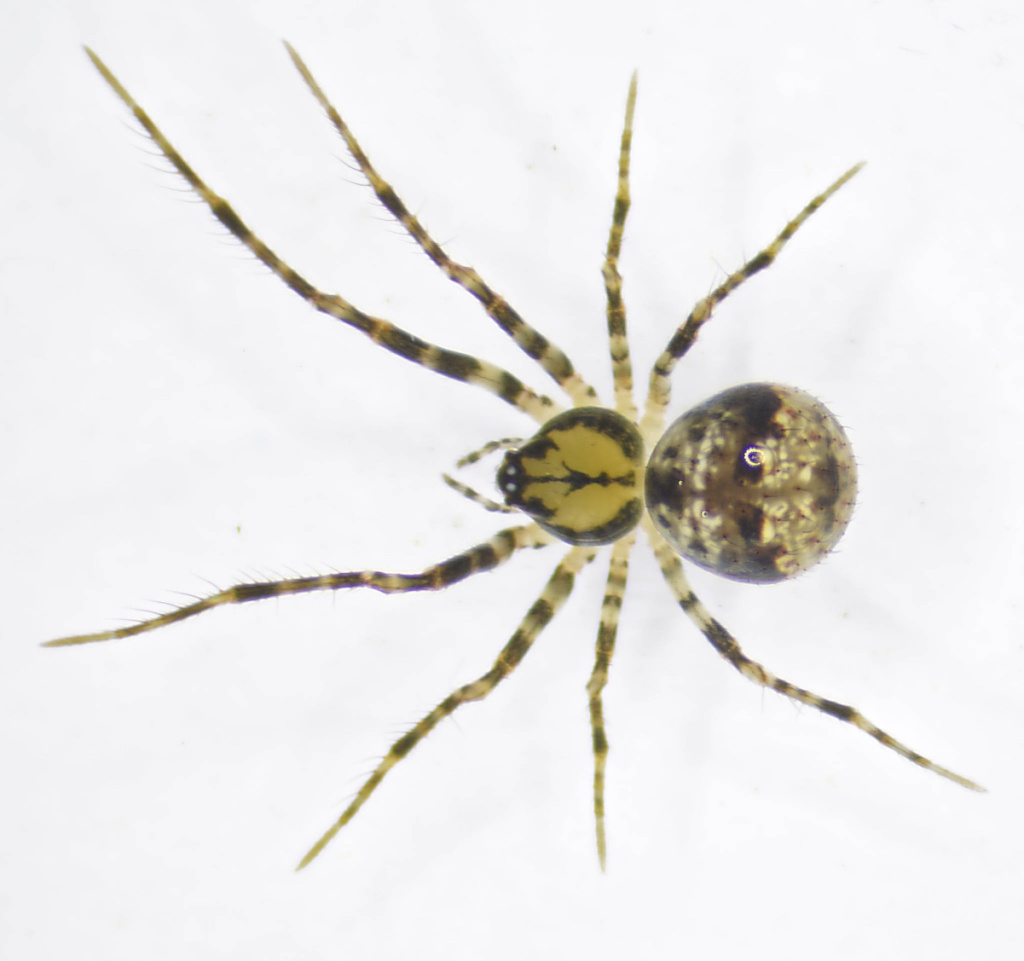
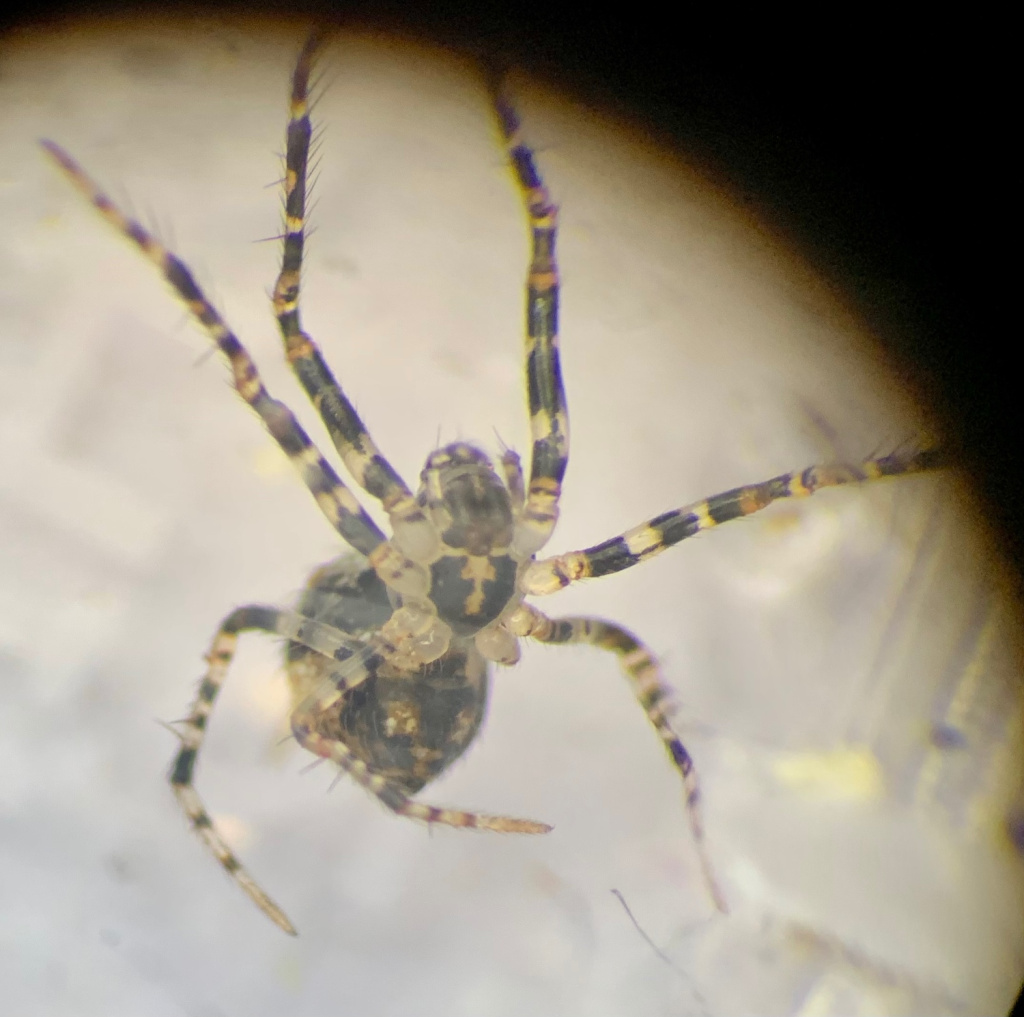
This pirate spider is found on trees, bushes, low vegetation and in leaf litter in a variety of habitats. It searches out the webs of other spiders, and plucks the threads to entice out the occupant. Powerful venom rapidly paralyses the unfortunate web spinner and the pirate spider then sucks dry its prey through an incision in a leg. This species may be collected with specimens of E. furcata. Adults have been collected throughout the year, with peaks in the autumn and in spring and early summer.Status
Generally common in southern Britain. Original author of profile: P. Lee Text based on Harvey, P.R., Nellist, D.R. & Telfer, M.G. (eds) 2002. Provisional atlas of British spiders (Arachnida, Araneae), Volumes 1 & 2. Huntingdon: Biological Records Centre.Stats
- First recorded
- 1900
- Last recorded
- 2026
- Total records
- 3,318
- Total visits
- 3,235
Conservation status
Ero cambridgei
| Source | Reporting category | Designation | Date designated | Comments |
|---|---|---|---|---|
| A Review of the scarce and threatened spiders (Araneae) of Great Britain: Species Status No. 22 (Sep 2017) | Red listing based on 2001 IUCN guidelines | Least concern | 01/09/2017 |
Photos and media
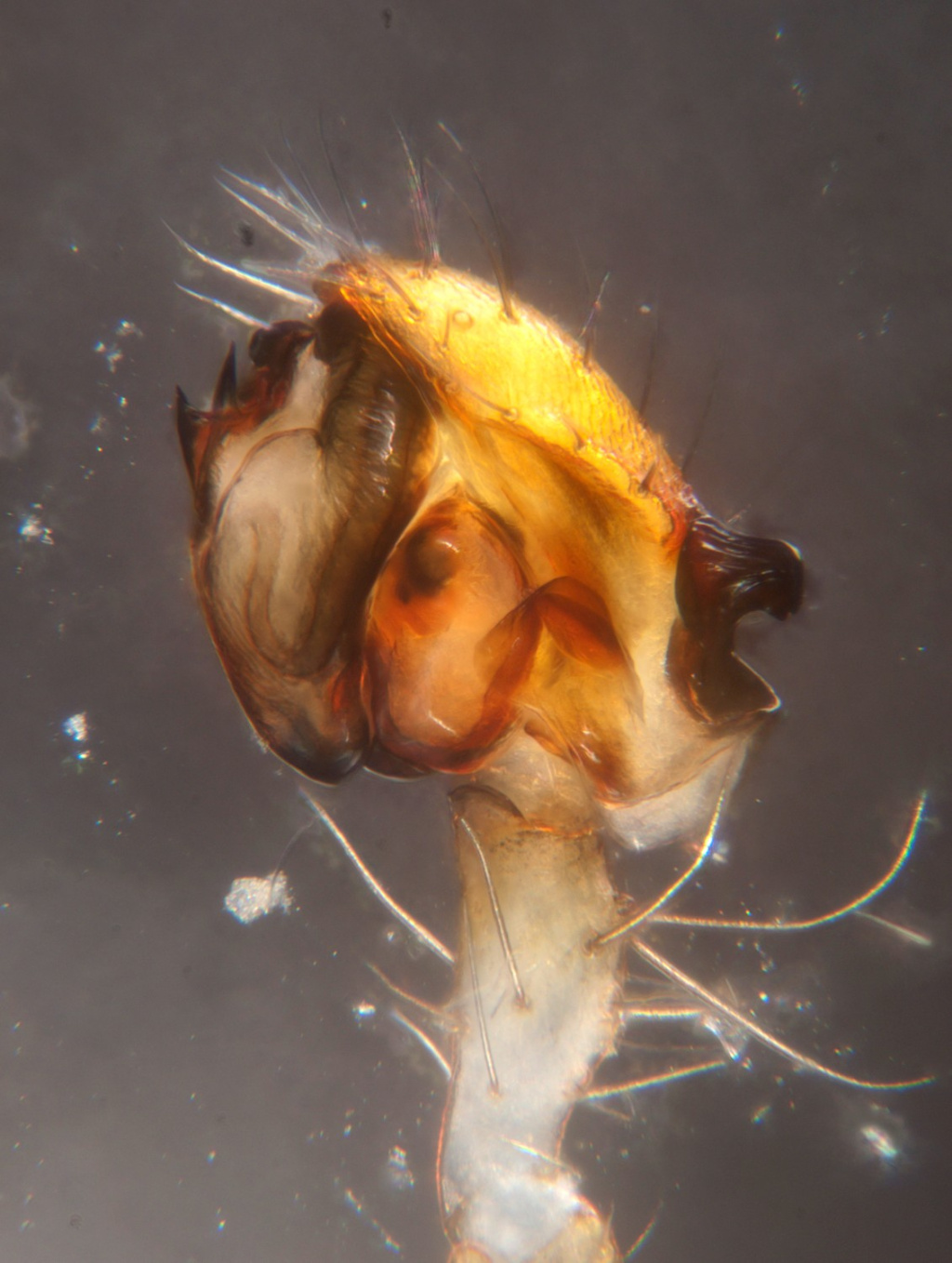
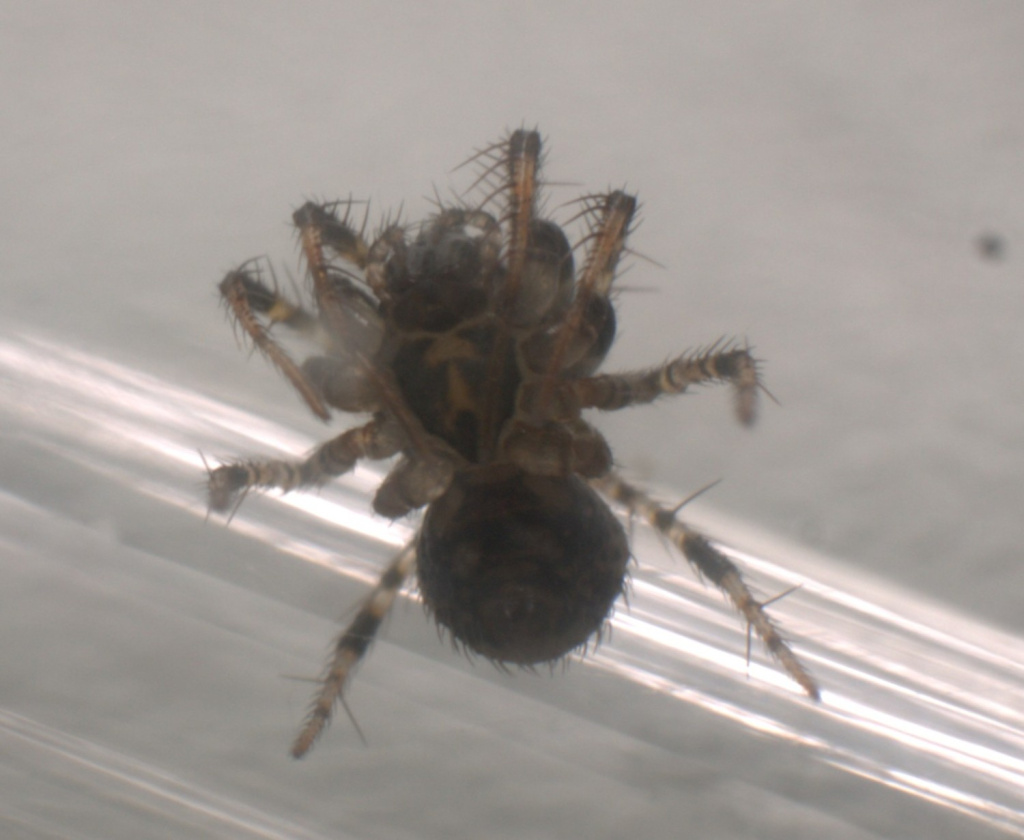
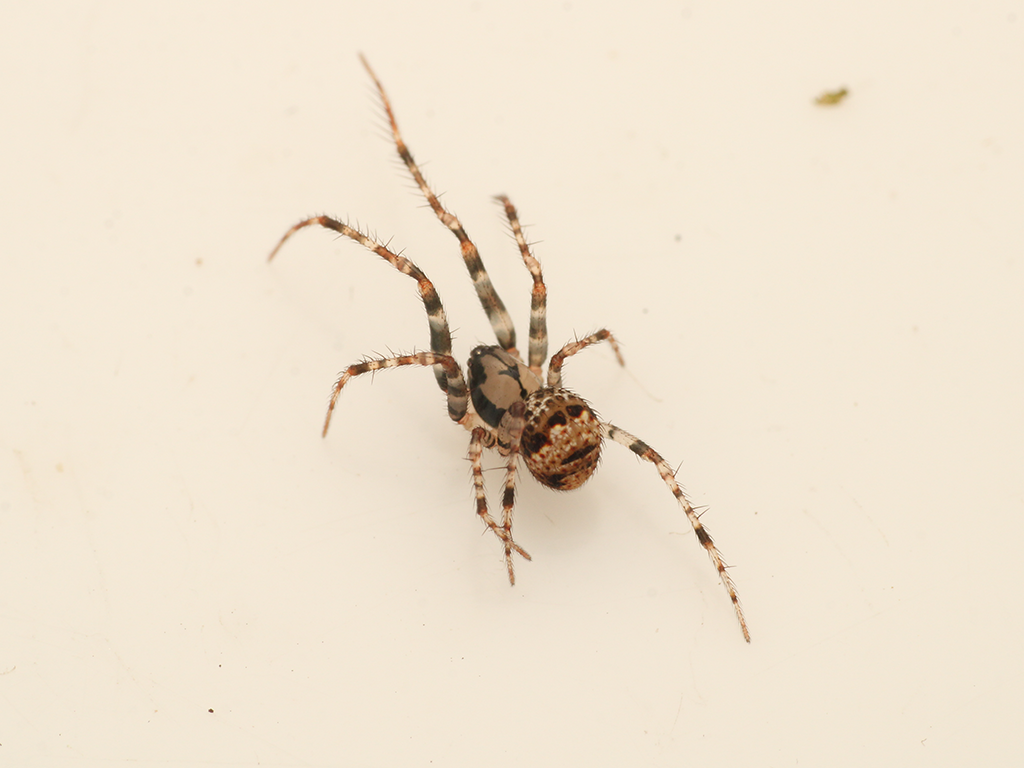
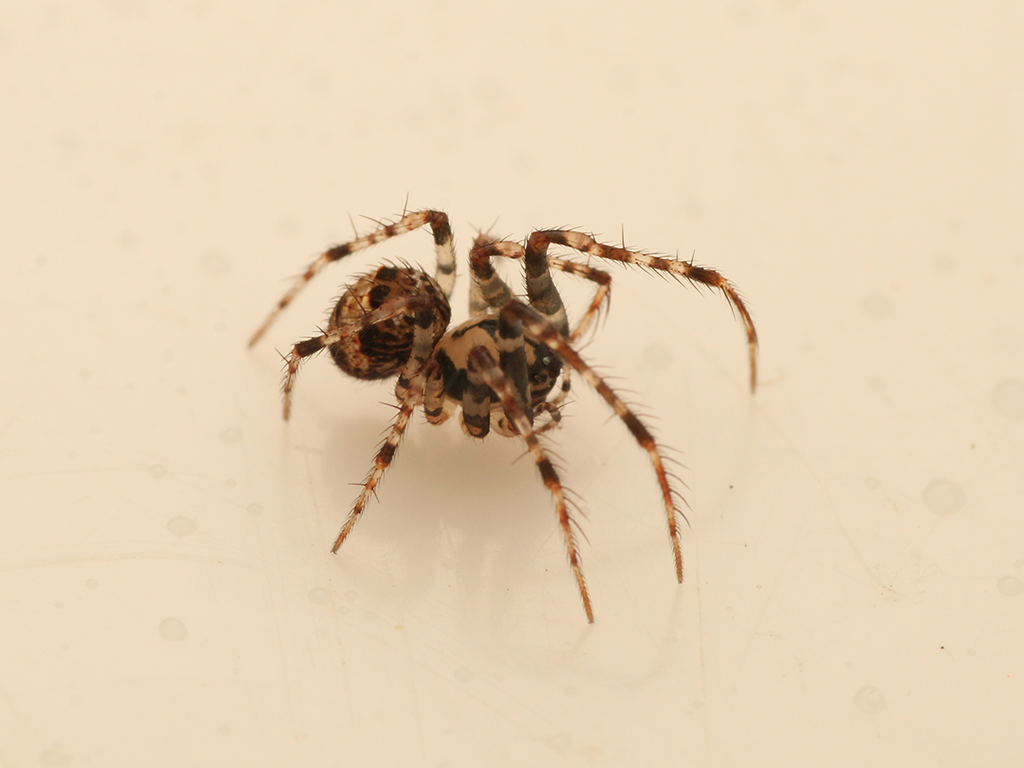
Spatial distribution - hectad map
Click on one of the date ranges in the key to highlight that particular range. Click anywhere else on the map to go back to all three date ranges.
Thresholds:
Move mouse cursor over dot for info
Rejected records are excluded from this map. Unverified records are included.
Temporal distribution - records by year
Records that span more than one year are not included in this chart.
Temporal distribution - records by week
__