
Species Details
- Species name
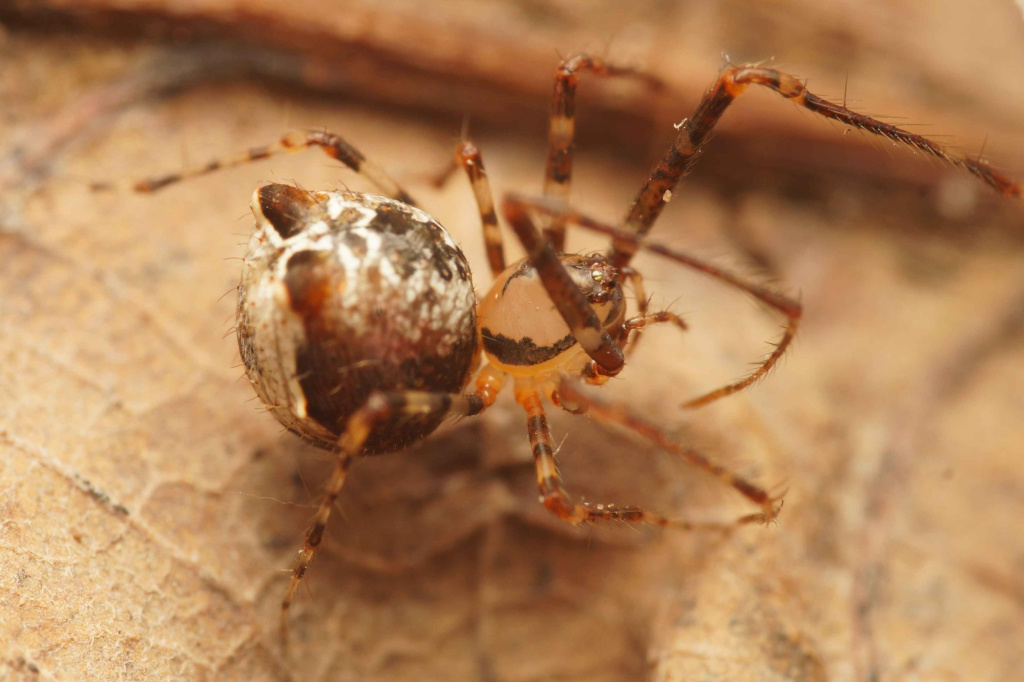
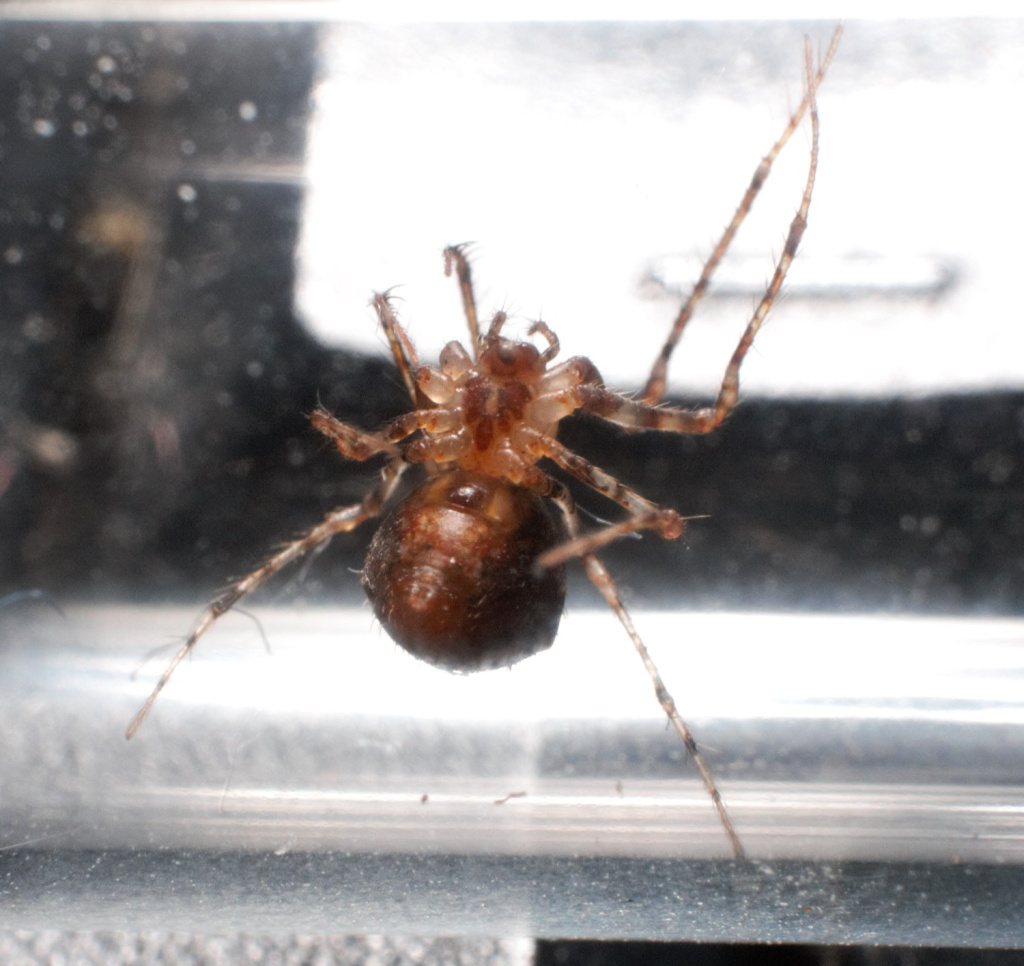
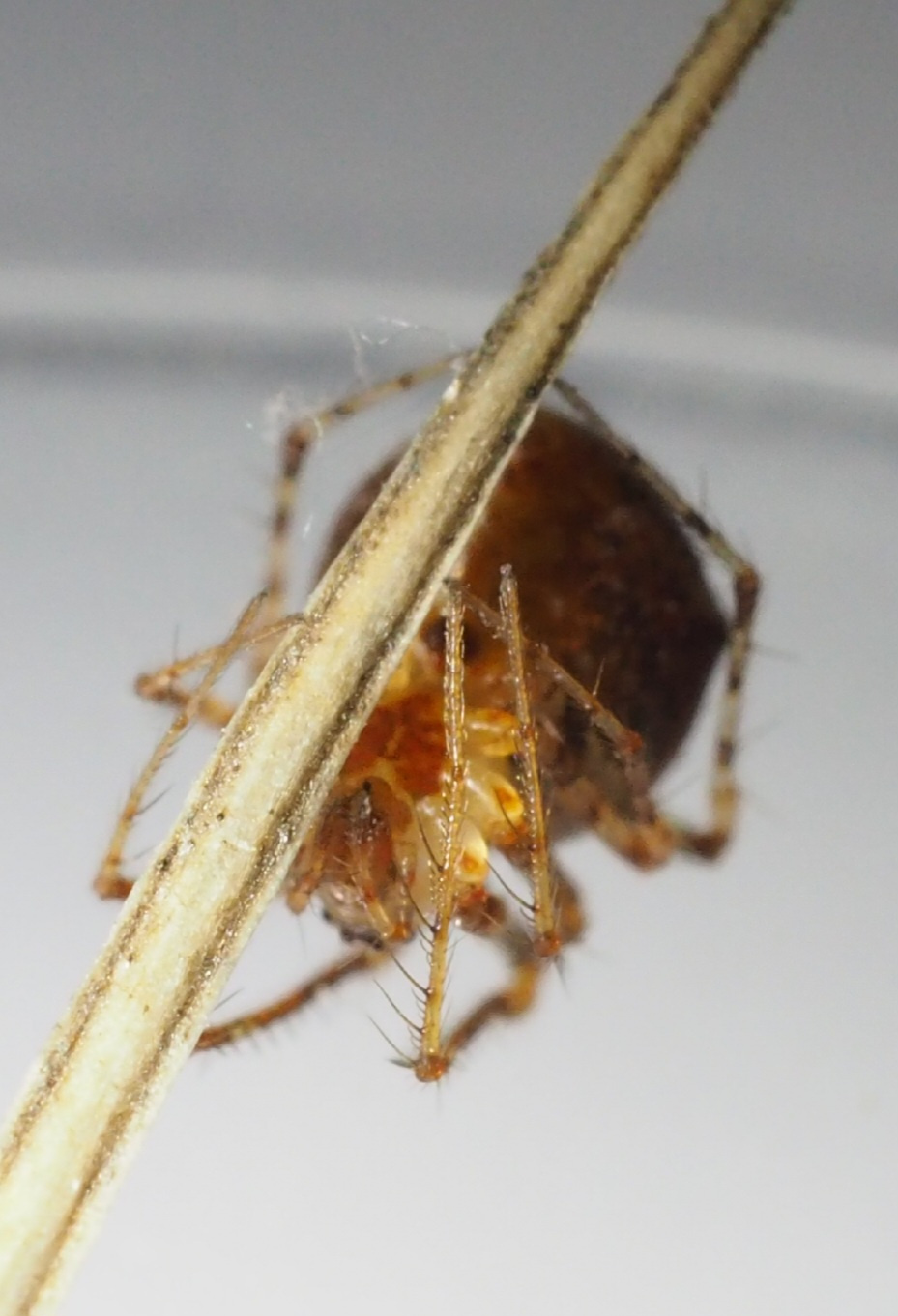
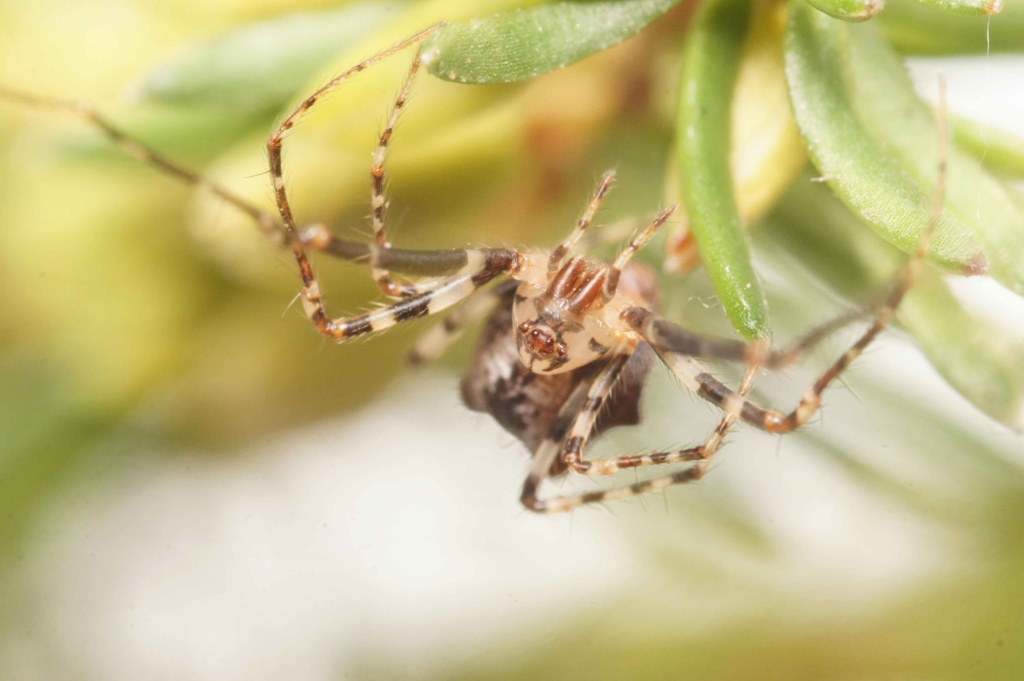
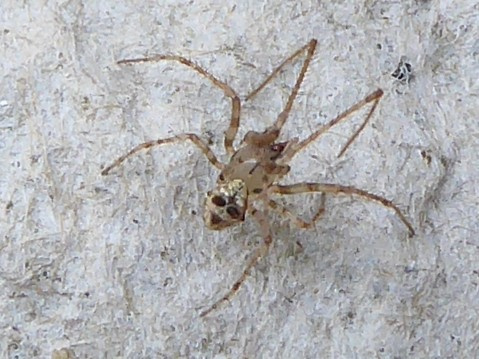
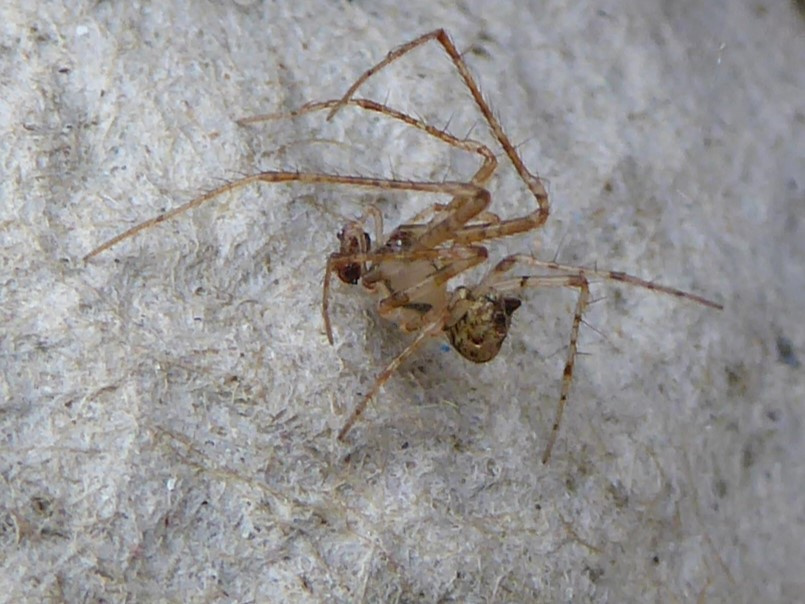
- Ero tuberculata (De Geer, 1778)
- Synonym
- Ero tuberculata (Degeer, 1778)
- Taxonomy
- Animalia :: Araneae :: Mimetidae
Distribution
The species is widespread but very locally distributed in England south-east of a line from the Severn to the Wash. It is widespread in western and central Europe as far north as Denmark, but has not been recorded from Ireland.Habitat and ecology
This pirate spider is found mainly on mature heathland on tall heather and gorse. It has also been recorded from younger stages of heathland succession as well as a number of other habitats including fens and buildings. It searches out the webs of other spiders and invades them in order to feed on the rightful occupants. Adults occur in late summer and autumn, but have been recorded until March (Merrett 1990).Status
A decline of more than 30% is suspected based on a decline in area of occupancy. Population severely fragmented.Threats
The main threats to this species arise from loss of its heathland strongholds to agriculture, forestry, housing and industrial developments (Merrett 1990).Management and conservation
Although the species appears to be heavily dependent on mature heather, rotational management is necessary to prevent scrub invasion and to maintain all seral stages of heather. Text based on Dawson, I.K., Harvey, P.R., Merrett, P. & Russell-Smith, A.R. (in prep.).Stats
- First recorded
- 2023
- Last recorded
- 2025
- Total records
- 11
- Total visits
- 11
Conservation status
Ero tuberculata
| Source | Reporting category | Designation | Date designated | Comments |
|---|---|---|---|---|
| A Review of the scarce and threatened spiders (Araneae) of Great Britain: Species Status No. 22 (Sep 2017) | Rare and scarce species | Nationally Scarce. Includes Red Listed taxa | 01/09/2017 | |
| A Review of the scarce and threatened spiders (Araneae) of Great Britain: Species Status No. 22 (Sep 2017) | Red listing based on 2001 IUCN guidelines | Least concern | 01/09/2017 | A mature heathland species that would qualify as VU on the basis of the scale of decline but under-recording of the southern heathlands in recent years is believed to have inflated the rate of decline. Threats: The main threats to this species arise from loss of its heathland strongholds to agriculture, forestry, housing and industrial developments (Merrett 1990). |
Photos and media














Spatial distribution - hectad map
Click on one of the date ranges in the key to highlight that particular range. Click anywhere else on the map to go back to all three date ranges.
Thresholds:
Move mouse cursor over dot for info
Rejected records are excluded from this map. Unverified records are included.
Temporal distribution - records by year
Records that span more than one year are not included in this chart.
Temporal distribution - records by week
__