
Species Details
- Species name
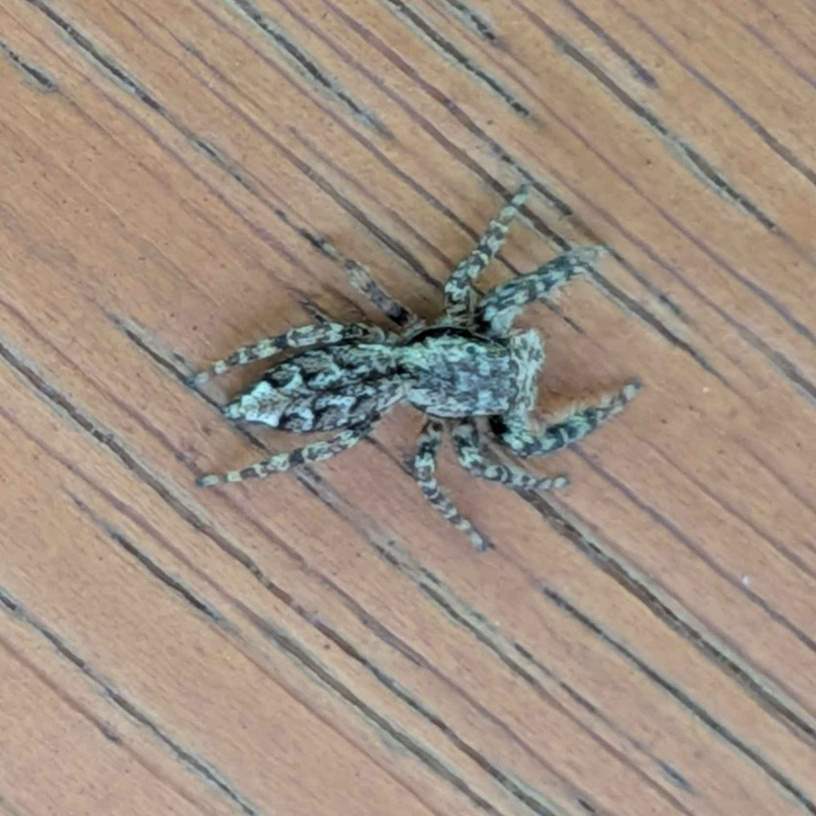
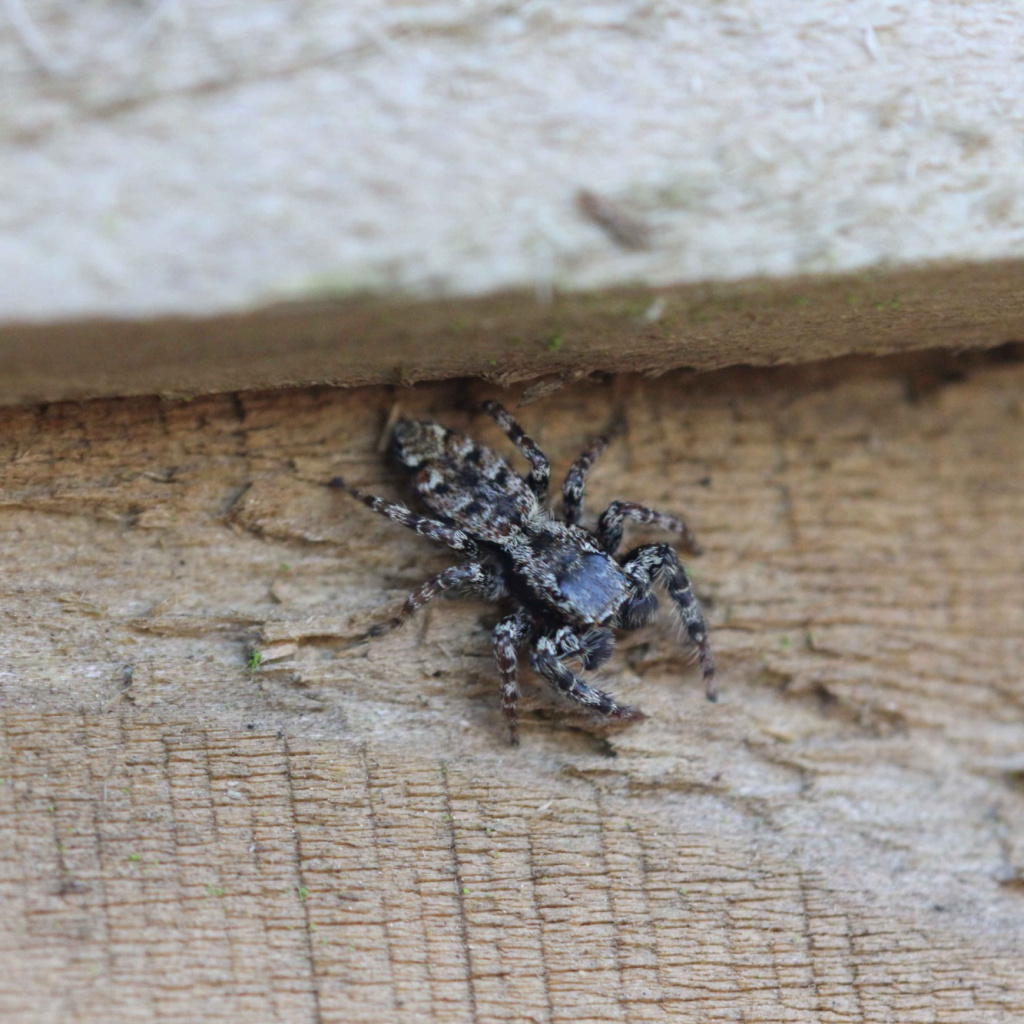
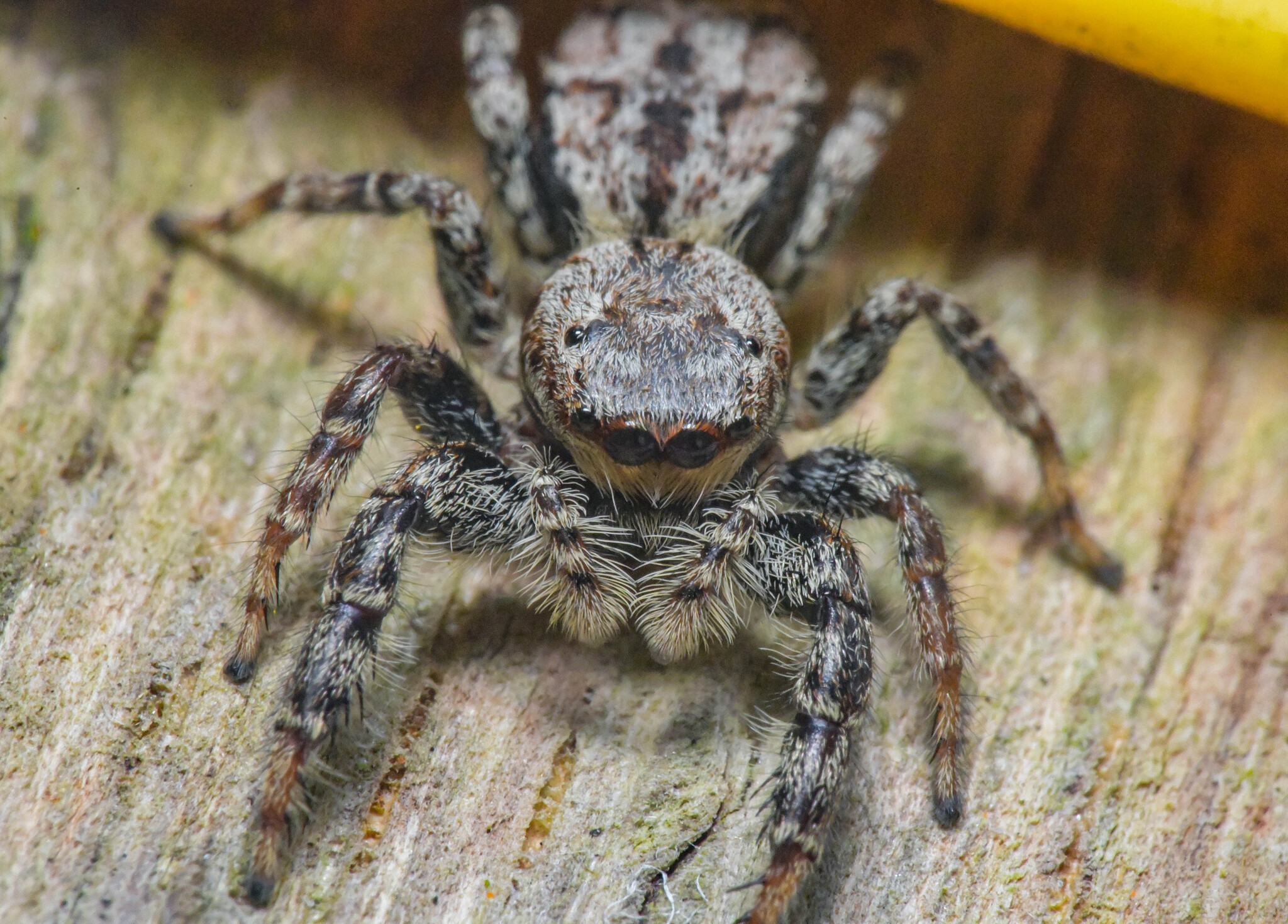
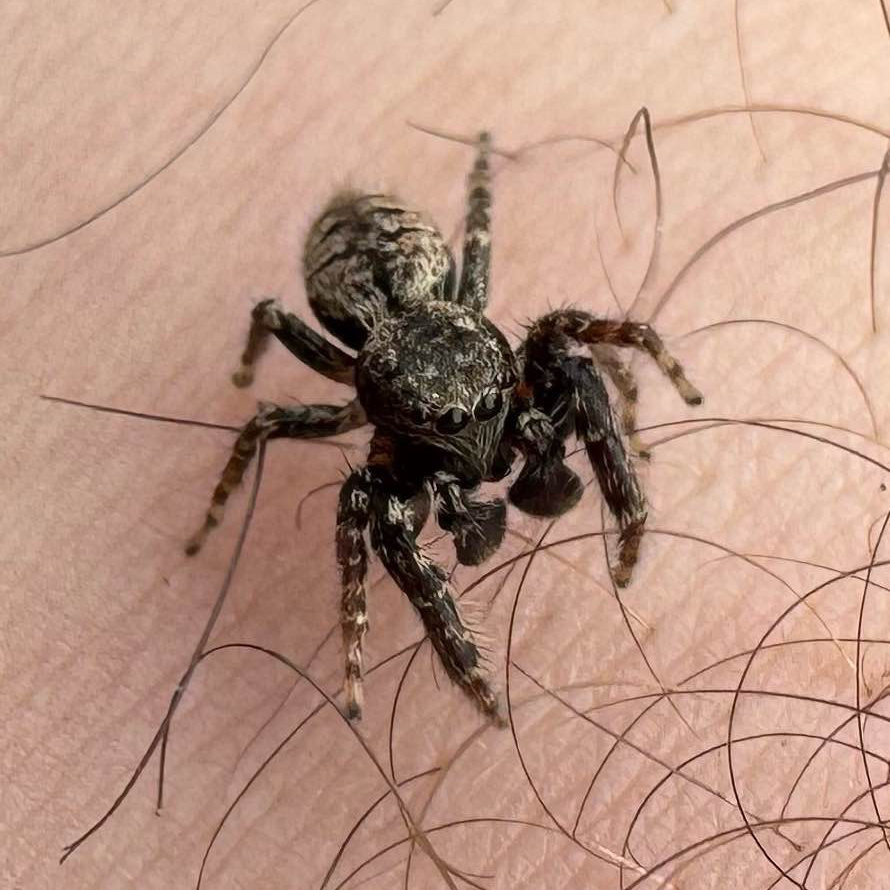
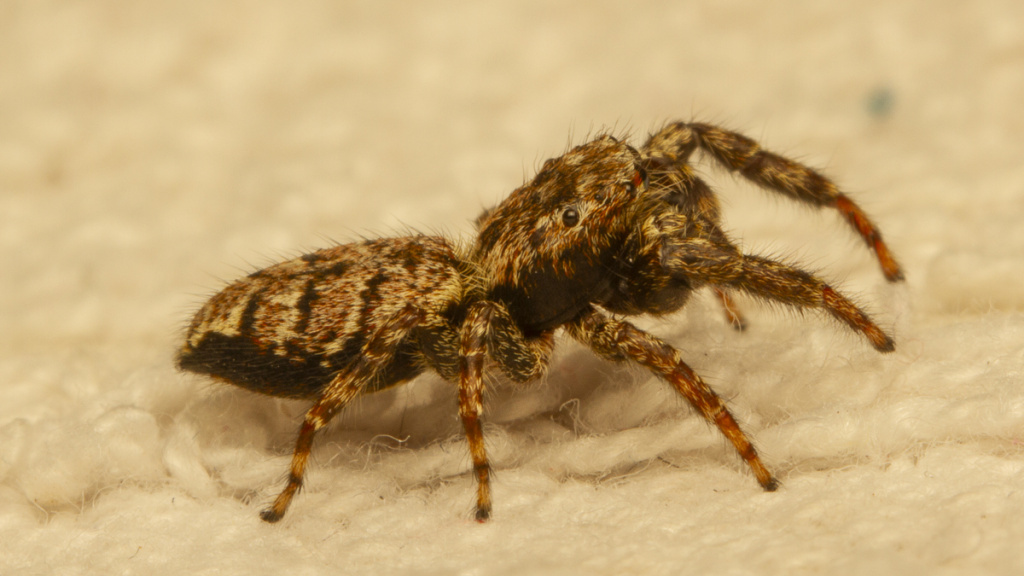
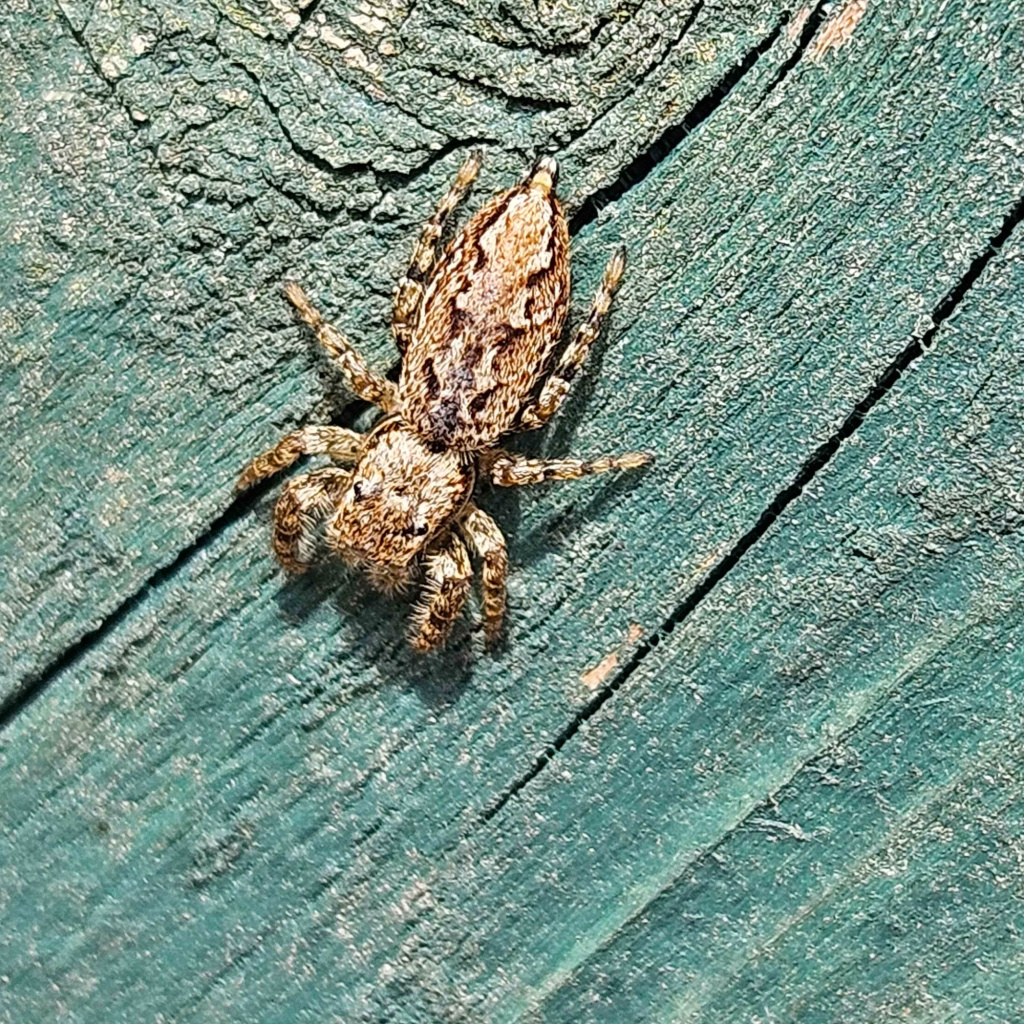
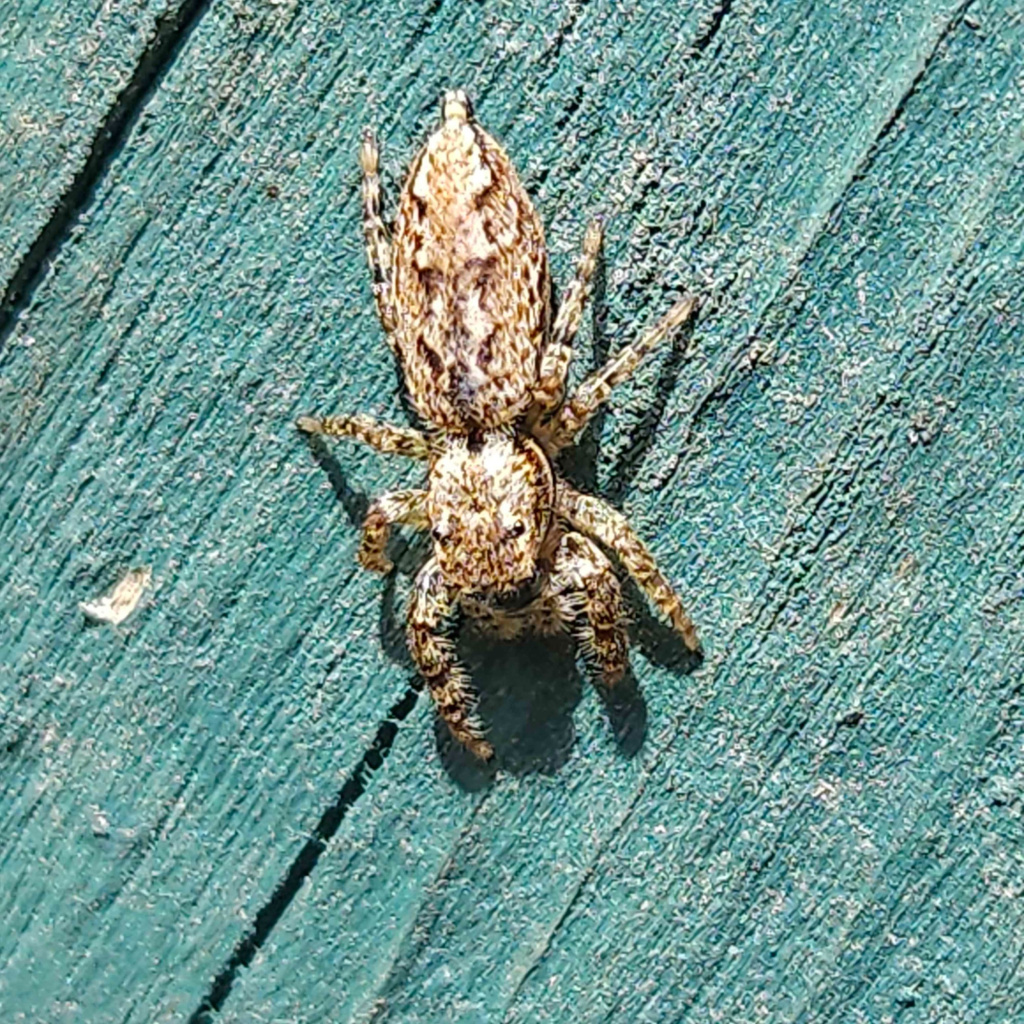
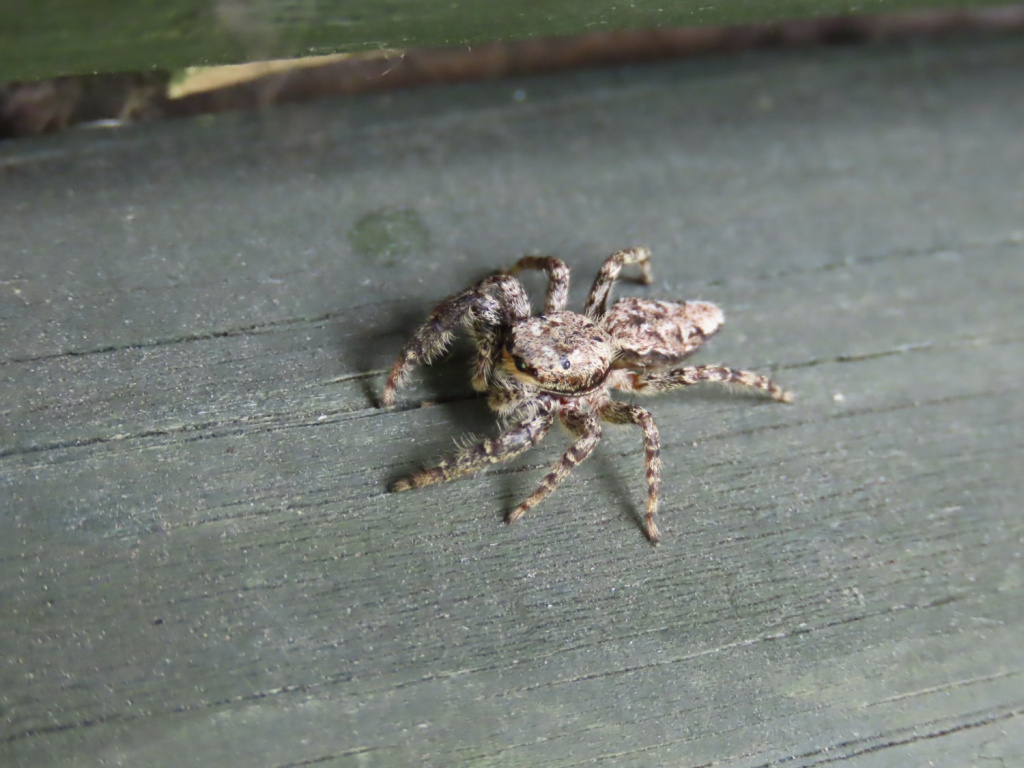
- Marpissa muscosa (Clerck, 1757)
- Synonyms
- Marpissa muscosus Blackwall, Marpissa rumpfi (Scopoli, 1763), Marpissa tardigradus
- Taxonomy
- Animalia :: Araneae :: Salticidae
- arboreal
- decaying wood
Distribution
The species is widespread in south-eastern England, with a few scattered records further west and north. It is widespread in north-western and central Europe, but has not been recorded from Ireland.Habitat and ecology
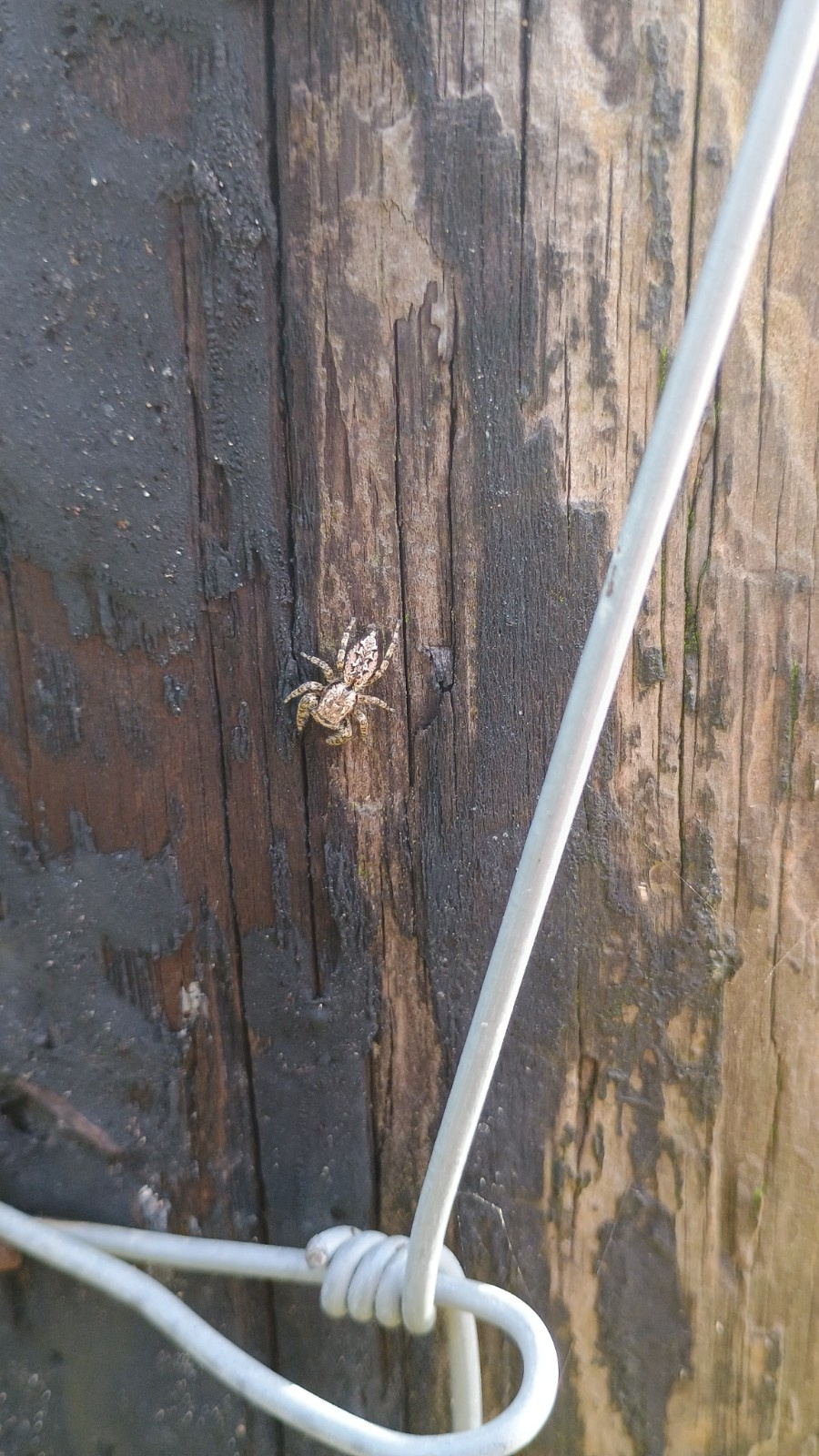
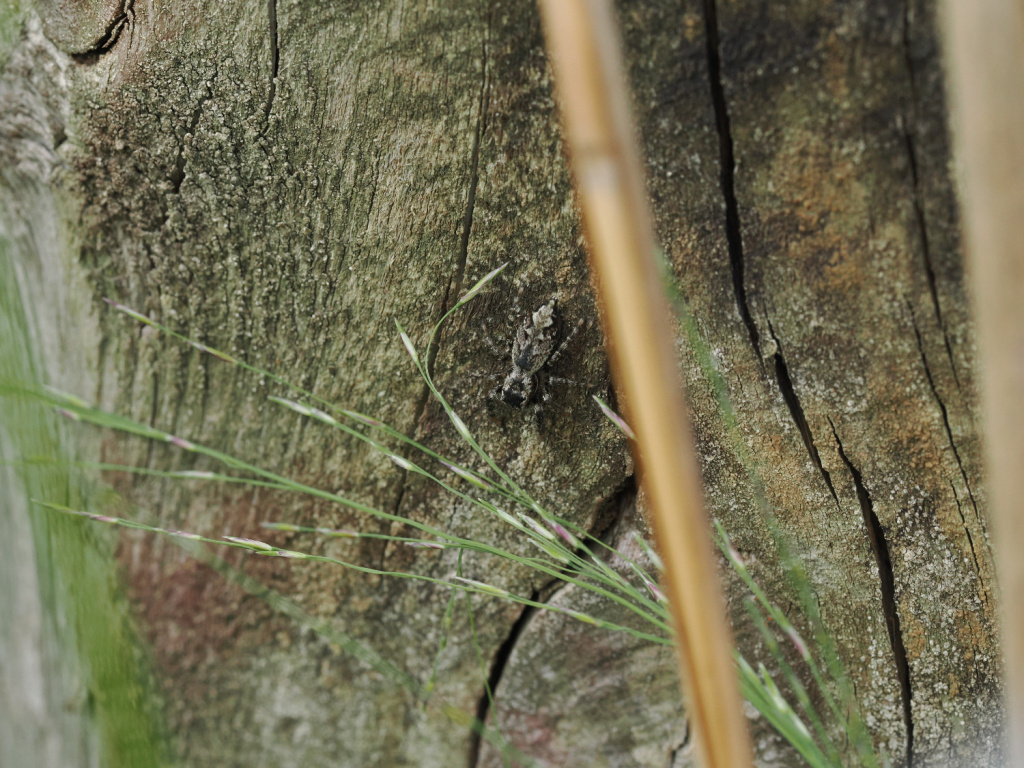
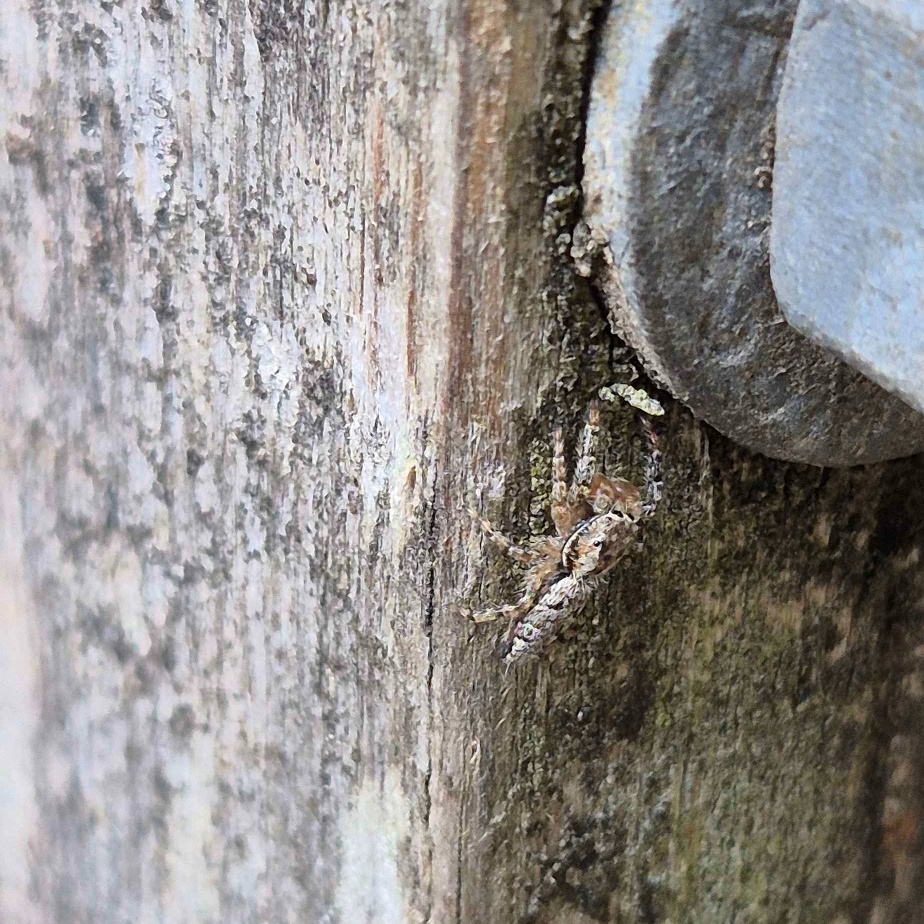
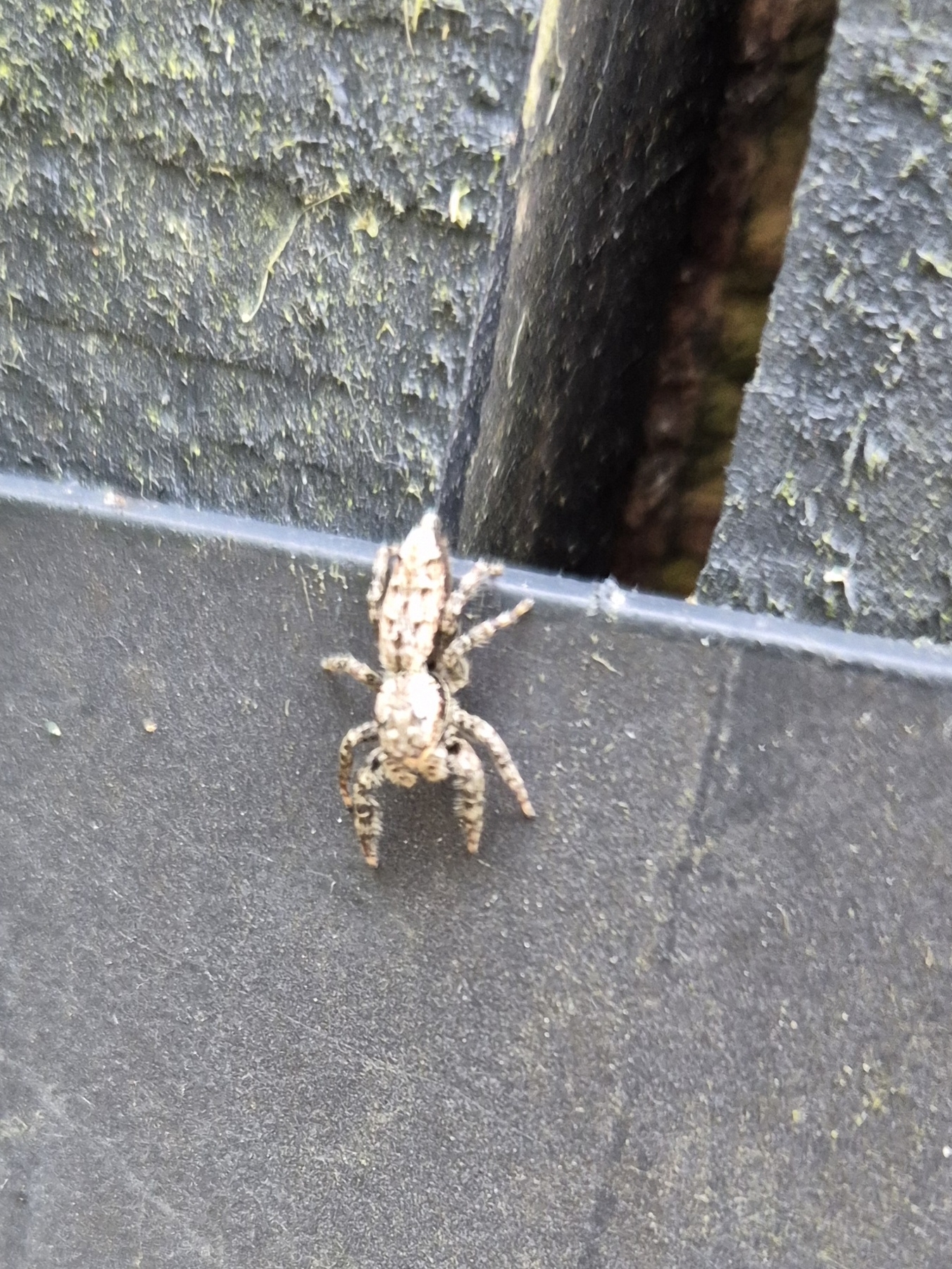
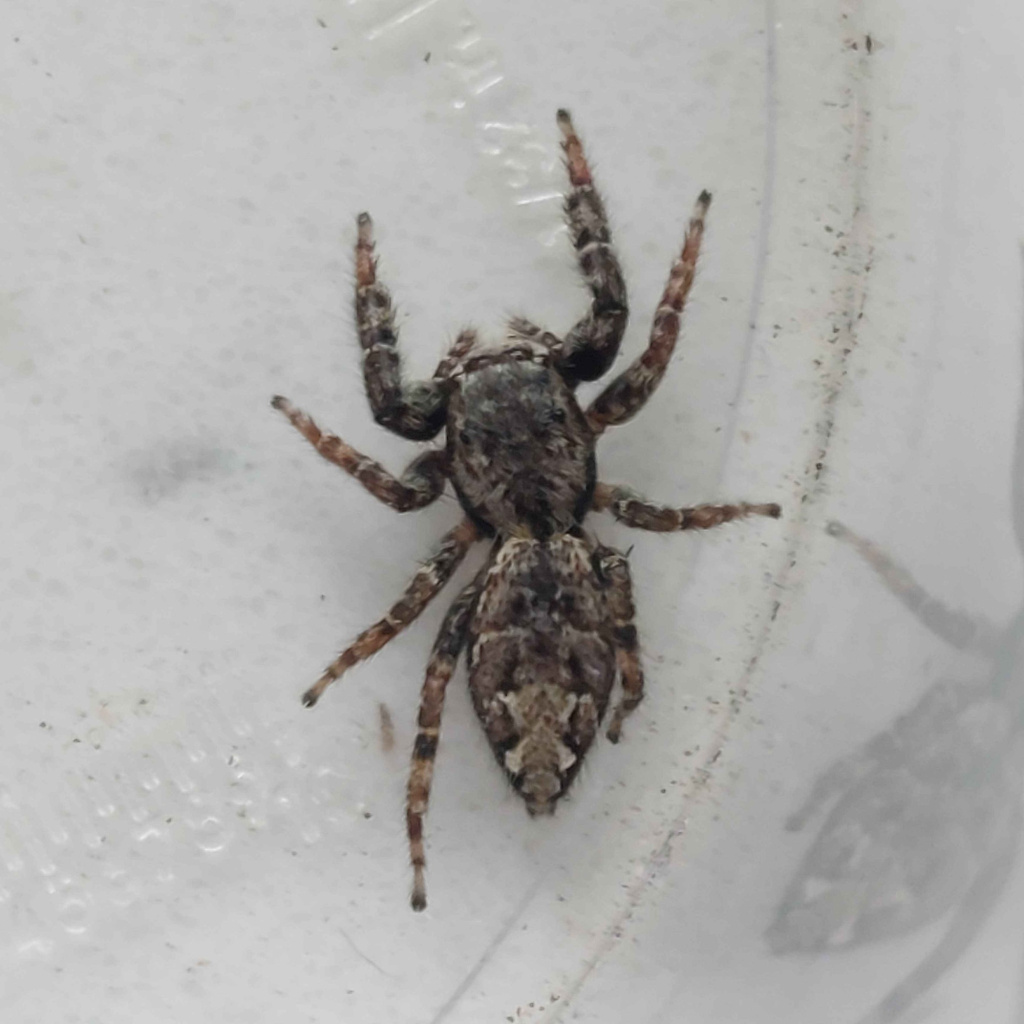
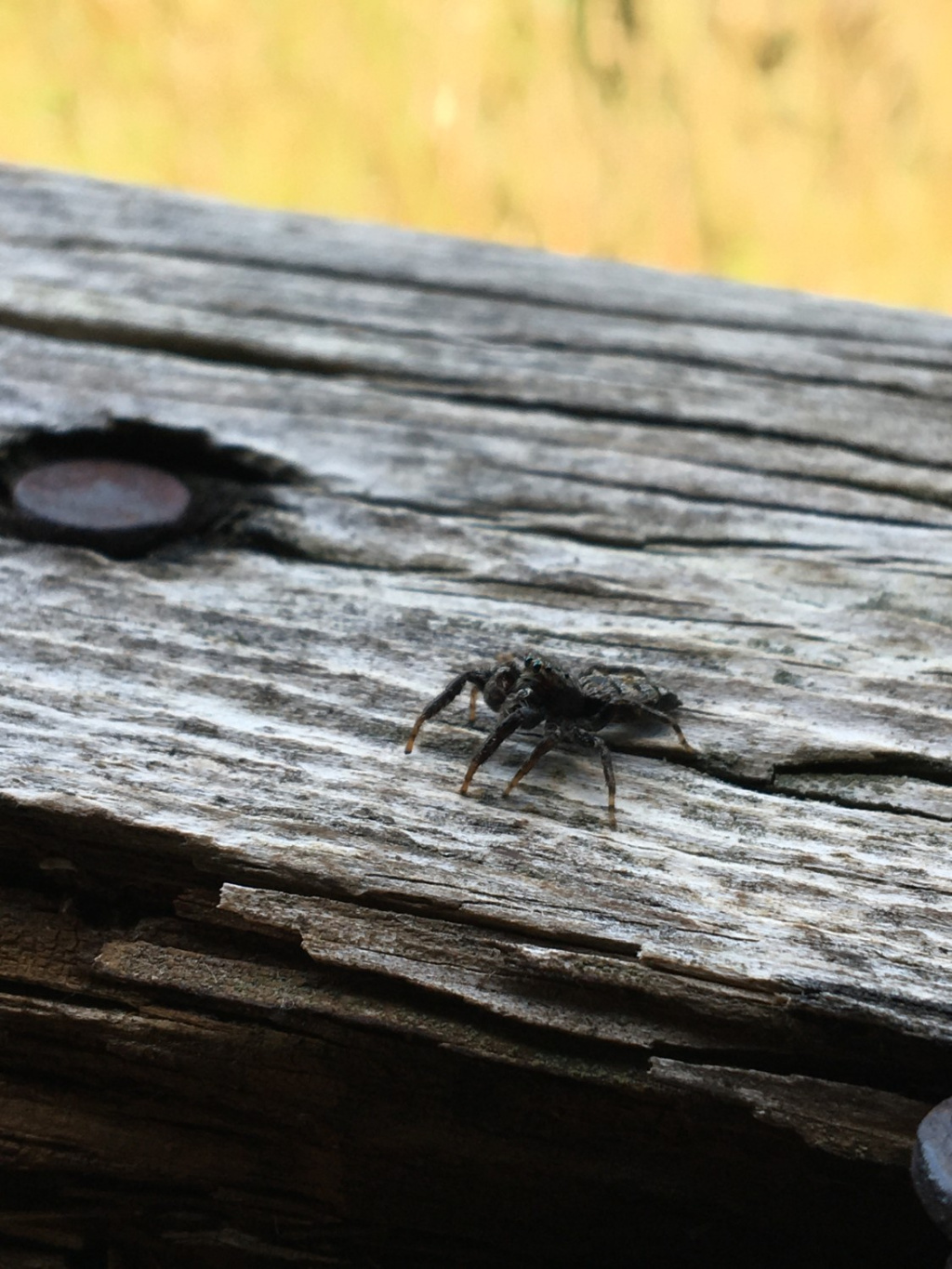
The spider occurs mostly under loose bark on trees, on paling fences, posts, hop poles, etc, but in south-east Dorset it is common under flat stones on the tops of dry-stone walls. Adults of both sexes are found from April to September, and females possibly most of the year.Status
The species is common on dry-stone walls in south-east Dorset and frequent in some areas in the south-east of England. Elsewhere it is local and generally rather uncommonThreats
The loss of dry-stone walls through disrepair and loss of continuity in the availability of old paling fences and old trees with suitable bark. The possible invasion of its dry-stone wall habitat by Steatoda nobilis could have a severe effect on population levels.Management and conservation
Maintain networks of old dry stone walls and ensure a continuity of suitable fence and tree bark habitats. Text based on Dawson, I.K., Harvey, P.R., Merrett, P. & Russell-Smith, A.R. (in prep.).Stats
- First recorded
- 1820
- Last recorded
- 2025
- Total records
- 800
- Total visits
- 790
Conservation status
Marpissa muscosa
| Source | Reporting category | Designation | Date designated | Comments |
|---|---|---|---|---|
| A Review of the scarce and threatened spiders (Araneae) of Great Britain: Species Status No. 22 (Sep 2017) | Rare and scarce species | Nationally Scarce. Includes Red Listed taxa | 01/09/2017 | |
| A Review of the scarce and threatened spiders (Araneae) of Great Britain: Species Status No. 22 (Sep 2017) | Red listing based on 2001 IUCN guidelines | Least concern | 01/09/2017 | Threats: The loss of dry-stone walls through disrepair and loss of continuity in the availability of old paling fences and old trees with suitable bark. The possible invasion of its dry-stone wall habitat by Steatoda nobilis could have a severe effect on population levels. |
Photos and media



Spatial distribution - hectad map
Click on one of the date ranges in the key to highlight that particular range. Click anywhere else on the map to go back to all three date ranges.
Thresholds:
Move mouse cursor over dot for info
Rejected records are excluded from this map. Unverified records are included.
Temporal distribution - records by year
Records that span more than one year are not included in this chart.
Temporal distribution - records by week
__