
Species Details
- Species name
- Marpissa radiata (Grube, 1859)
- Synonyms
- Marpissa blackwalli Blackwall, Marpissa pomatia sensu Bristowe, 1939 non Walckenaer, Marpissa pomatia sensu auct. Brit.
- Taxonomy
- Animalia :: Araneae :: Salticidae
- acid & sedge peats
Distribution
Although this species is almost confined to the fenland areas of Norfolk, Suffolk and Cambridgeshire, it has also been recorded from Shapwick Heath (Somerset), marshes east of Swansea (West Glamorgan) and there is an old record from Dorset. In Europe it is widespread but rather local in wet habitats generally, rather than being confined to fens.Habitat and ecology
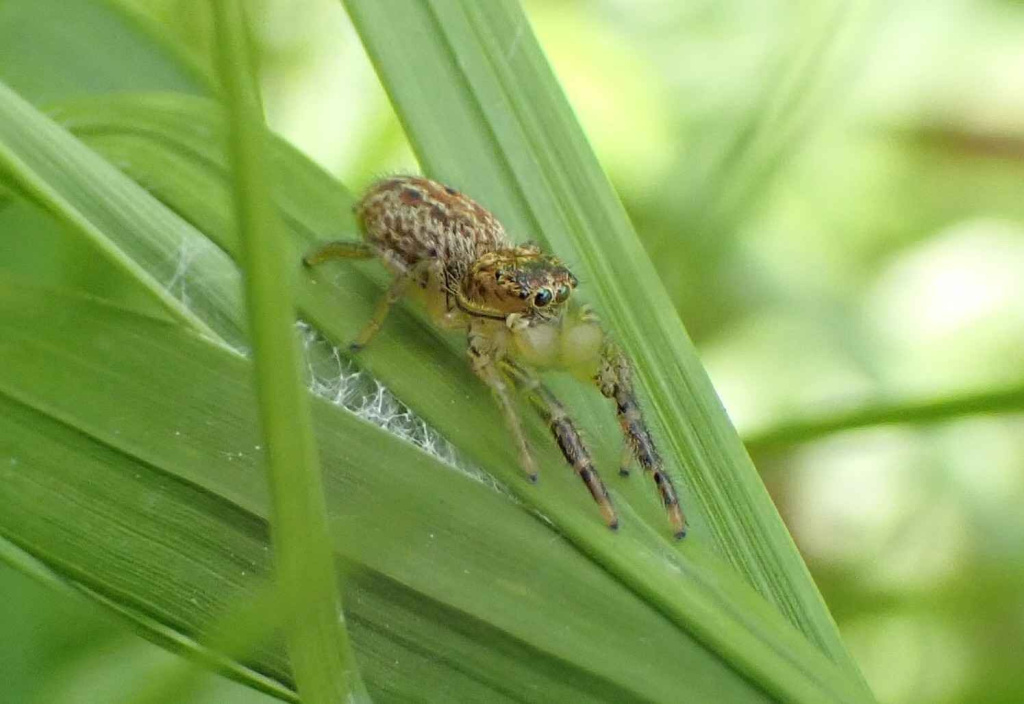
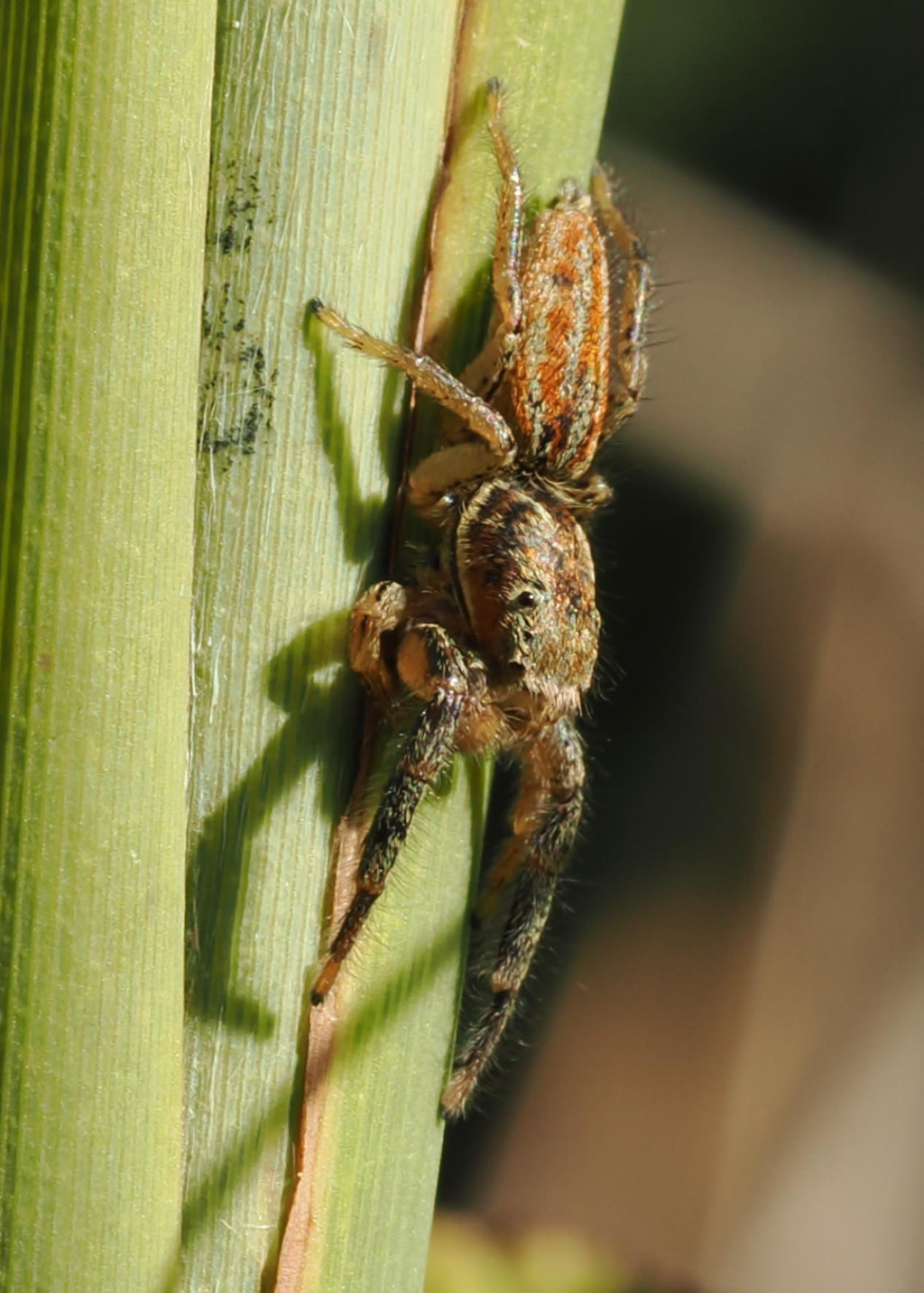
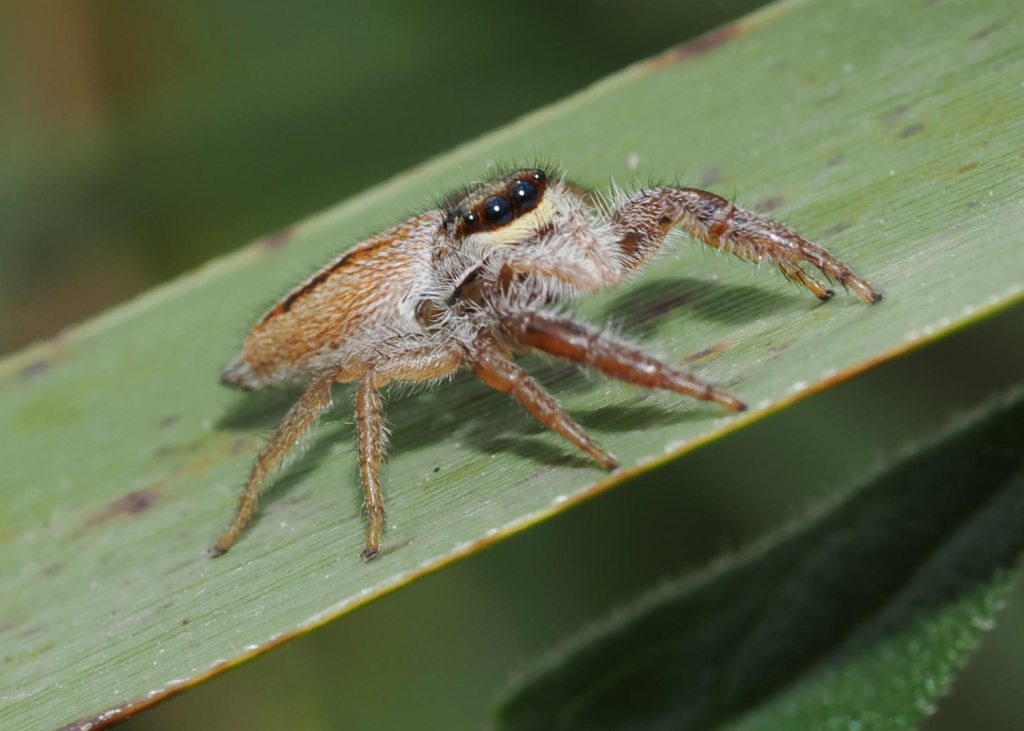
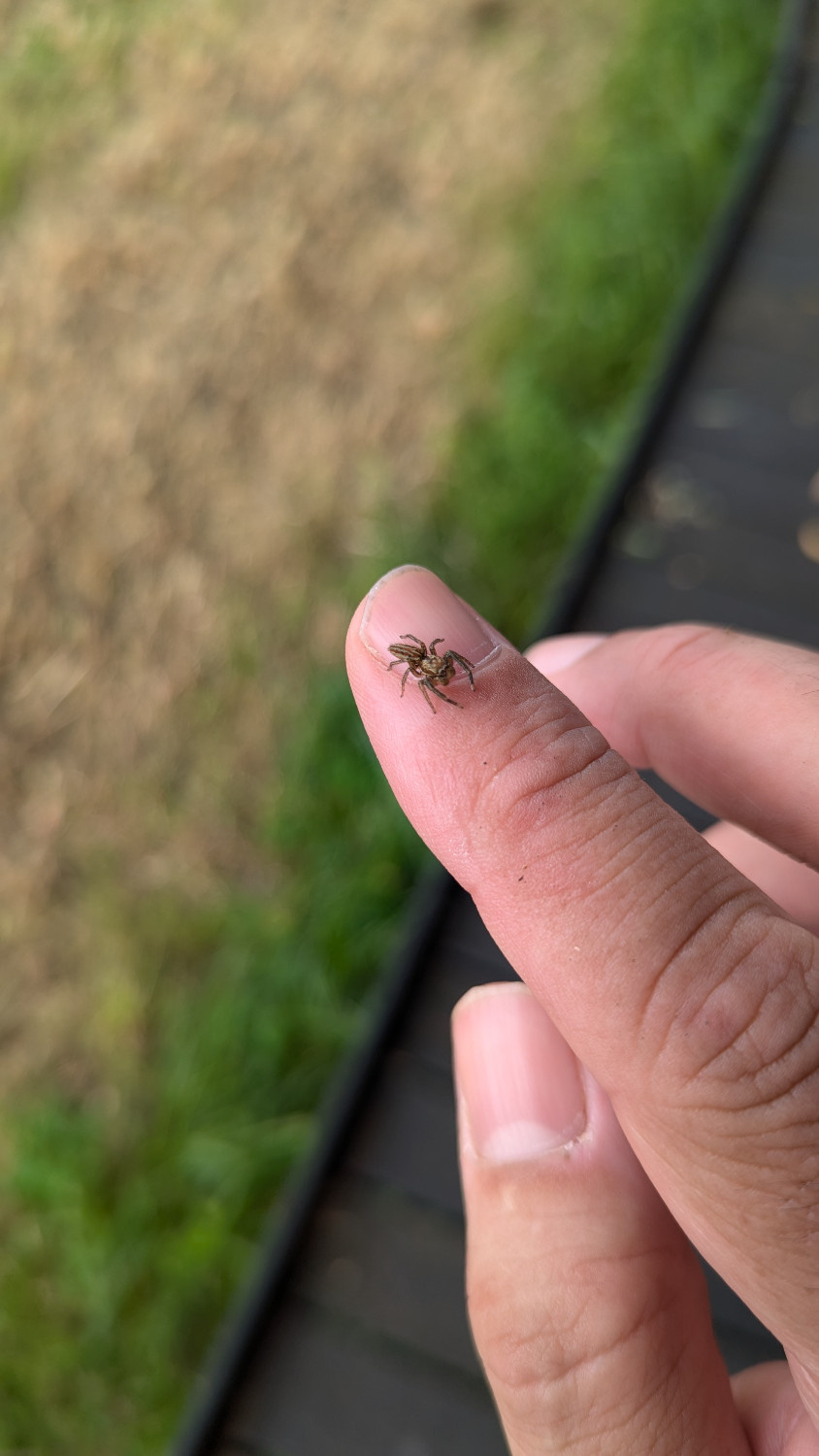
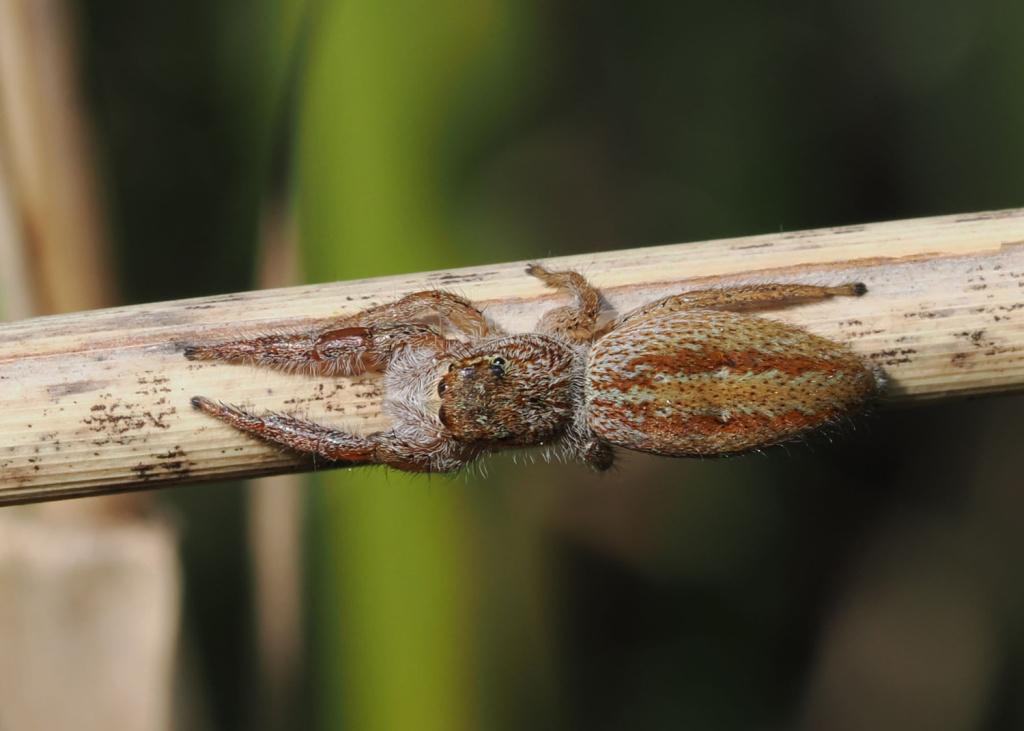
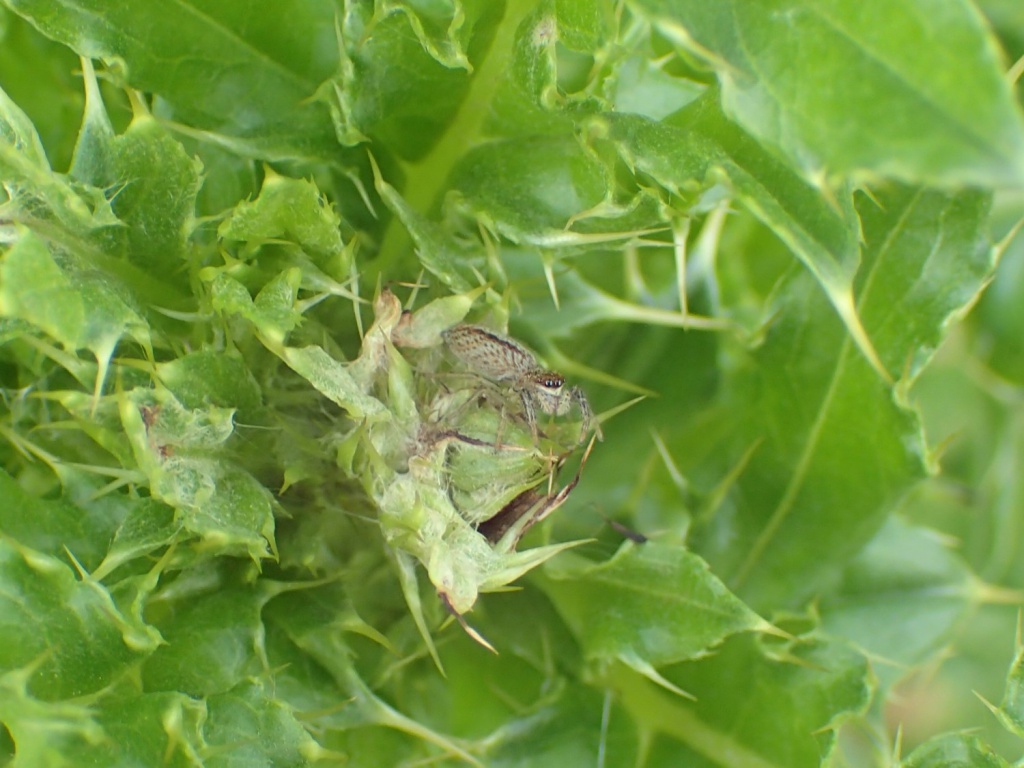
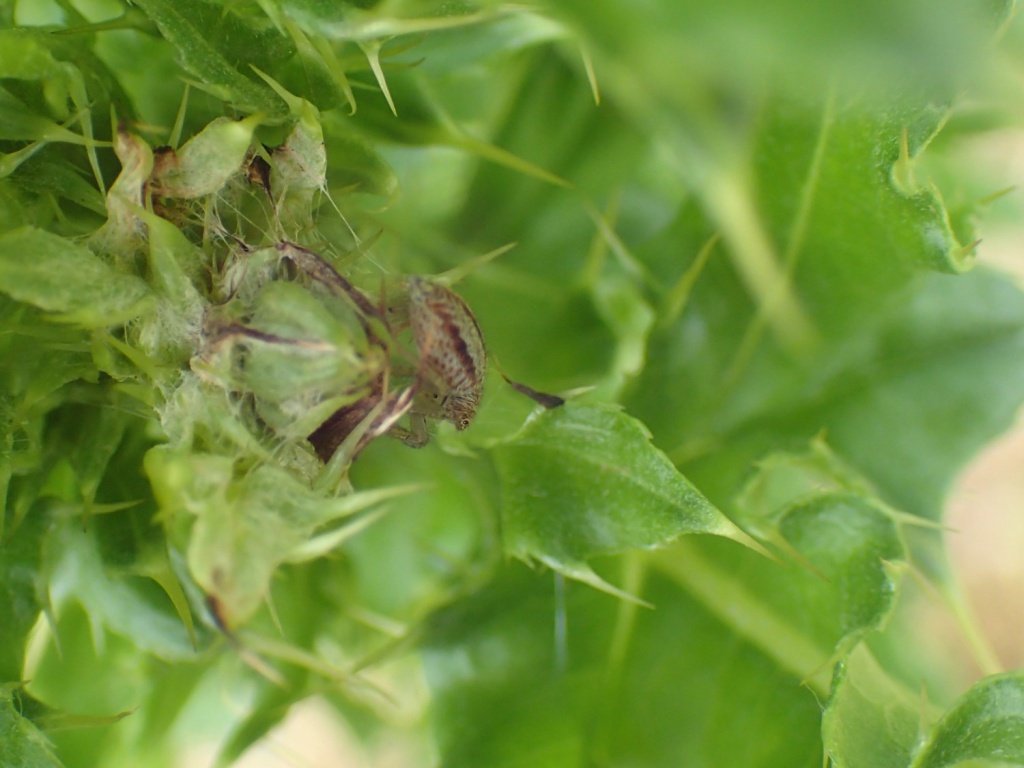
Generally a species which is found in open fens, where females spin a cocoon in heads of Phragmites. It is also found among lower vegetation. Adults are most abundant in May and June, but a female has been collected from litter at Chippenham Fen in October (D. Carr, pers. comm.).Status
Marpissa radiata is widespread and may be fairly common in some of the fens of East Anglia, but is apparently absent from areas that seem suitable.Threats
The most significant threat is loss of open fens through drainage, the detrimental effect of lower water tables across large areas of East Anglia or invasion of scrub vegetation. A high proportion of the sites where this spider has been recorded are relict fen sites, with a long continuity of habitat. As with ancient forest, once lost or severely degraded there is no quick and easy means of restoration (Bob Merritt, pers. comm.).Management and conservation
Management should maintain open Phragmites beds by controlling scrub growth and maintenance of a surface water table are necessary. Traditional reed-bed management should be encouraged where possible. Text based on Dawson, I.K., Harvey, P.R., Merrett, P. & Russell-Smith, A.R. (in prep.).Stats
- First recorded
- 1900
- Last recorded
- 2025
- Total records
- 228
- Total visits
- 215
Conservation status
Marpissa radiata
| Source | Reporting category | Designation | Date designated | Comments |
|---|---|---|---|---|
| A Review of the scarce and threatened spiders (Araneae) of Great Britain: Species Status No. 22 (Sep 2017) | Rare and scarce species | Nationally Rare. Includes Red Listed taxa | 01/09/2017 | |
| A Review of the scarce and threatened spiders (Araneae) of Great Britain: Species Status No. 22 (Sep 2017) | Red listing based on 2001 IUCN guidelines | Vulnerable | 01/09/2017 | May be under-recorded but its association with relict fens and a long continuity of habitat makes this species vulnerable to loss of open fen habitat through, lowering of water tables and scrub invasion. Threats: The most significant threat is loss of open fens through drainage, the detrimental effect of lower water tables across large areas of East Anglia or invasion of scrub vegetation. A high proportion of the sites where this spider has been recorded are relict fen sites, with a long continuity of habitat. As with ancient forest, once lost or severely degraded there is no quick and easy means of restoration (Bob Merritt, pers. comm.). |
Photos and media
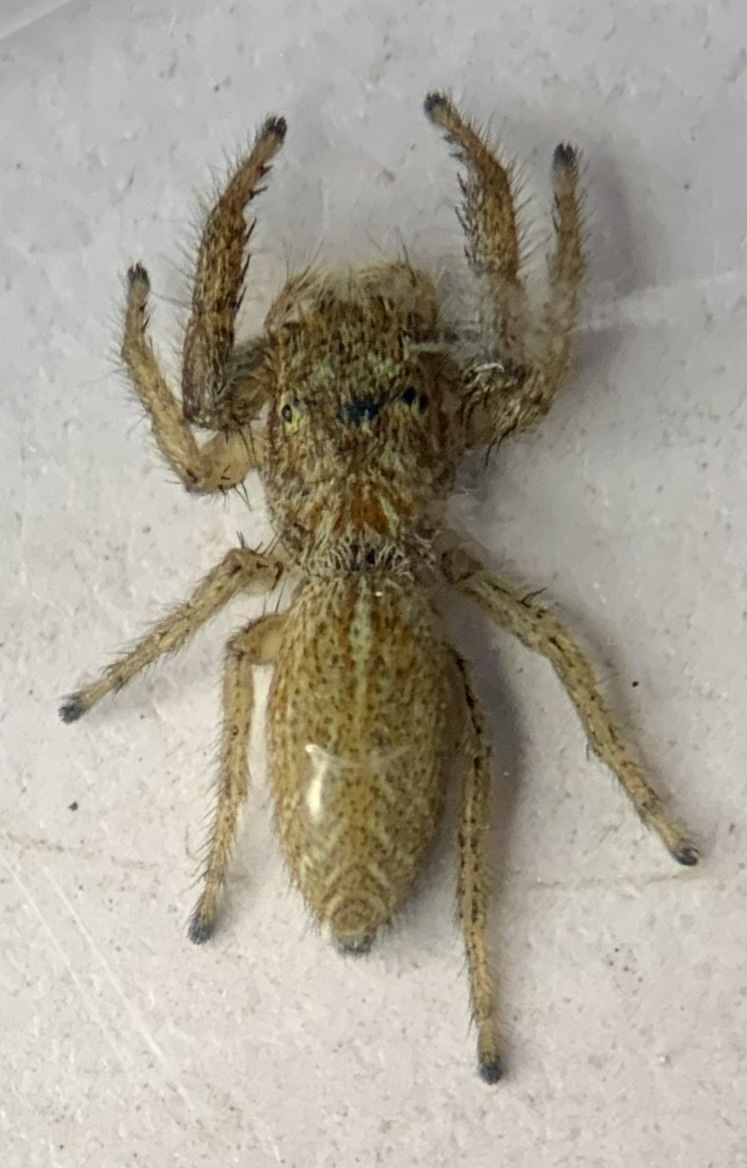
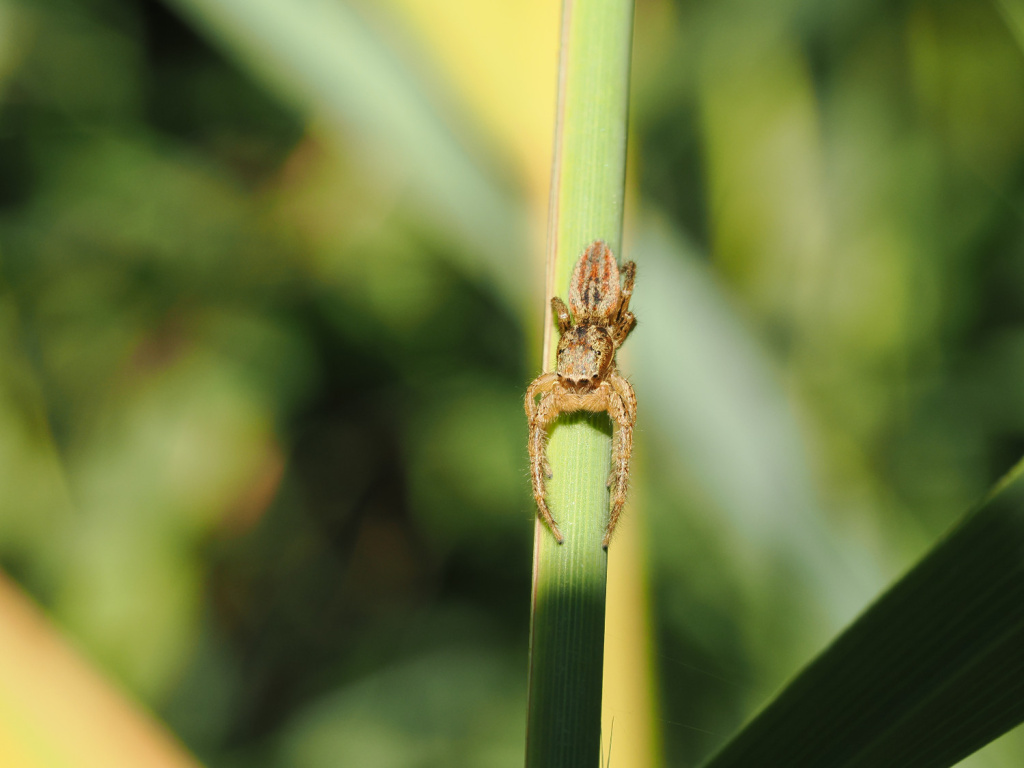
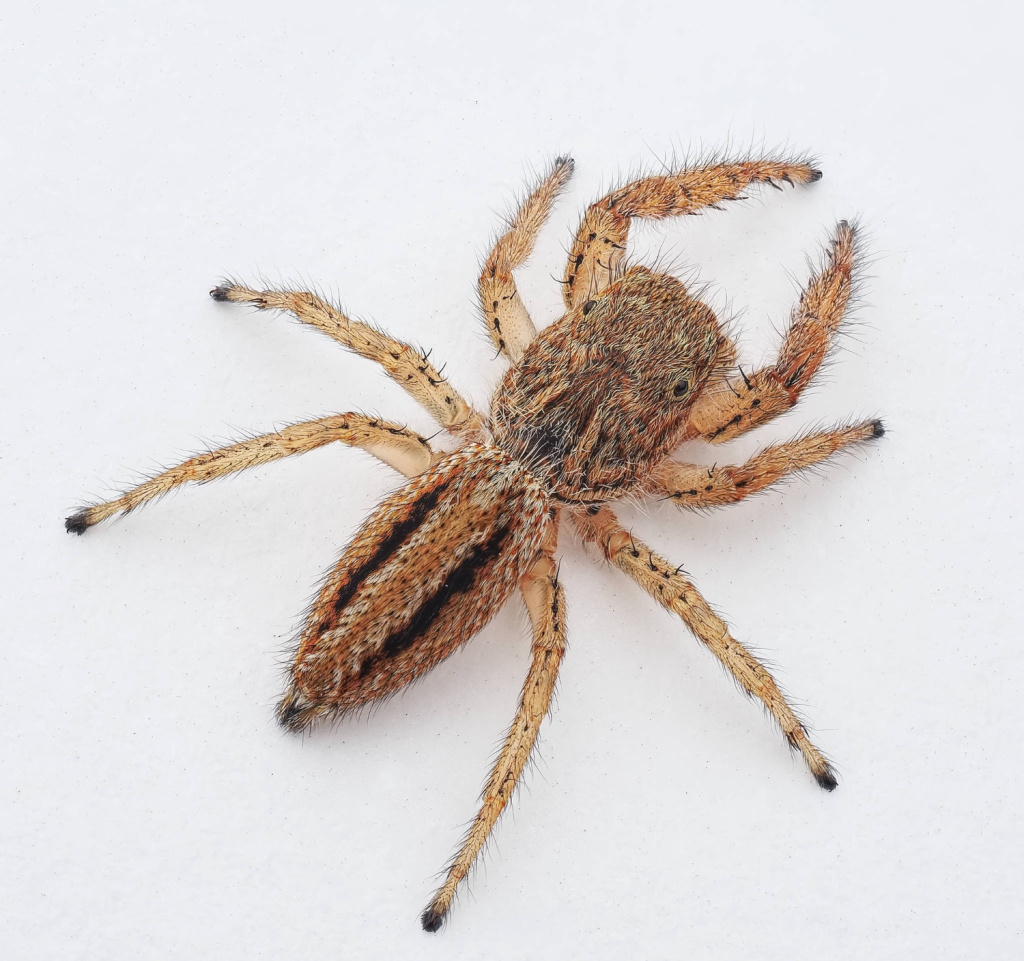
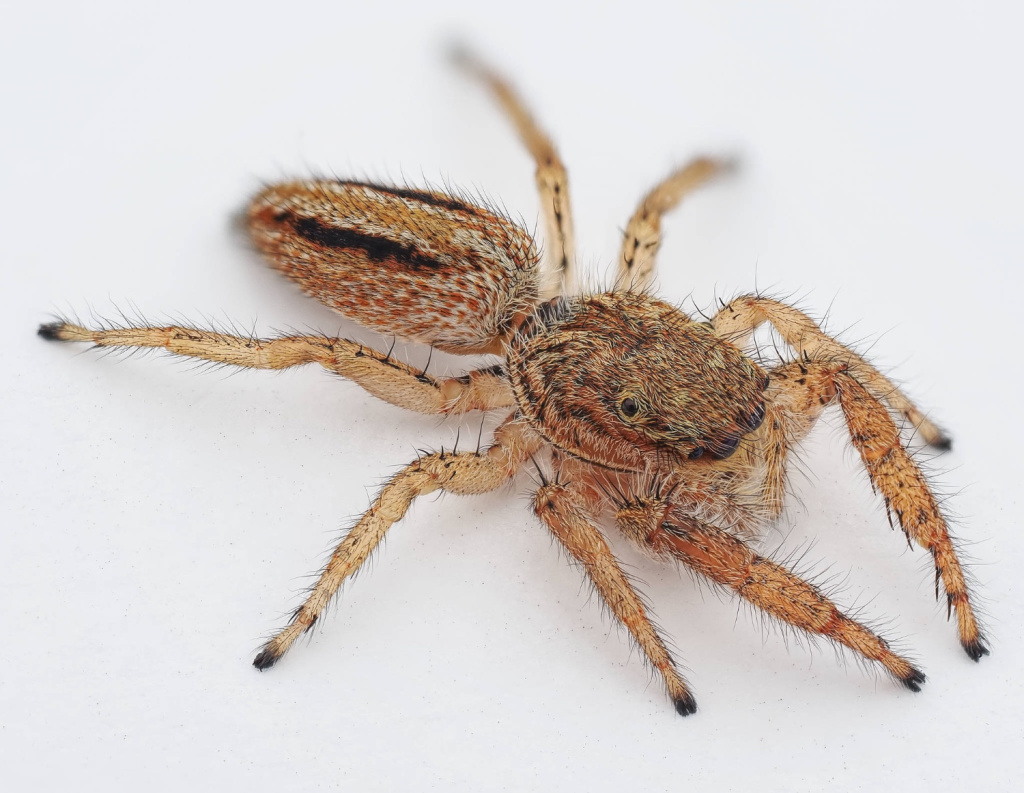
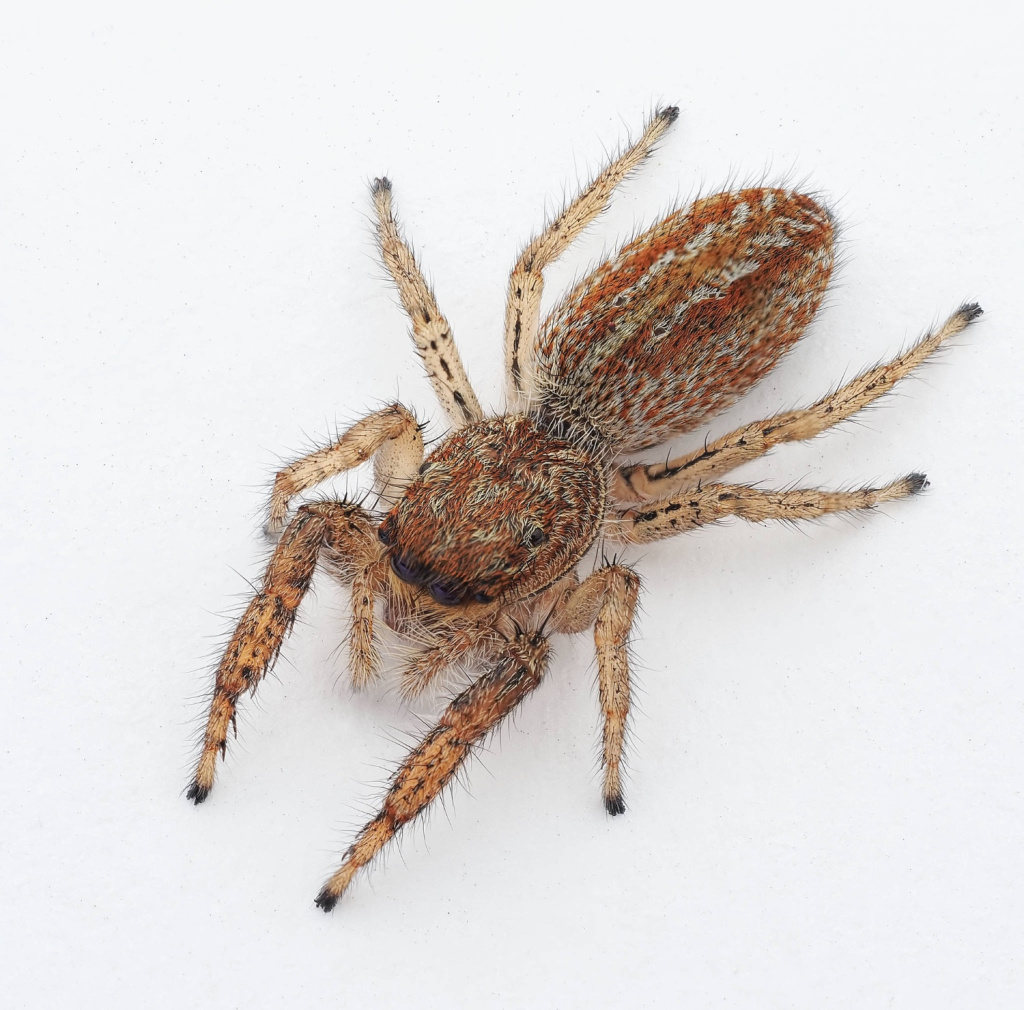
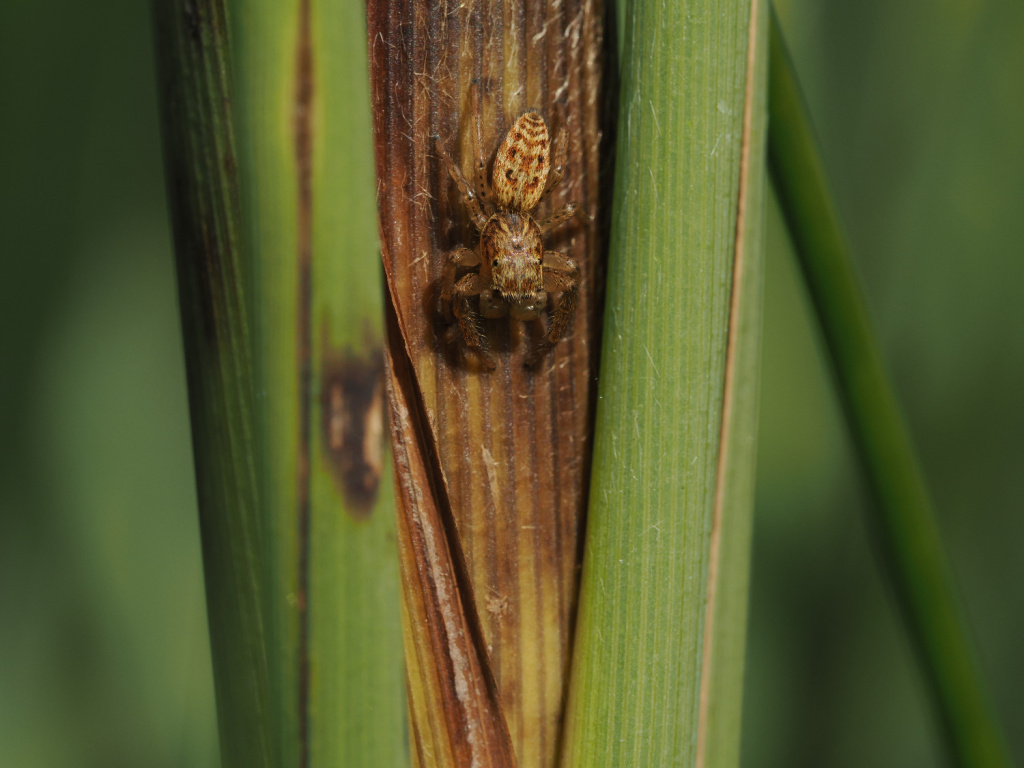
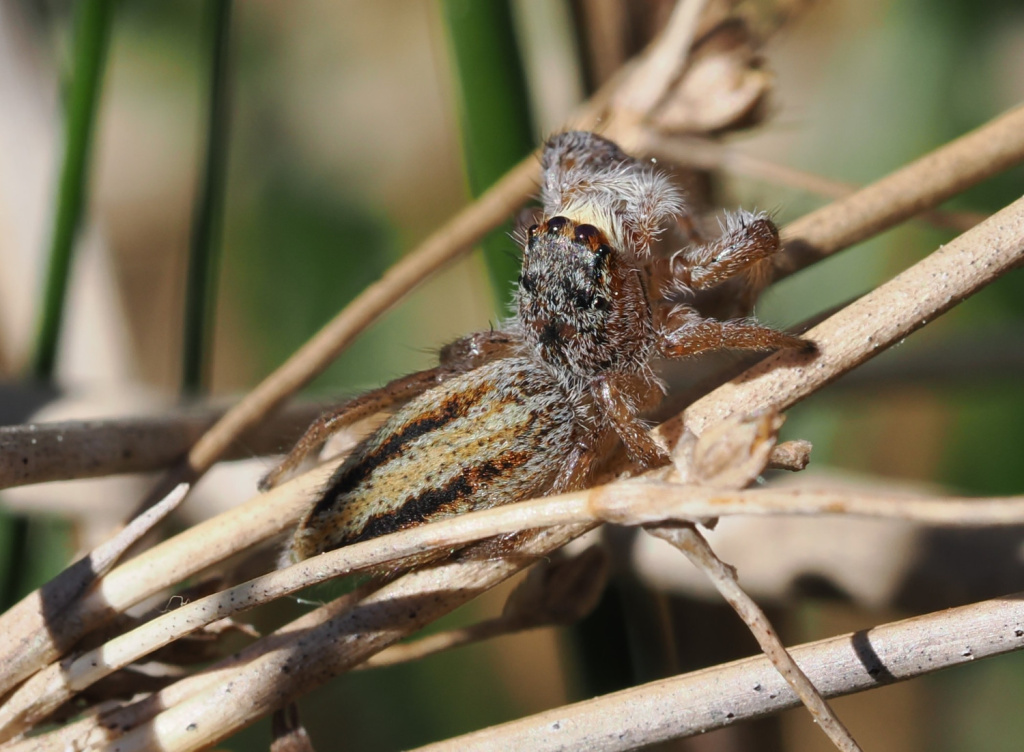
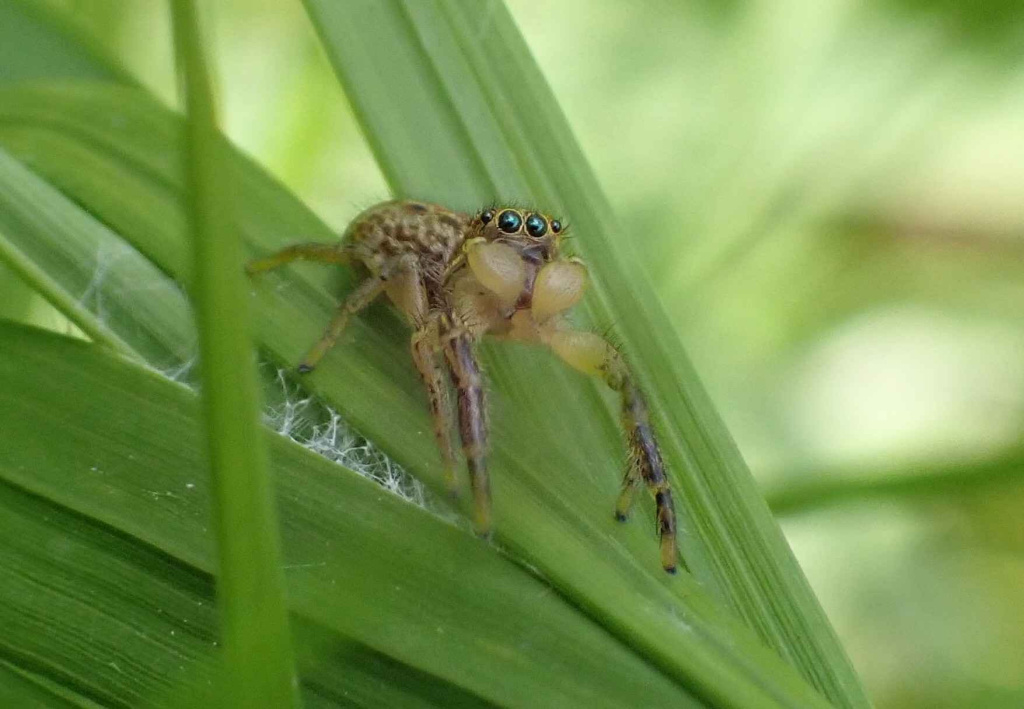
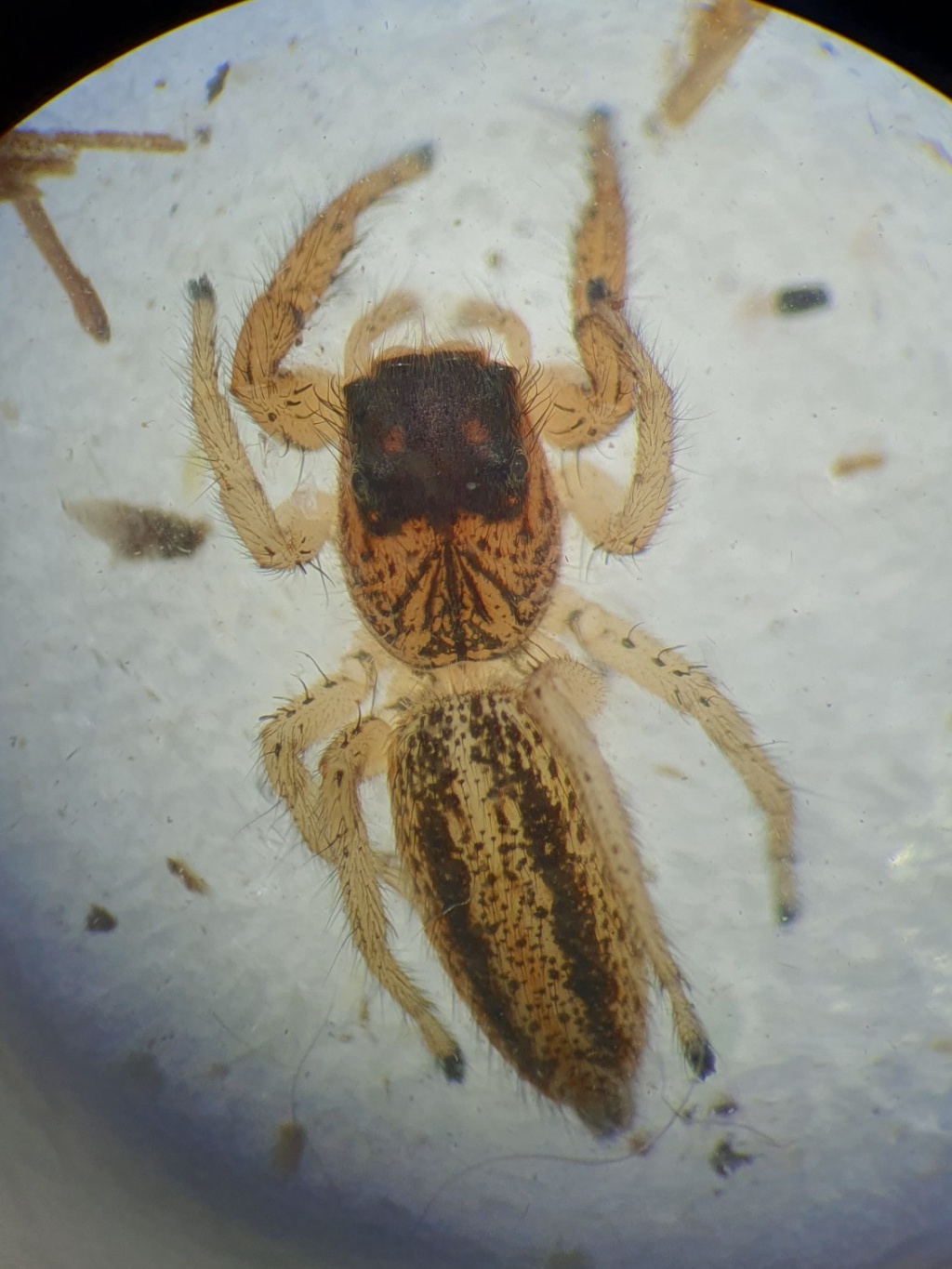
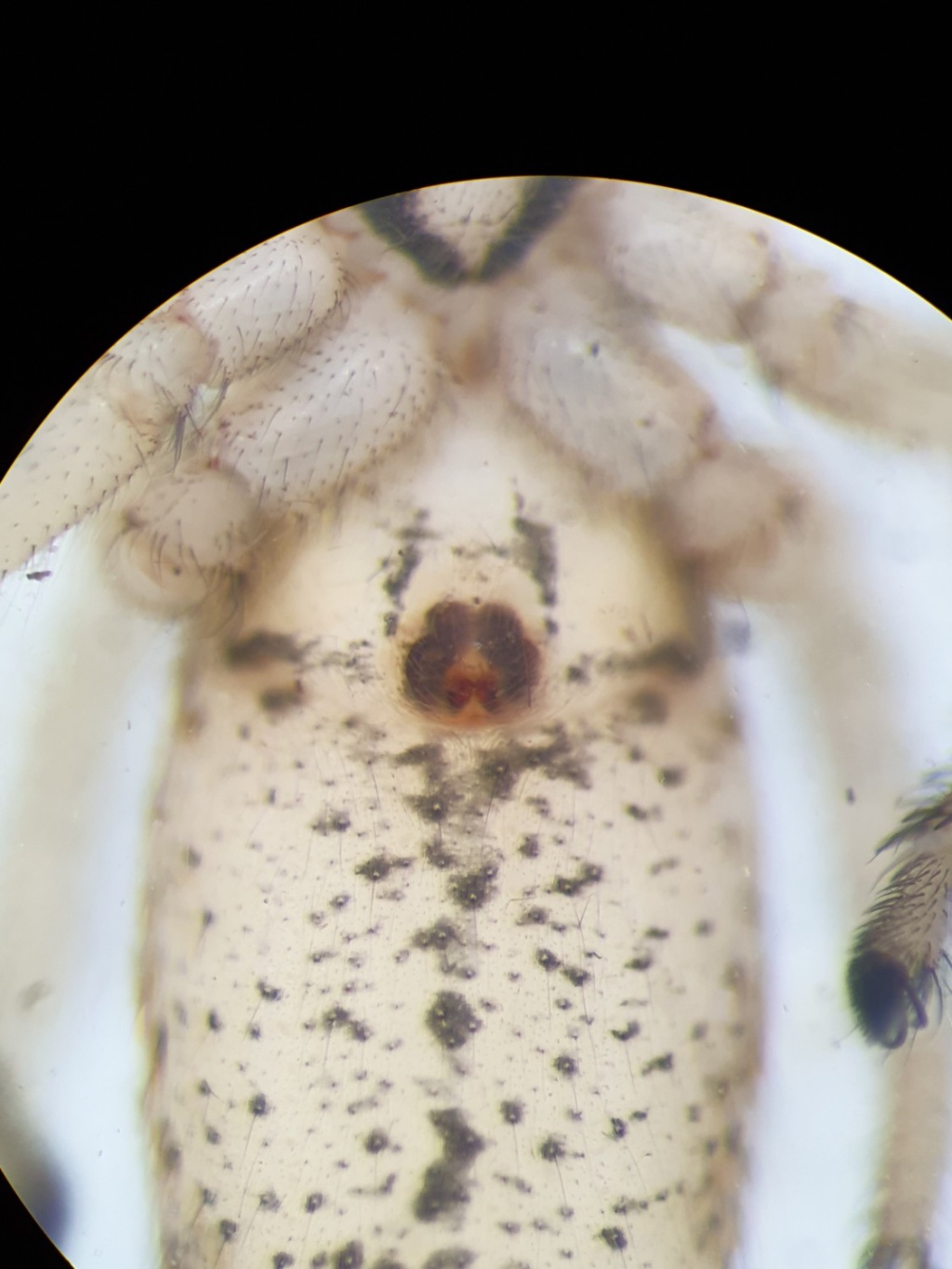
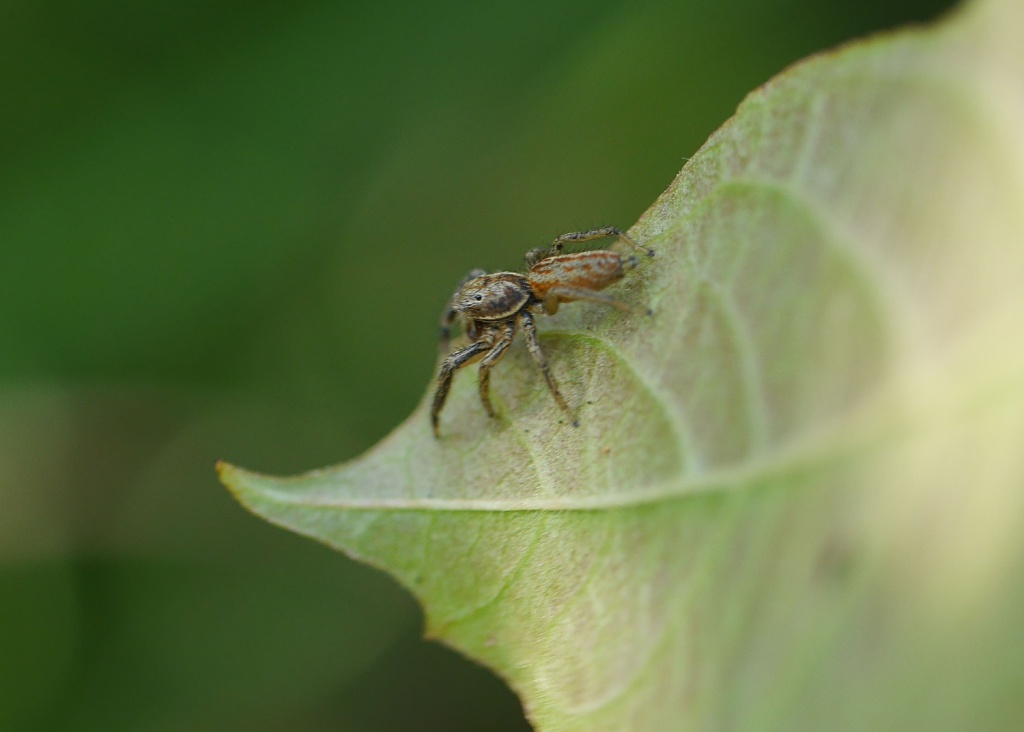
Spatial distribution - hectad map
Click on one of the date ranges in the key to highlight that particular range. Click anywhere else on the map to go back to all three date ranges.
Thresholds:
Move mouse cursor over dot for info
Rejected records are excluded from this map. Unverified records are included.
Temporal distribution - records by year
Records that span more than one year are not included in this chart.
Temporal distribution - records by week
__