
Species Details
- Species name
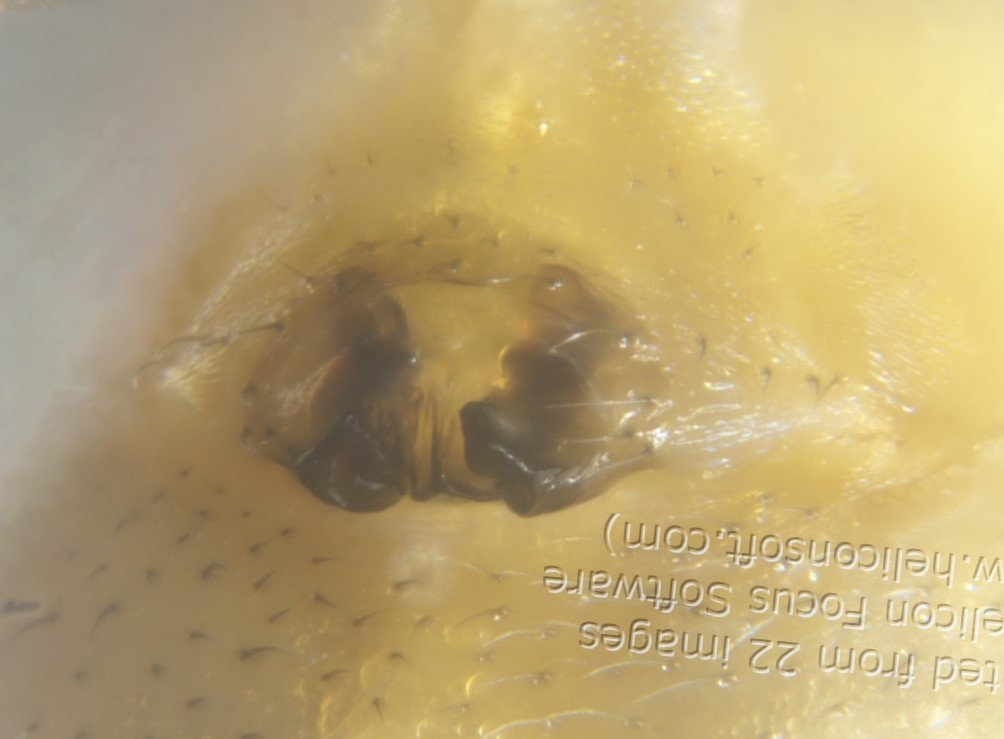
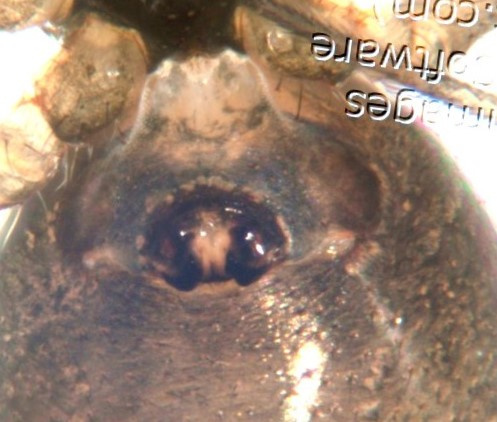
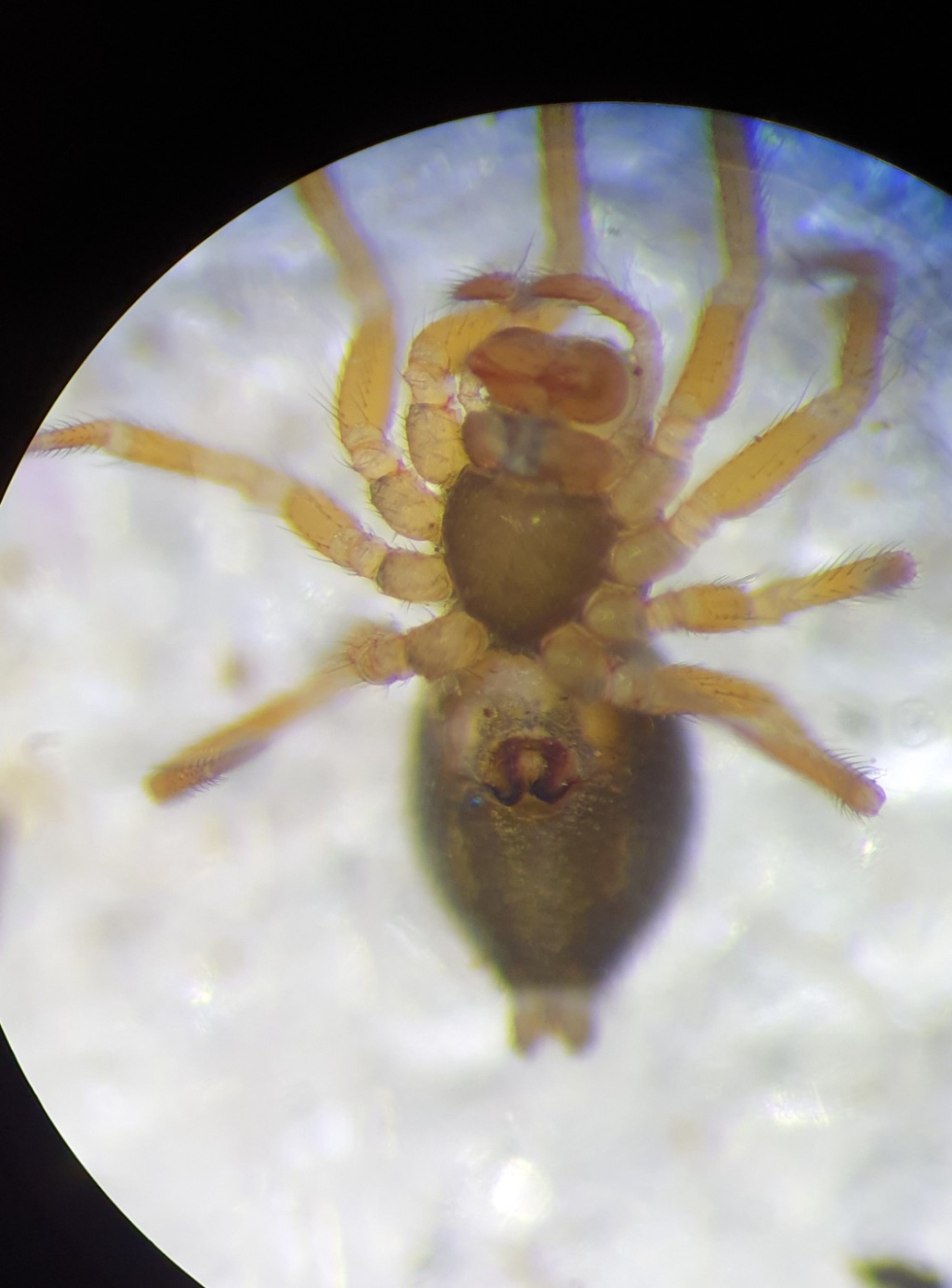
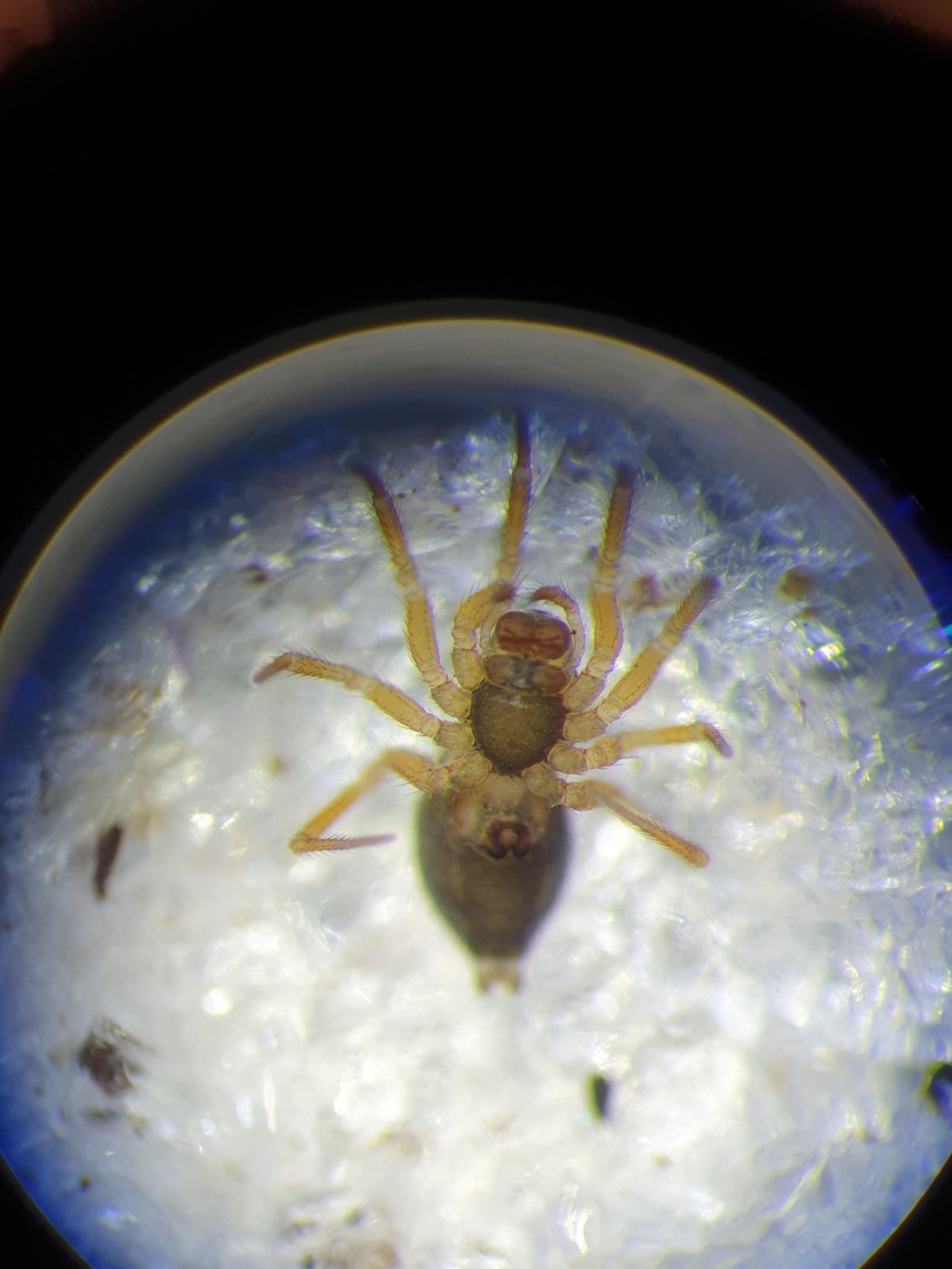
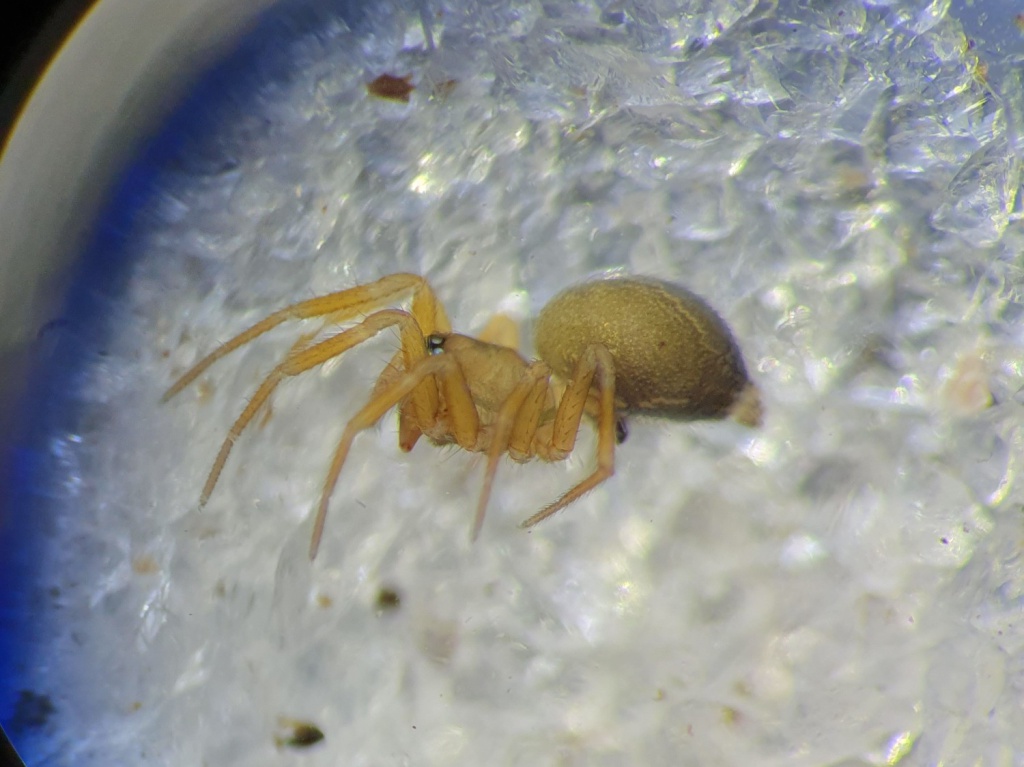
- Mermessus trilobatus (Emerton, 1882)
- Synonym
- Eperigone trilobatus (Emerton, 1882)
- Taxonomy
- Animalia :: Araneae :: Linyphiidae
Distribution
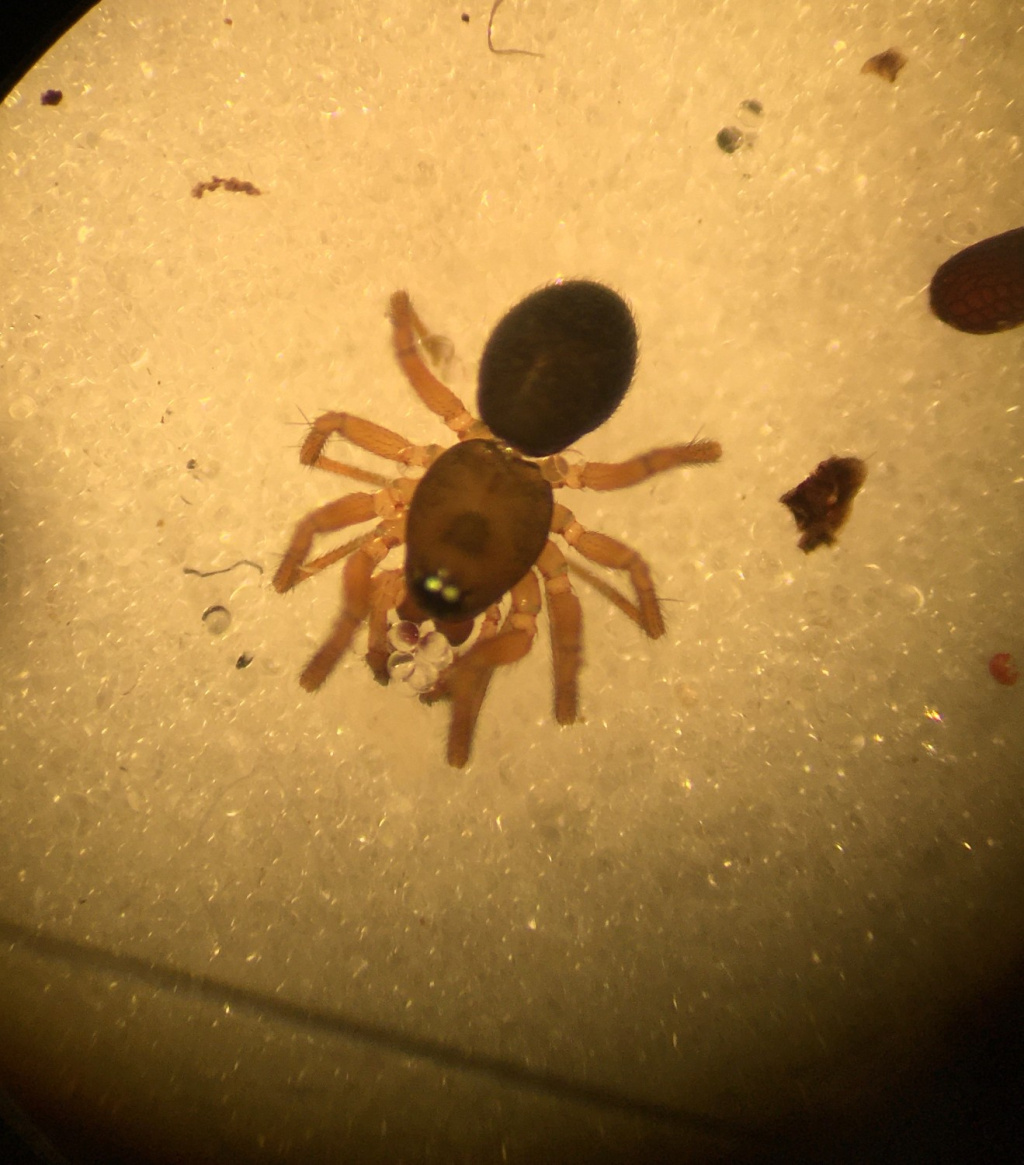
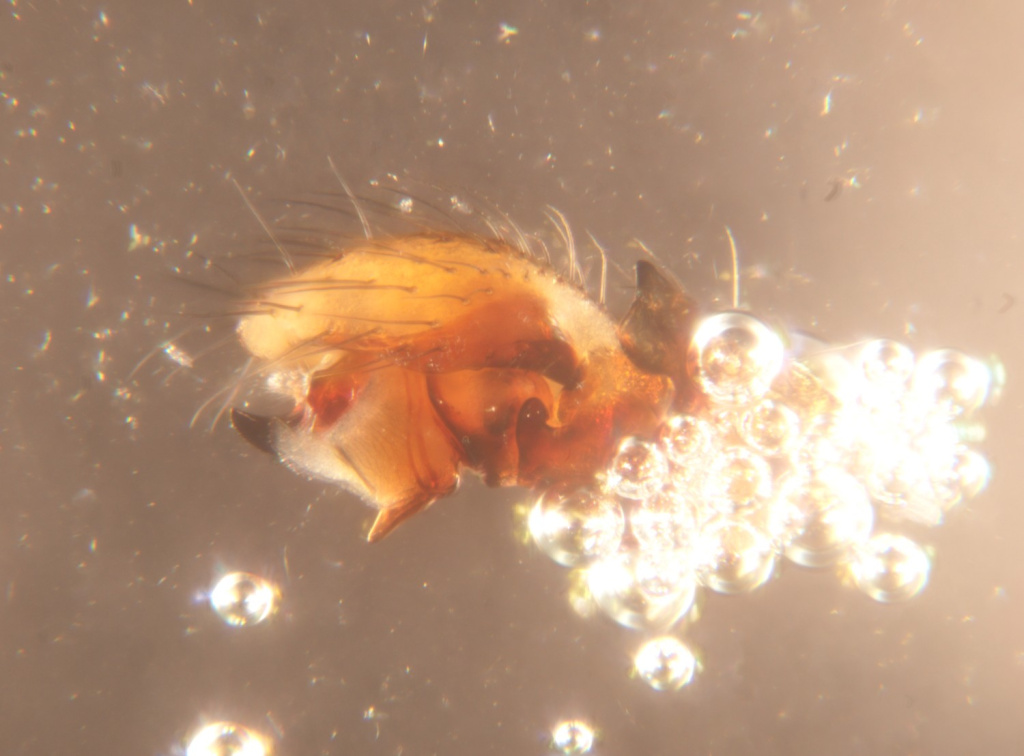
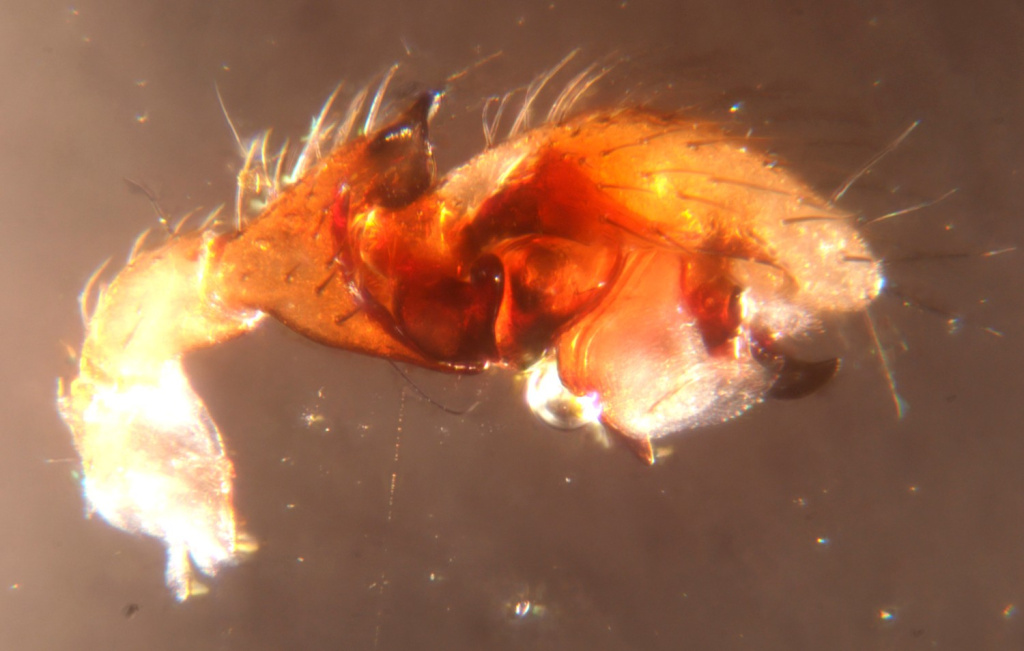
Mermessus trilobatus is a North American species introduced in the 1970s to Germany and it has spread widely in Europe since then. The first British record was from Tilbury Power Station, Essex in 2007. In the decade since then it spread widely in the Thames corridor and as far north as the Brecklands of Norfolk and Suffolk. It is currently frequent in southern England south of a line between the Severn Estuary and the Wash. It has been reported from western Europe as far East as Germany.Habitat and ecology
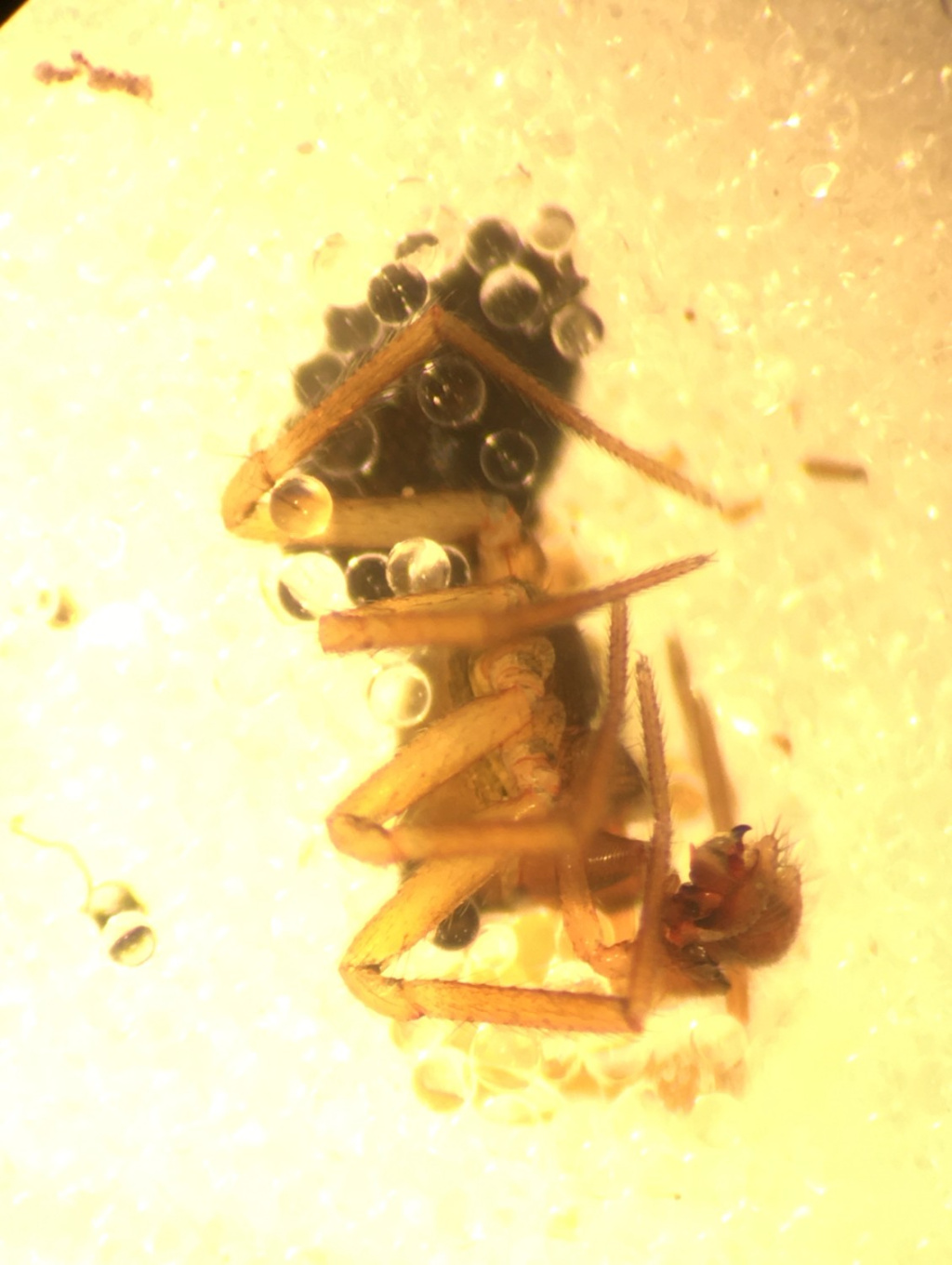
It occurs on or close to the ground layer in a wide variety of habitats including grassland, woodland, gardens, brownfield sites and sand dunes. Adults of both sexes have been found throughout the year with a peak of abundance in June and July.Status
This apparently invasive species has no assigned status but, given its widespread distribution and range of habitats, there do not appear to be any current threats.Stats
- First recorded
- 2007
- Last recorded
- 2026
- Total records
- 442
- Total visits
- 425
Conservation status
Mermessus trilobatus
| Source | Reporting category | Designation | Date designated | Comments |
|---|---|---|---|---|
| A Review of the scarce and threatened spiders (Araneae) of Great Britain: Species Status No. 22 (Sep 2017) | Red listing based on 2001 IUCN guidelines | Not Evaluated | 01/09/2017 | A single male found in grassland at Tilbury (Essex) in 2007 and several other records from south-east England since then. |
Photos and media


Spatial distribution - hectad map
Click on one of the date ranges in the key to highlight that particular range. Click anywhere else on the map to go back to all three date ranges.
Thresholds:
Move mouse cursor over dot for info
Rejected records are excluded from this map. Unverified records are included.
Temporal distribution - records by year
Records that span more than one year are not included in this chart.
Temporal distribution - records by week
__