
Species Details
- Species name
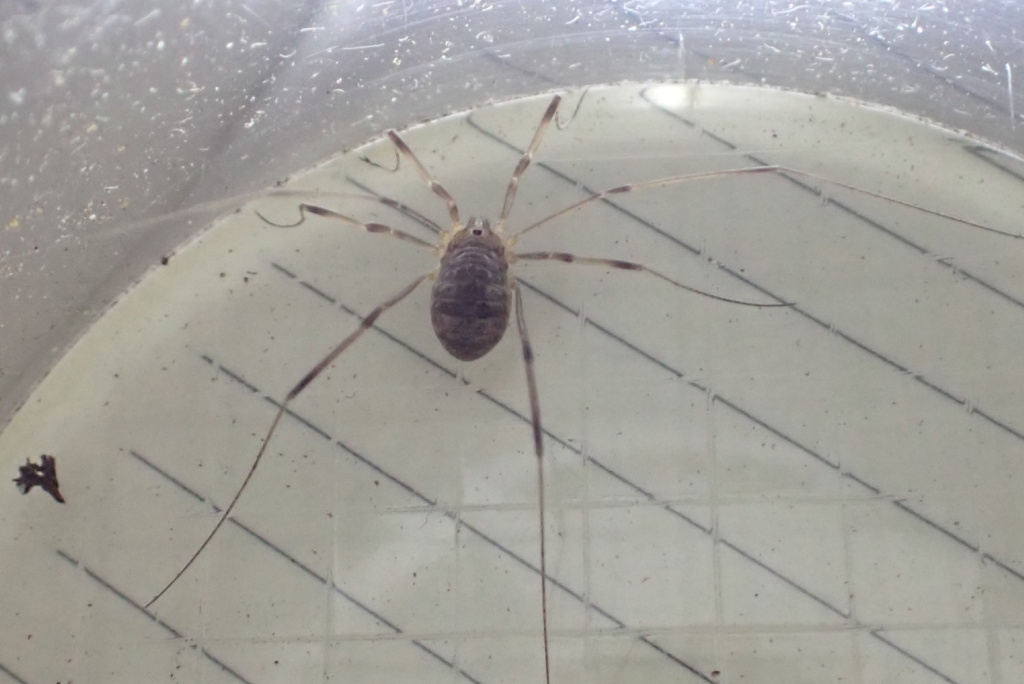
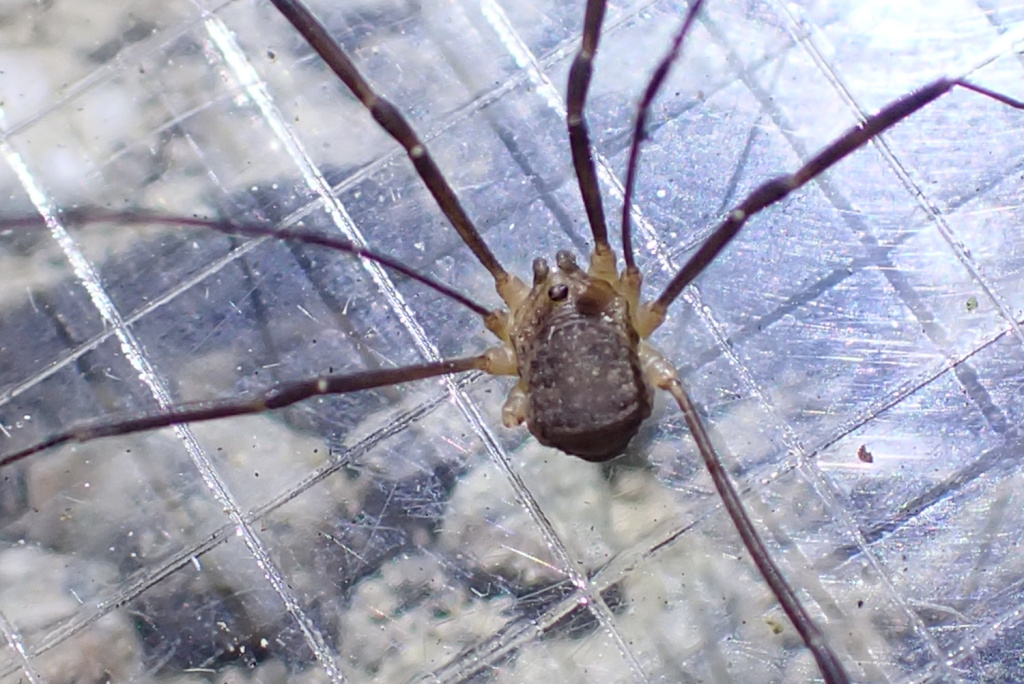
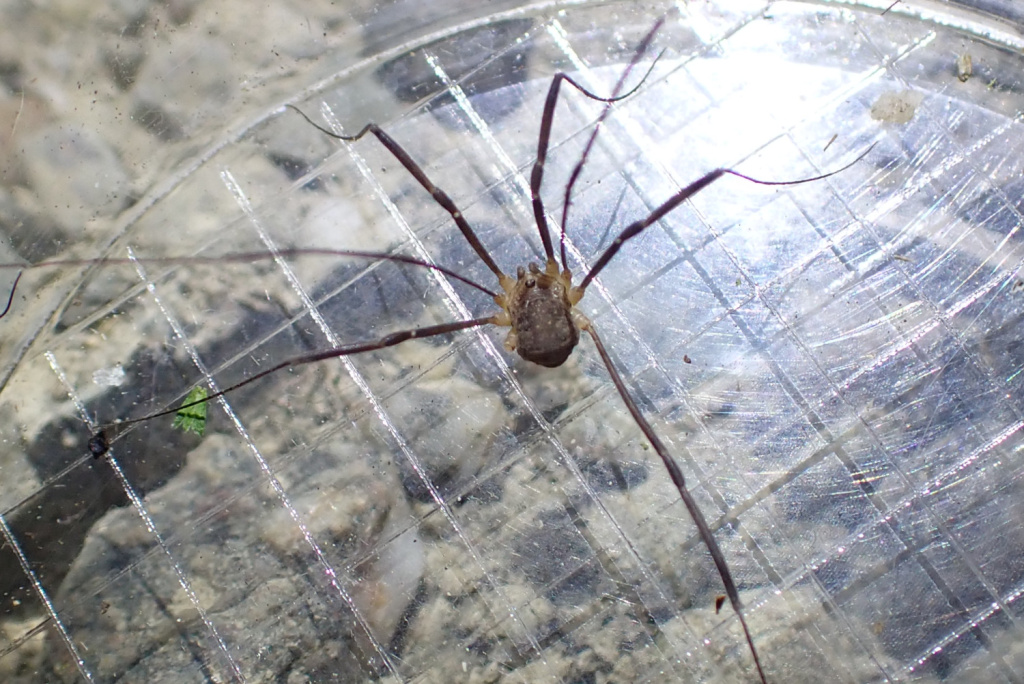
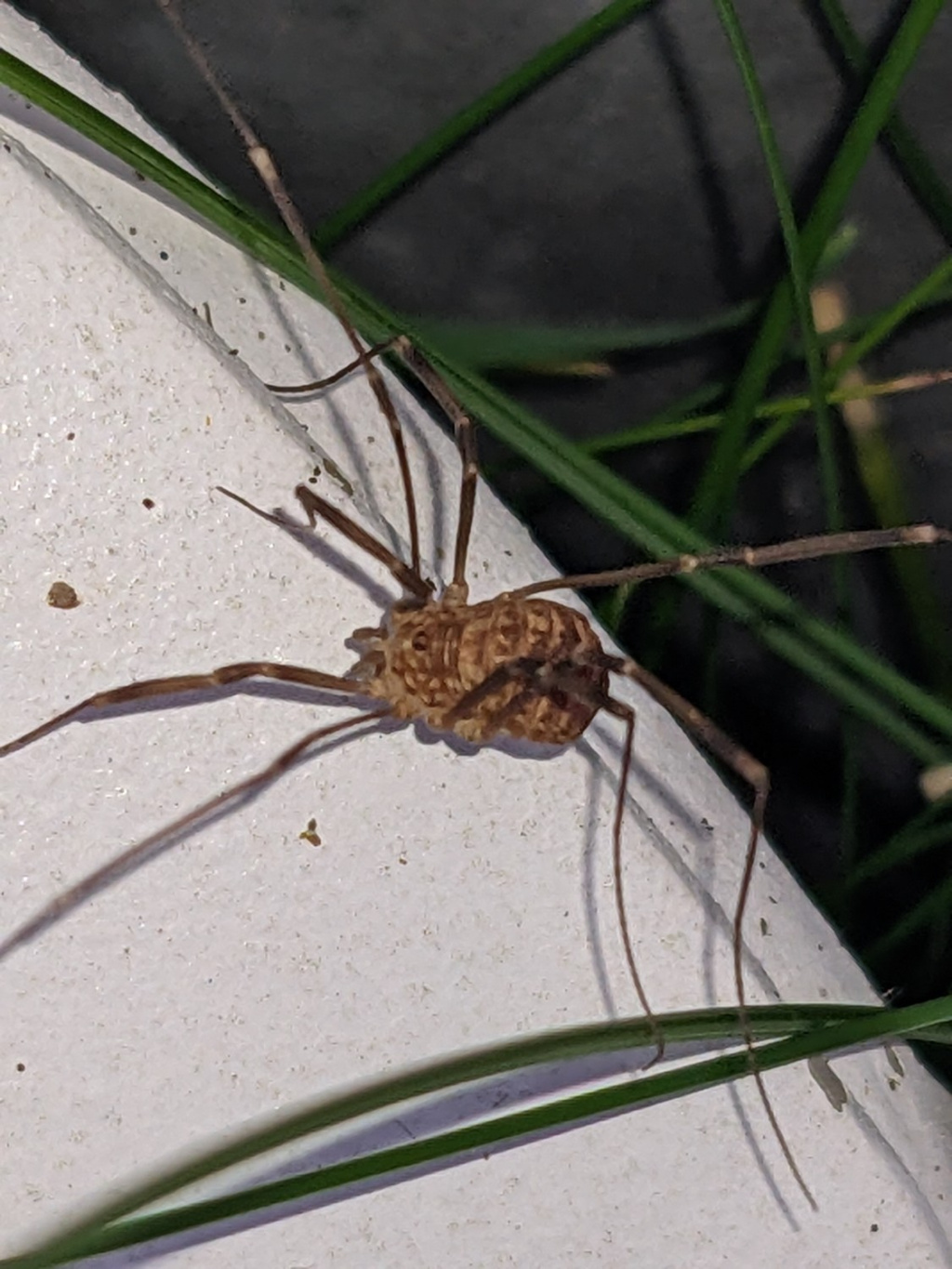
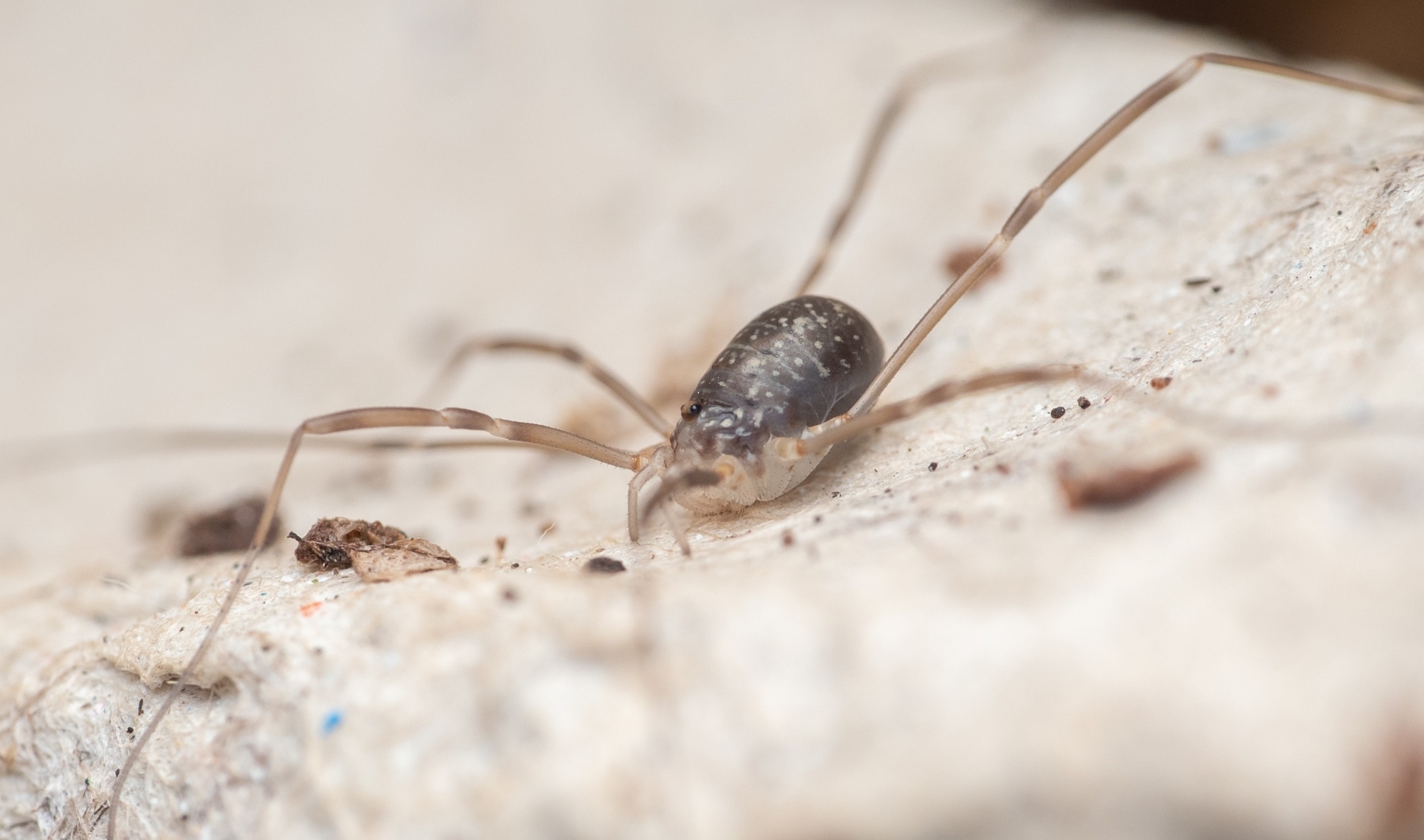
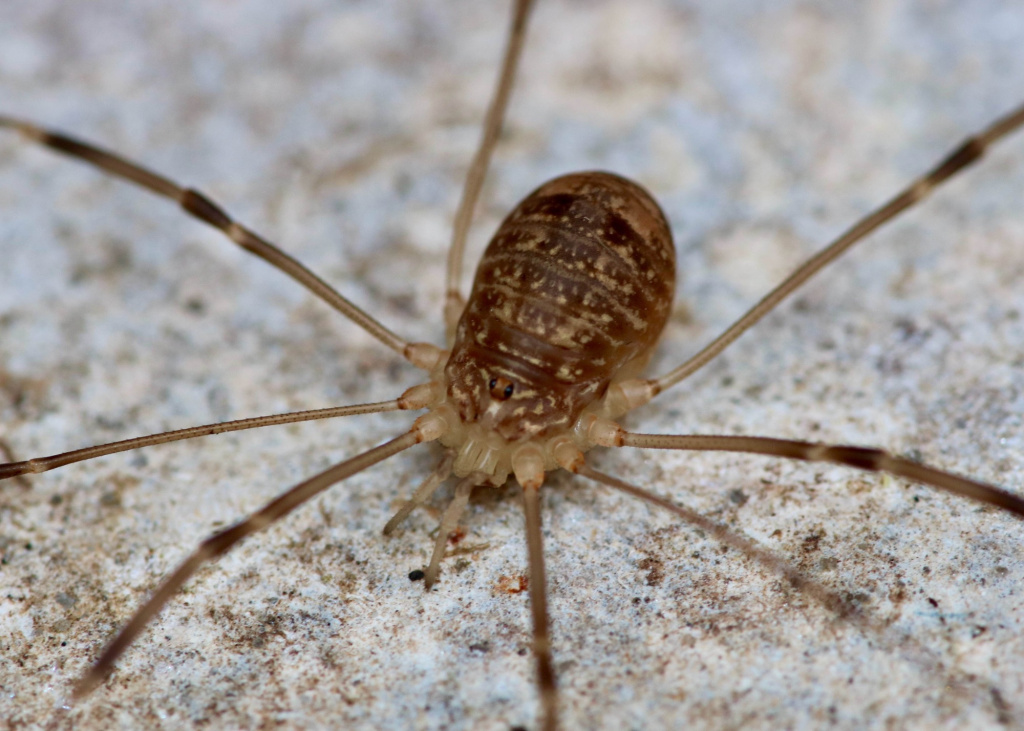
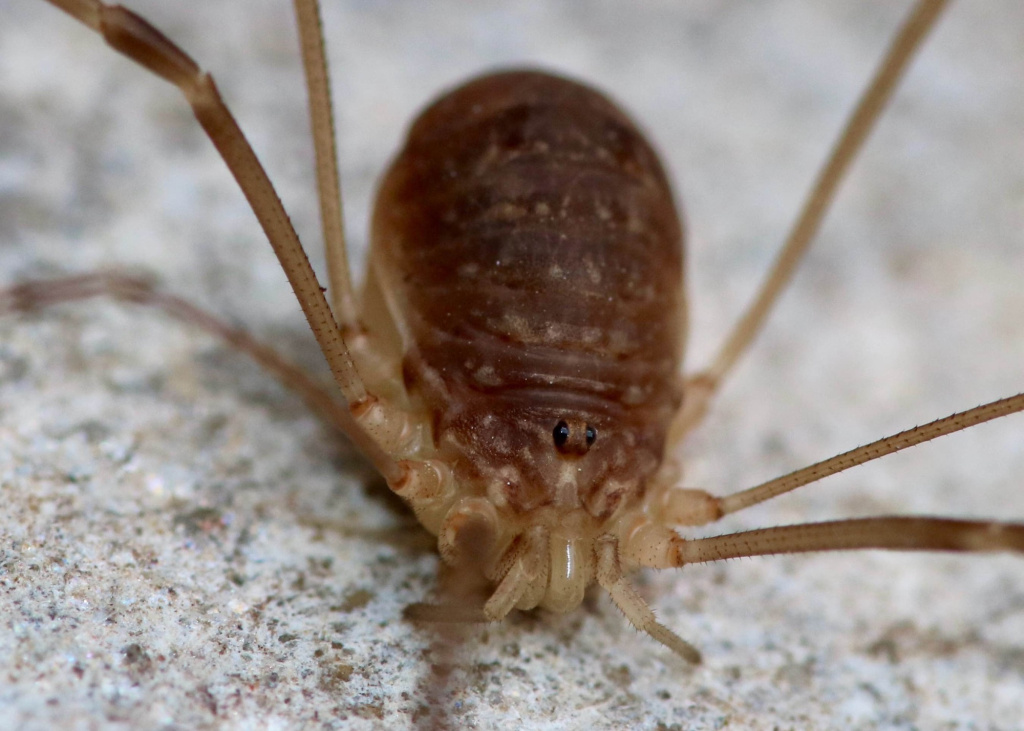
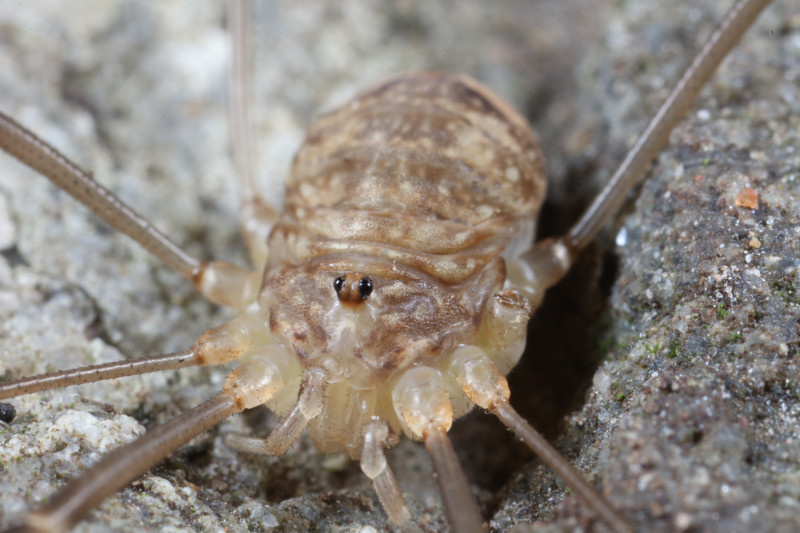
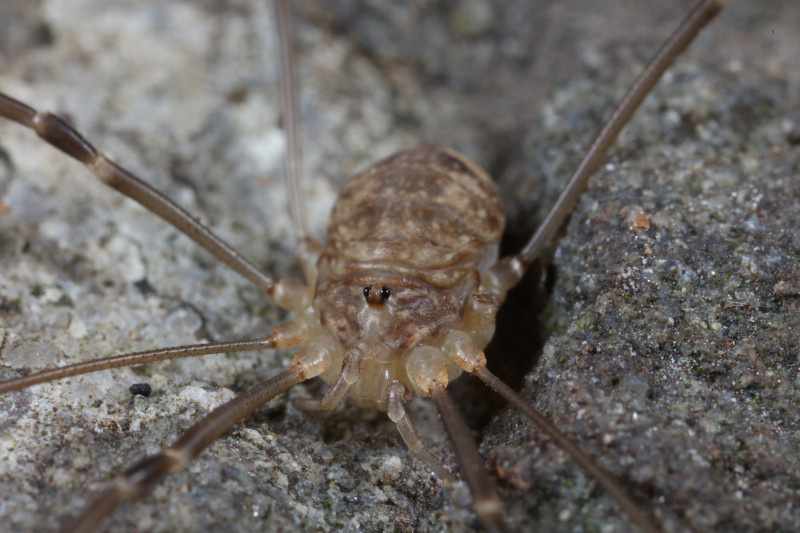
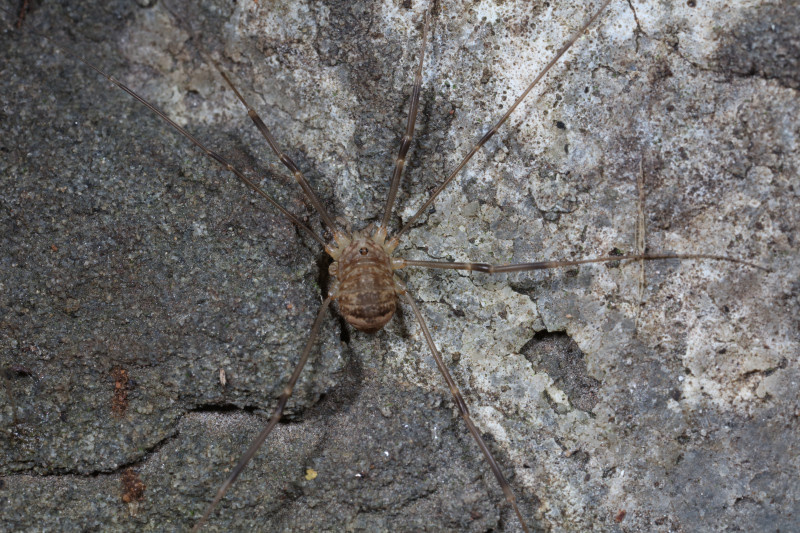
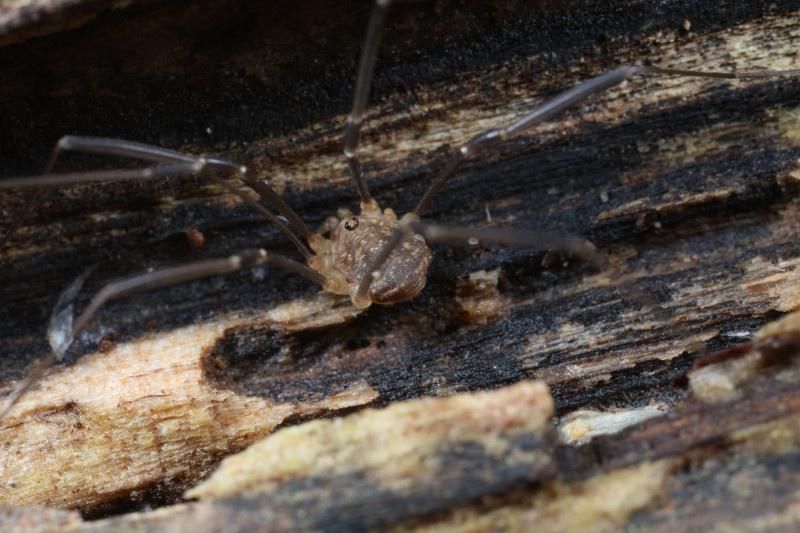
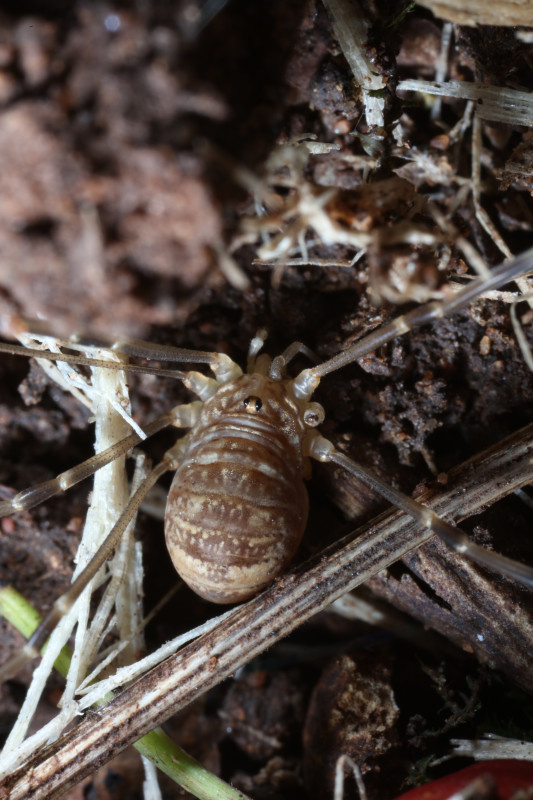
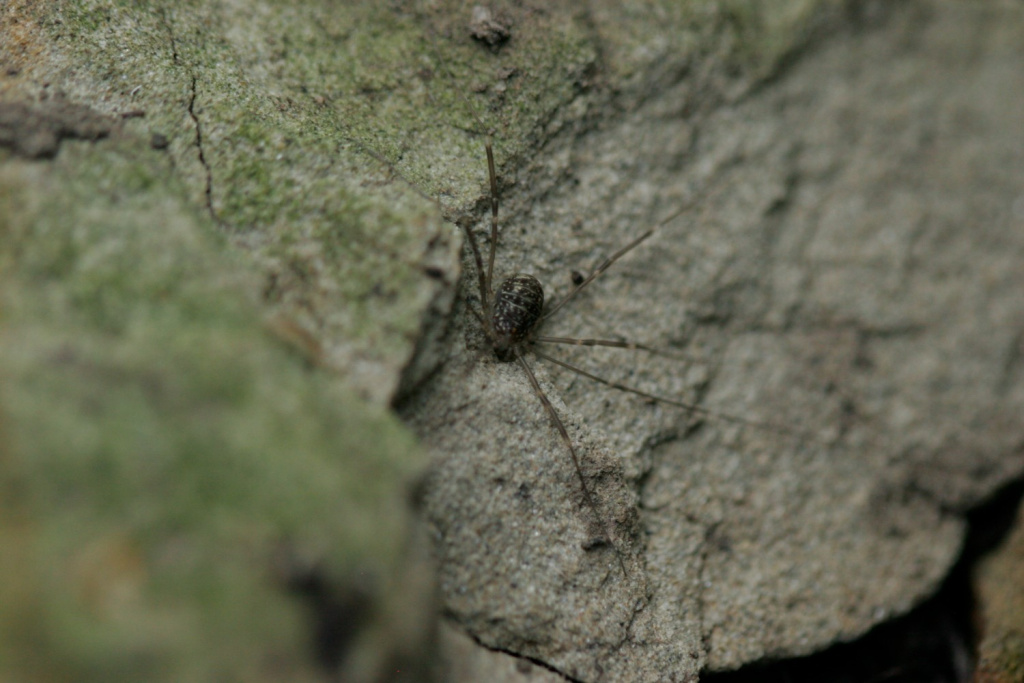
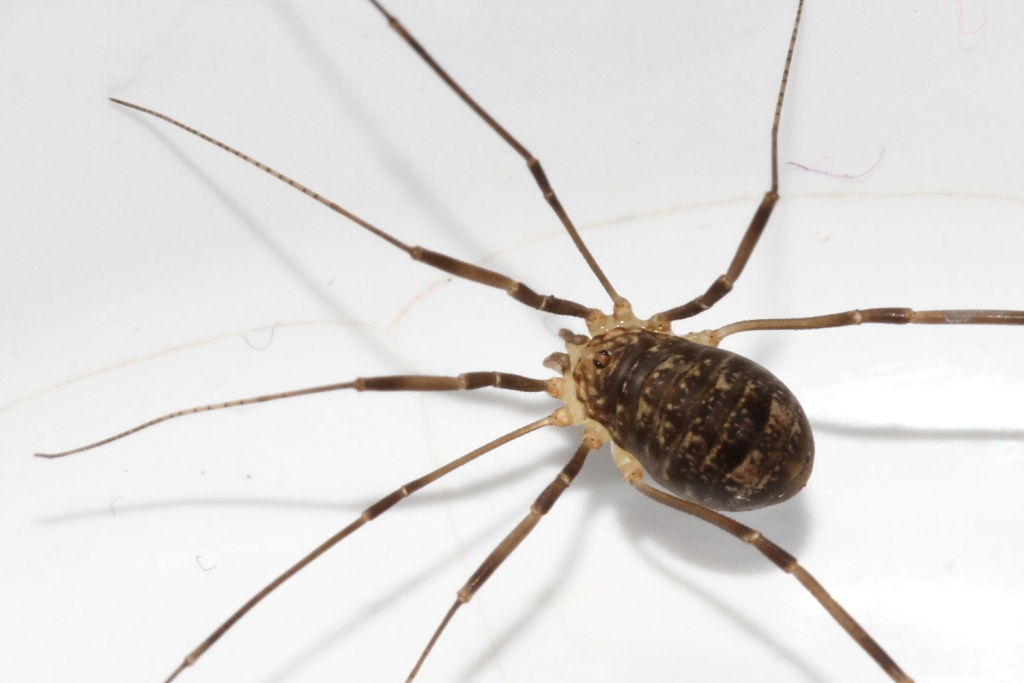
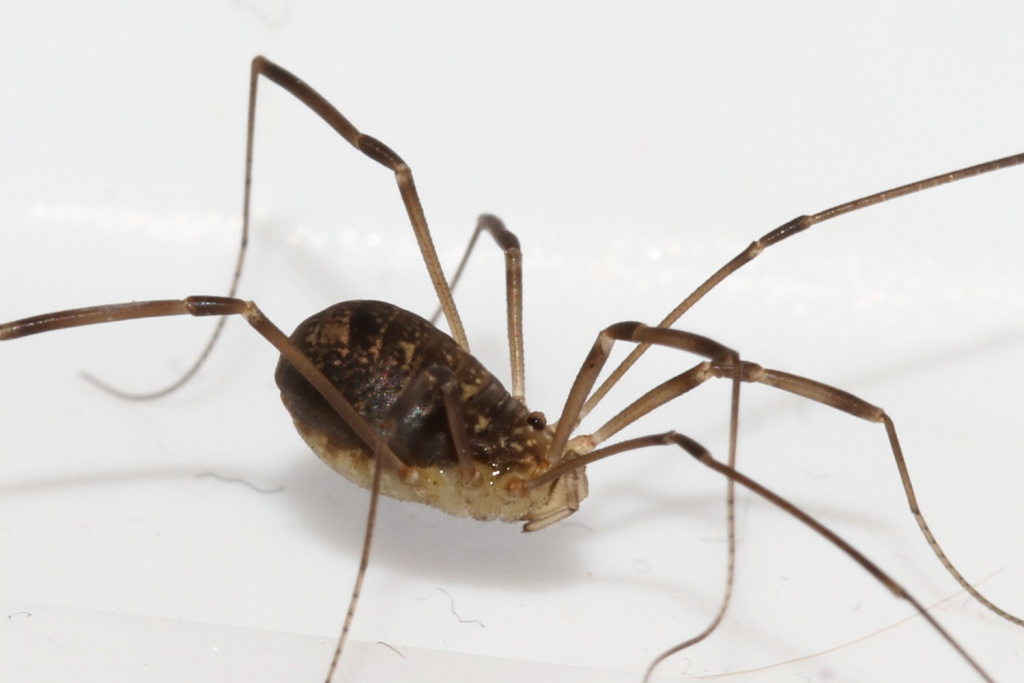
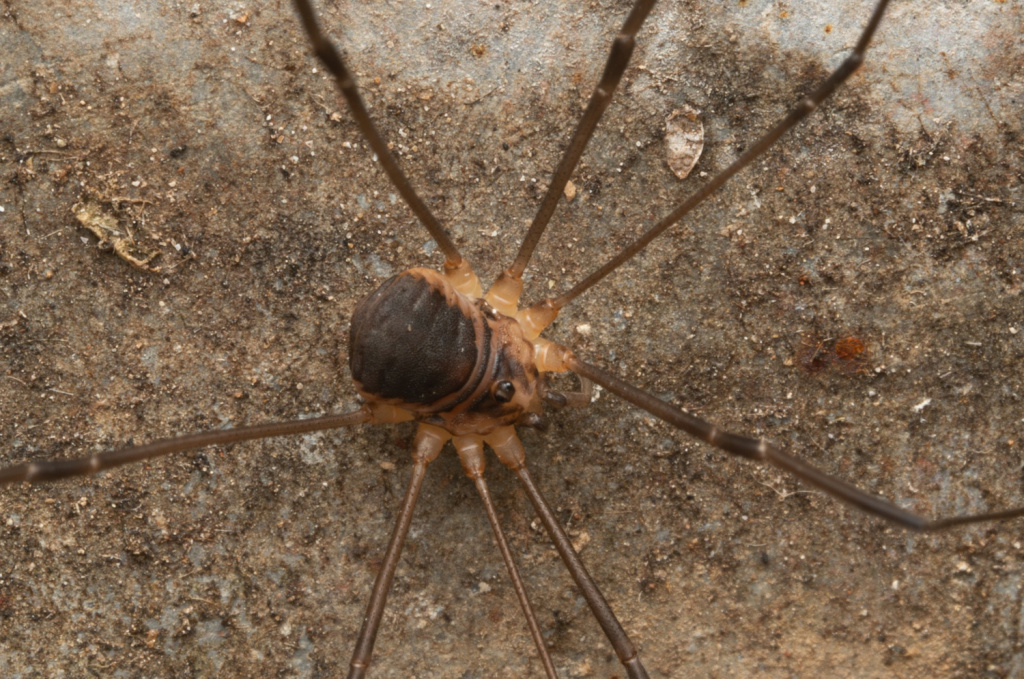
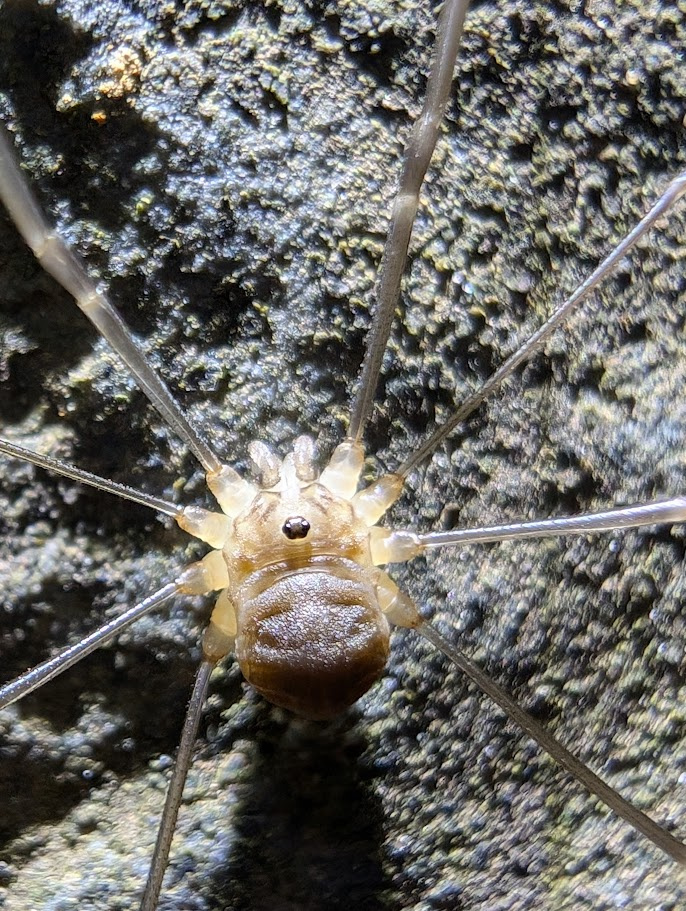
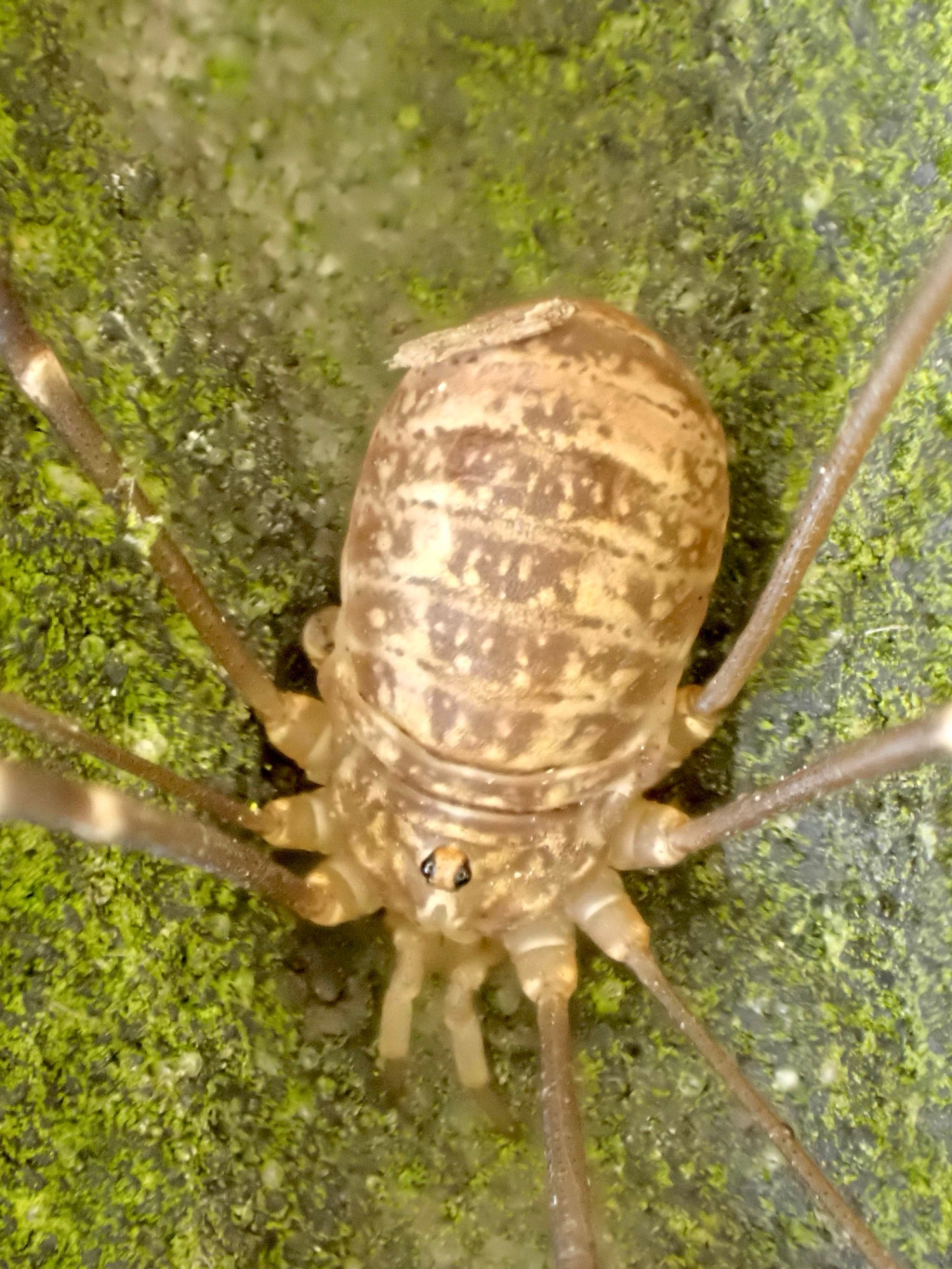
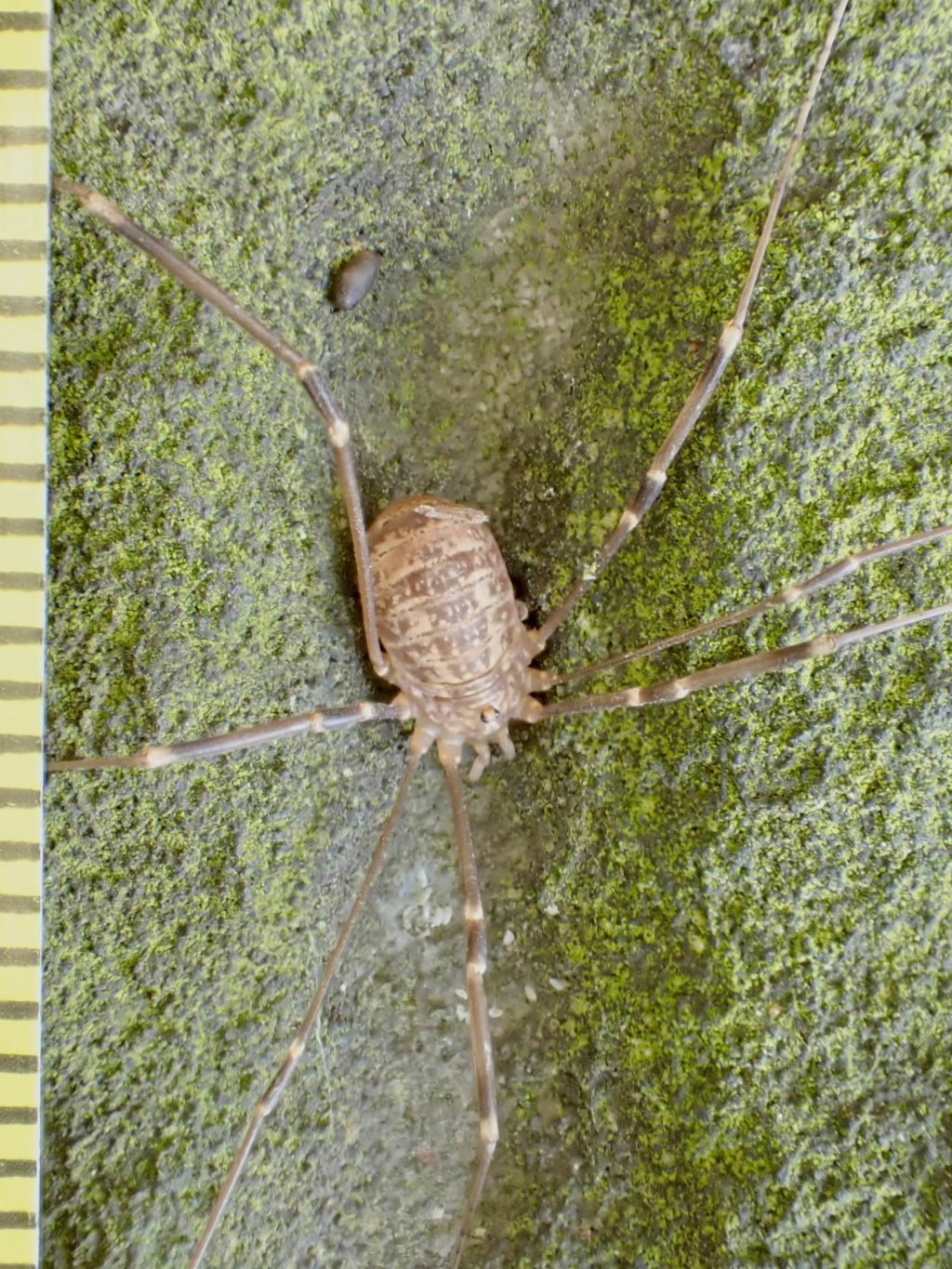
- Nelima gothica Lohmander, 1945
- Synonyms
- Nelima silvatica (in part) Bristowe, 1935, Nelima silvatica (part) sensu Bristowe, 1935
- Taxonomy
- Animalia :: Opiliones :: Phalangiidae
- tall sward & scrub
Distribution
The first British record of this small leiobunid harvestman was from the small island of Skokholm (Wales) in 1934 (Bristowe 1935). He also recorded it on the Isle of May (in Scotland) and later on Grassholm (Wales). Bristowe wrote; The discovery on Skokholm of a Phalangid, Nelima silvatica Simon, new to Britain, is of considerable interest, as this is the first addition for nearly forty years to the British list of two dozen species.
Other early records were largely coastal and it continues to be predominantly coastal in the north. It is now widespread and in more recent times has turned up in a variety of inland habitats but it remains a relatively rare species.
In Europe it was first recorded on the two largest Swedish islands of Gotland and Åland. Martens (1978) gives its distribution as including northern Spain and the Pyrenees, the Paris Basin and the western Baltic region.
It is uncertain why this species was not recorded in Britain until the 1930s. Specimens may have been ignored as juveniles of the larger Leiobunids (of which it closely resembles) or it might truly represent a relatively recent addition to our harvestman fauna.
Habitat and ecology
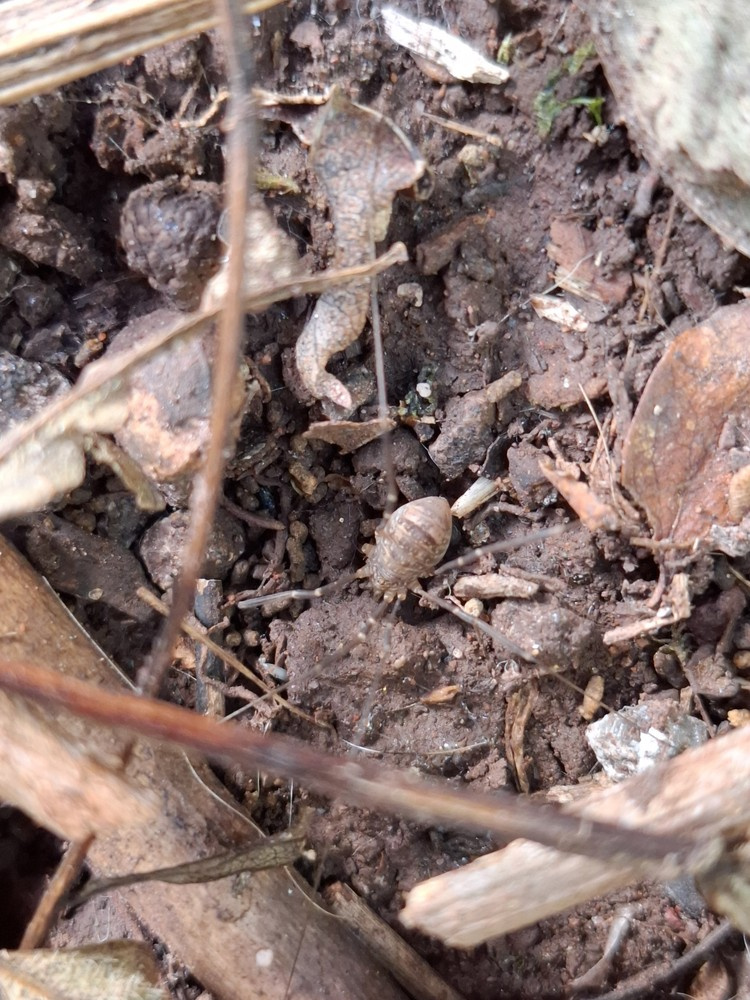
Nelima gothica is a species of ground and herb layers and is usually found by grubbing in vegetation and under stones, wood and other debris. The main habitats shown by current British records are parks, cemeteries, gardens and grassland, including sand dunes. In Denmark, it appears to be exclusively coastal and very patchily distributed, although Toft (2015) found it (by pitfall trapping) to be very abundant at some coastal dune sites. In Britain it has turned up at more inland sites in recent decades and appears to be found in a wide range of habitats extending up to over 300m in the Pennines.
The adults mature from July onwards, peaking in September and persisting until December. Toft's work in Denmark indicated that the early adults were larger than the later-maturing individuals. The autumn-laid eggs overwinter. Although they might be expected to hatch in the spring, Toft's work indicates that hatching may not start until June.
There appears to be a lack of documented information on the feeding habits of N. gothica.
There are therefore plenty of opportunities for further study of the phenology and ecology of this species. Is its more recent spread away from the coast related to a warming climate or to other ecological adaptations?
Status
Widespread but uncommon.
Text based on: Hillyard, P. D. 2005. Harvestmen: keys and notes for the identification of British species. Synopses of the British Fauna 4 (3rd edn). Field Studies Council, Shrewsbury.
References
Bristowe,W. S. 1935. The spiders of Skokholm (S. Wales), with notes on a phalangid new to Britain Proceedings of the Zoological Society of London ### Pt.2: 233-239.
Martens, J. 1978. Spinnentiere, Arachnida: Weberknechte, Opiliones. Die Tierwelt Deutschlands ### 64: 1-464. Fischer Verlag, Jena.
Toft, S. 2015. Distribution and life-cycle of Nelima gothica (Opiliones: Sclerosomatidae) in Danish dunes. Arachnologische Mitteilungen ### 50: 22-29
Stats
- First recorded
- 1900
- Last recorded
- 2024
- Total records
- 792
- Total visits
- 749
Photos and media
Spatial distribution - hectad map
Click on one of the date ranges in the key to highlight that particular range. Click anywhere else on the map to go back to all three date ranges.
Thresholds:
Move mouse cursor over dot for info
Rejected records are excluded from this map. Unverified records are included.
Temporal distribution - records by year
Records that span more than one year are not included in this chart.
Temporal distribution - records by week
__