
Species Details
- Species name
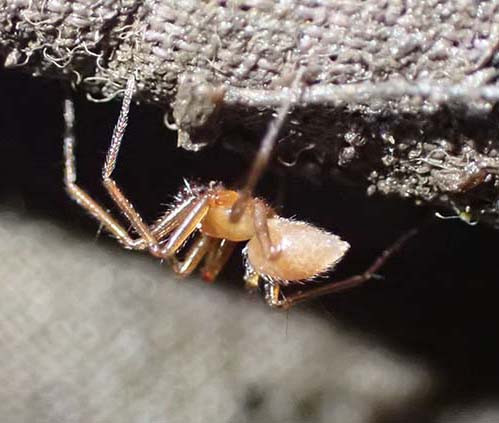
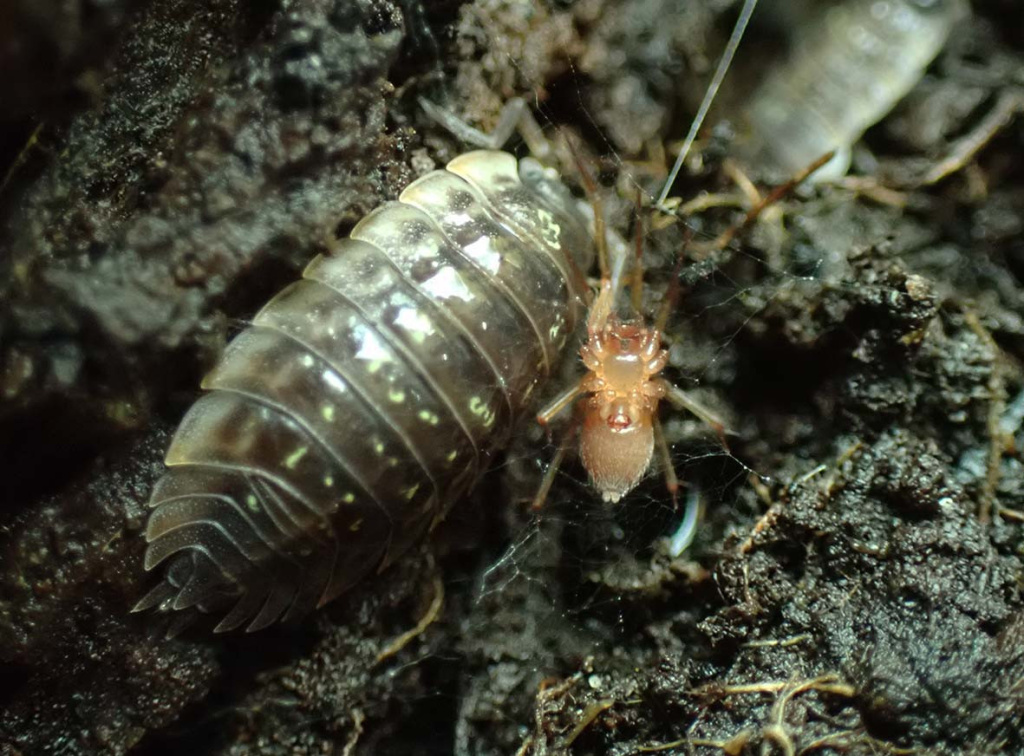
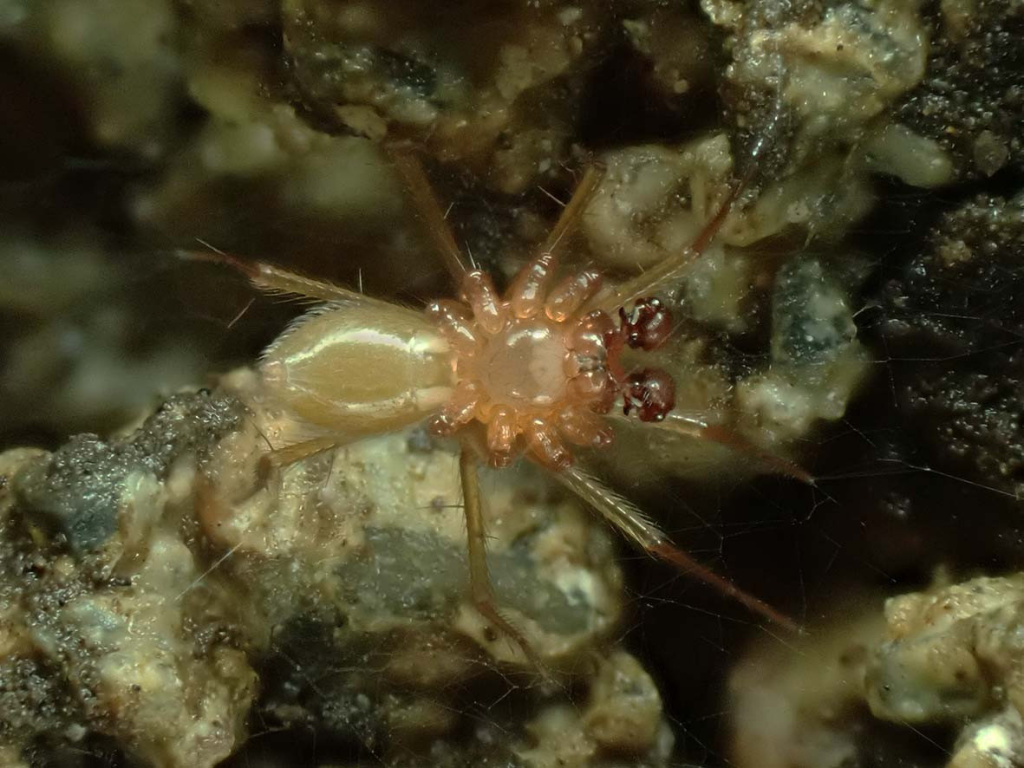
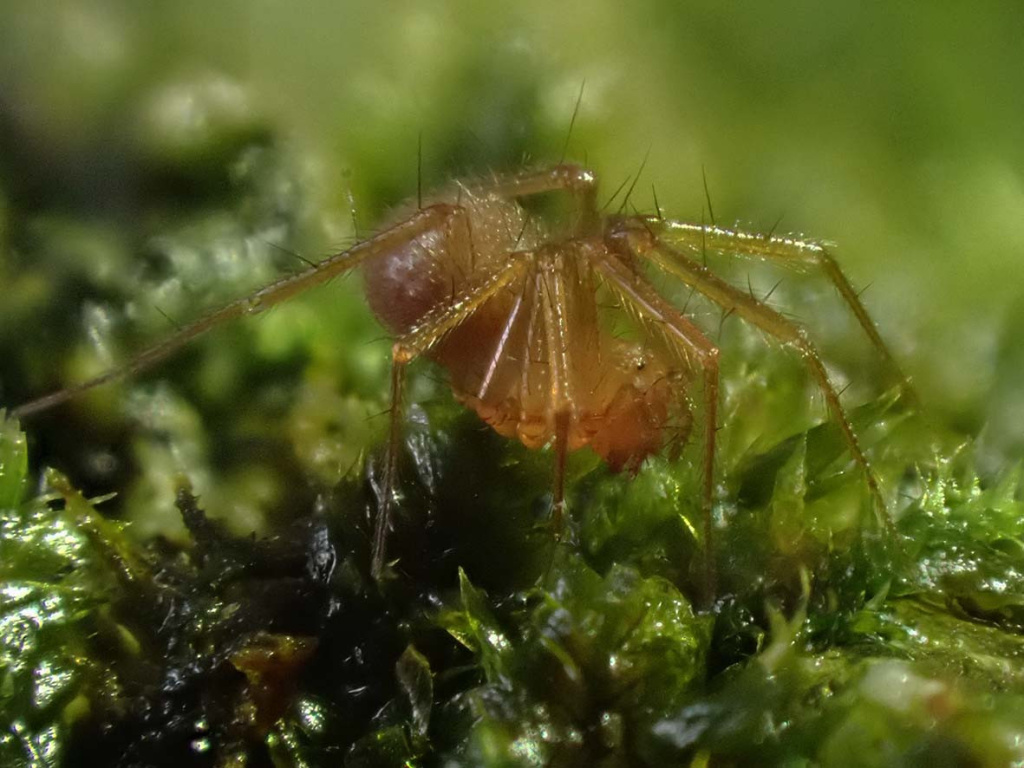
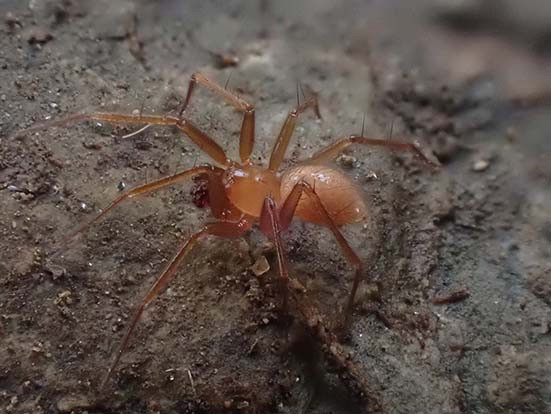
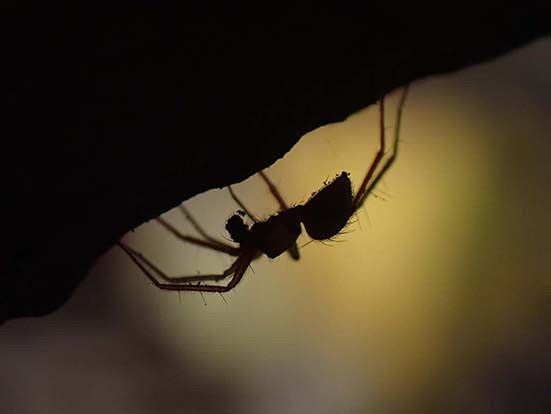
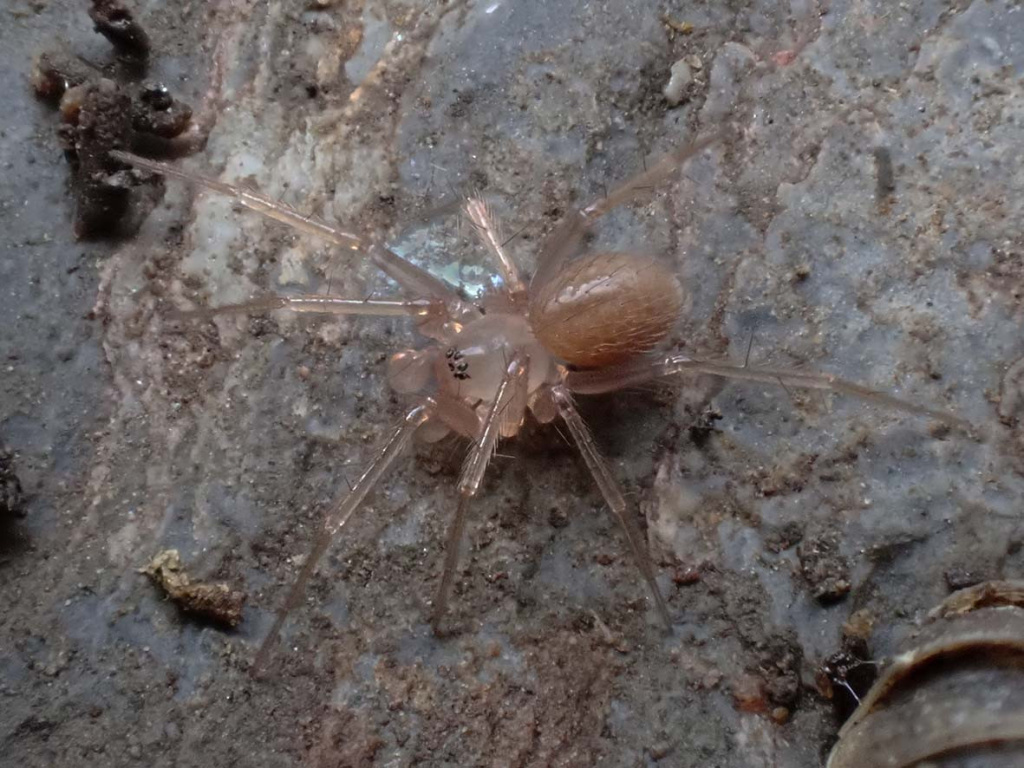
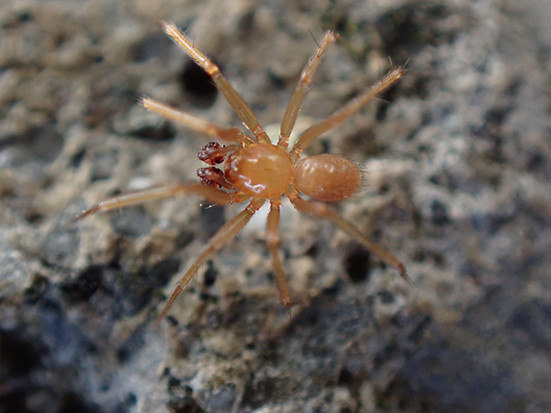
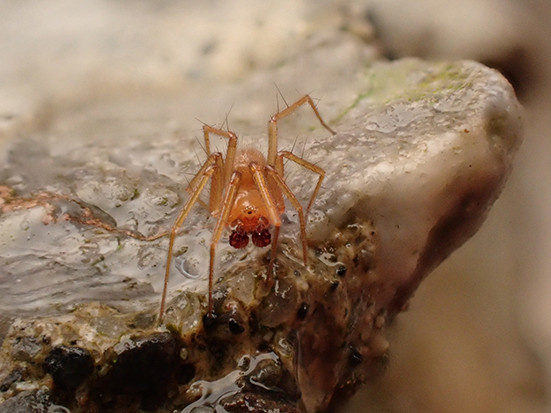
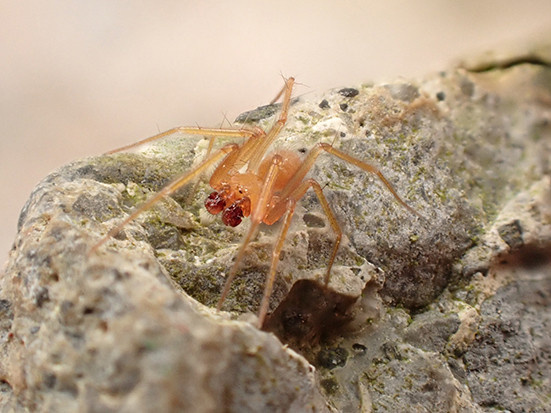
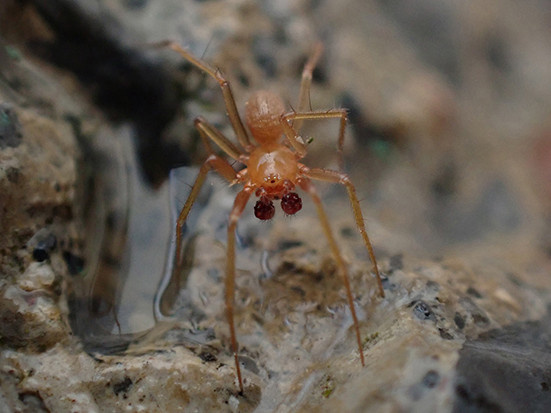
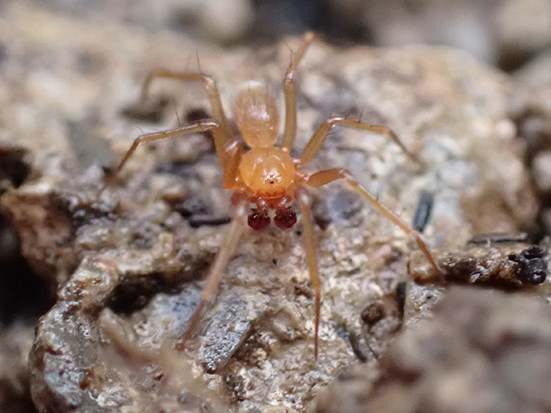
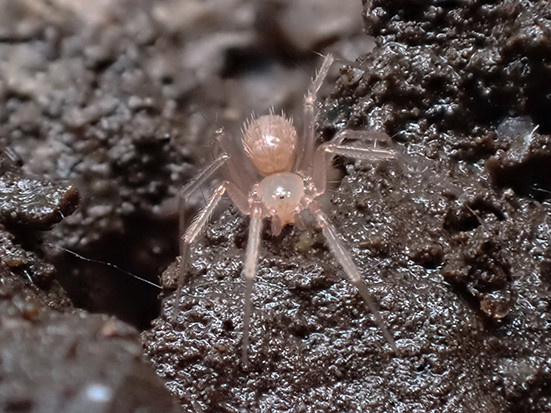
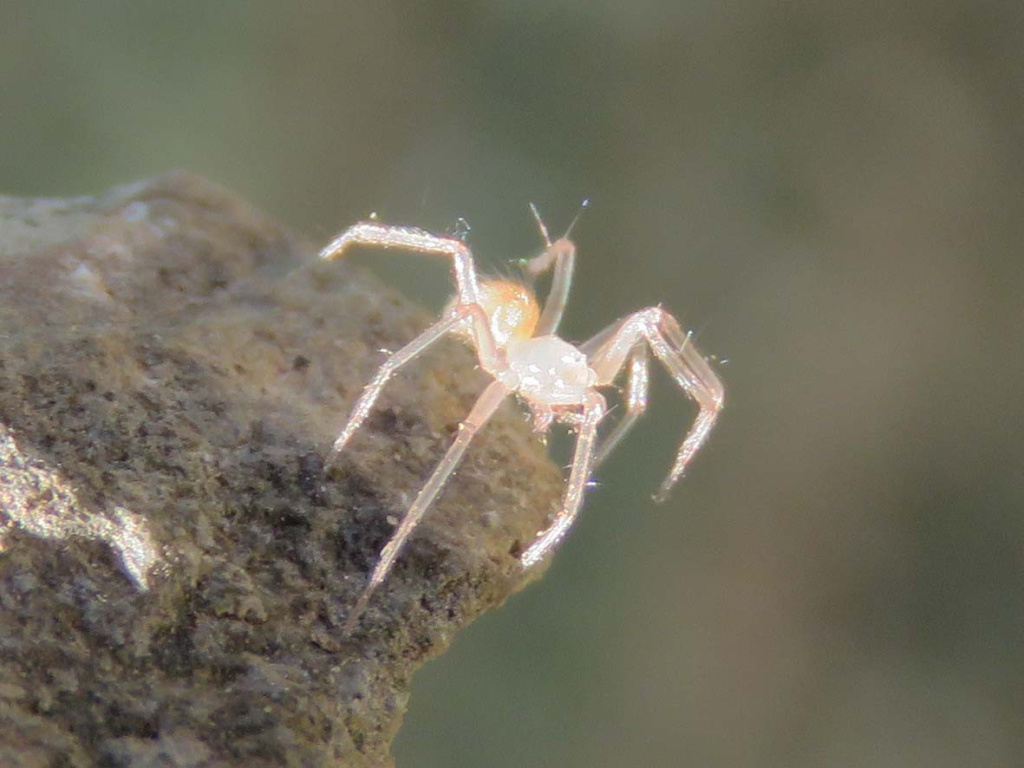
- Nothophantes horridus Merrett & Stevens, 1995
- Common name
- Horrid Ground-weaver
- Taxonomy
- Animalia :: Araneae :: Linyphiidae
Distribution
This species is endemic to Britain, where it is only known from two abandoned limestone quarries in the Plymouth area.Habitat and ecology
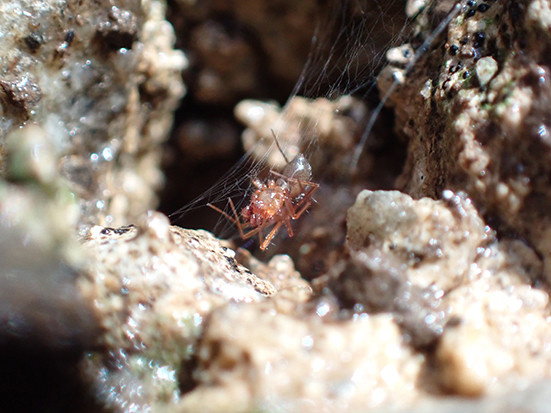
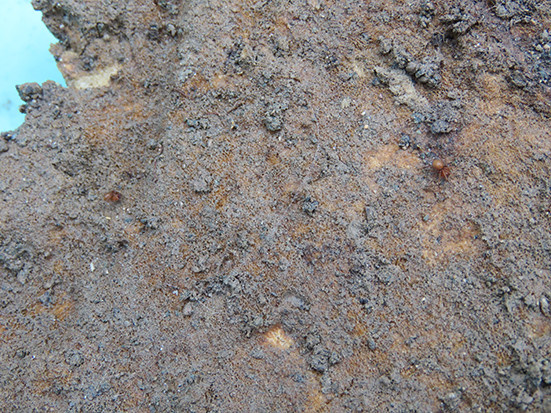
Under stones and debris on the floor and cliff faces of disused limestone quarries. This species is possibly troglodytic, living in narrow fissures in the limestone, from which it occasionally emerges. Adult females have been recorded in March and April but males have only been found in March (Merrett & Stevens 1995; 1999).Status
UK Biodiversity Action Plan priority species. Extremely rare, and with a very restricted area of occupancy in one small area near Plymouth, recorded only from two highly threatened adjacent quarries.Threats
The type locality has already been extensively developed and the second site also appears to have been developed, with very small amounts of any habitat surviving.Management and conservation
As very little is known about the biology or life history of this species, it is not possible to make any management recommendations. Text based on Dawson, I.K., Harvey, P.R., Merrett, P. & Russell-Smith, A.R. (in prep.).Stats
- First recorded
- 1989
- Last recorded
- 2024
- Total records
- 41
- Total visits
- 38
Conservation status
Nothophantes horridus
| Source | Reporting category | Designation | Date designated | Comments |
|---|---|---|---|---|
| A Review of the scarce and threatened spiders (Araneae) of Great Britain: Species Status No. 22 (Sep 2017) | Rare and scarce species | Nationally Rare. Includes Red Listed taxa | 42979 | |
| A Review of the scarce and threatened spiders (Araneae) of Great Britain: Species Status No. 22 (Sep 2017) | Global Red list status | Critically Endangered | 42979 | Endemic. As an endemic, this species was globally assessed in 2015 and assigned a status of CR A3c on the IUCN Red List, based upon threats to the two known locations, the type location having already been lost. Since then, it has been found at an additional site, and the threat to one of the original locations appears to have significantly reduced. The remaining location is still threatened with development, so a status of EN B2ab(ii,iii,iv) can be assigned when re-assessed on the basis of the few locations and projected decline. This species’ global status should be reassessed by 2021. Threats: The type locality has been lost to development. Of the three other known locations, one is threatened with development. |
| Natural Environment and Rural Communities Act 2006 - Species of Principal Importance in England (section 41) | Biodiversity Lists - England | England NERC S.41 | 39753 | |
| UK list of Priority Habitats and Species | Biodiversity Action Plan UK list of priority species | Priority Species | 39322 | not on former UK BAP list |
Photos and media
__