
Species Details
- Species name
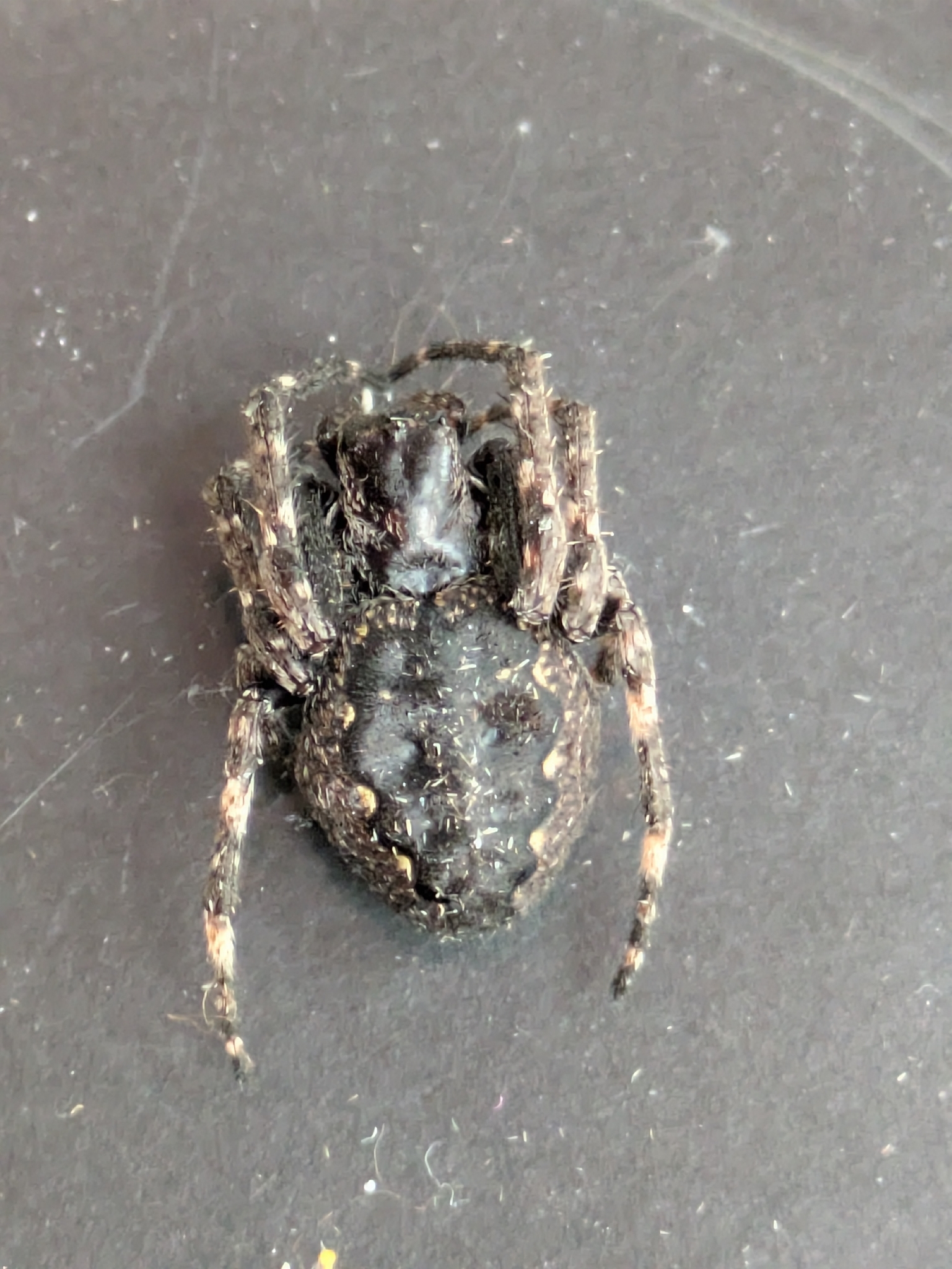
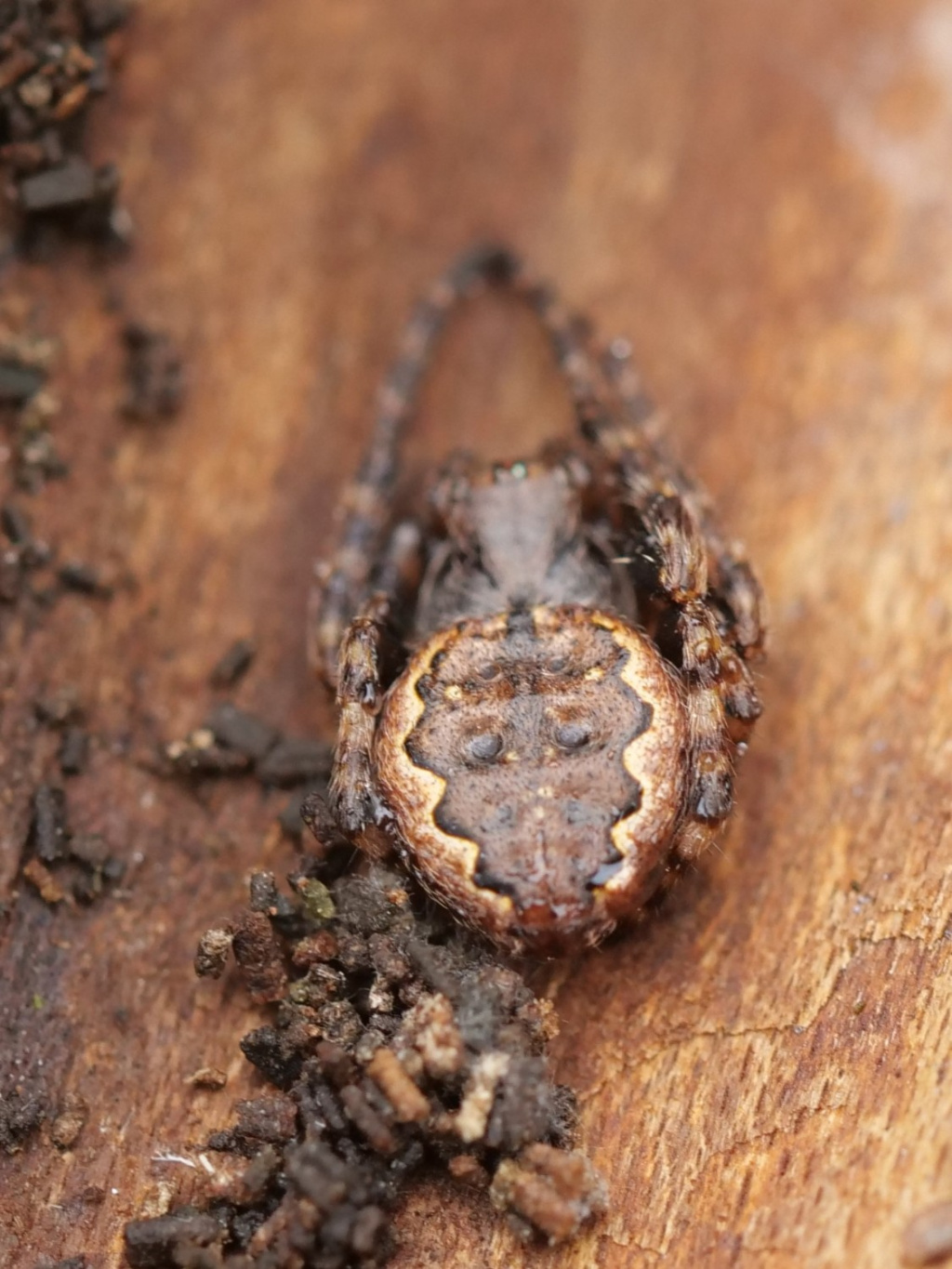
- Nuctenea umbratica (Clerck, 1757)
- Common name
- Toad Spider
- Synonyms
- Aranea sexpunctata Linnaeus, 1758, Araneus umbraticus Clerck, 1757
- Taxonomy
- Animalia :: Araneae :: Araneidae
- arboreal
- decaying wood
Distribution
The species is widespread in Britain, but is scattered in the north and rare in northern Scotland. It is widespread in western and central Europe.Habitat and ecology
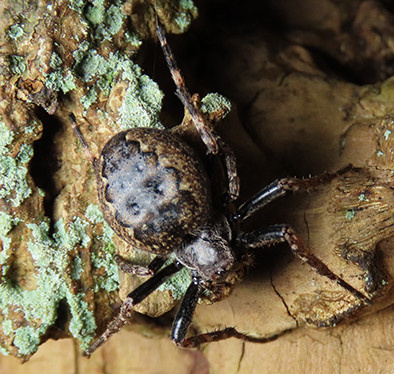
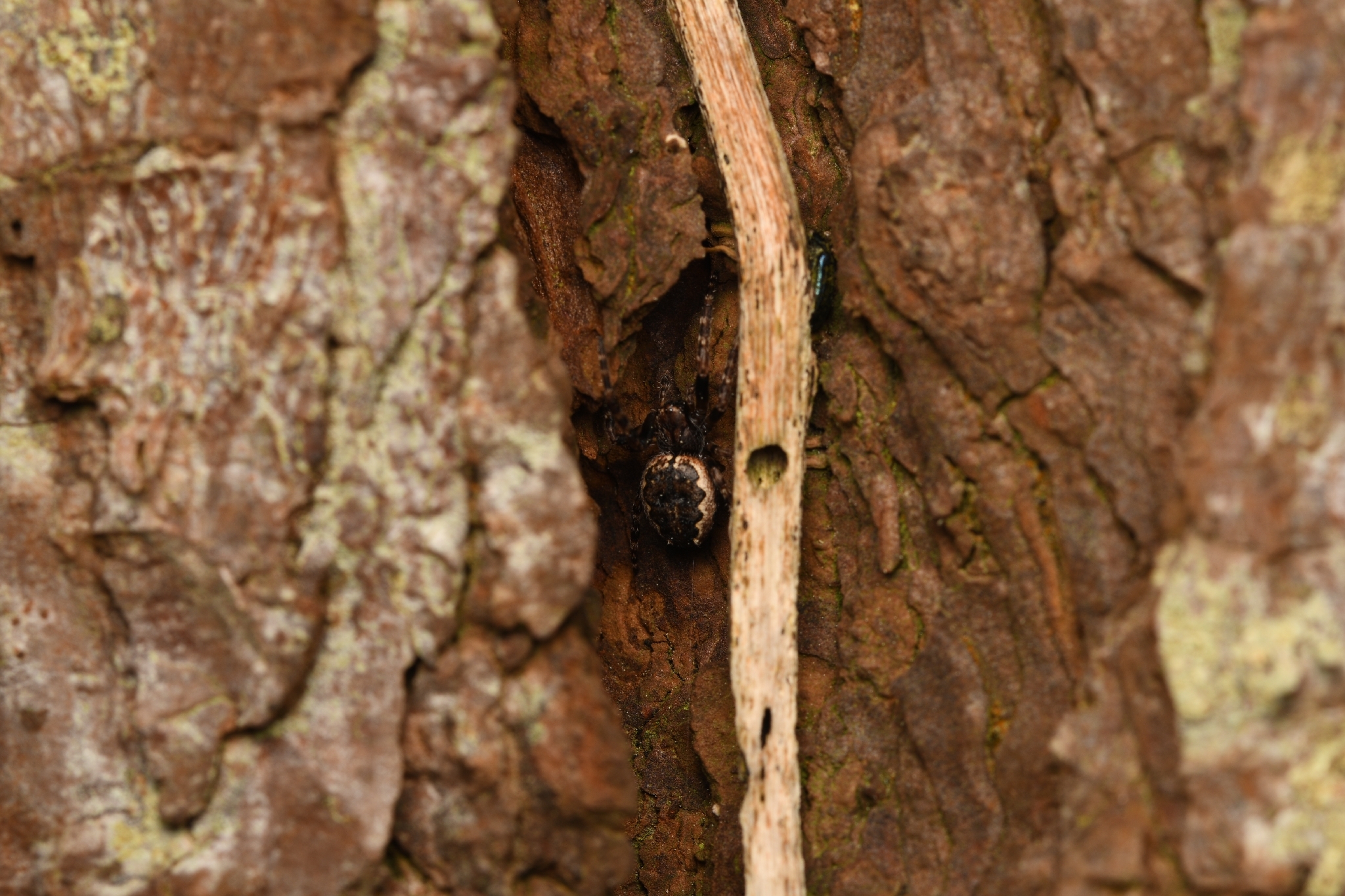
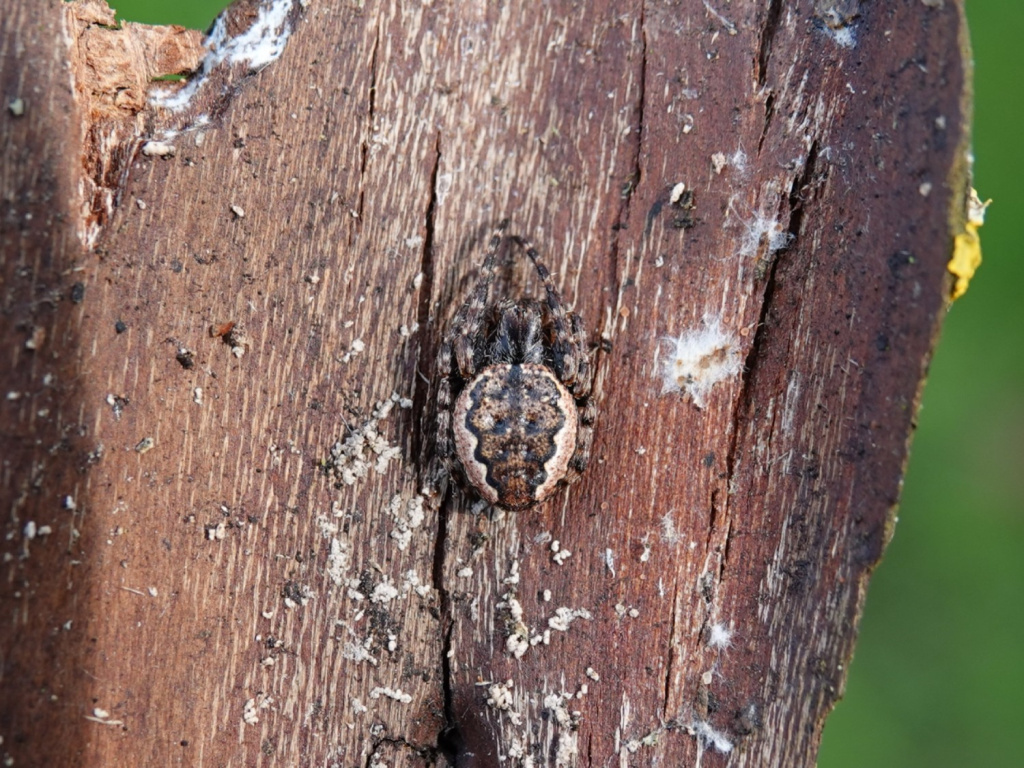
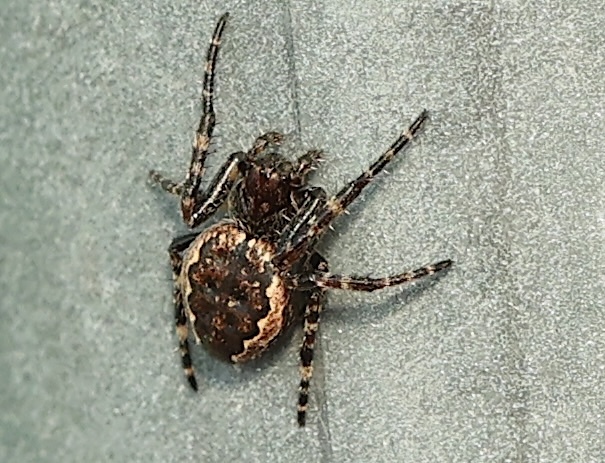
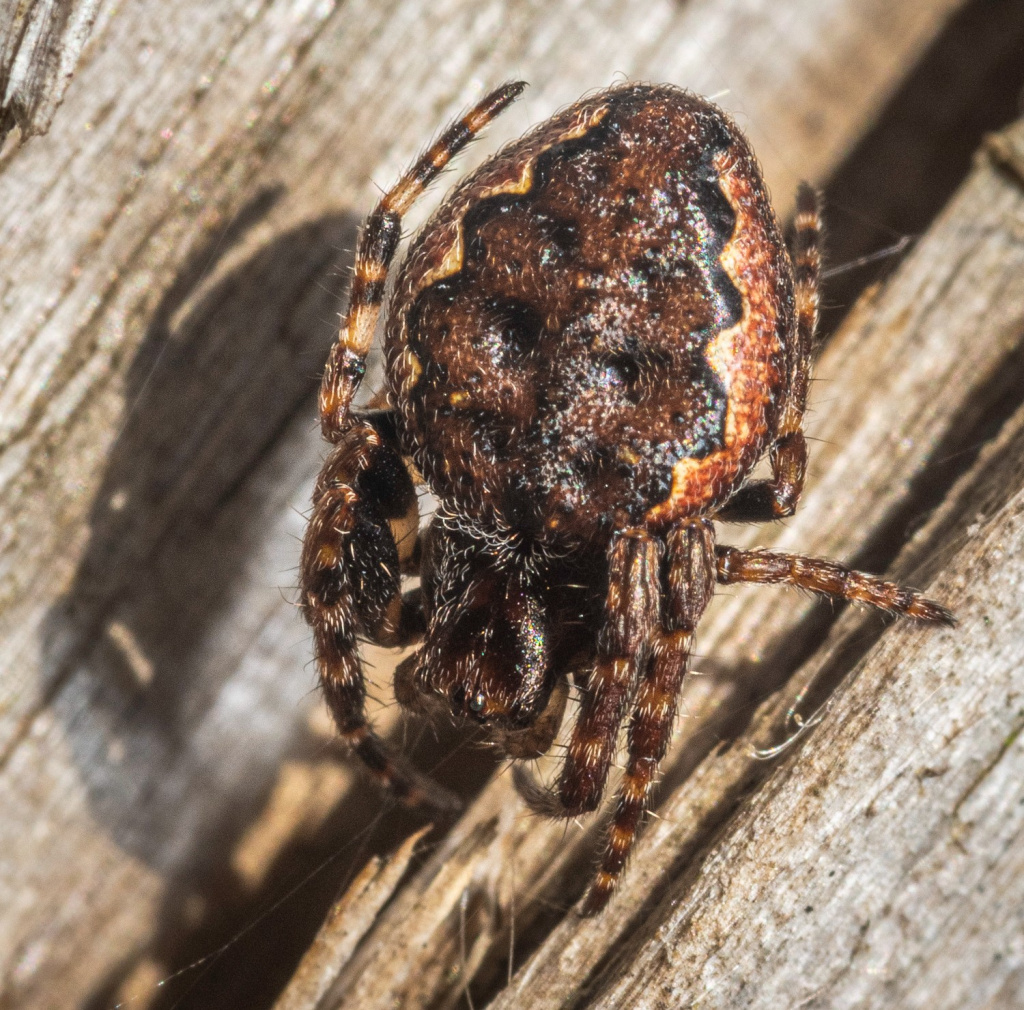
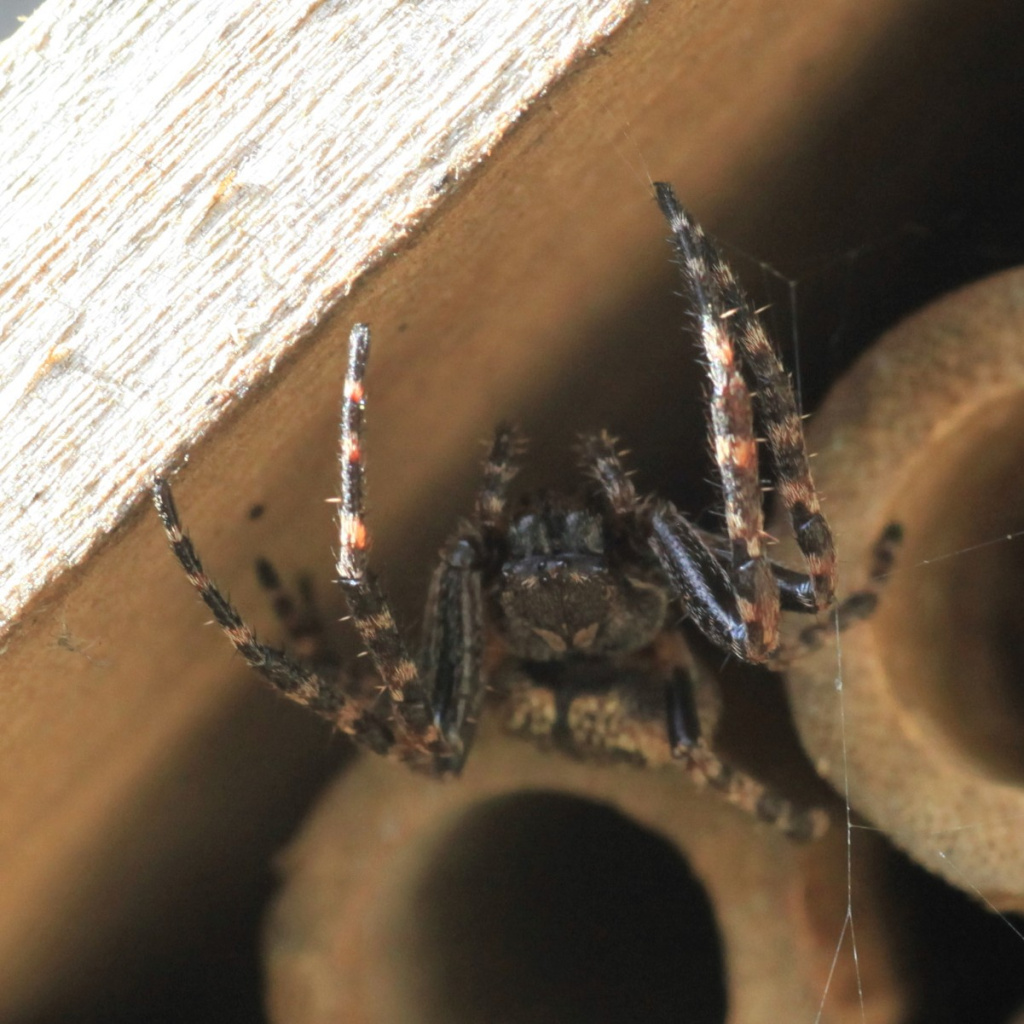
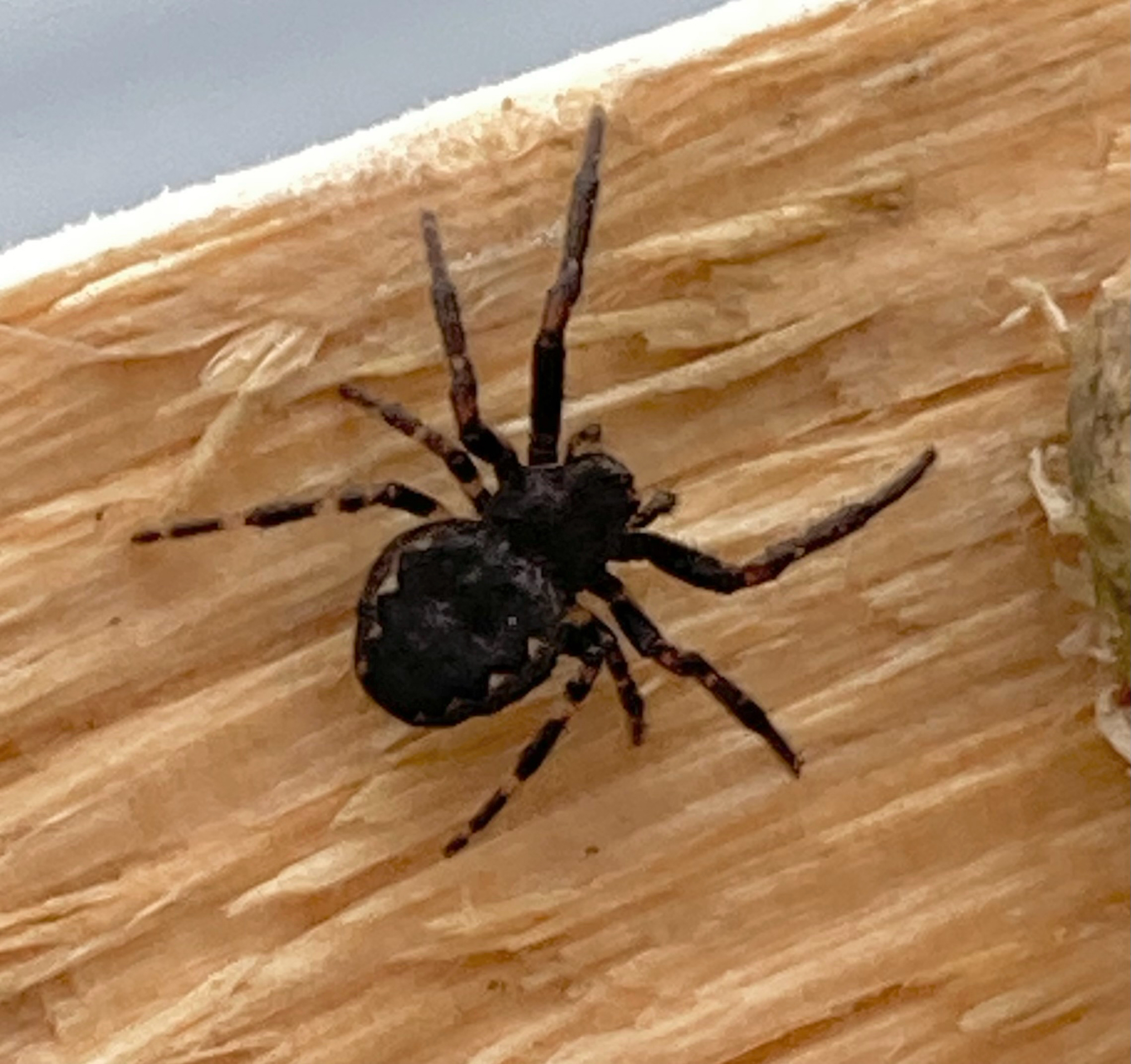
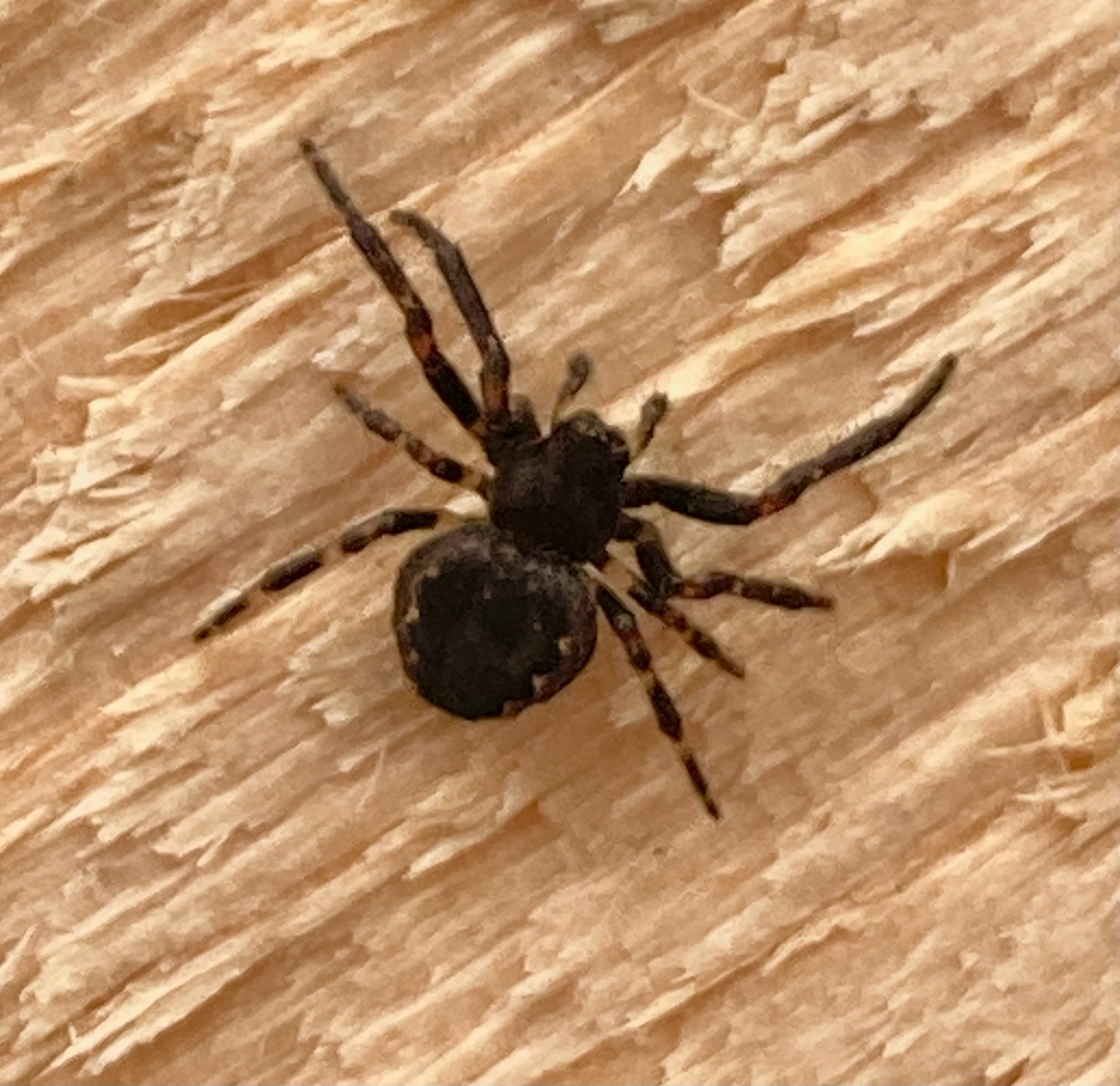
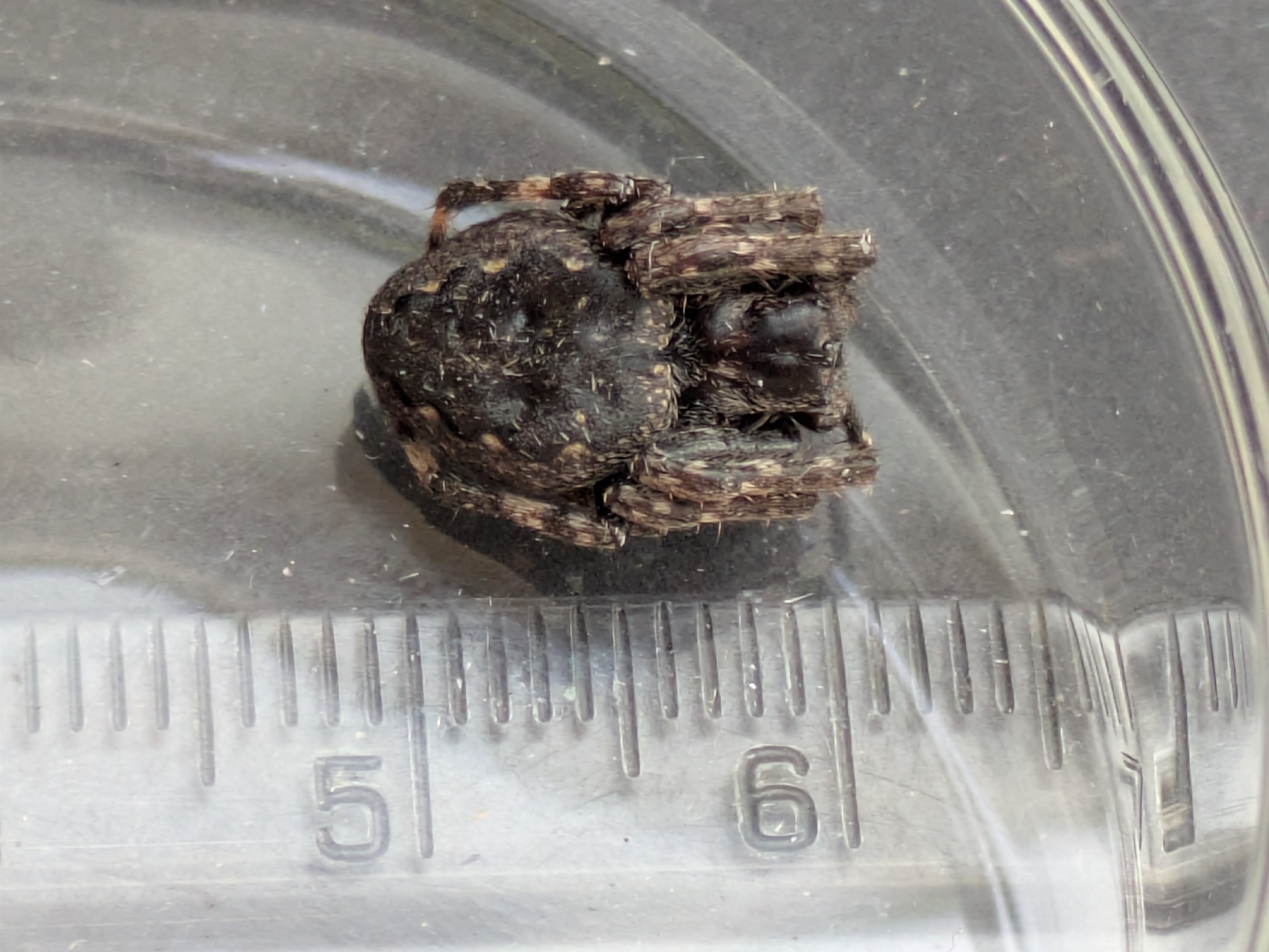
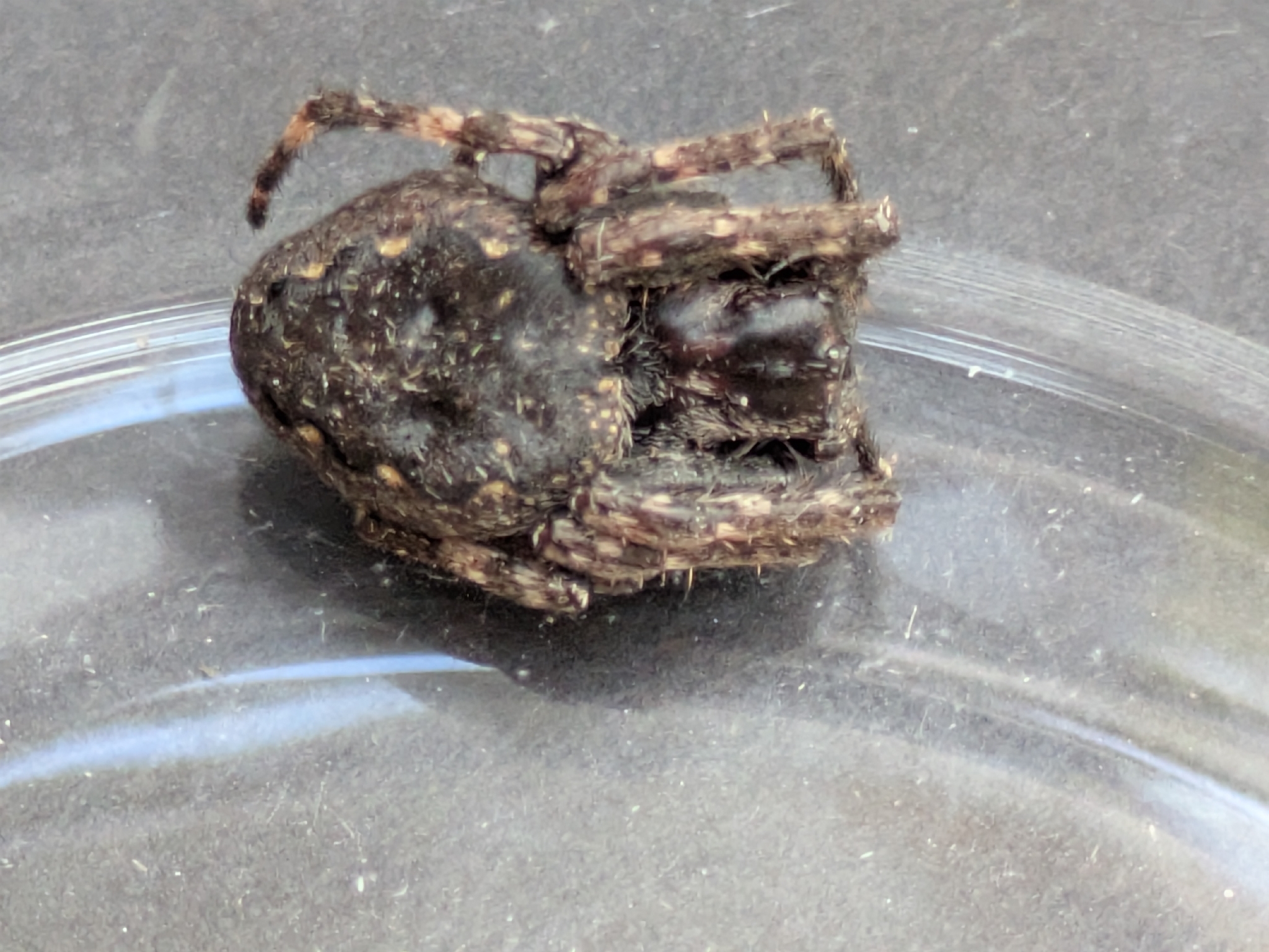
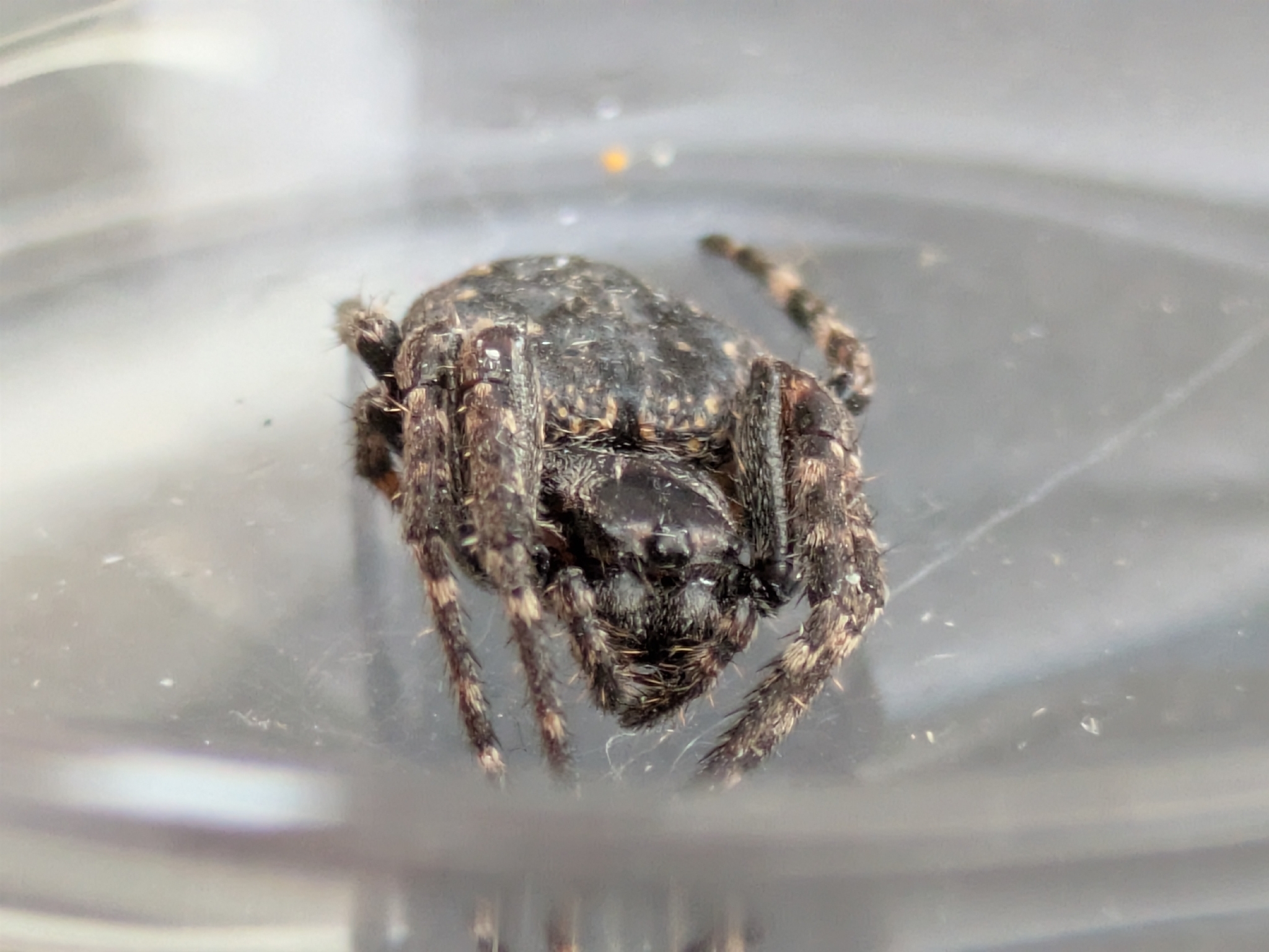
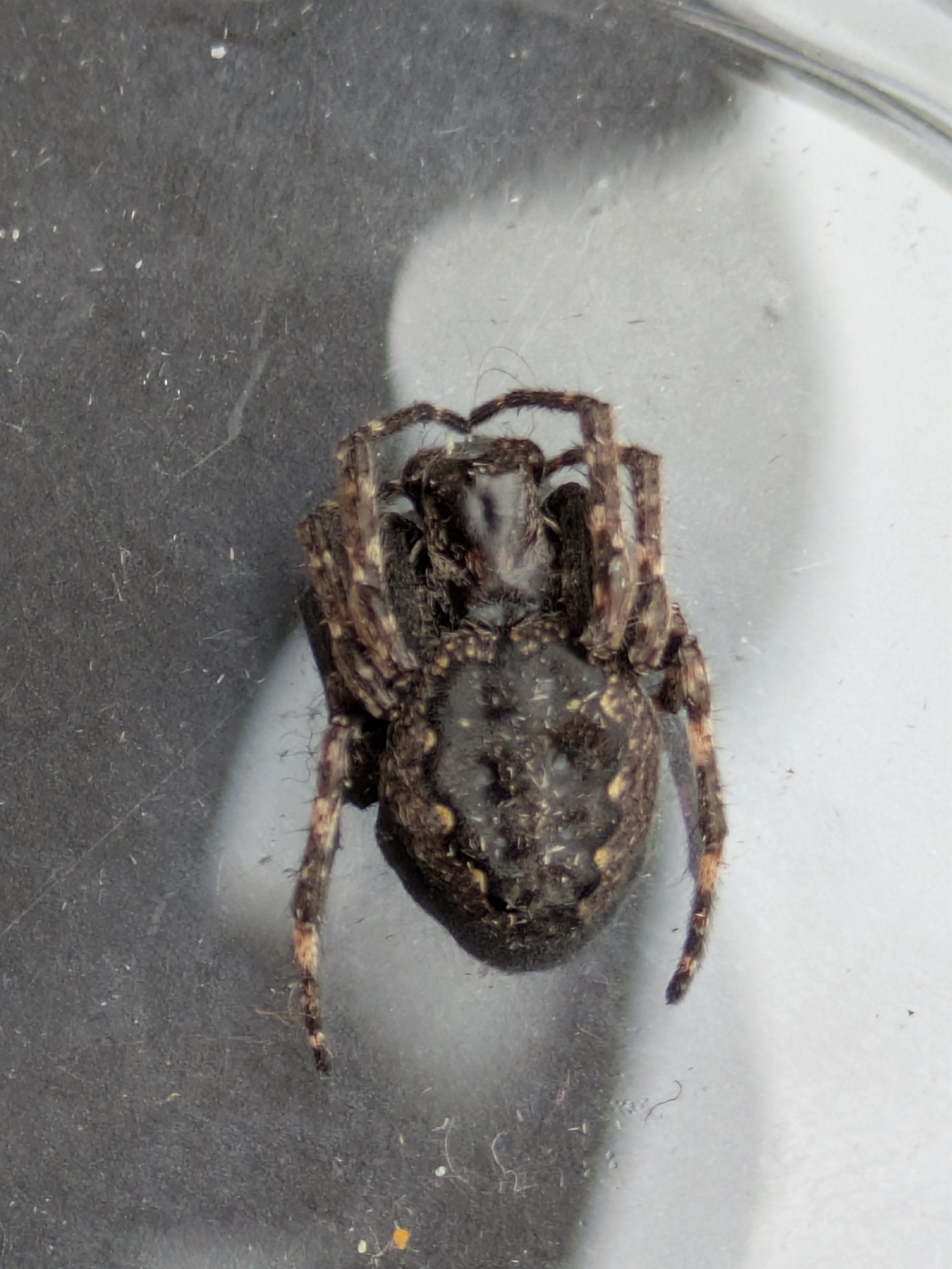
The spider conceals itself under bark and in fissures in posts and fences during the daytime. In some areas it is a common resident of window and door frames. The body is flattened and this assists the spider to secrete itself in the cracks and fissures. This spider is nocturnal and builds a conspicuous orb web between its retreat and surrounding vegetation. Whilst the web is usually empty during the day, the spider can be found hidden away nearby. Adults of both sexes are found mainly between late spring and autumn, but females and occasionally males can be found during the winter.Status
Common. Original author of profile: D. Marriott Text based on Harvey, P.R., Nellist, D.R. & Telfer, M.G. (eds) 2002. Provisional atlas of British spiders (Arachnida, Araneae), Volumes 1 & 2. Huntingdon: Biological Records Centre.Stats
- First recorded
- 1820
- Last recorded
- 2026
- Total records
- 6,094
- Total visits
- 6,014
Conservation status
Nuctenea umbratica
| Source | Reporting category | Designation | Date designated | Comments |
|---|---|---|---|---|
| A Review of the scarce and threatened spiders (Araneae) of Great Britain: Species Status No. 22 (Sep 2017) | Red listing based on 2001 IUCN guidelines | Least concern | 42979 |
Photos and media

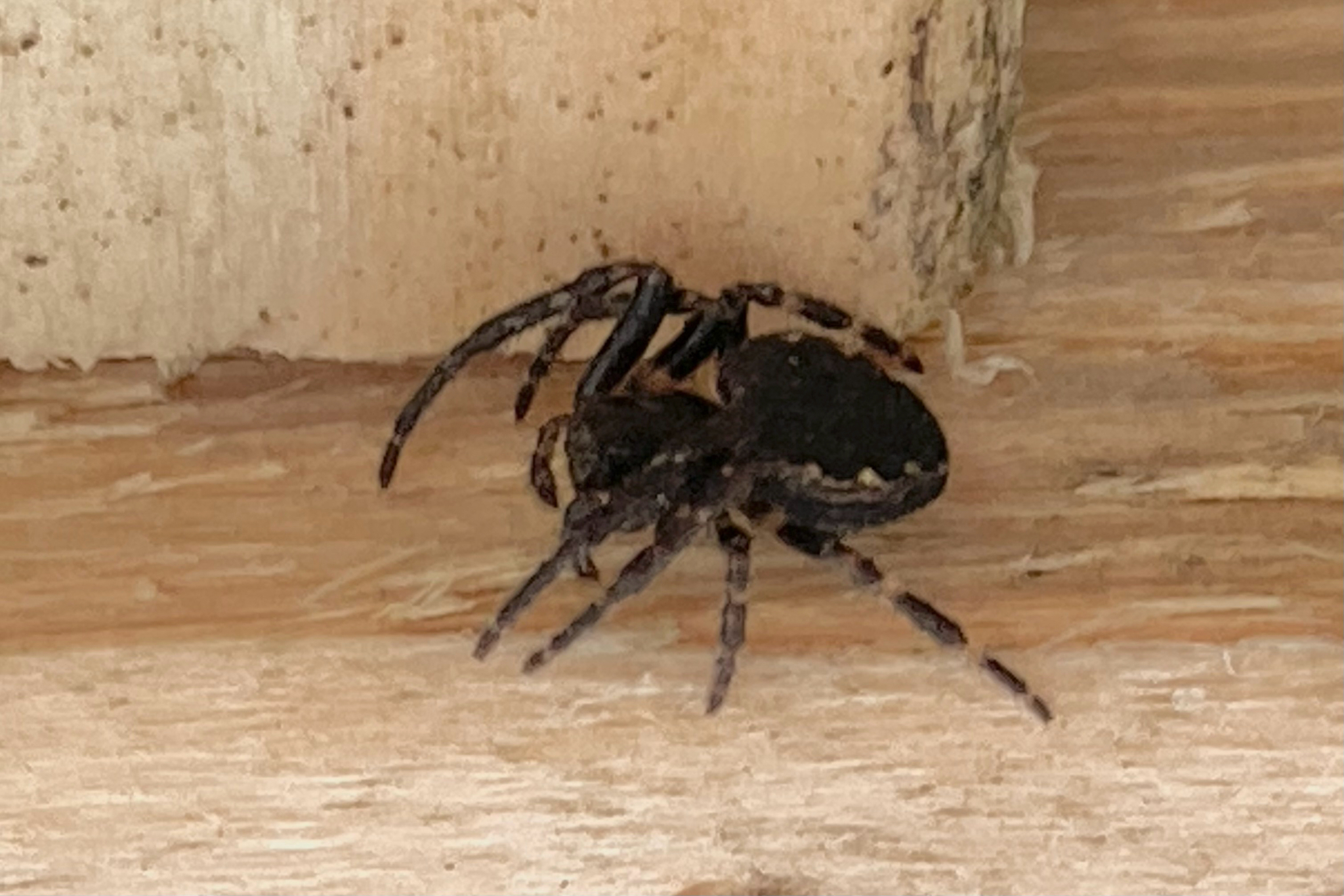

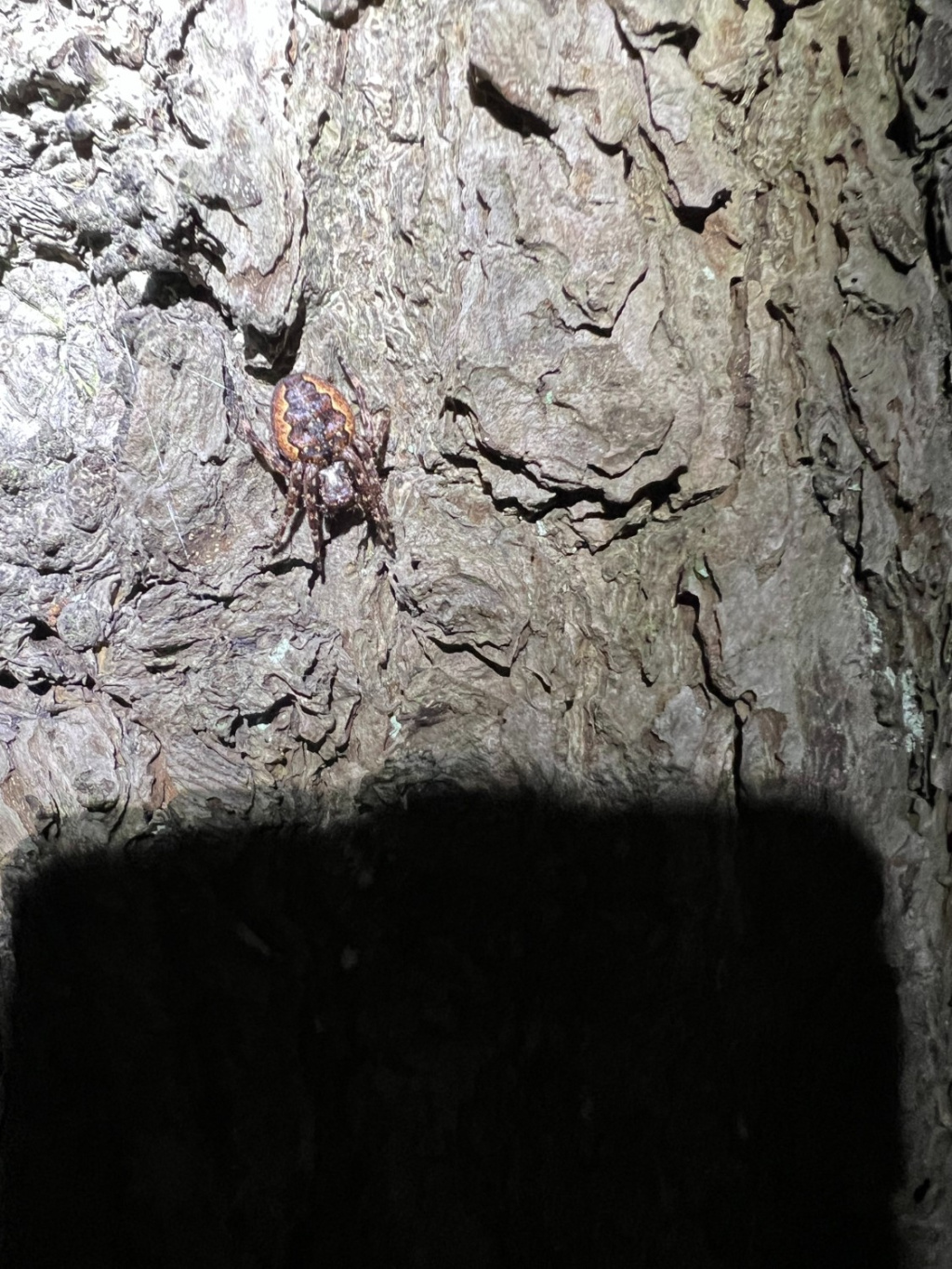
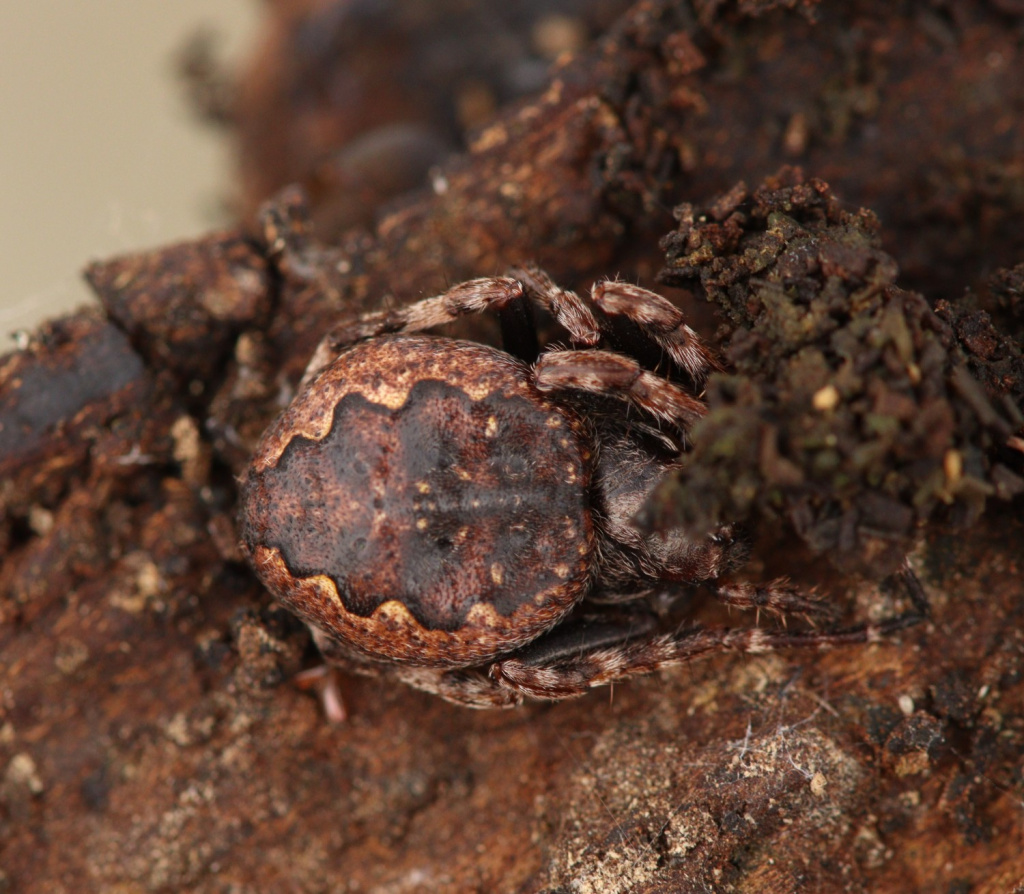
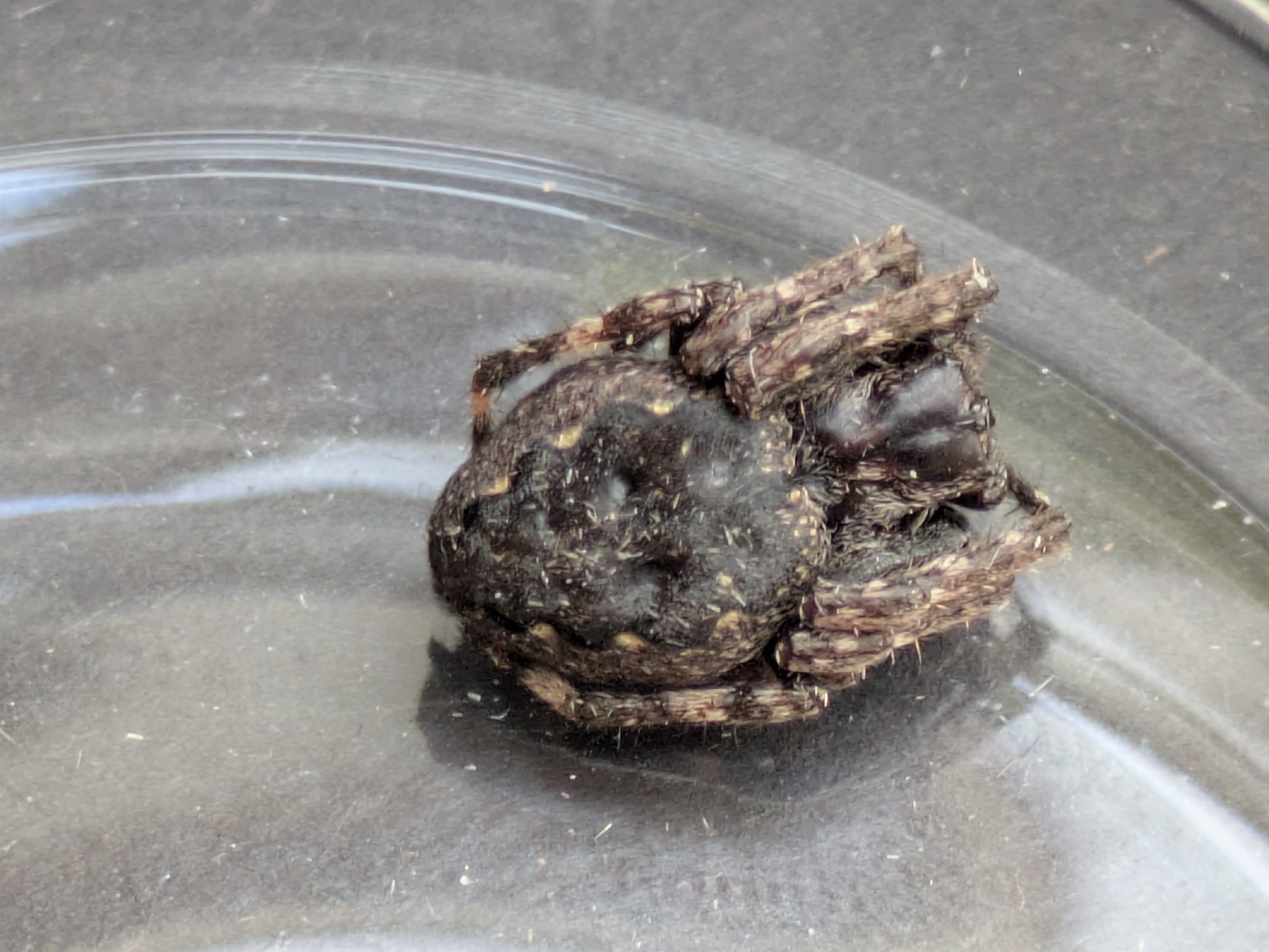
Spatial distribution - hectad map
Click on one of the date ranges in the key to highlight that particular range. Click anywhere else on the map to go back to all three date ranges.
Thresholds:
Move mouse cursor over dot for info
Rejected records are excluded from this map. Unverified records are included.
Temporal distribution - records by year
Records that span more than one year are not included in this chart.
Temporal distribution - records by week
__