
Species Details
- Species name
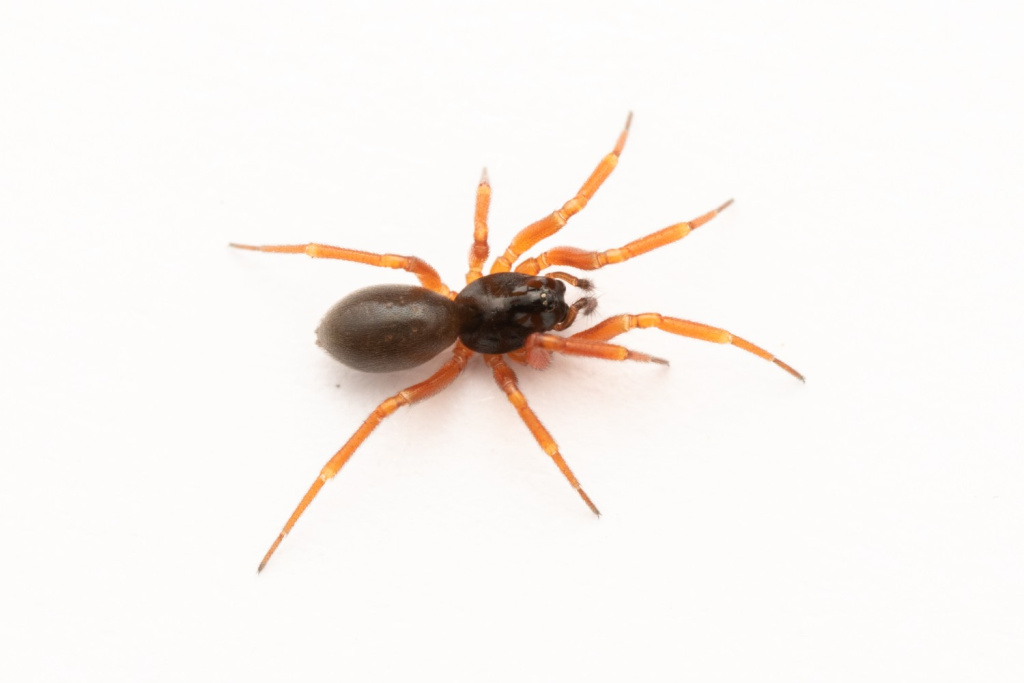
- Walckenaeria obtusa Blackwall, 1836
- Synonyms
- Walckenaeria obtusus, Walckenaera obtusa Blackwall, 1836, Trachynella obtusa (Blackwall, 1836)
- Taxonomy
- Animalia :: Araneae :: Linyphiidae
- shaded woodland floor
Distribution
Widespread in southern Britain but becoming very scattered in the north. A Palaearctic species widespread in north-western and central Europe. It has not been recorded from Ireland.Habitat and ecology
The spider occurs in moss and grass, usually in broad-leaved woodland. Males probably occur from late autumn through the winter and spring.Status
Uncommon and evidence suggests significant decline.Threats
In the past, conversion of ancient woodland to intensive forestry represented a threat. It is also possible that the ending of coppicing in traditionally managed broadleaf woodlands may have affected this species although too little is known of its ecology and micro-habitat requirements to be sure what threats it faces.Management and conservation
Conversion of broadleaf woodland to conifer plantations should be avoided and traditional coppice rotations maintained where possible. Until more information on its ecological requirements becomes available, precise management recommendations cannot be formulated. Text based on Dawson, I.K., Harvey, P.R., Merrett, P. & Russell-Smith, A.R. (in prep.).Stats
- First recorded
- 1835
- Last recorded
- 2024
- Total records
- 179
- Total visits
- 177
Conservation status
Walckenaeria obtusa
| Source | Reporting category | Designation | Date designated | Comments |
|---|---|---|---|---|
| A Review of the scarce and threatened spiders (Araneae) of Great Britain: Species Status No. 22 (Sep 2017) | Rare and scarce species | Nationally Scarce. Includes Red Listed taxa | 42979 | |
| A Review of the scarce and threatened spiders (Araneae) of Great Britain: Species Status No. 22 (Sep 2017) | Red listing based on 2001 IUCN guidelines | Least concern | 42979 | Too little is known of the ecology and micro-habitat requirements of this species to be sure what threats it faces and whether the size of the apparent decline is real. Threats: In the past, conversion of ancient woodland to intensive forestry represented a threat. It is also possible that the ending of coppicing in traditionally managed broadleaf woodlands may have affected this species although too little is known of its ecology and micro-habitat requirements to be sure what threats it faces. |
Photos and media
Spatial distribution - hectad map
Click on one of the date ranges in the key to highlight that particular range. Click anywhere else on the map to go back to all three date ranges.
Thresholds:
Move mouse cursor over dot for info
Rejected records are excluded from this map. Unverified records are included.
Temporal distribution - records by year
Records that span more than one year are not included in this chart.
Temporal distribution - records by week
__