
Species Details
- Species name
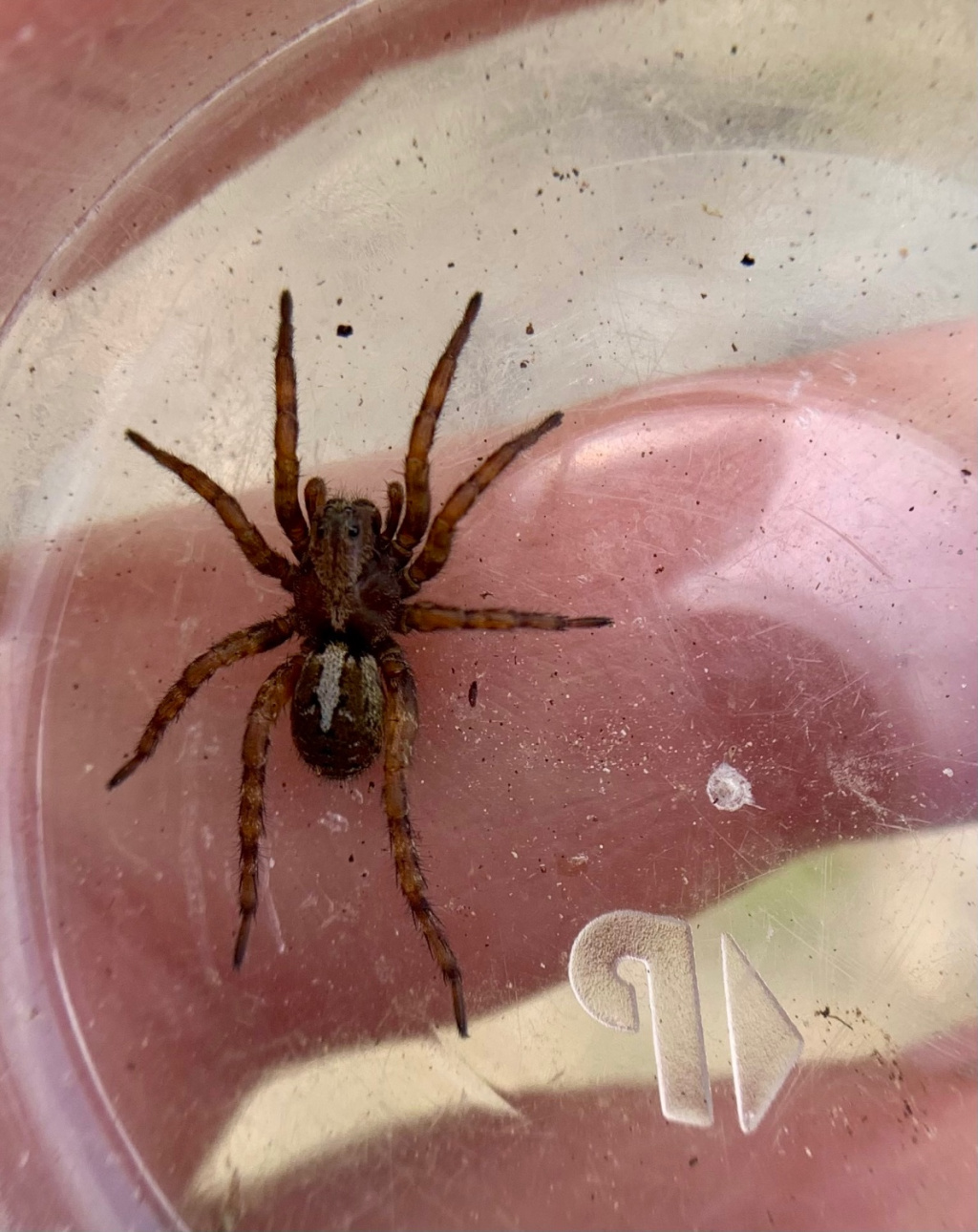
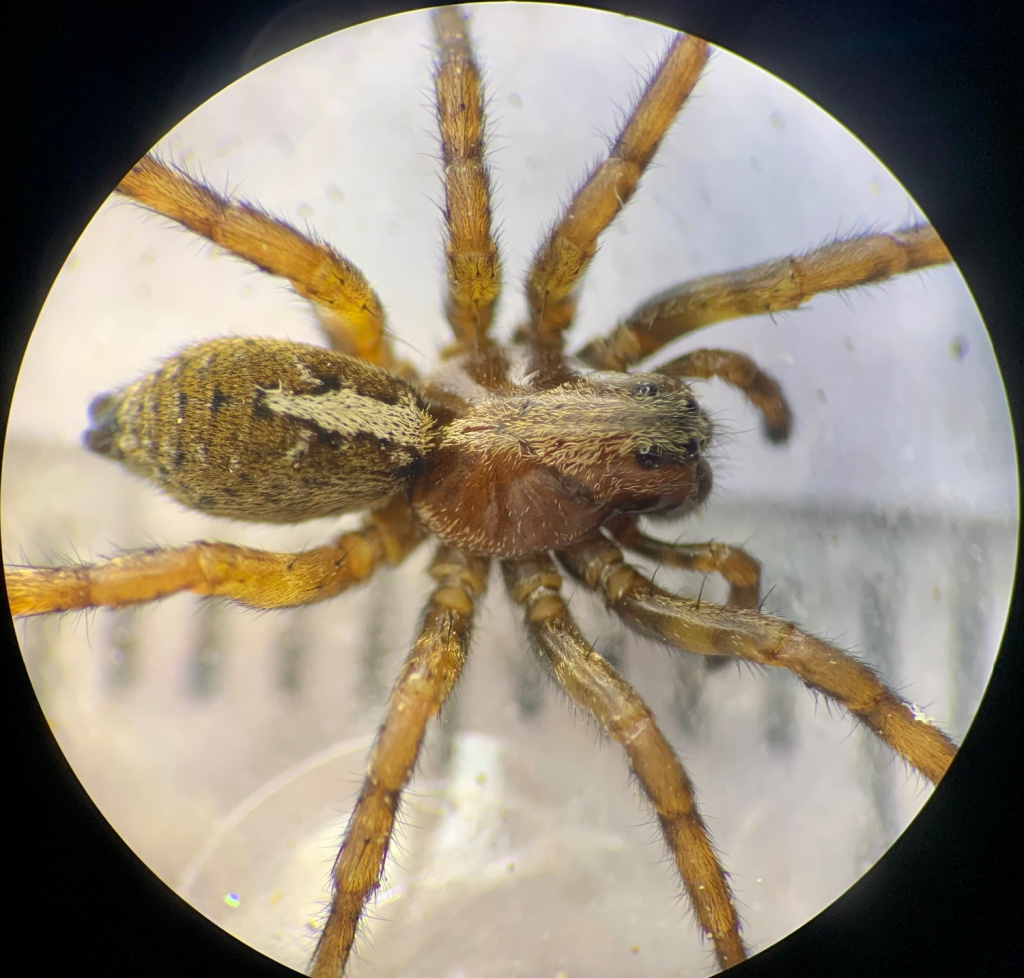
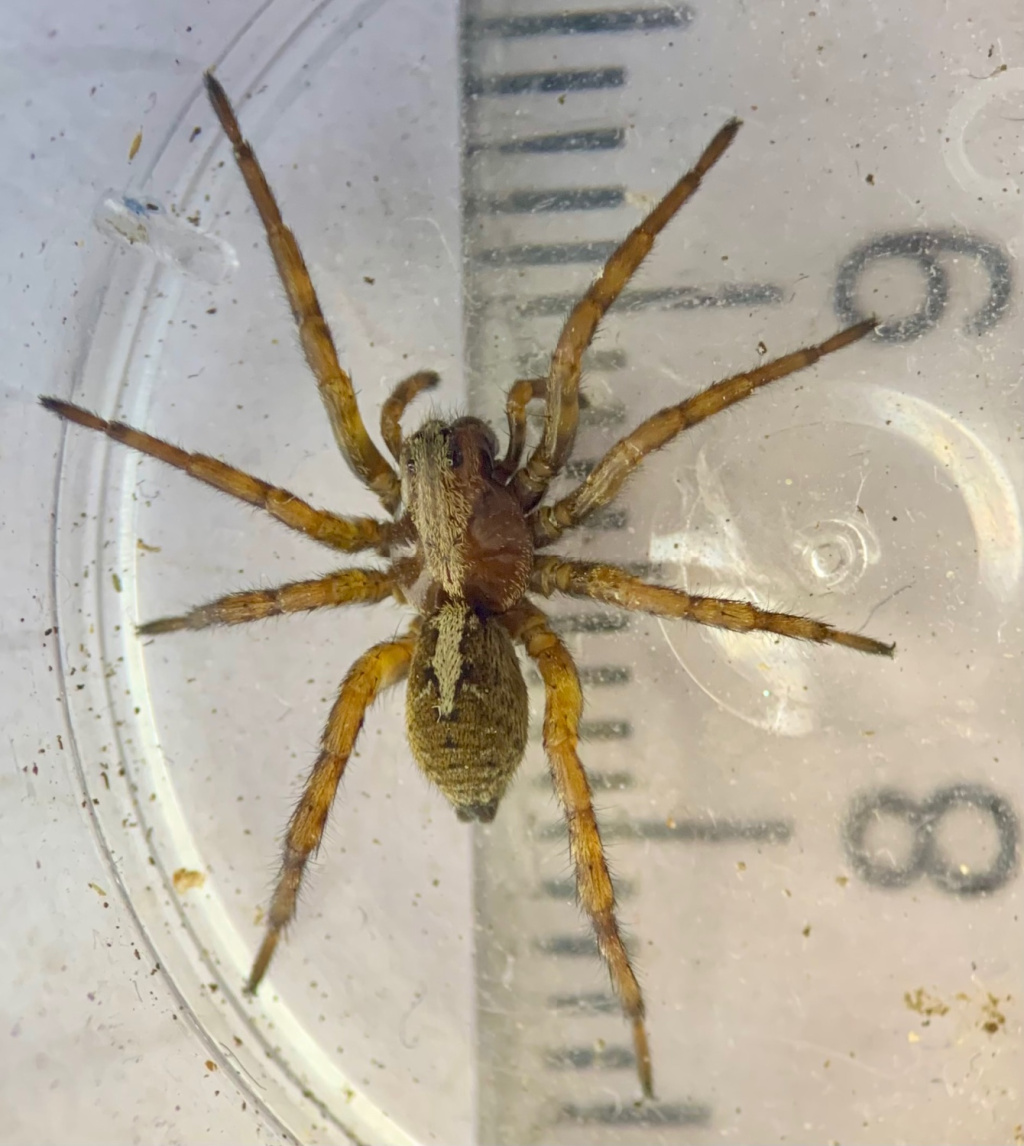
- Arctosa alpigena (Doleschall, 1852)
- Synonyms
- Arctosa biunguiculata (O.P.-Cambridge, 1873), Tricca alpigena (Doleschall, 1852)
- Taxonomy
- Animalia :: Araneae :: Lycosidae
- tall sward & scrub
- upland
Distribution
The species was originally recorded from a mountain near Braemar, South Aberdeenshire, in 1872, as Trochosa biunguiculata. It has since been found in South Aberdeenshire, Banffshire, East Inverness-shire, West Inverness-shire, East Ross, West Ross and Perthshire. The species is well established in the Cairngorms, though probably rather local. The strongest population known is on the south slopes of Cairngorm. The spider is also known from France, Switzerland, Austria, Hungary, Sweden, Norway, Finland and Iceland.Habitat and ecology
High mountain plateaux. Found on mountains above 1,000 metres, in silk tubes in densely matted vegetation dominated by Empetrum or Nardus stricta, with Vaccinium, Cladonia, Racomitrium, etc. Trapping on Creag Meagaidh showed it to be most frequent in Nardus stricta snow-bed grassland (which was also the habitat on Sgurr nan Clach Geala) and to a lesser extent in Racomitrium lanuginosum moss heath. The spiders spend much of their time below the vegetation mat and are only occasionally seen running in the open. Adults of both sexes have been found in June and July, and females also in May and until the end of August.Status
Recorded from four locations since 1992 and showing a decline in area of occupancy of 67% (or 56%?) from nine hectads before 1992 to four hectads since that date. The low number of locations with recent records might suggest the species is Endangered but the specialised high-altitude habitat may be under-recorded, especially as warm sunshine is needed to encourage the spider out into the open. A programme of pitfall trapping is usually needed to establish its presence. Therefore the spider has been considered Vulnerable.Threats
The high altitude vegetation which forms the habitat of this species is fragile and slow growing, and prone to damage from hill walkers and skiers. Climate change may threaten the long-term survival of this species.Management and conservation
Protect alpine vegetation from damage associated with recreational development. Text based on Dawson, I.K., Harvey, P.R., Merrett, P. & Russell-Smith, A.R. (in prep.).Stats
- First recorded
- 1872
- Last recorded
- 2025
- Total records
- 46
- Total visits
- 45
Conservation status
Arctosa alpigena
| Source | Reporting category | Designation | Date designated | Comments |
|---|---|---|---|---|
| A Review of the scarce and threatened spiders (Araneae) of Great Britain: Species Status No. 22 (Sep 2017) | Rare and scarce species | Nationally Rare. Includes Red Listed taxa | 01/09/2017 | |
| A Review of the scarce and threatened spiders (Araneae) of Great Britain: Species Status No. 22 (Sep 2017) | Red listing based on 2001 IUCN guidelines | Vulnerable | 01/09/2017 | Although its habitat is increasingly threatened by climate change, the apparent extent of decline is not accepted because this species is hard to find and a degree of under-recording is likely; the species probably persists at a number of locations. VU proposed rather than EN. Threats: The high altitude vegetation which forms the habitat of this species is fragile and slow growing, and prone to damage from hill walkers and skiers. Climate change may threaten the long-term survival of this species. |
Photos and media
Spatial distribution - hectad map
Click on one of the date ranges in the key to highlight that particular range. Click anywhere else on the map to go back to all three date ranges.
Thresholds:
Move mouse cursor over dot for info
Rejected records are excluded from this map. Unverified records are included.
Temporal distribution - records by year
Records that span more than one year are not included in this chart.
Temporal distribution - records by week
__