
Species Details
- Species name
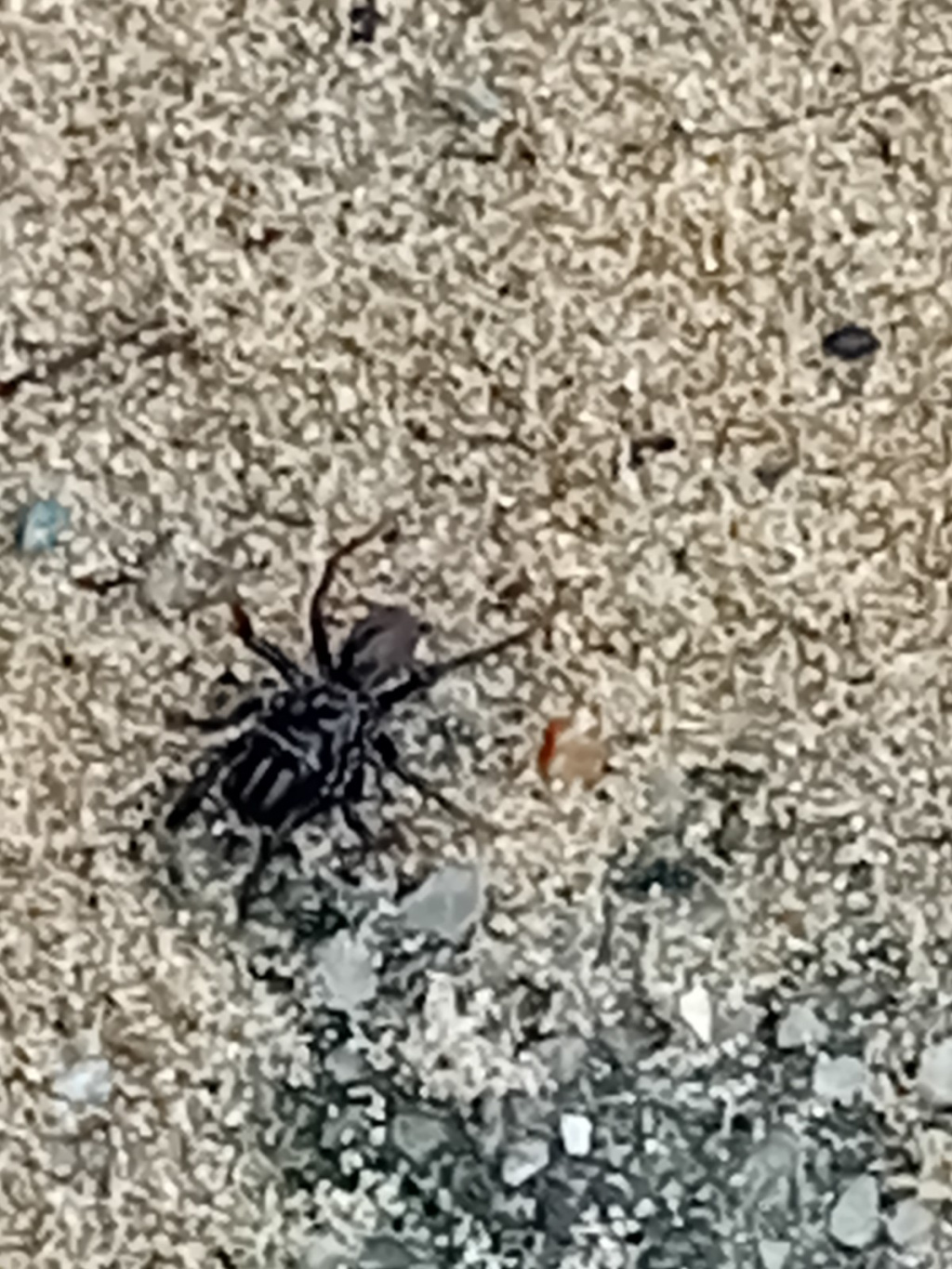
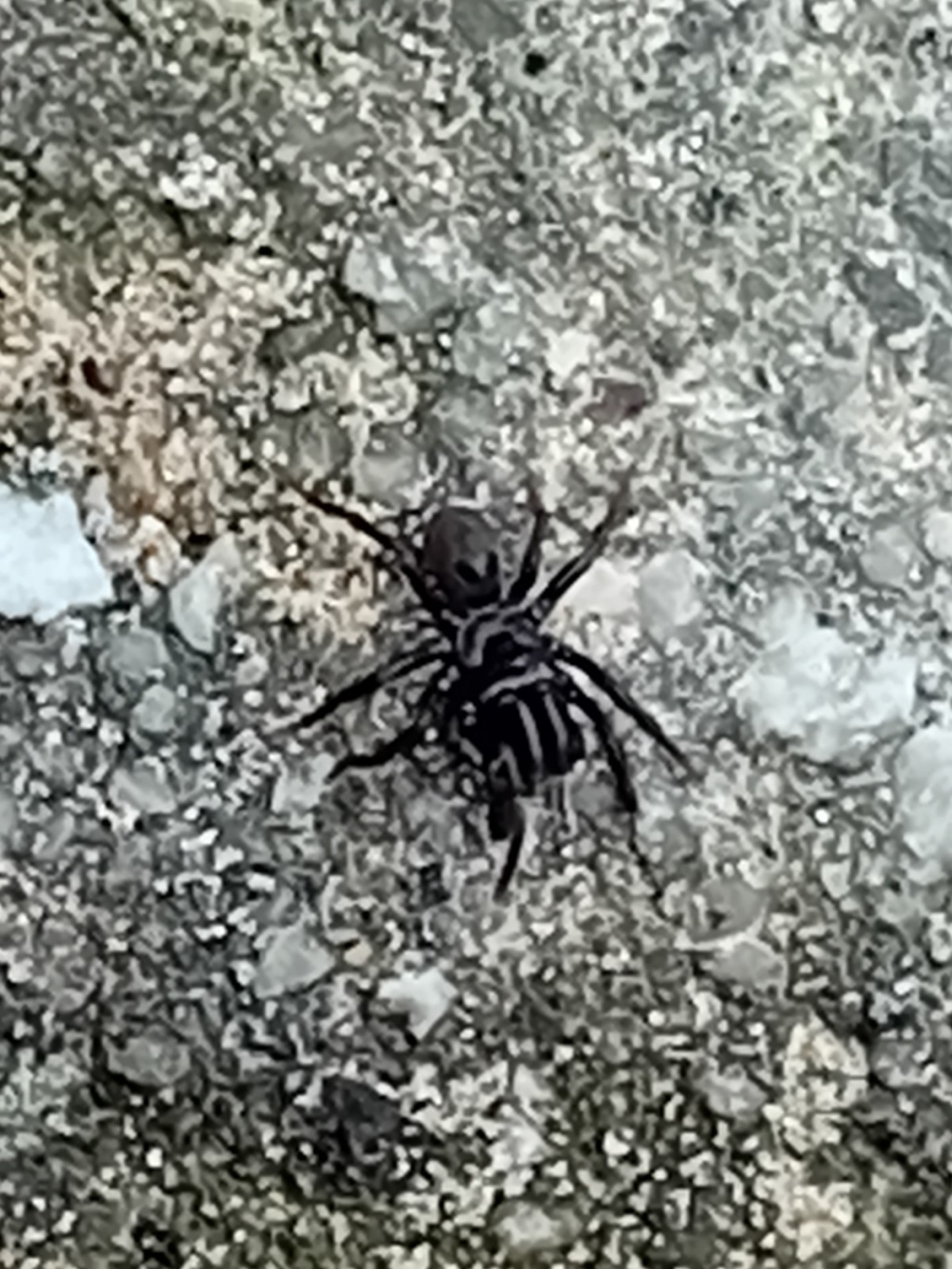
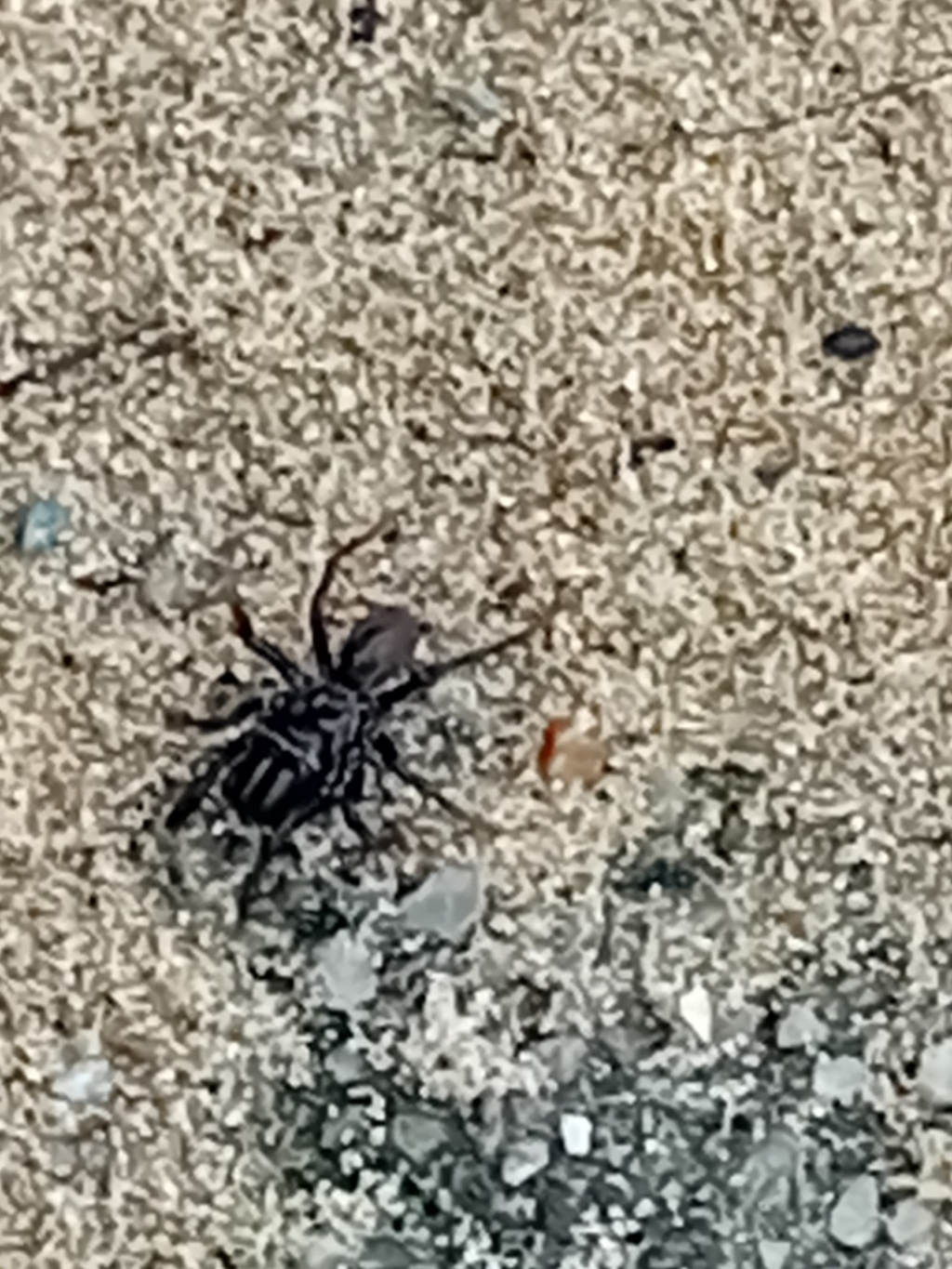
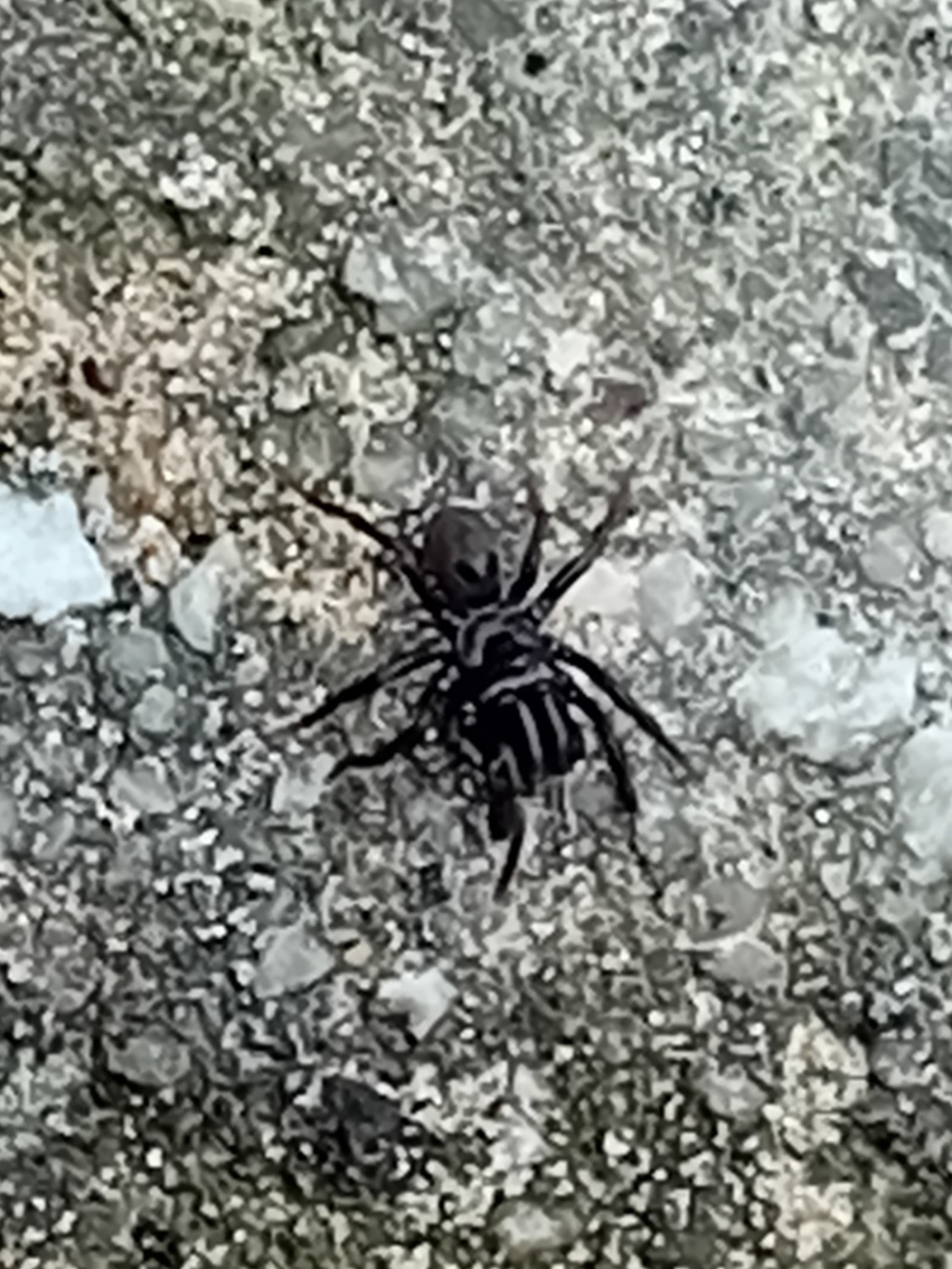
- Atypus affinis Eichwald, 1830
- Common name
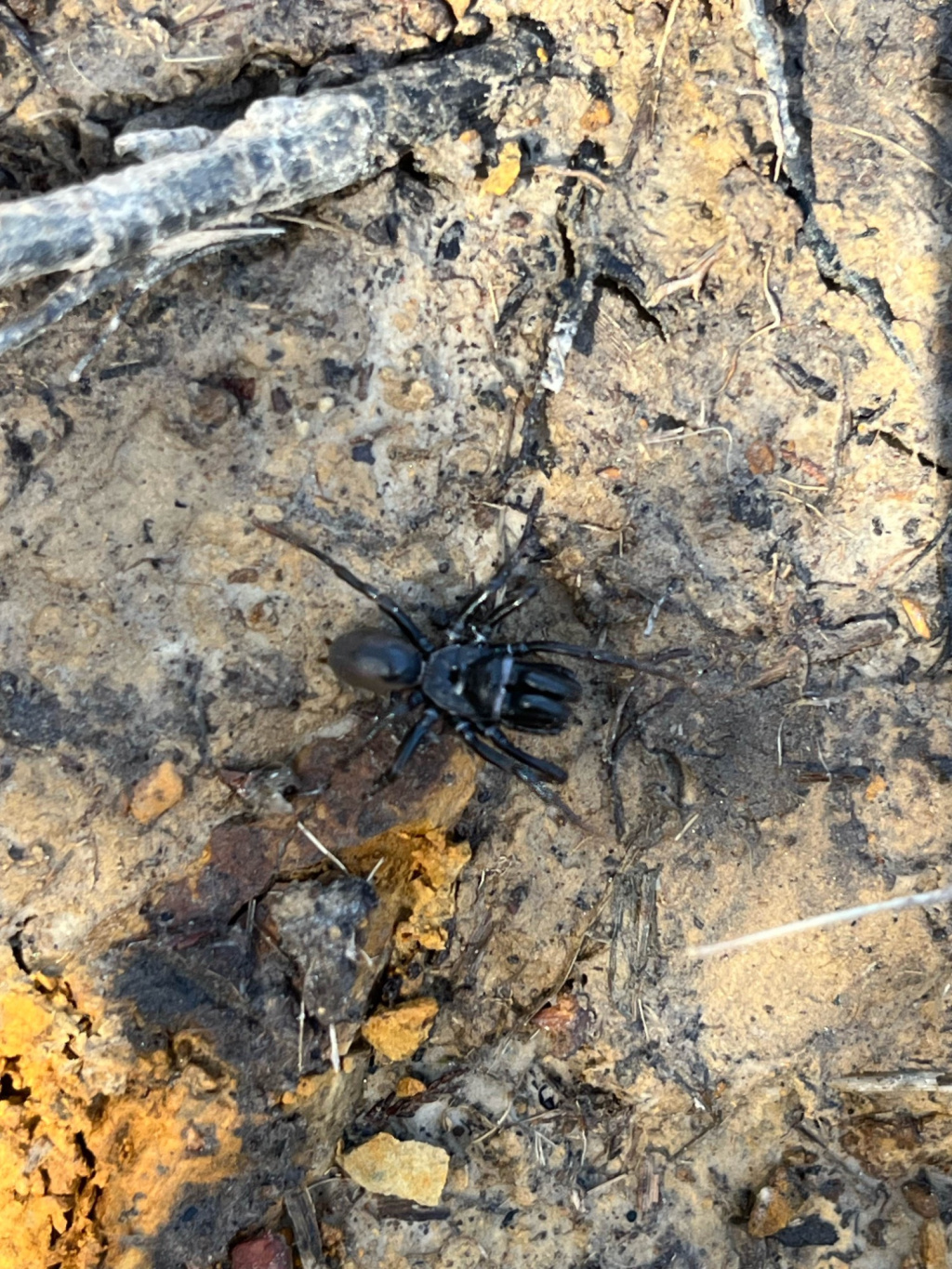
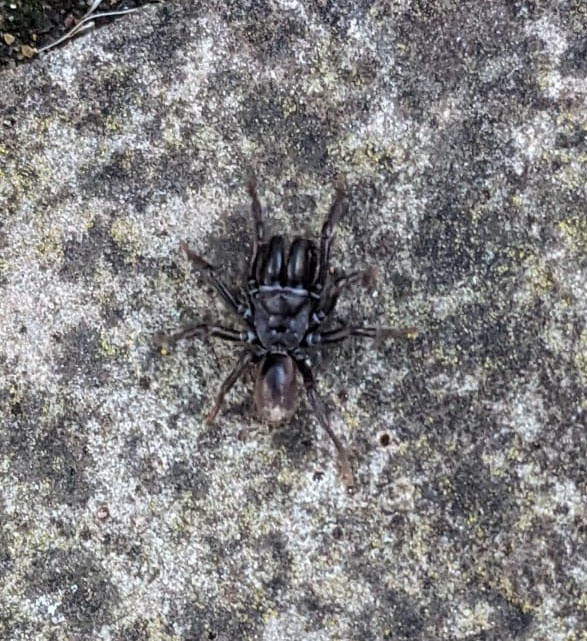
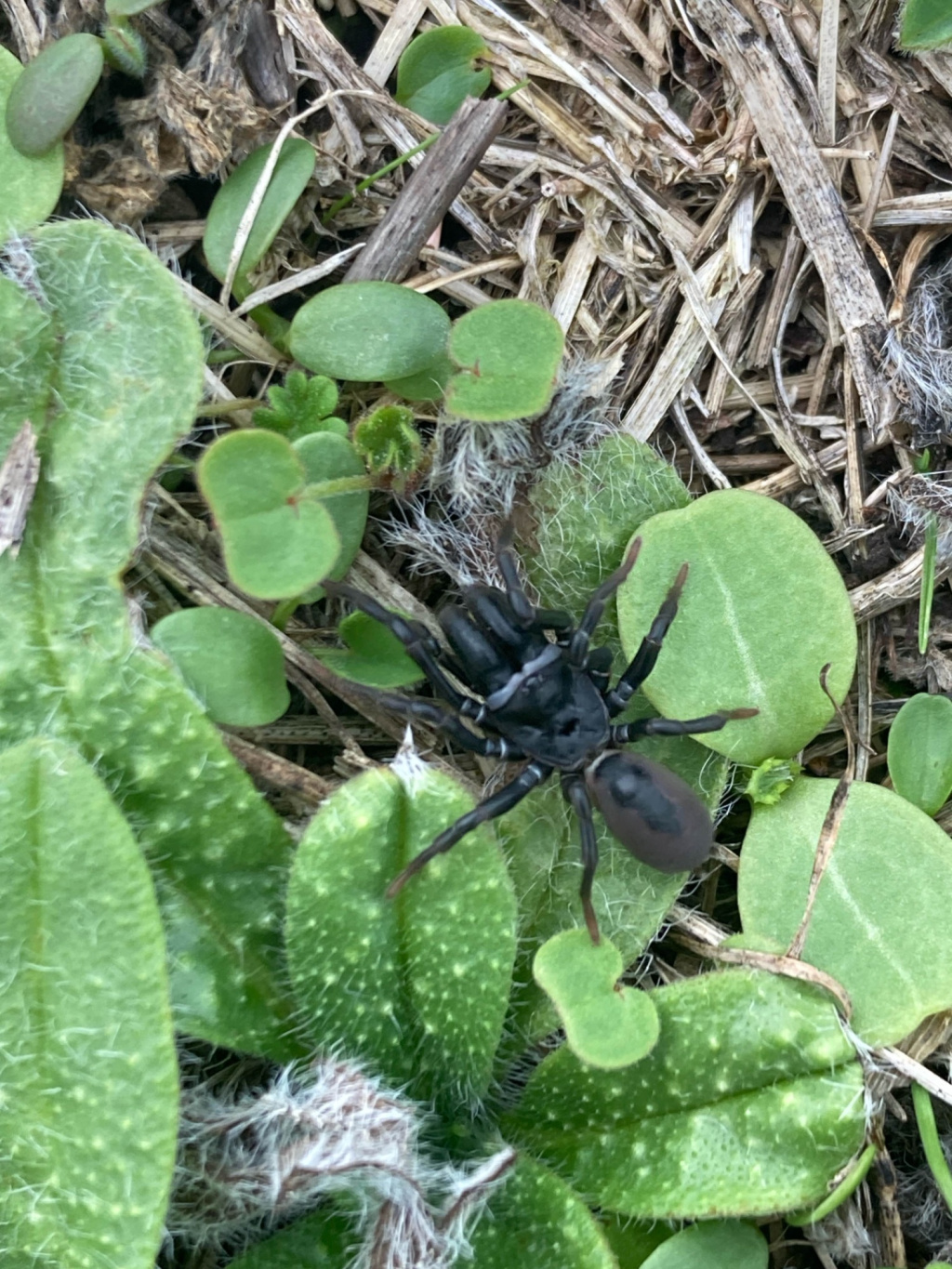
- Purse Web Spider
- Synonyms
- Atypus blackwalli, Atypus piceus, Atypus sulzeri
- Taxonomy
- Animalia :: Araneae :: Atypidae
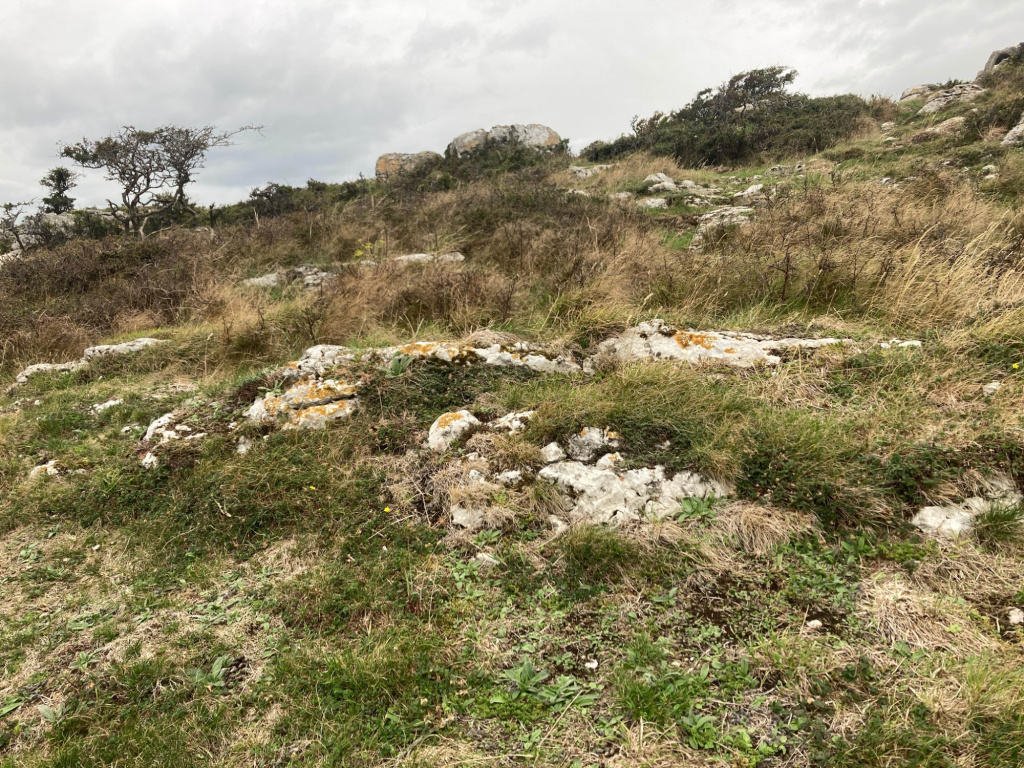
- tall sward & scrub
Distribution
The species is widely distributed in southern Britain but there are scattered coastal records as far north as south-west Scotland. It is widespread in western and central Europe as far north as Denmark and Sweden where it is listed in the Red List (Gardenfors 2000).Habitat and ecology
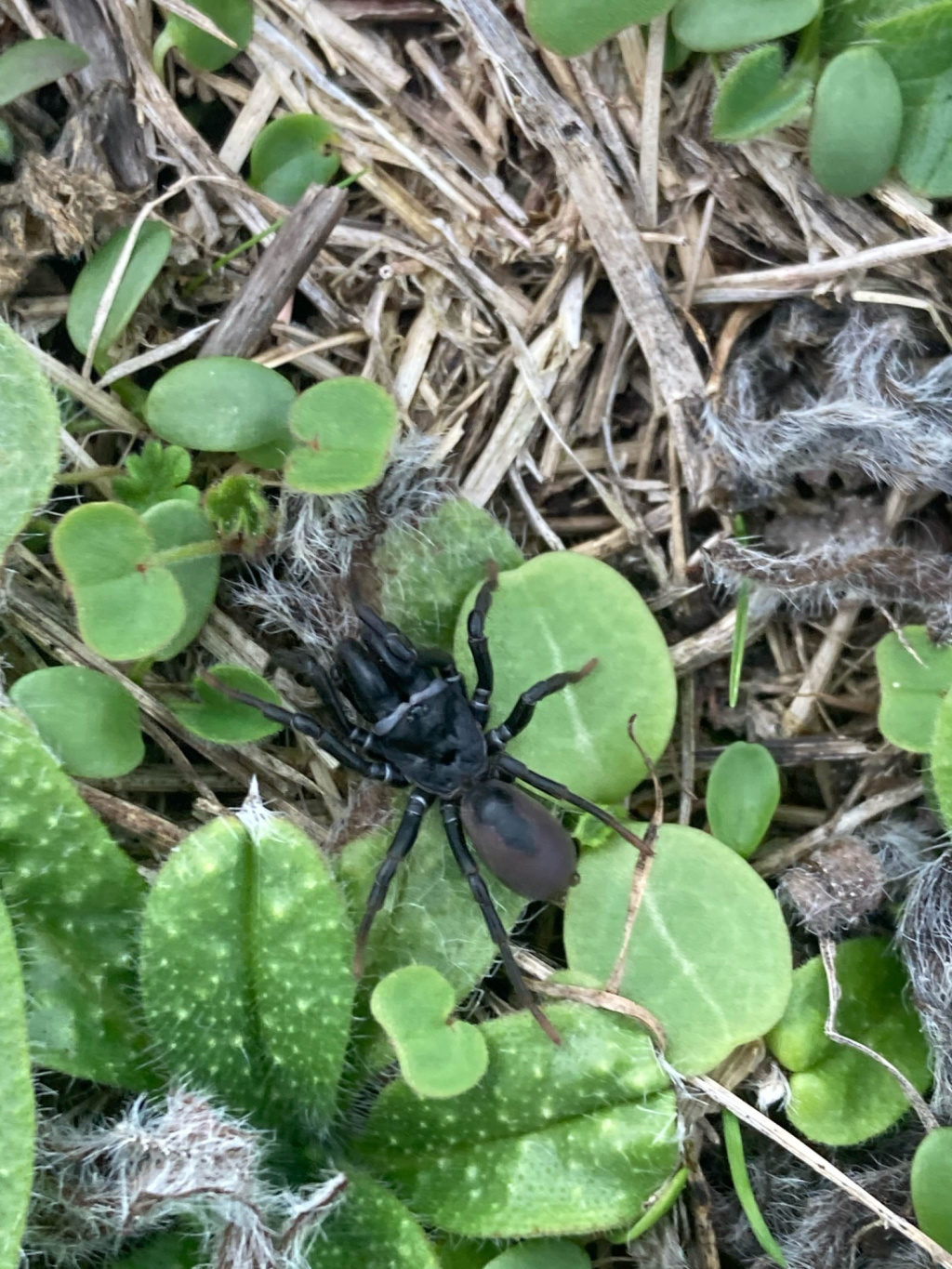
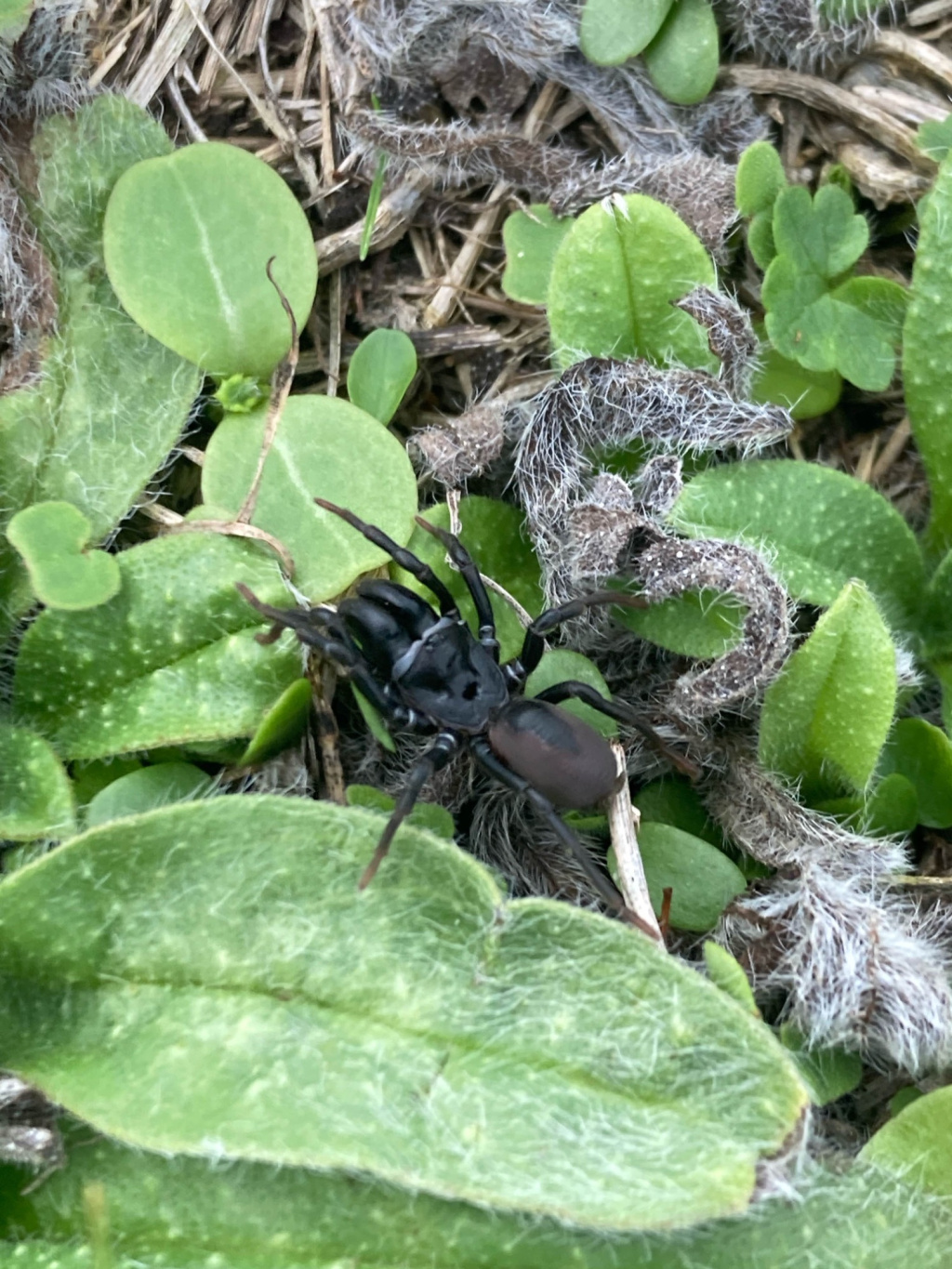
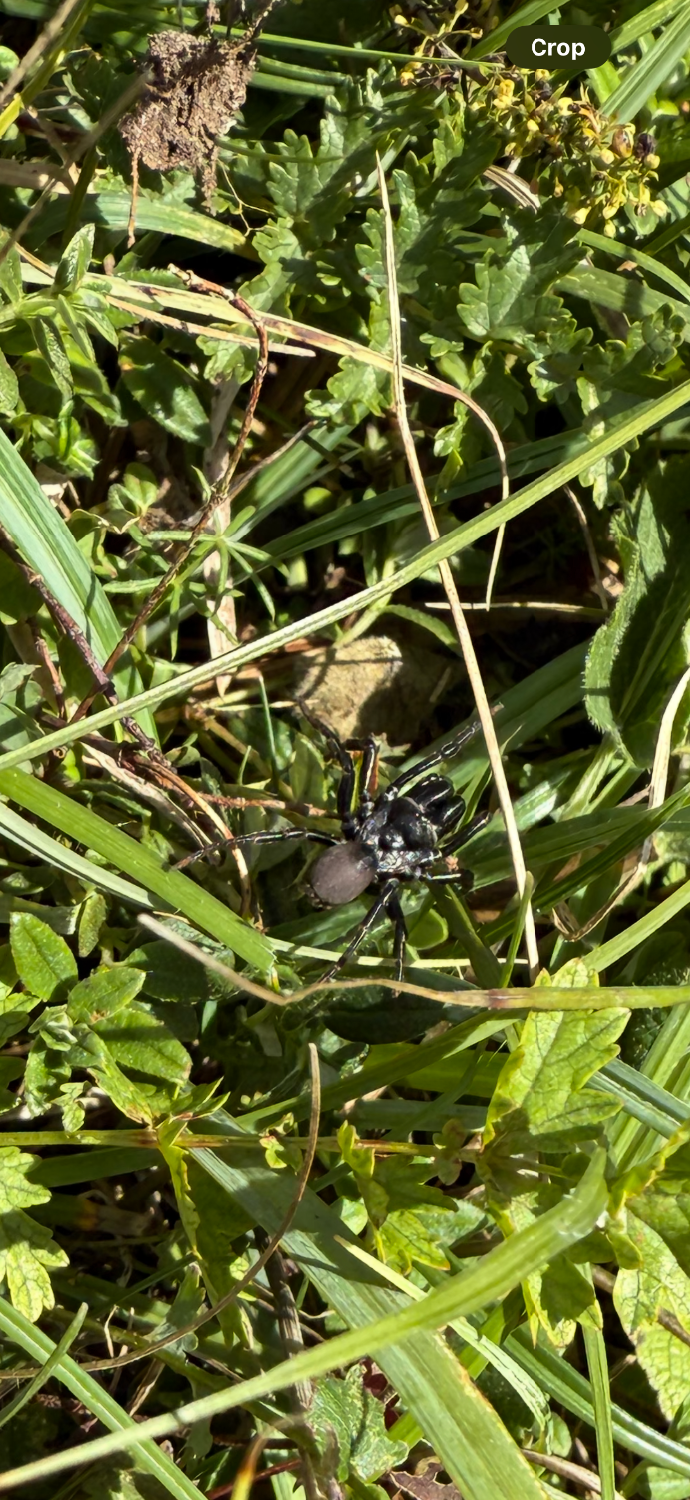
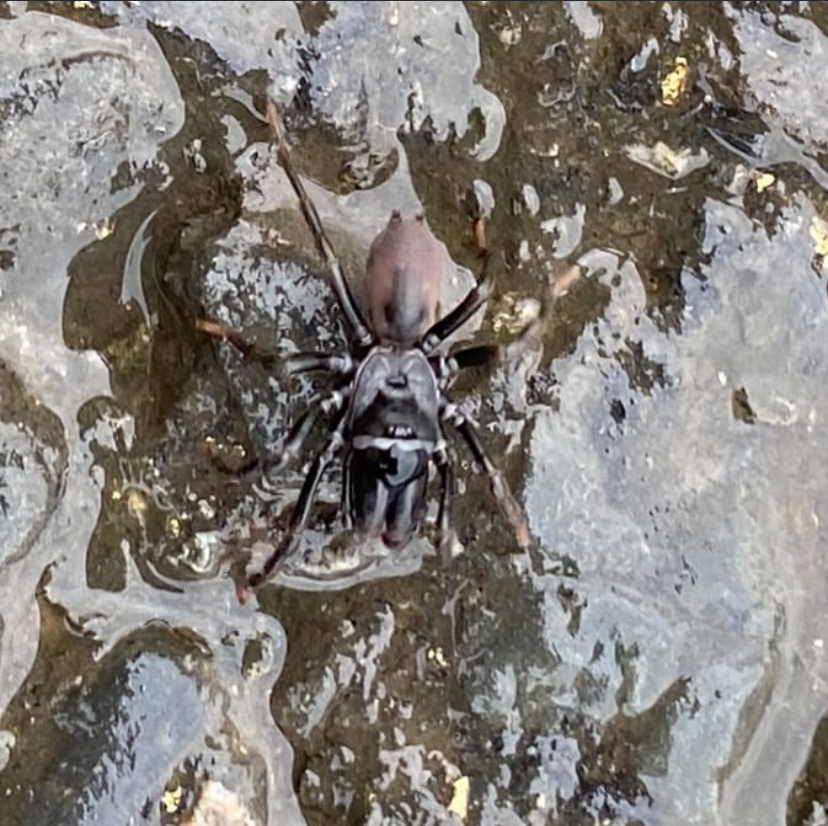
Atypus is typically found in unimproved open habitats such as heathland, chalk grassland or other old grasslands. Most of its tubular web is underground and a friable substrate will aid burrowing. In heathland the spider prefers loose sand with young heather hanging loosely over it, and fairly free from moss and other close vegetation (Dallas 1938) and gravel banks covered with tufts of heather (Main 1921-23). In grassland the spider often makes its tubes in the ground in undisturbed areas around the edge of scrub and at the base of anthills. The silk tube is well camouflaged with bits of earth and debris and the spider can be difficult to find. In coastal areas the webs may be found along the edges of large rocks and sites on the west coast are often associated with rock outcrops, the webs at the base protected by the rocks from grazing, trampling and the weather. The discovery on a slope by the side of a footpath of scattered detached tubes and small mounds of soil particles above silk-lined burrows is described by Gallon (2001a). He suggests the behaviour is probably the result of concerted burrow excavation and enlargement. The life of the spider is long, possibly up to 7 or even 8 years (Bristowe 1958) and it spends almost all this time inside its purse-web. The main prey seems to comprise beetles, bees, flies, earwigs and woodlice. Males can be trapped in pitfalls and may be numerous at favourable sites. The presence of grazing may be a factor explaining an association with the edge of scrub. There are presumably significant resource implications for the rebuilding of purse-webs after trampling. Atypus must therefore require relatively undisturbed habitats. Dallas (1938) had already identified wear and tear due to increased trampling, as the probable cause of the loss of some colonies in the London district. Females are adult all year. Bristowe (1958) states that during the winter months from about November to early February Atypus is in a state of hibernation at the bottom of the tube, and the aerial portion remains in a collapsed condition. At one site with a large population, occasional males have been trapped in the winter, but there is a main peak for September-October with smaller numbers in April and May. The Nationally Scarce (Notable A) spider hunting wasp Aporus unicolor uses Atypus as its host, which it locates and paralyses within the spider's silken burrow (Edwards 1997).Status
There has been a large apparent decline, hence a Watching Brief should be kept on this species. It is generally scarce and very local. Large populations have been recorded but it is likely that much of our modern landscape supports only small isolated colonies.Threats
The association with old and undisturbed habitats and the dramatic loss of heathland and unimproved grasslands in much of southern England mean that many colonies are isolated and liable to local extinction. Intensive grazing and public amenity pressure will threaten the survival of colonies through the effects of trampling.Management and conservation
The spider is vulnerable to inappropriate management. Without management to control scrub, open habitat and open sandy or gravel banks will disappear. On the other hand, trampling, intensive grazing and the cutting of grasslands is also likely to destroy colonies. Occasional management to control scrub would seem to be most appropriate. Text based on Dawson, I.K., Harvey, P.R., Merrett, P. & Russell-Smith, A.R. (in prep.).Stats
- First recorded
- 1885
- Last recorded
- 2025
- Total records
- 657
- Total visits
- 641
Conservation status
Atypus affinis
| Source | Reporting category | Designation | Date designated | Comments |
|---|---|---|---|---|
| A Review of the scarce and threatened spiders (Araneae) of Great Britain: Species Status No. 22 (Sep 2017) | Red data categories - spiders (not based on IUCN criteria) | Spider Amber List | 01/09/2017 | |
| A Review of the scarce and threatened spiders (Araneae) of Great Britain: Species Status No. 22 (Sep 2017) | Rare and scarce species | Nationally Scarce. Includes Red Listed taxa | 01/09/2017 | Threats: The association with old and undisturbed habitats and the dramatic loss of heathland and unimproved grasslands in much of southern England mean that many colonies are isolated and liable to local extinction. Intensive grazing and public amenity pressure will threaten the survival of colonies through the effects of trampling. |
| A Review of the scarce and threatened spiders (Araneae) of Great Britain: Species Status No. 22 (Sep 2017) | Red listing based on 2001 IUCN guidelines | Least concern | 01/09/2017 | Threats: The association with old and undisturbed habitats and the dramatic loss of heathland and unimproved grasslands in much of southern England mean that many colonies are isolated and liable to local extinction. Intensive grazing and public amenity pressure will threaten the survival of colonies through the effects of trampling. |
Photos and media
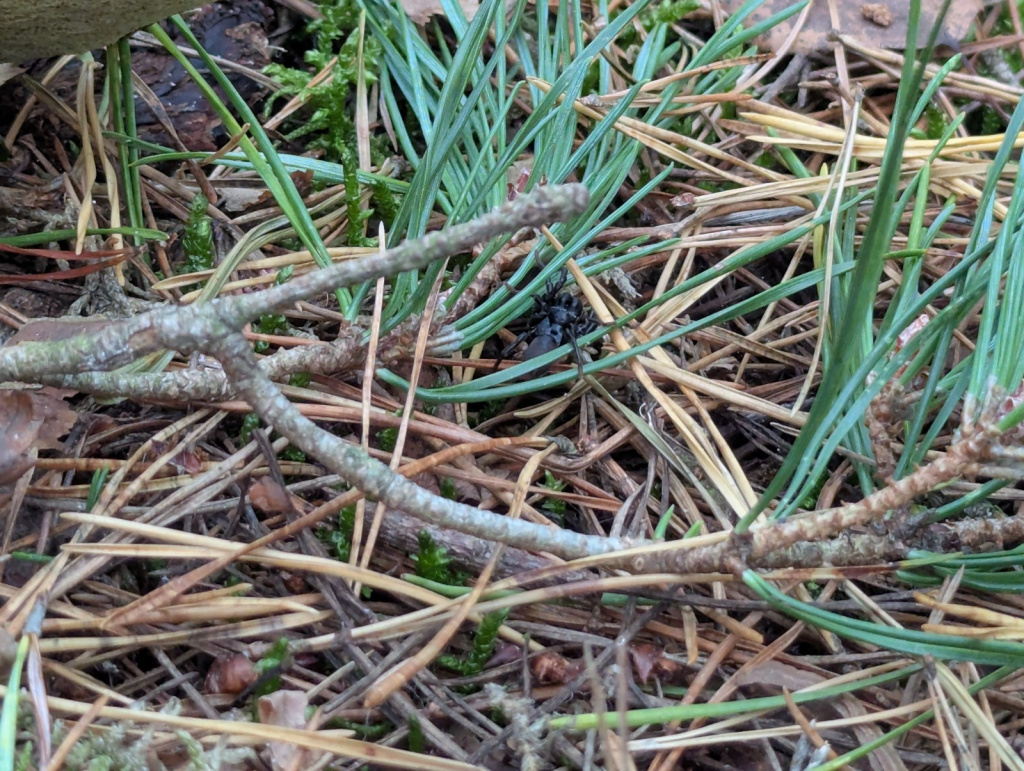
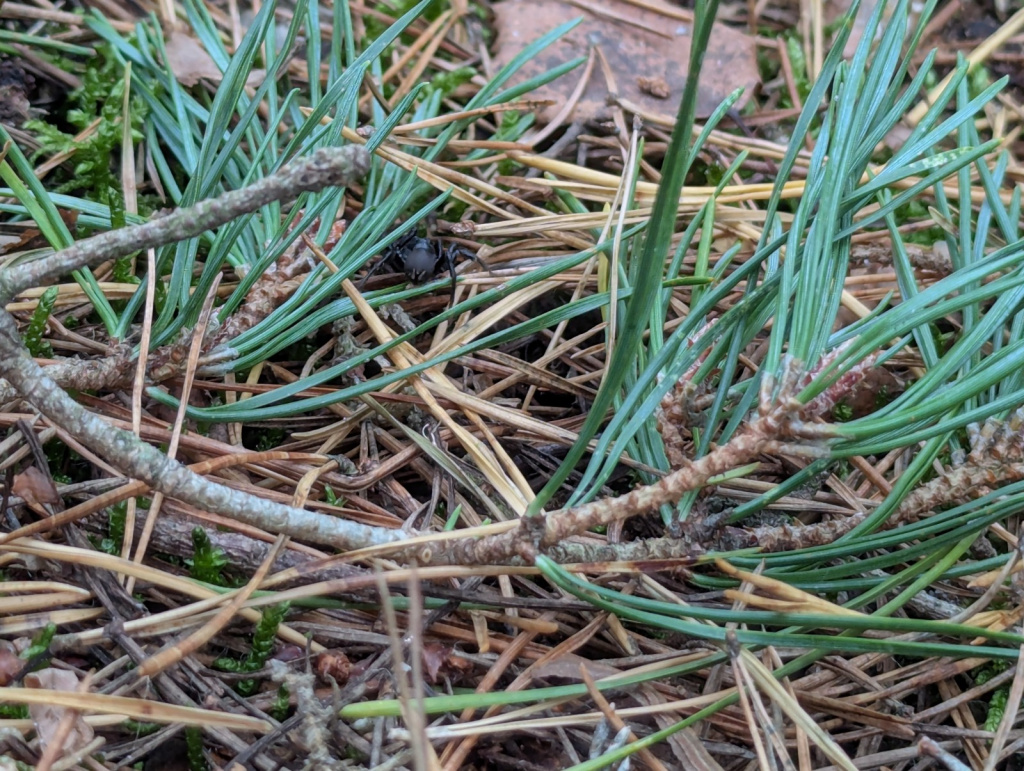
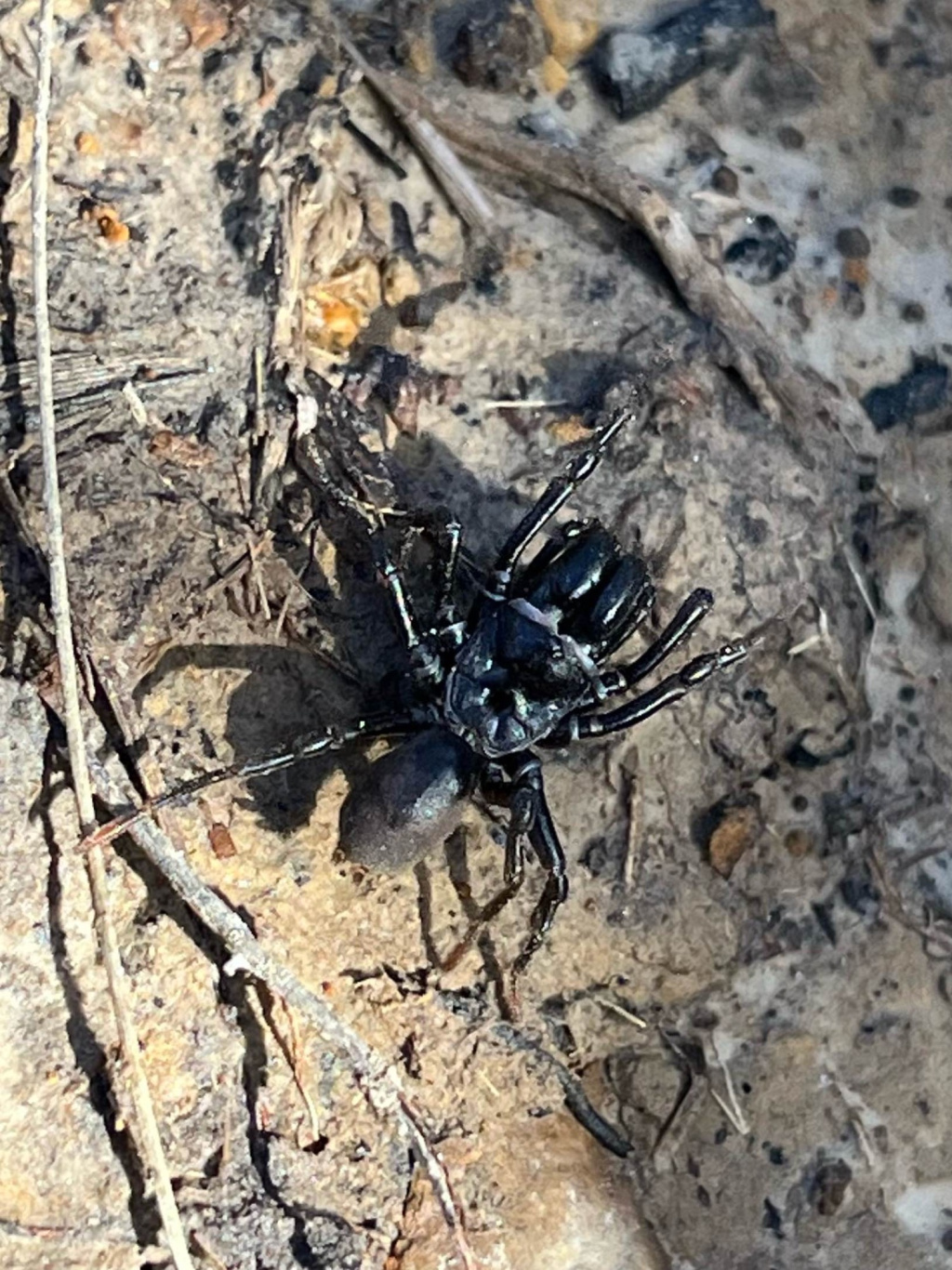
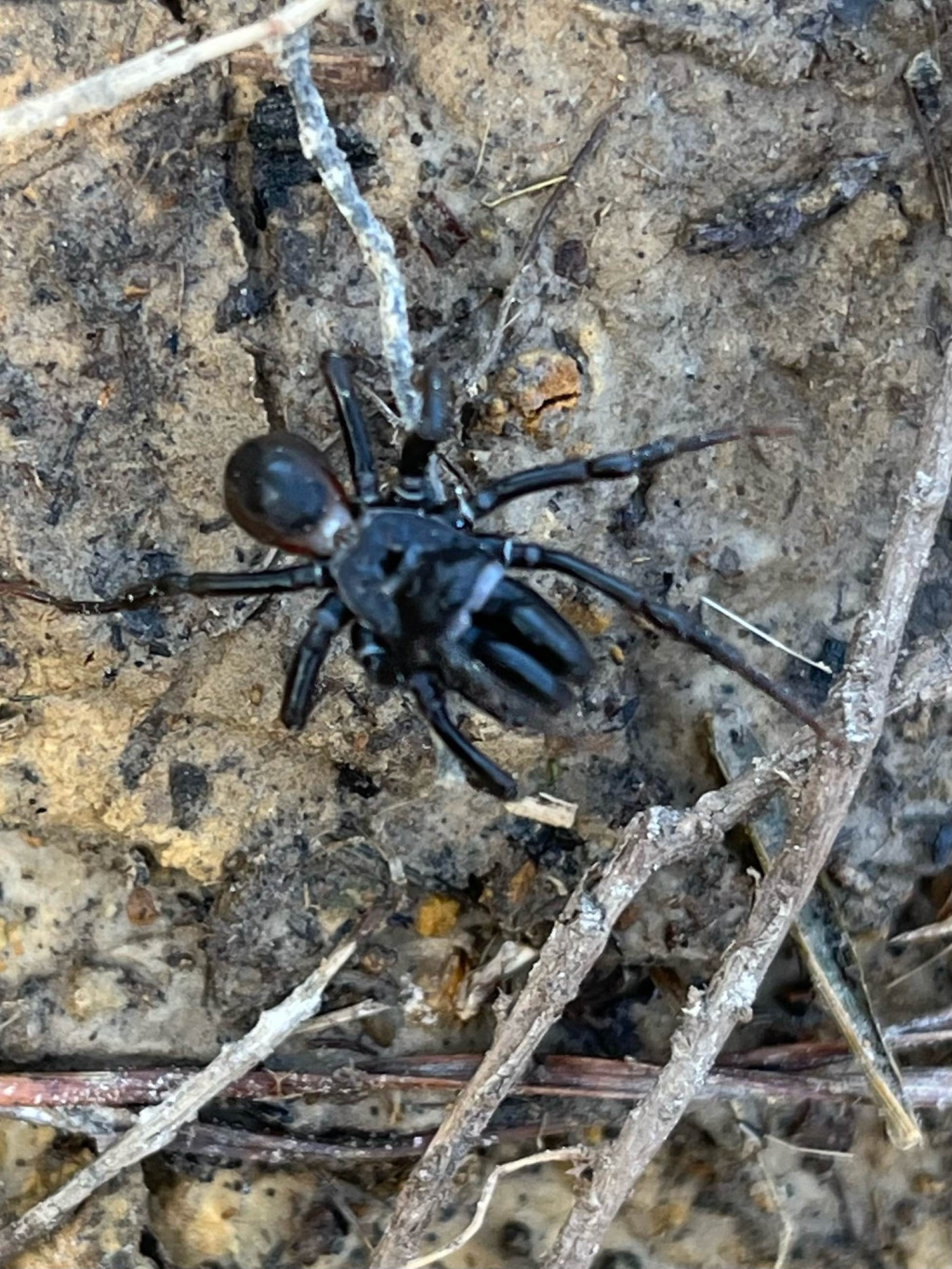
Spatial distribution - hectad map
Click on one of the date ranges in the key to highlight that particular range. Click anywhere else on the map to go back to all three date ranges.
Thresholds:
Move mouse cursor over dot for info
Rejected records are excluded from this map. Unverified records are included.
Temporal distribution - records by year
Records that span more than one year are not included in this chart.
Temporal distribution - records by week
__