
Species Details
- Species name
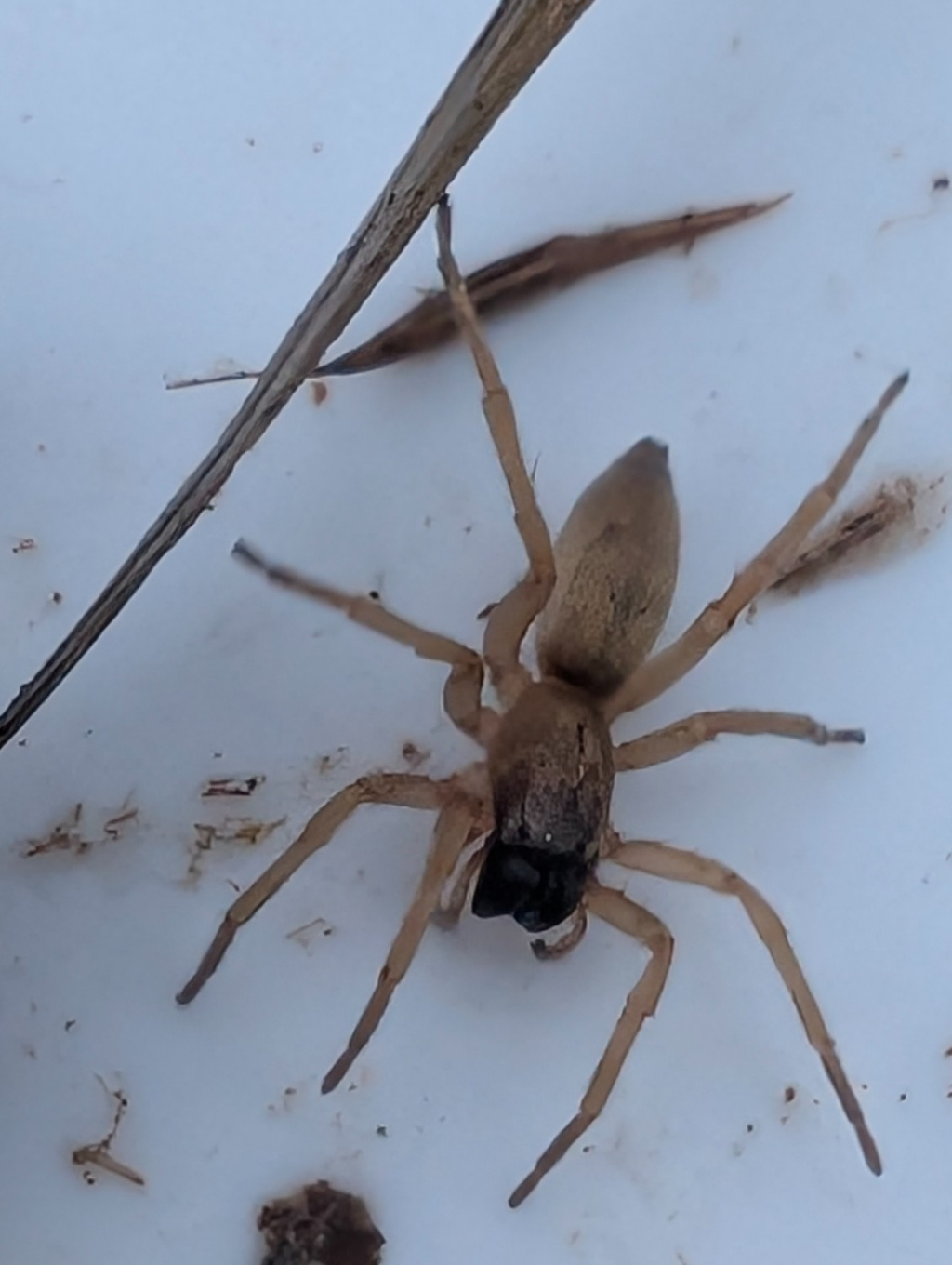
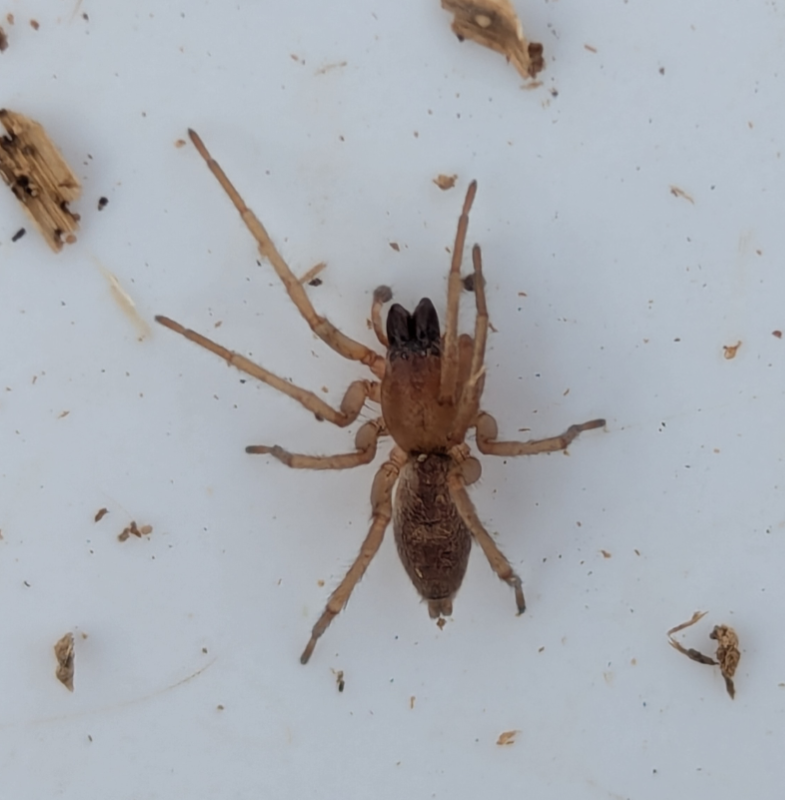
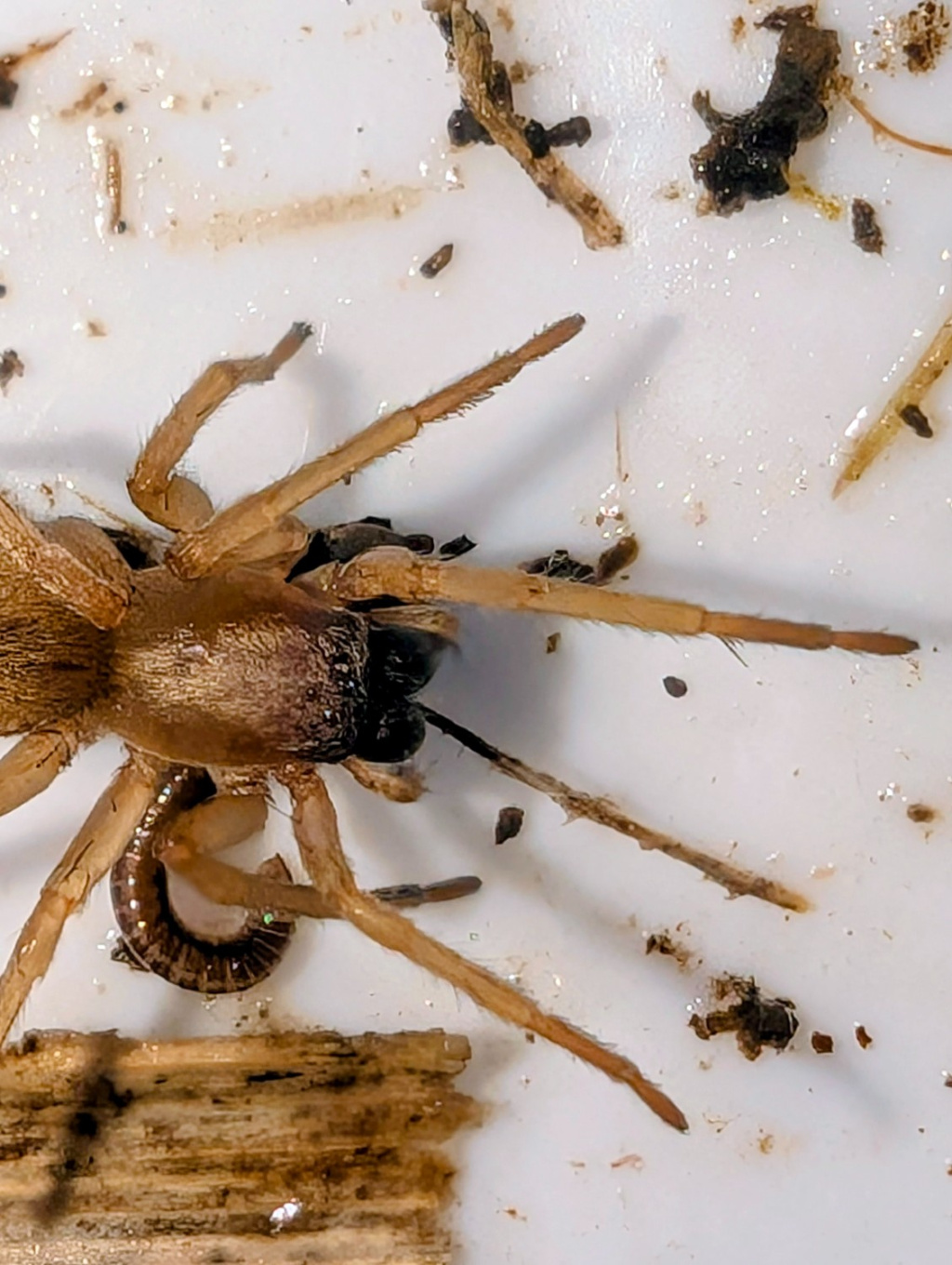
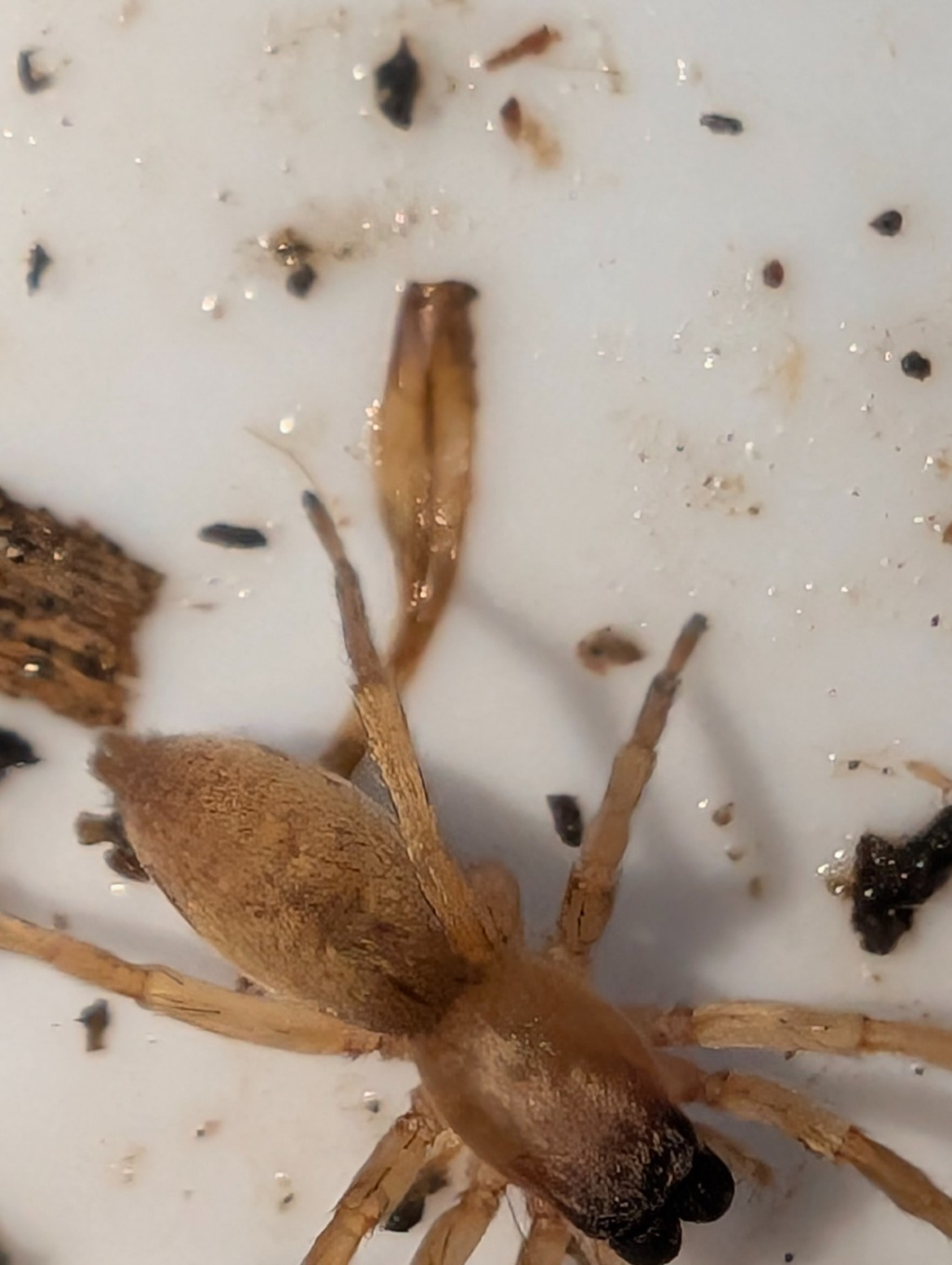
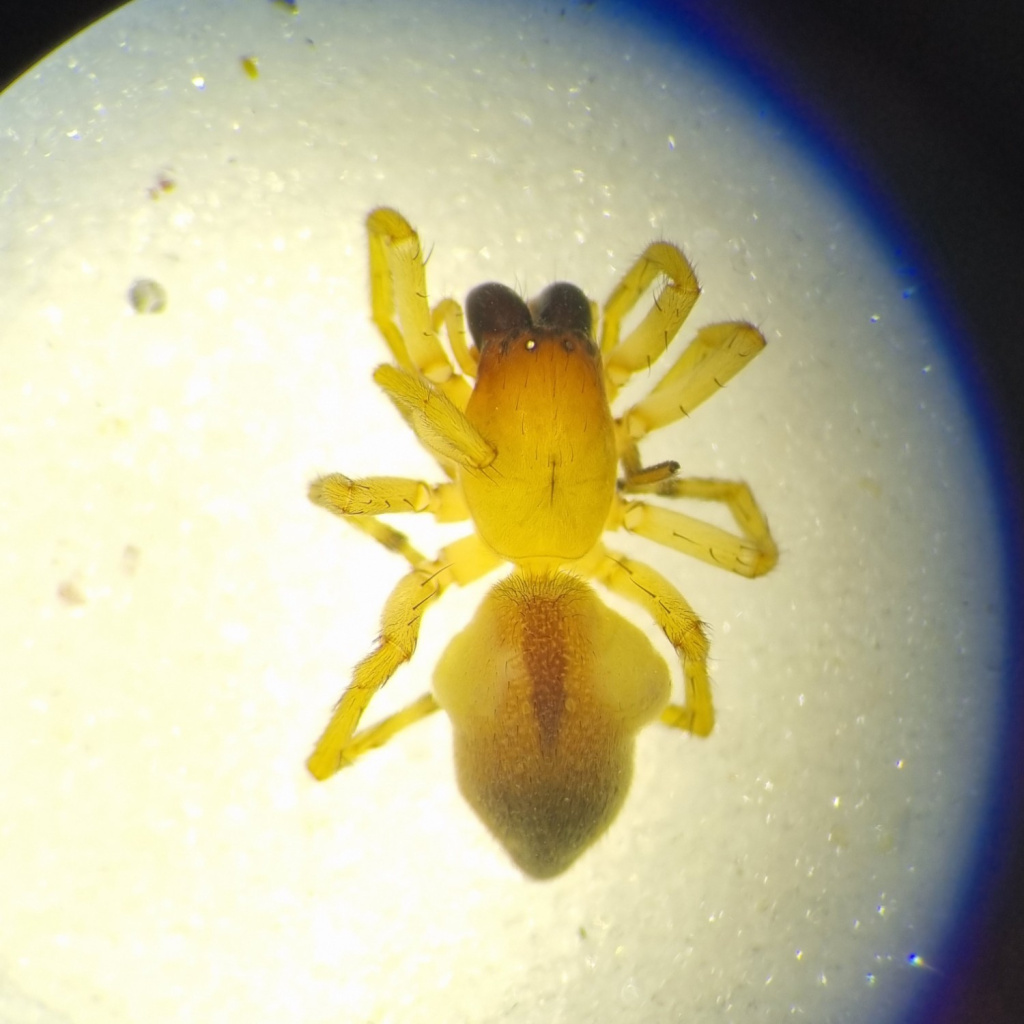
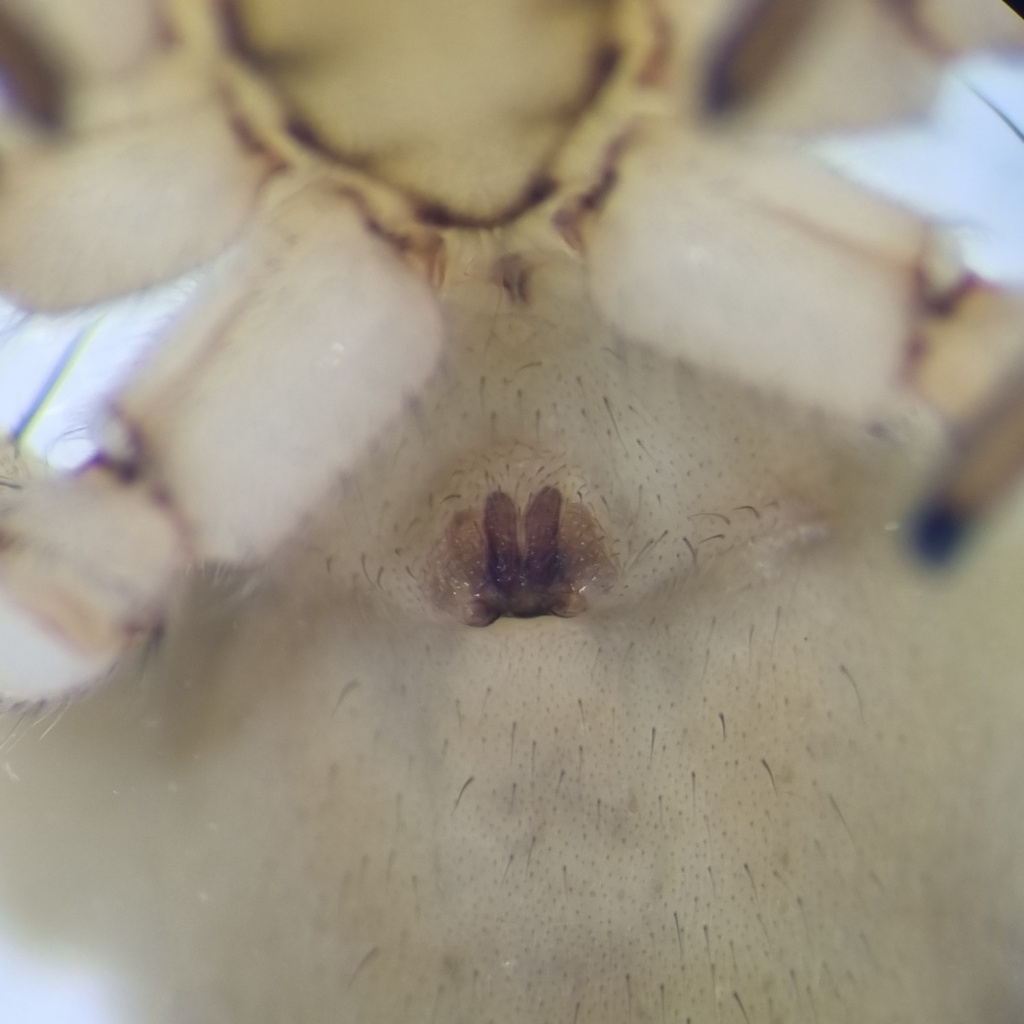
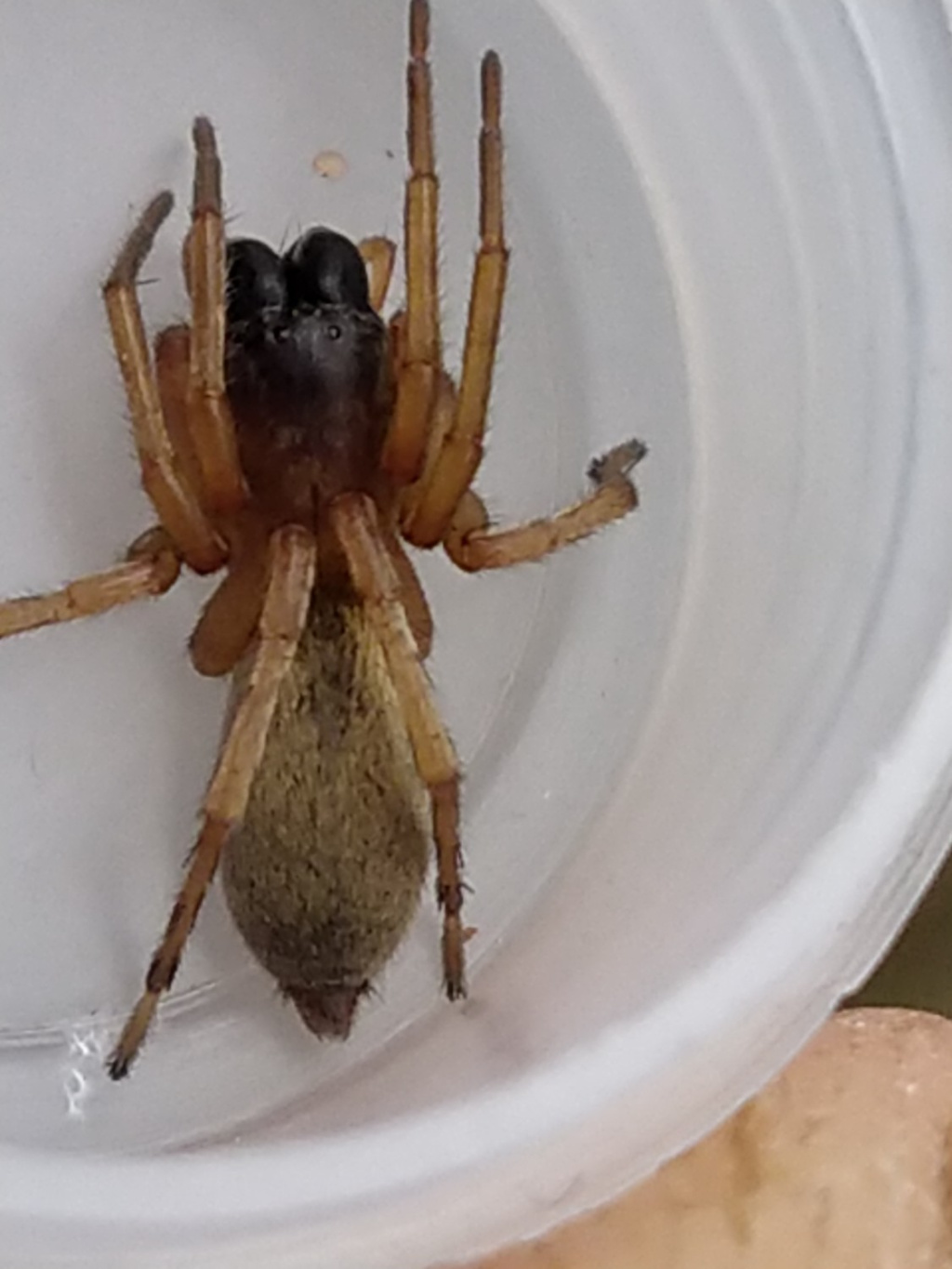
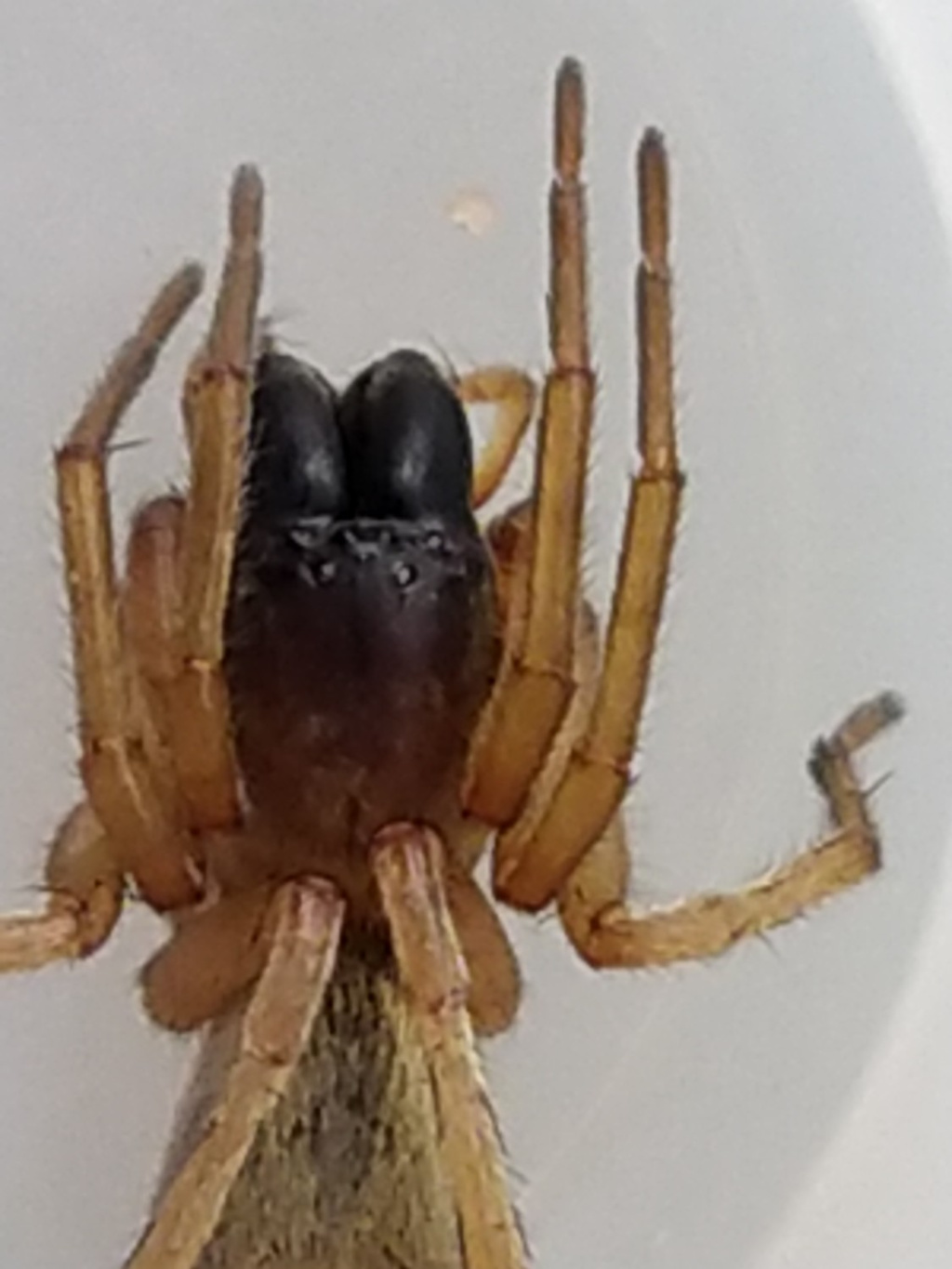
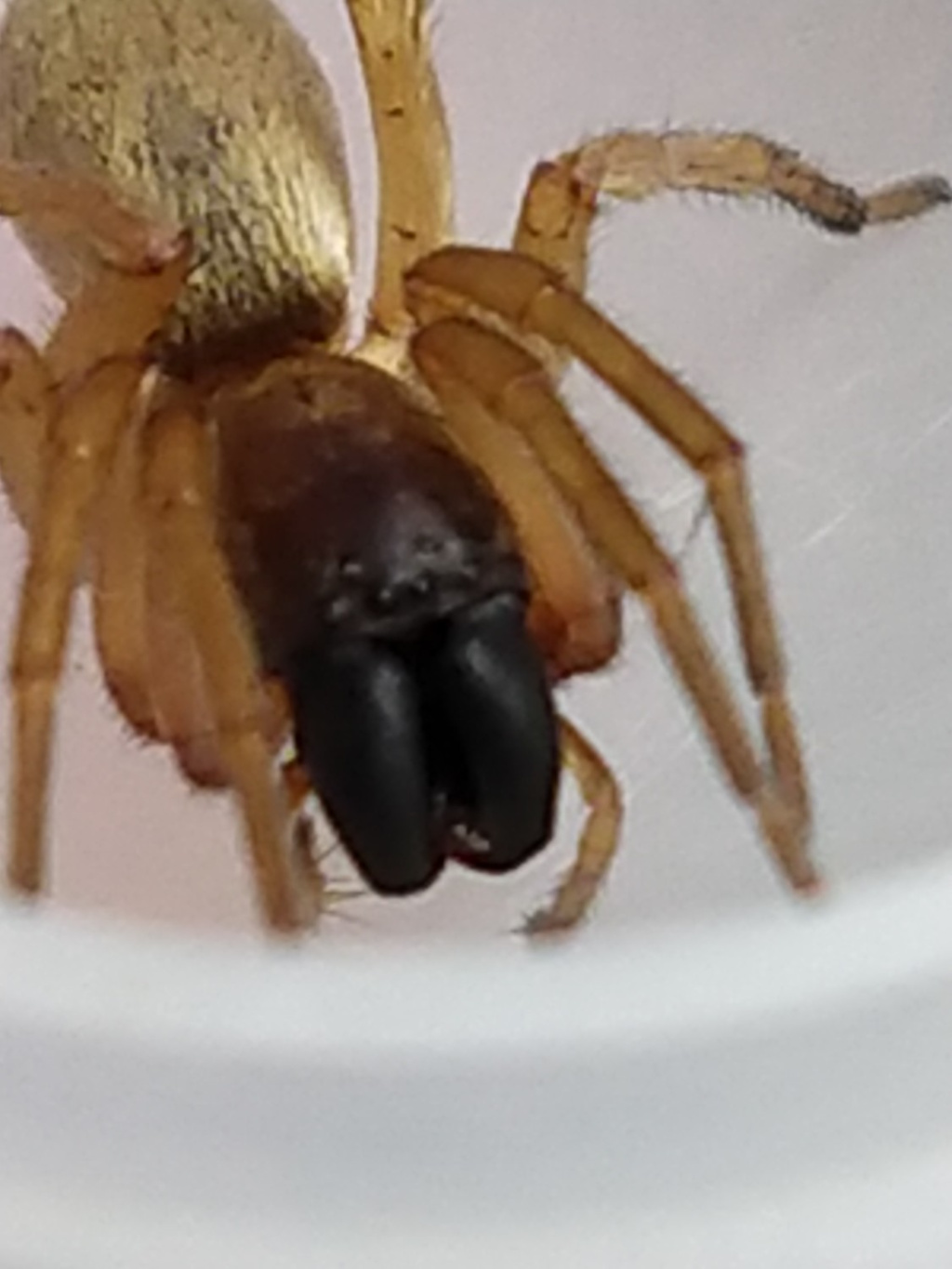
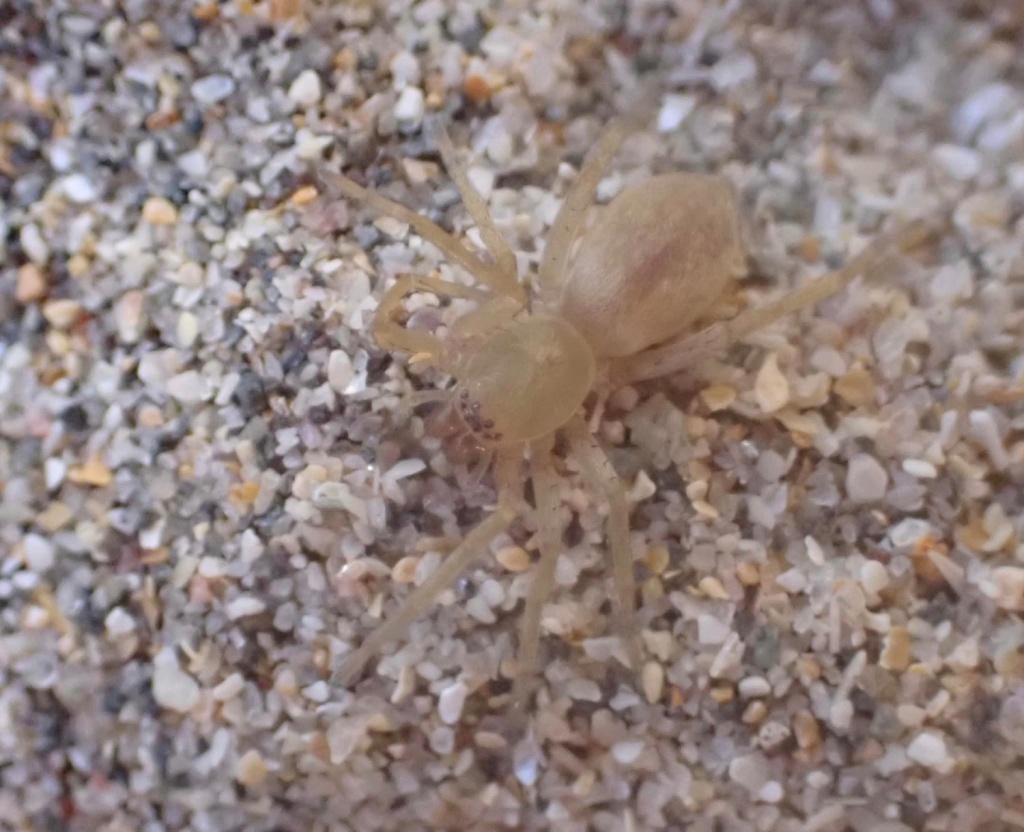
- Clubiona phragmitis C.L. Koch, 1843
- Synonym
- Clubiona holosericea Degeer, 1778
- Taxonomy
- Animalia :: Araneae :: Clubionidae
- acid & sedge peats
Distribution
The species is widespread in much of England from Yorkshire southwards and lowland Wales, but very scattered in south-west England and northern Britain. It is widespread in north-western and central Europe.Habitat and ecology
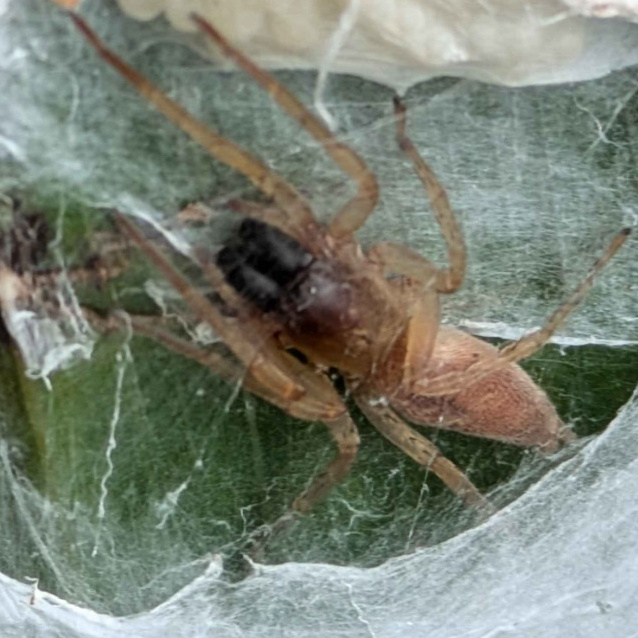
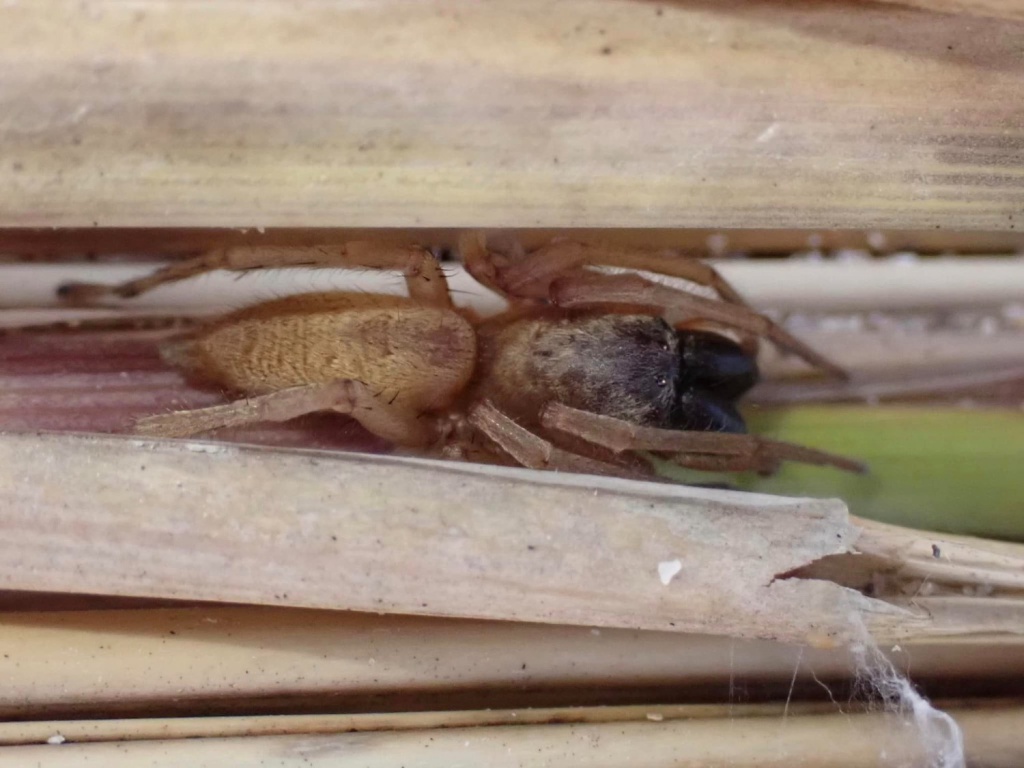
Can be found in most wetland habitats, especially in emergent vegetation at the edge of water and occasionally on sand dunes. In standing water the spider may be seen stalking prey on stems just above the waterline (Crocker & Daws 1996). The silk retreat is often easiest to see, woven into a folded reed leaf or Phragmites head, where the female may be found guarding her egg-sac. Adults have been found throughout the year, but mostly in late spring to mid-summer and late summer to early autumn.Status
Locally common. Original author of profile: W.J. Partridge Text based on Harvey, P.R., Nellist, D.R. & Telfer, M.G. (eds) 2002. Provisional atlas of British spiders (Arachnida, Araneae), Volumes 1 & 2. Huntingdon: Biological Records Centre.Stats
- First recorded
- 1872
- Last recorded
- 2026
- Total records
- 4,186
- Total visits
- 4,062
Conservation status
Clubiona phragmitis
| Source | Reporting category | Designation | Date designated | Comments |
|---|---|---|---|---|
| A Review of the scarce and threatened spiders (Araneae) of Great Britain: Species Status No. 22 (Sep 2017) | Red listing based on 2001 IUCN guidelines | Least concern | 01/09/2017 |
Photos and media
__