
Species Details
- Species name
- Dipoena torva (Thorell, 1875)
- Synonym
- Dipoena procax (Forster & Berktau, 1883)
- Taxonomy
- Animalia :: Araneae :: Theridiidae
- arboreal
- decaying wood
Distribution
D. torva is known only from a few sites in Scotland, including the Black Wood of Rannoch, Rothiemurchus Forest, Abernethy Forest, Bognacruie, Glen Tanar and Ballochbuie. However, the species appears to be well established and frequent at its known sites. It is known from France, Scandinavia and eastern and central Europe.Habitat and ecology
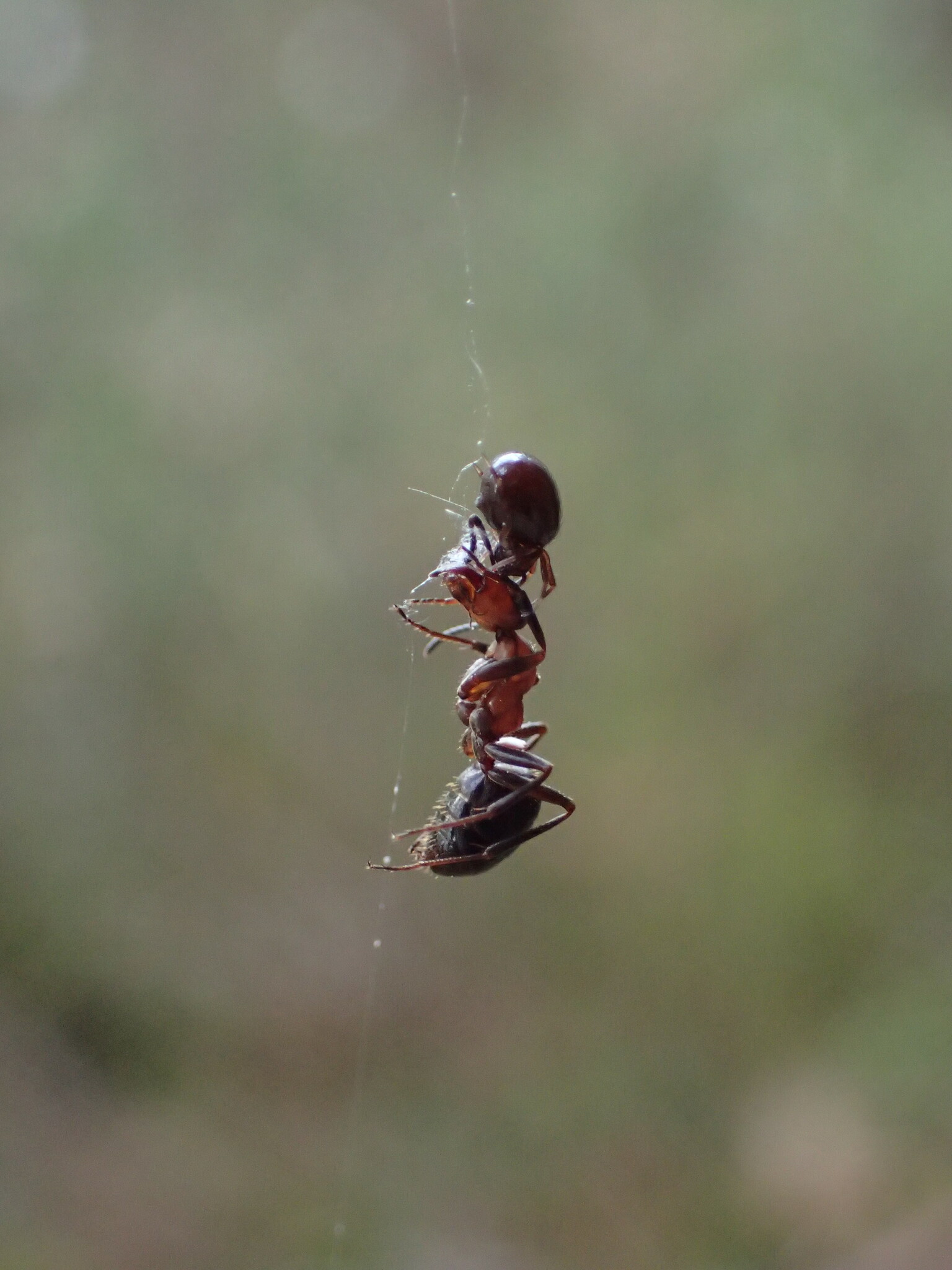
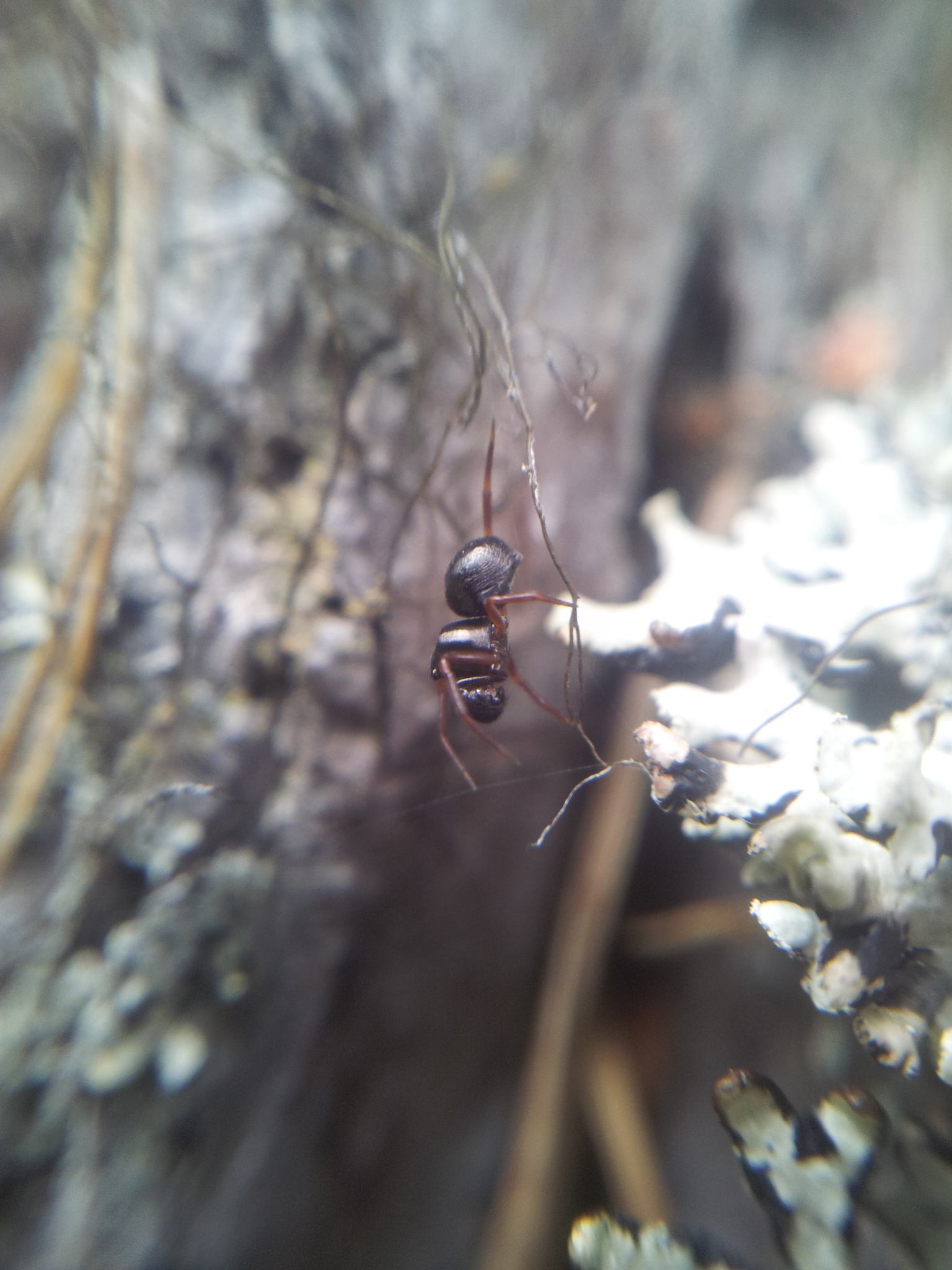
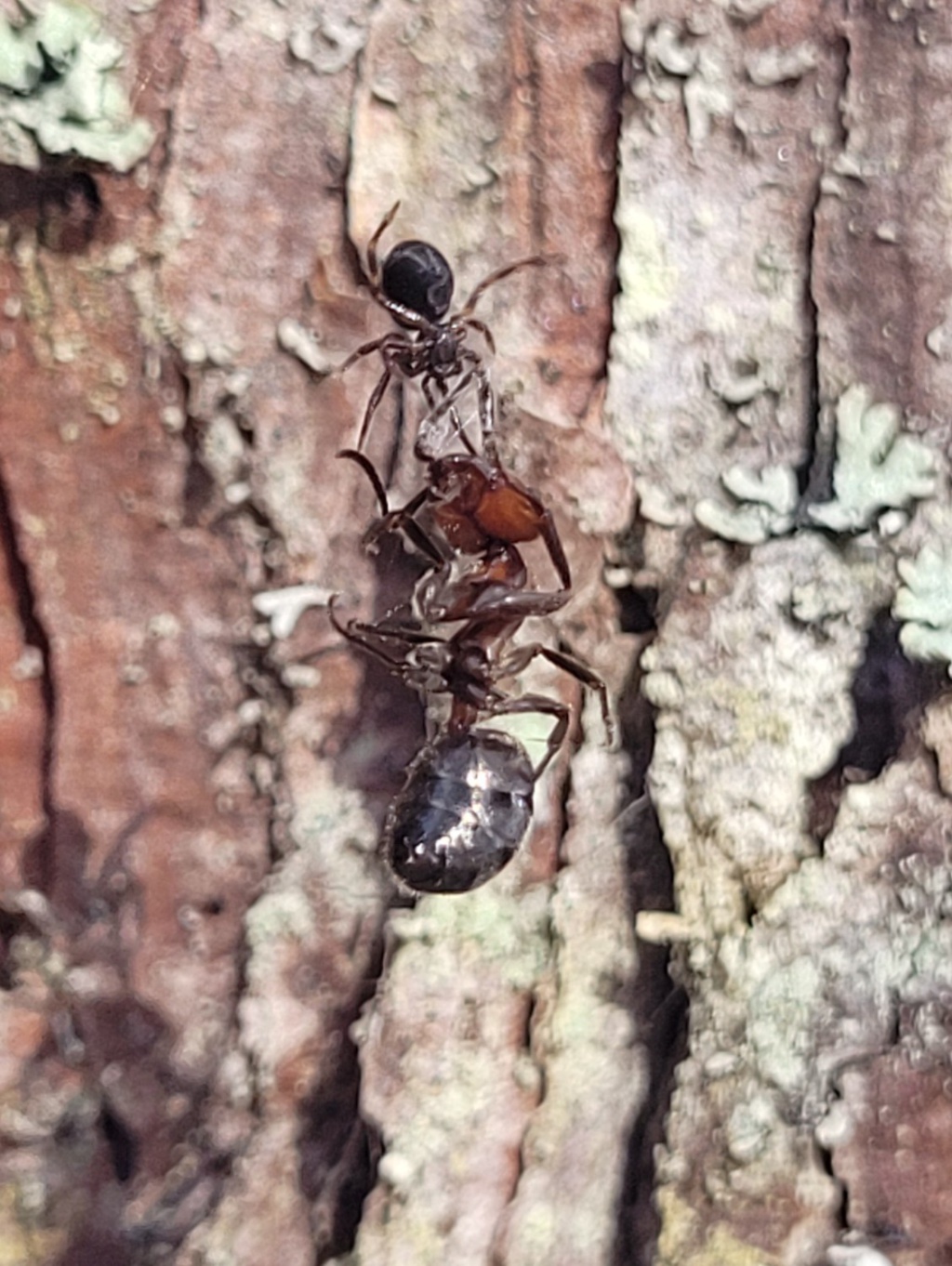
The species is restricted to Caledonian pine forests. It is found in the deep fissures of the bark on trunks of Pinus sylvestris, where it spins a small web in which it catches wood ants. Both sexes have been found in June and females also in July, August and September.Status
Occurring in six 10-km squares since 1992, but may be frequent in suitable habitat.Threats
Loss of Caledonian pine forest and afforestation with high densities of non-native trees poses a threat to this species. The dense canopy of commercial forest produces a cooler habitat which is detrimental to both D. torva and its prey.Management and conservation
Large areas of Caledonian pine forest have been purchased by conservation bodies and are being managed to restore the open nature of the original habitat. Text based on Dawson, I.K., Harvey, P.R., Merrett, P. & Russell-Smith, A.R. (in prep.).Stats
- First recorded
- 1948
- Last recorded
- 2024
- Total records
- 56
- Total visits
- 56
Conservation status
Dipoena torva
| Source | Reporting category | Designation | Date designated | Comments |
|---|---|---|---|---|
| A Review of the scarce and threatened spiders (Araneae) of Great Britain: Species Status No. 22 (Sep 2017) | Rare and scarce species | Nationally Rare. Includes Red Listed taxa | 01/09/2017 | |
| A Review of the scarce and threatened spiders (Araneae) of Great Britain: Species Status No. 22 (Sep 2017) | Red listing based on 2001 IUCN guidelines | Near Threatened | 01/09/2017 | No decline. Conservation efforts for Scottish Biodiversity List wood ants and narrow-headed ant should benefit this species. Threats: Loss of Caledonian pine forest and afforestation with high densities of non-native trees poses a threat to this species. The dense canopy of commercial forest produces a cooler habitat which is detrimental to both D. torva and its prey. |
| Scottish Biodiversity List (incorporating 2007 updates and 2012 categorisation) | Biodiversity Lists - Scotland | Scottish Biodiversity List | 29/11/2005 | Terrestrial/Freshwater Species. |
Photos and media
Spatial distribution - hectad map
Click on one of the date ranges in the key to highlight that particular range. Click anywhere else on the map to go back to all three date ranges.
Thresholds:
Move mouse cursor over dot for info
Rejected records are excluded from this map. Unverified records are included.
Temporal distribution - records by year
Records that span more than one year are not included in this chart.
Temporal distribution - records by week
__