
Species Details
- Species name
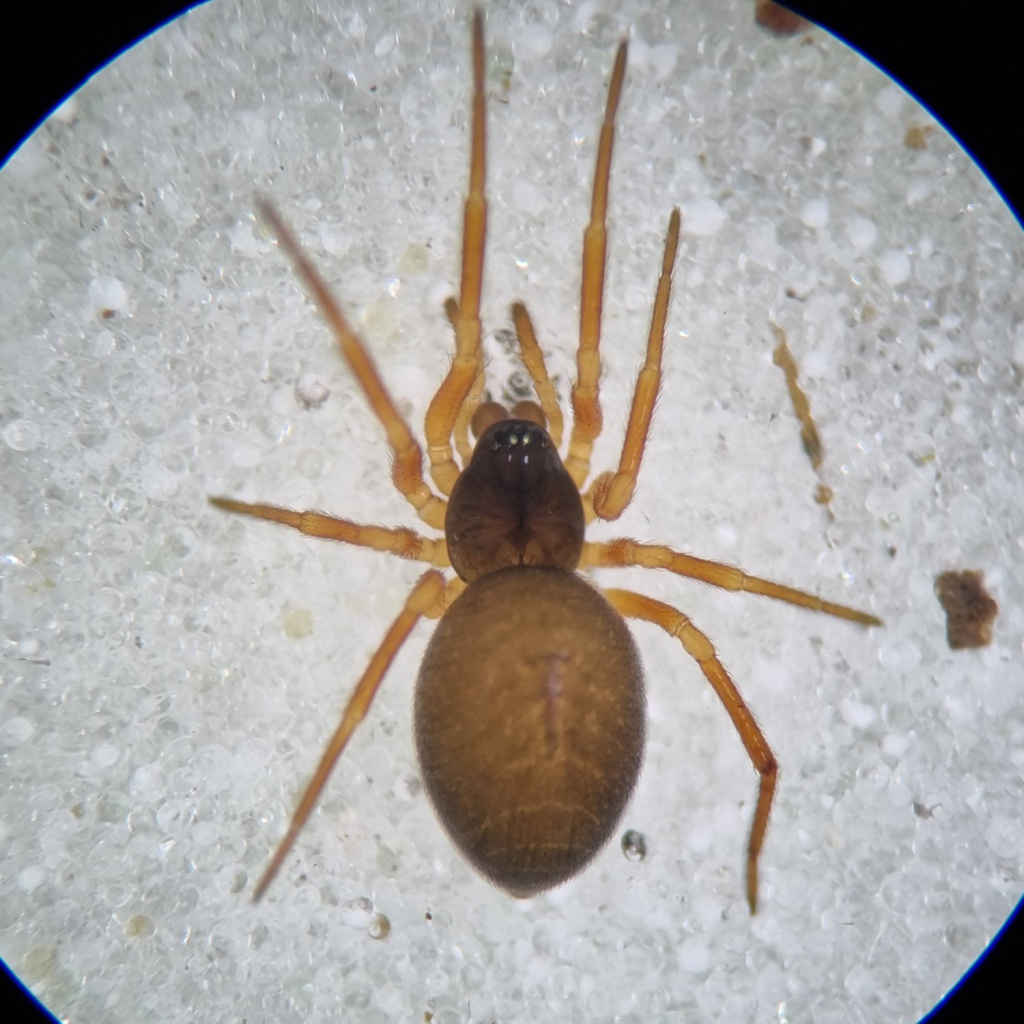
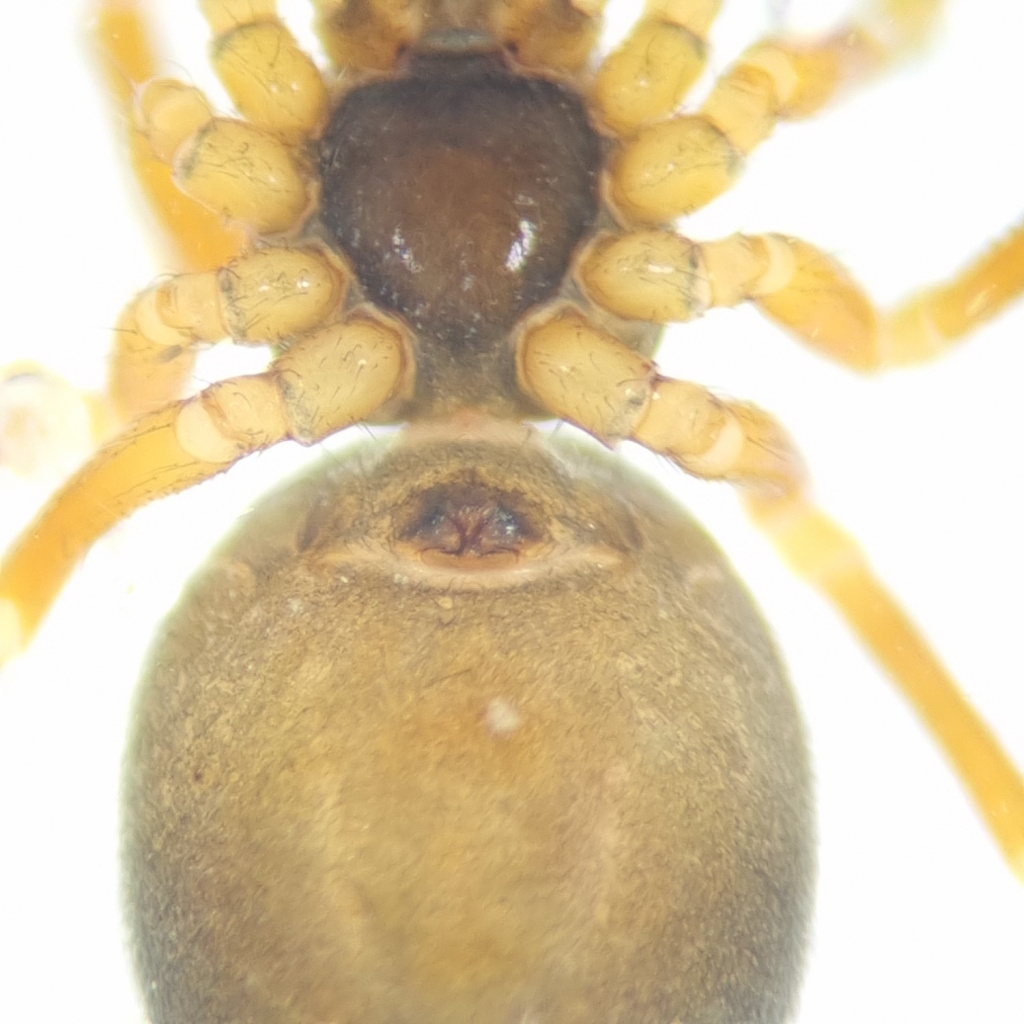
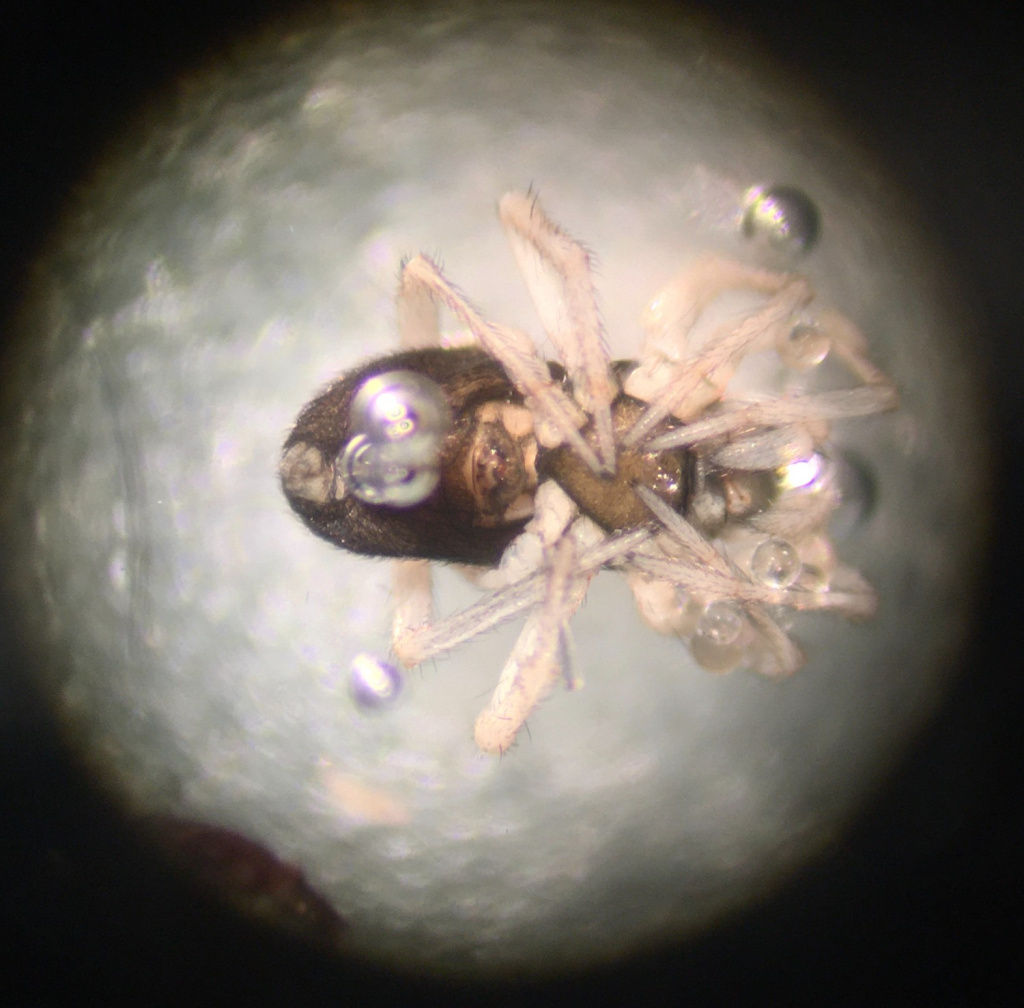
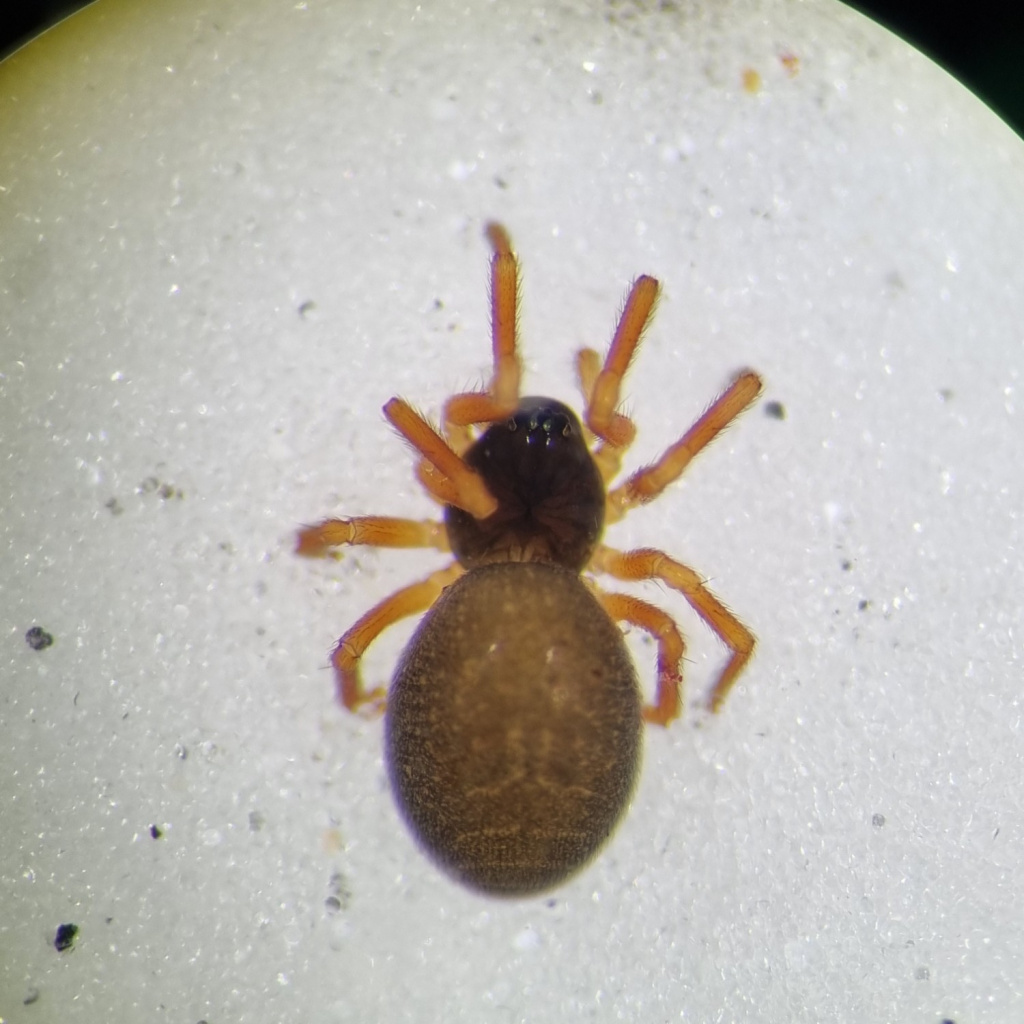
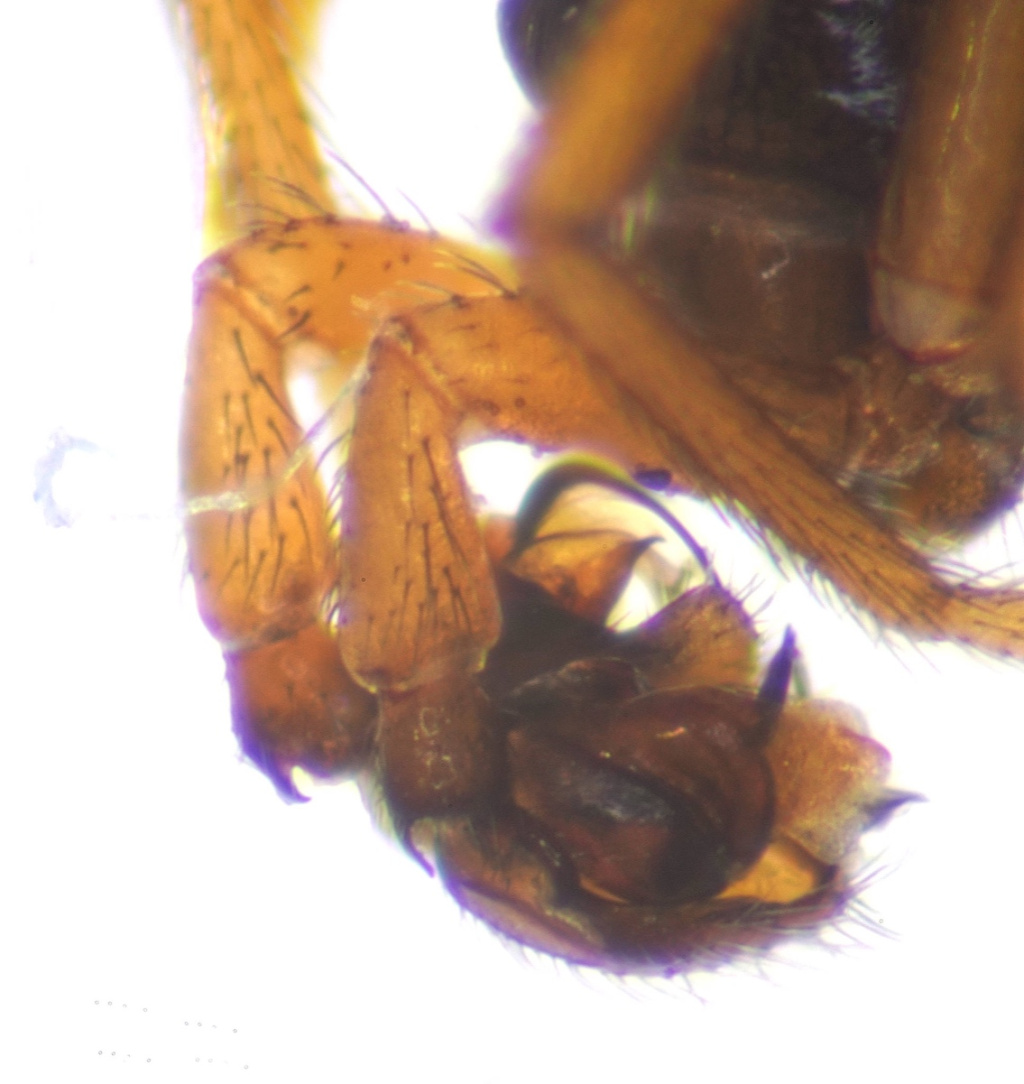
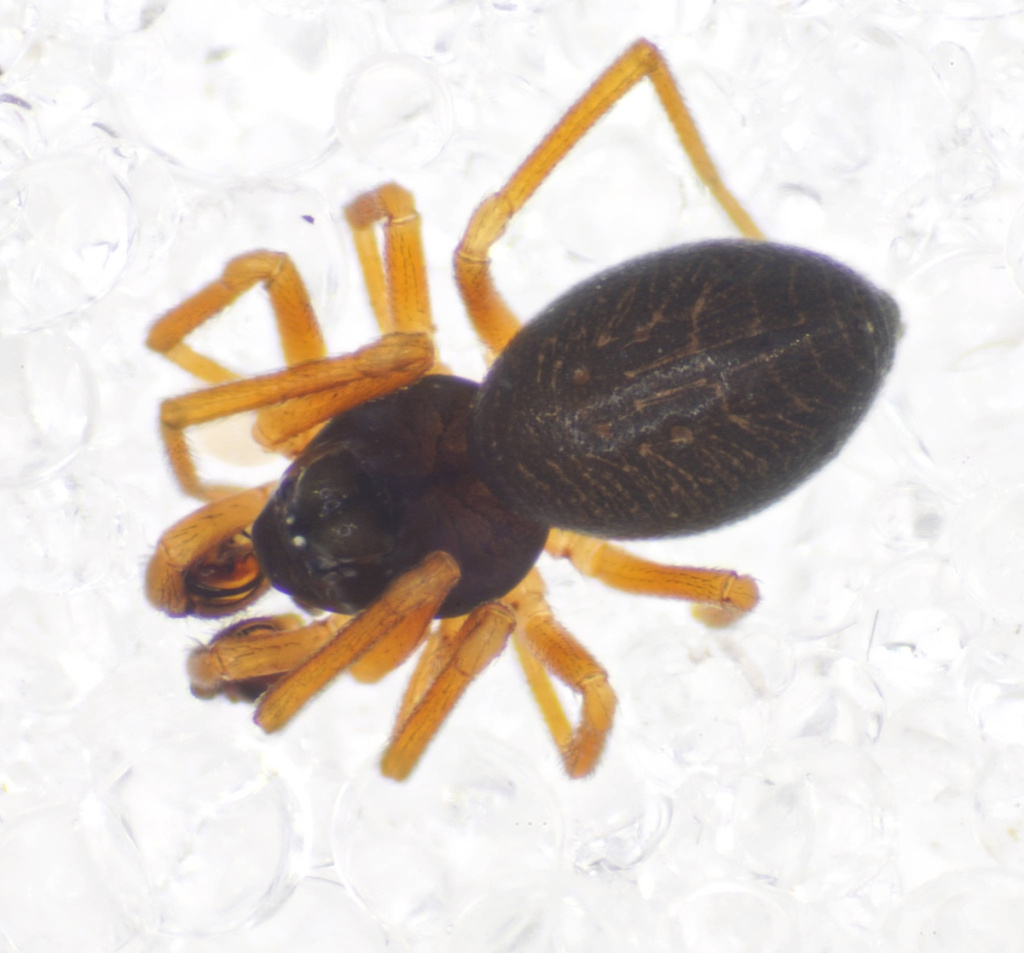
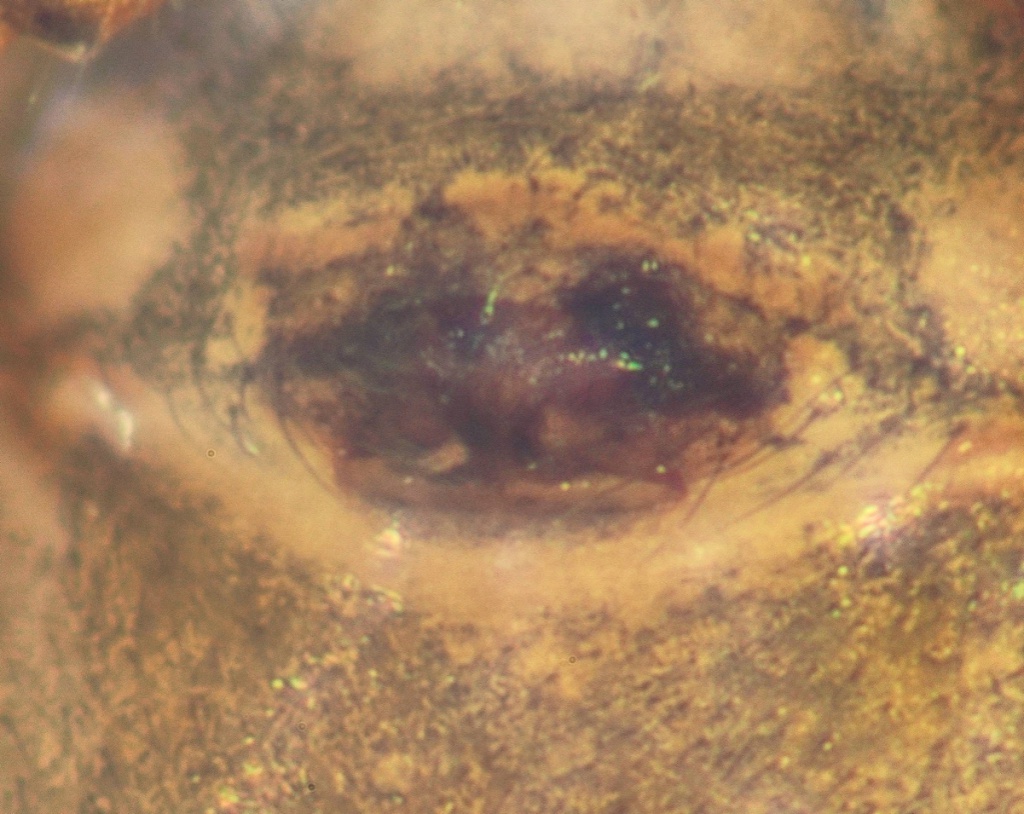
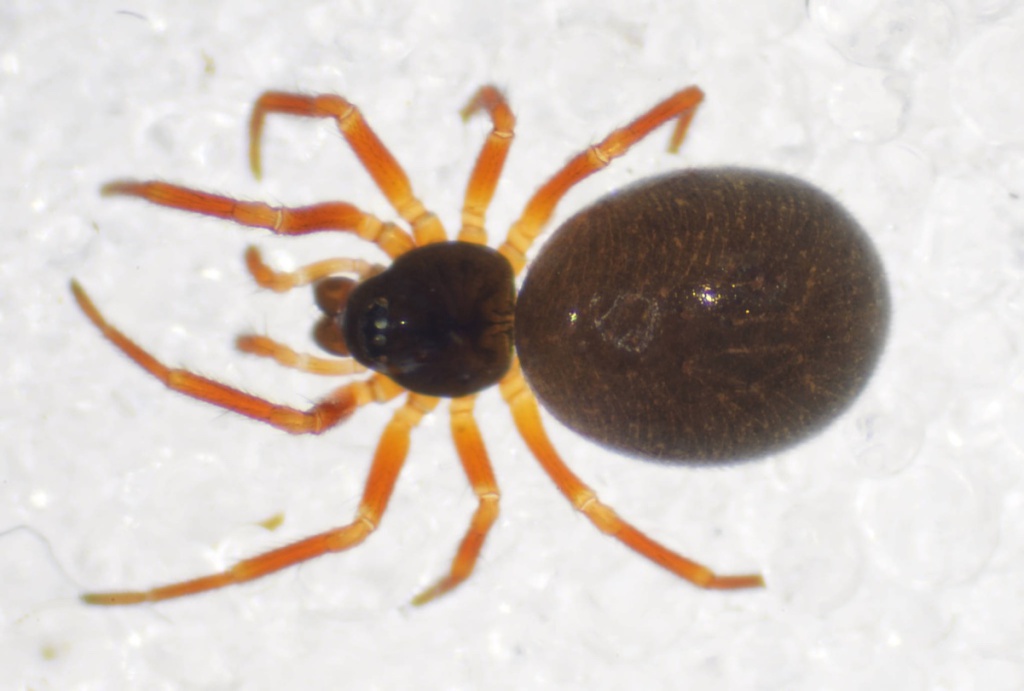
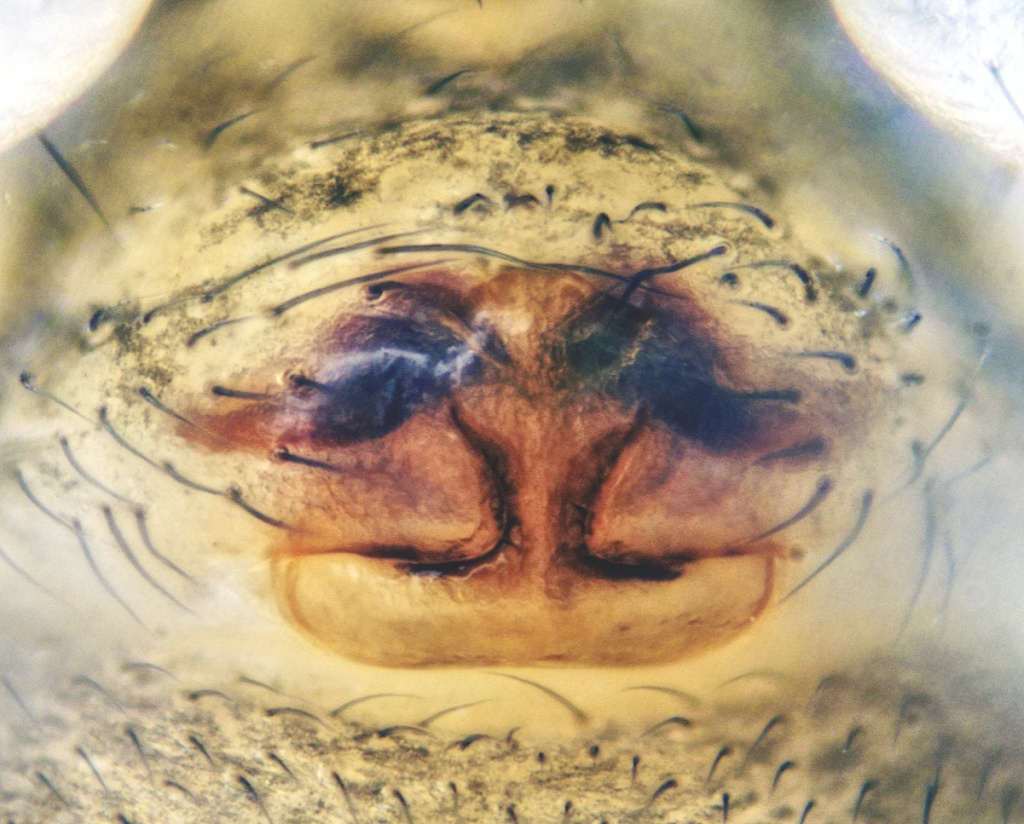
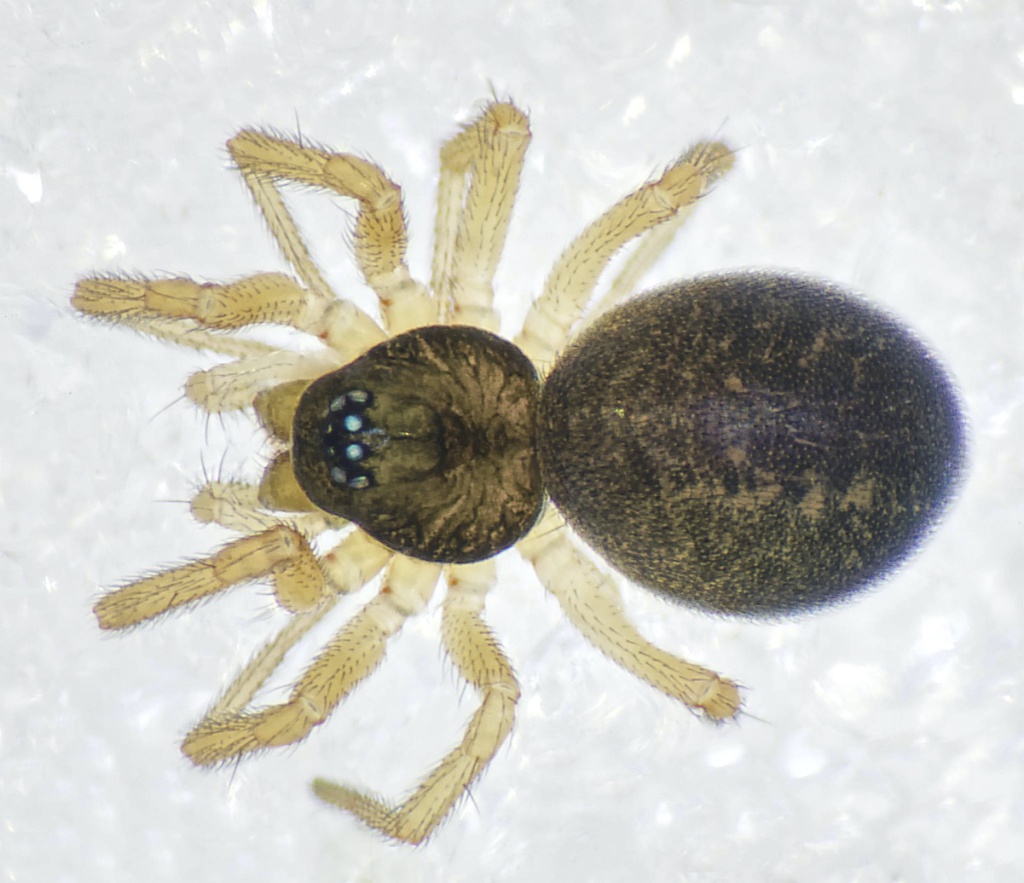
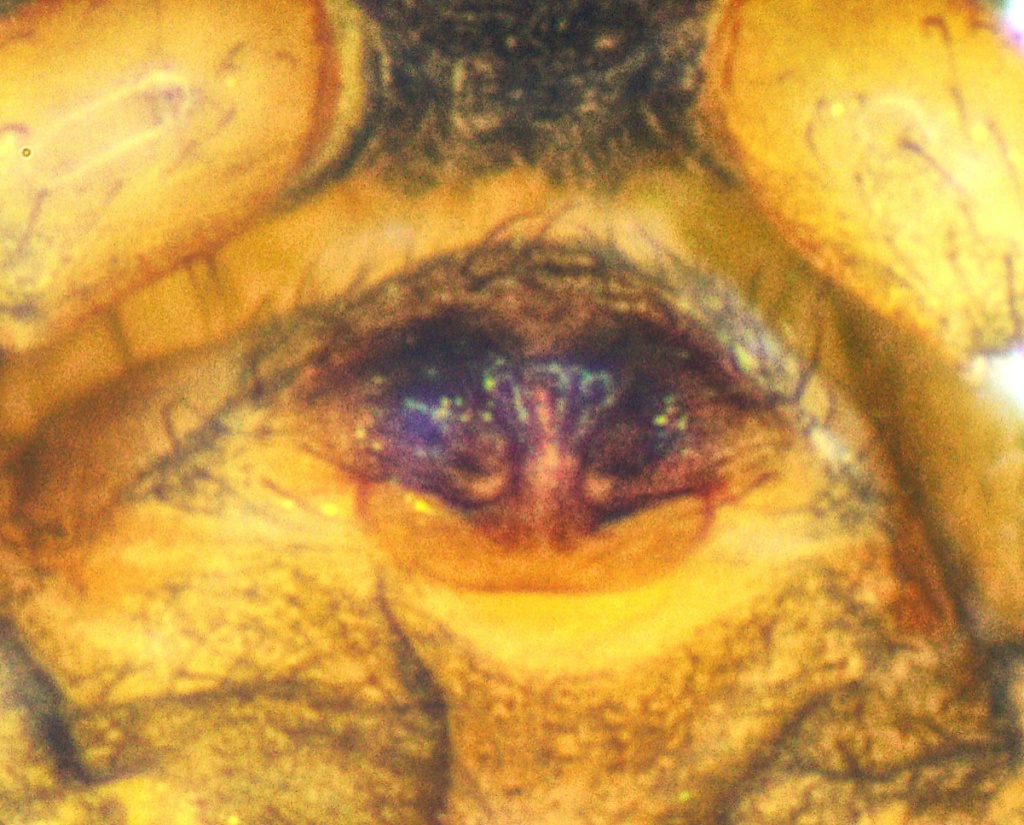
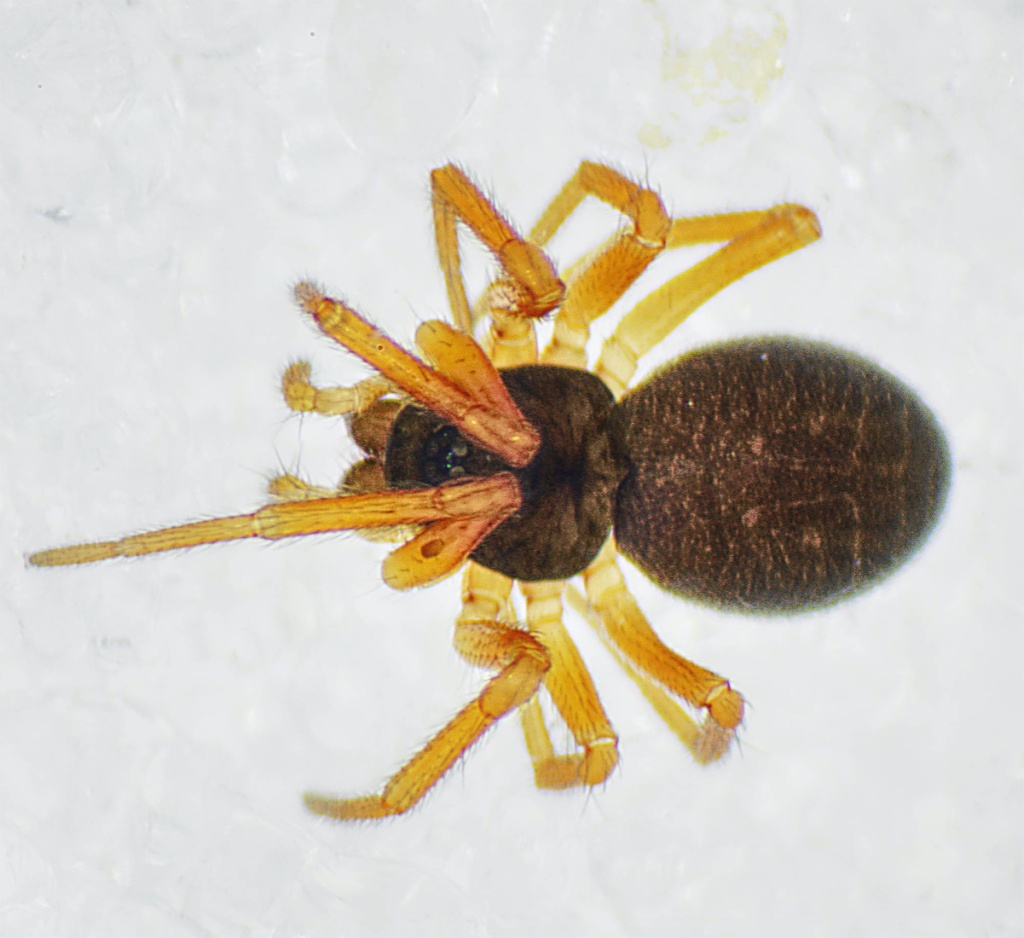
- Dismodicus bifrons (Blackwall, 1841)
- Taxonomy
- Animalia :: Araneae :: Linyphiidae
- tall sward & scrub
Distribution
The species is widespread throughout much of Britain. It is widespread in north-western and central Europe.Habitat and ecology
An actively ballooning spider particularly abundant in grasslands, fens and scrub. D. bifrons spins a small sheet web and is frequently found between the upper strata of field layer vegetation and the ground zone where it can be found amongst litter. Adult males have been recorded from April to August with a peak in May and June. Adult females have been recorded from April to October with peak numbers between May and July. Activity is likely to peak in June and July, when egg laying is likely to take place (Bell 1999).Status
Common. Original author of profile: J.R. Bell Text based on Harvey, P.R., Nellist, D.R. & Telfer, M.G. (eds) 2002. Provisional atlas of British spiders (Arachnida, Araneae), Volumes 1 & 2. Huntingdon: Biological Records Centre.Stats
- First recorded
- 1838
- Last recorded
- 2026
- Total records
- 6,521
- Total visits
- 6,384
Conservation status
Dismodicus bifrons
| Source | Reporting category | Designation | Date designated | Comments |
|---|---|---|---|---|
| A Review of the scarce and threatened spiders (Araneae) of Great Britain: Species Status No. 22 (Sep 2017) | Red listing based on 2001 IUCN guidelines | Least concern | 01/09/2017 |
Photos and media
__