
Species Details
- Species name
- Enoplognatha mordax (Thorell, 1875)
- Synonyms
- Enoplognatha crucifera (Thorell, 1875), Enoplognatha maritima Simon, 1884, Enoplognatha schaufussi (L. Koch, 1882)
- Taxonomy
- Animalia :: Araneae :: Theridiidae
- saltmarsh
Distribution
E. mordax is confined to coastal sites in the south and east of England and South Wales, with a single old record from Dumfries-shire. The main centre of distribution is between Suffolk and north Kent. The species is widespread but uncommon in western and central Europe as far north as Sweden, where it is included on their Red List (Gärdenfors 2000).Habitat and ecology
E. mordax has been recorded from saltmarshes where it is found amongst litter on the strand line and on vegetation at the upper end of the marsh. Adults are found in early summer with a peak of both sexes in June, females occasionally persisting until September.Status
Recorded from 18 hectads post 1992, with little apparent change.Threats
Drainage and reclamation of saltmarshes may pose a threat. Sea levels around Essex are rising relative to the land by some 6mm a year, a combination of the land sinking and sea level rising as a result of global warming. This is causing erosion of saltmarshes and at the present rate most of the habitat will have been lost within a few decades. Many of the Thames Marshes have been reclaimed for industrial development, with the extensive use of vertical concrete-capped iron pilings along the waterfront leaving very little saltmarsh. With the abandonment of older industrial sites next to the Thames, there is now enormous pressure from initiatives such as the 'Thames Gateway' to redevelop, often for high value riverside housing. It seems unlikely that the importance of small areas of fragile saltmarsh will be adequately taken into account.Management and conservation
Managed realignment, where traditional hard sea defences are replaced by softer, more responsive and natural defensive beaches, or where the sea is allowed to reform saltmarshes inland of the existing defensive wall, may provide new habitat suitable for this species. Text based on Dawson, I.K., Harvey, P.R., Merrett, P. & Russell-Smith, A.R. (in prep.).Stats
- First recorded
- 1900
- Last recorded
- 2024
- Total records
- 317
- Total visits
- 304
Conservation status
Enoplognatha mordax
| Source | Reporting category | Designation | Date designated | Comments |
|---|---|---|---|---|
| A Review of the scarce and threatened spiders (Araneae) of Great Britain: Species Status No. 22 (Sep 2017) | Rare and scarce species | Nationally Scarce. Includes Red Listed taxa | 01/09/2017 | |
| A Review of the scarce and threatened spiders (Araneae) of Great Britain: Species Status No. 22 (Sep 2017) | Red listing based on 2001 IUCN guidelines | Least concern | 01/09/2017 | Threats: Drainage and reclamation of saltmarshes may pose a threat. Sea levels around Essex are rising relative to the land by some 6mm a year, a combination of the land sinking and sea level rising as a result of global warming. This is causing erosion of saltmarshes and at the present rate most of the habitat will have been lost within a few decades. Many of the Thames Marshes have been reclaimed for industrial development, with the extensive use of vertical concrete-capped iron pilings along the waterfront leaving very little saltmarsh. With the abandonment of older industrial sites next to the Thames, there is now enormous pressure from initiatives such as the 'Thames Gateway' to redevelop, often for high value riverside housing. It seems unlikely that the importance of small areas of fragile saltmarsh will be adequately taken into account. |
Photos and media
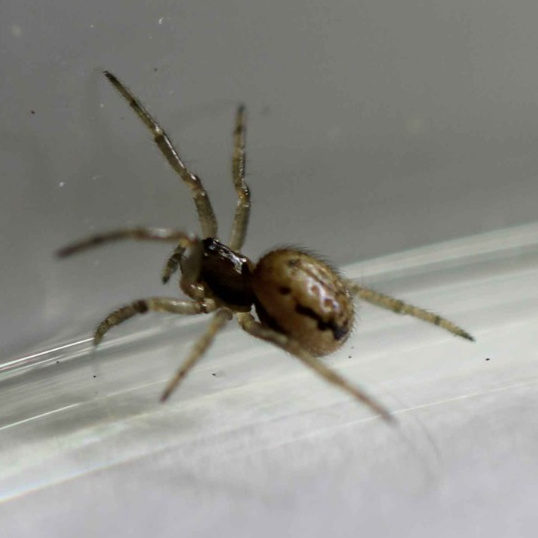
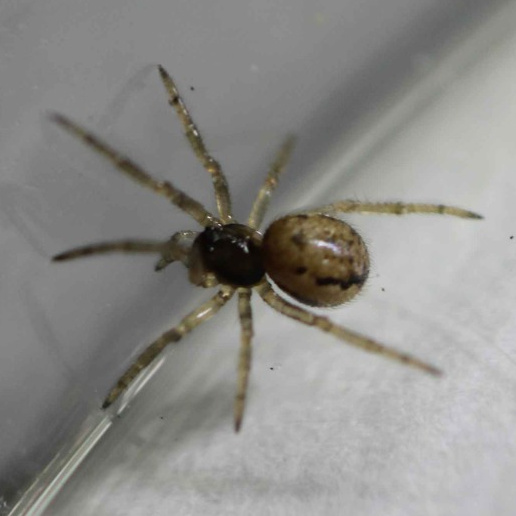
Spatial distribution - hectad map
Click on one of the date ranges in the key to highlight that particular range. Click anywhere else on the map to go back to all three date ranges.
Thresholds:
Move mouse cursor over dot for info
Rejected records are excluded from this map. Unverified records are included.
Temporal distribution - records by year
Records that span more than one year are not included in this chart.
Temporal distribution - records by week
__