
Species Details
- Species name
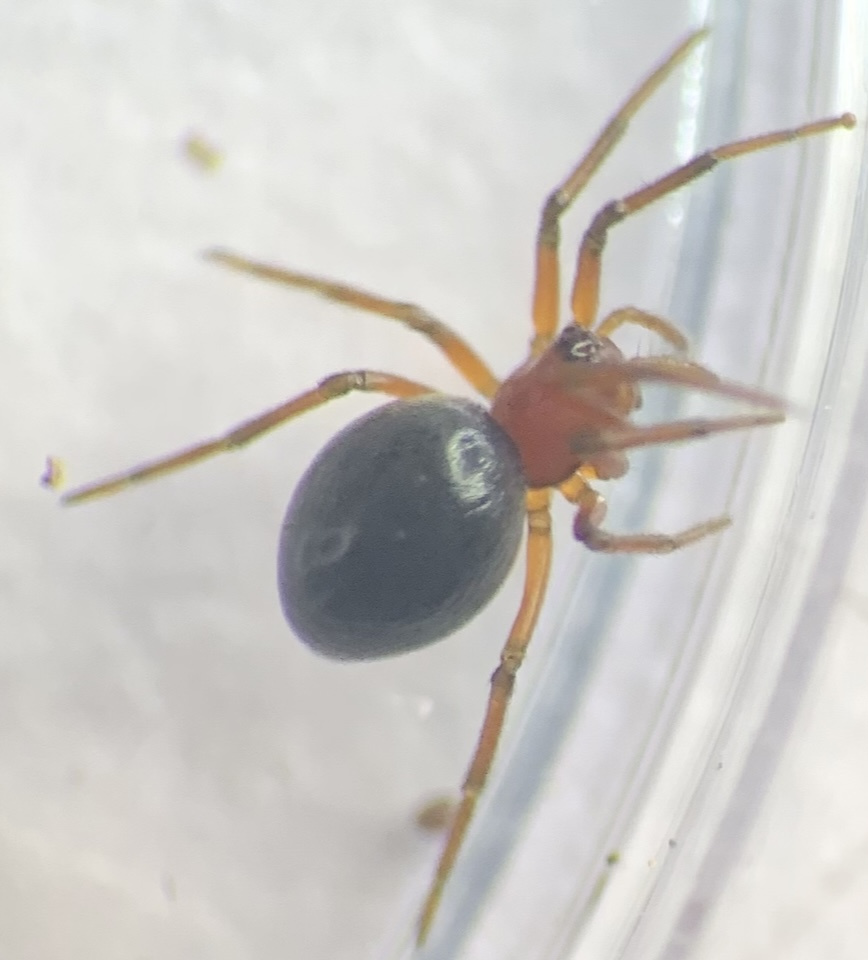
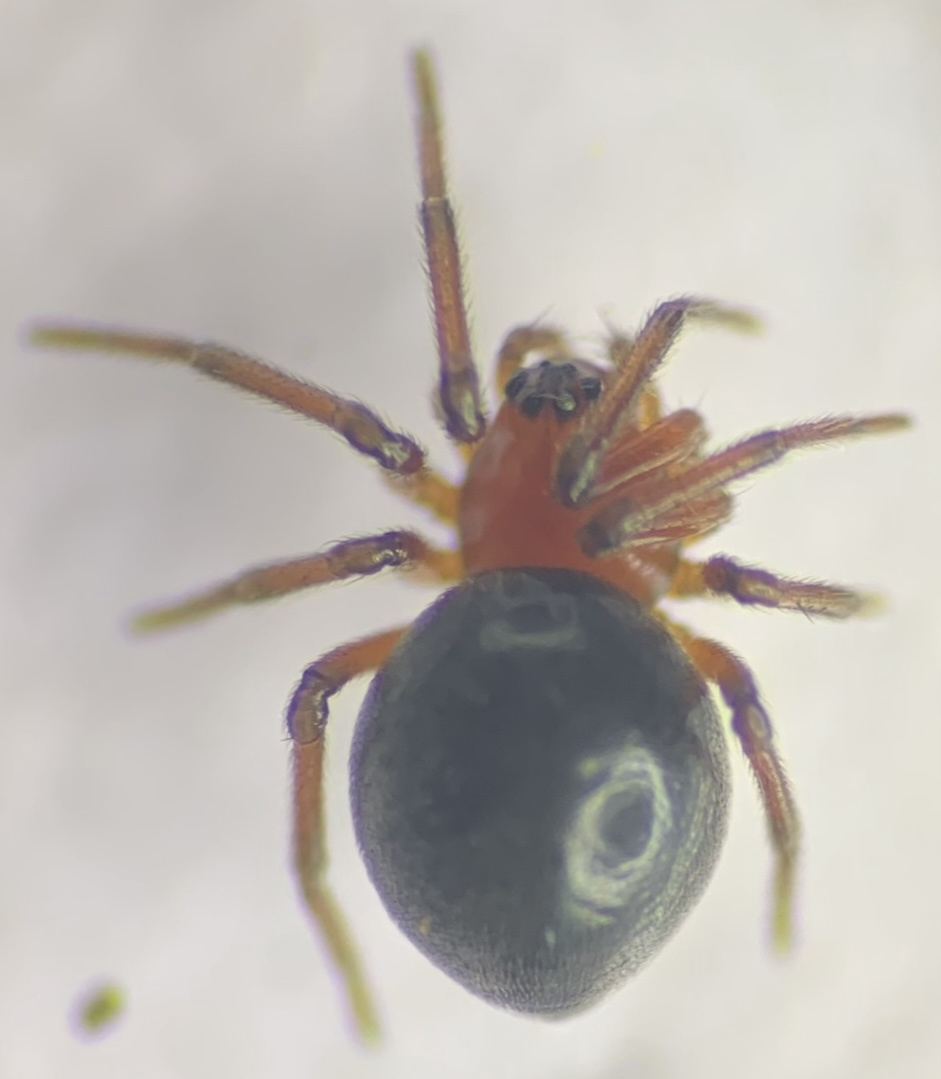
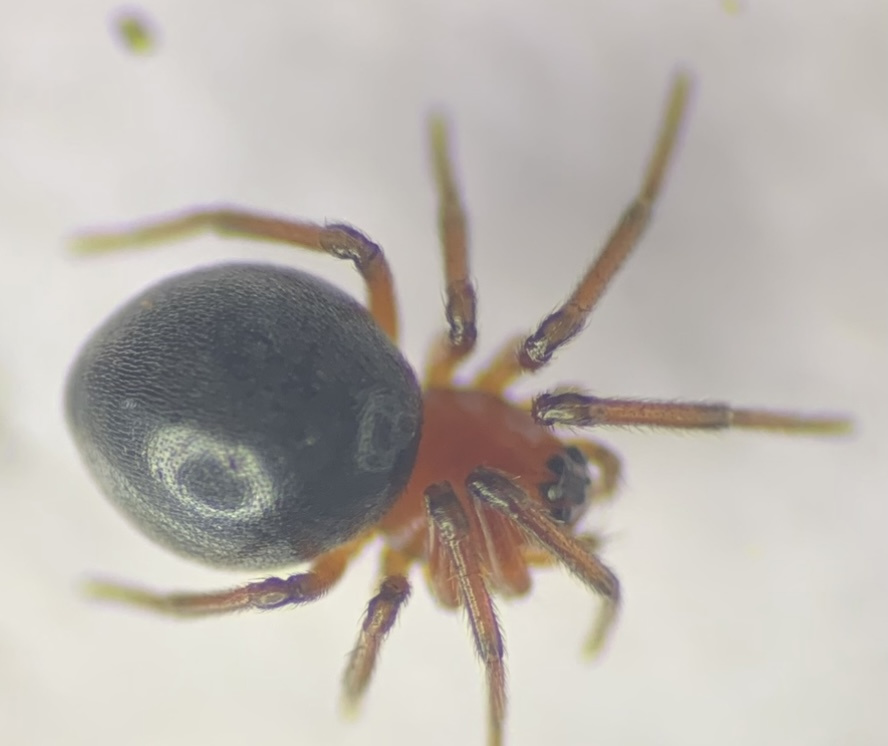
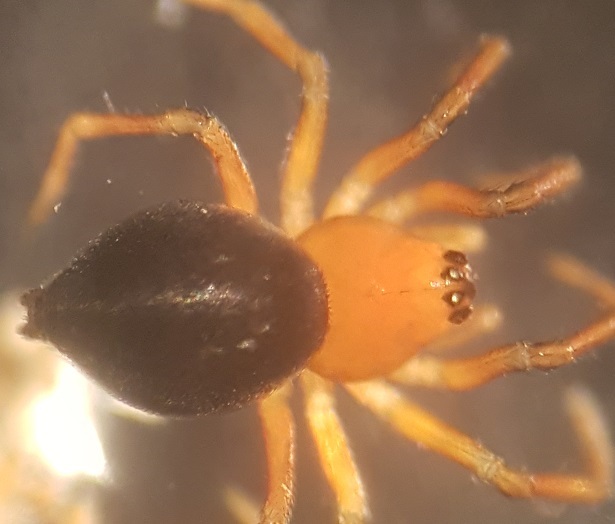
- Hypselistes jacksoni (O.P.-Cambridge, 1902)
- Taxonomy
- Animalia :: Araneae :: Linyphiidae
- acid & sedge peats
Distribution
H. jacksoni is widely distributed from the south-west, through Wales into northern England, becoming much more scattered as far north as Orkney. In southern central England the species is restricted to heathland areas. A Holarctic species, widespread in north-western Europe.Habitat and ecology
H. jacksoni is nearly always found in wet or marshy areas, in bogs and heathland. Adults of both sexes have been found in autumn, winter and spring, females also in the summer.Status
The species is uncommon but it can be frequent in damp heathy areas and bogs in southern England. An apparent decline needs more information to evaluate.Threats
Drainage of wetlands for forestry and agriculture represents a potential threat to this species.Management and conservation
Ensure the water table in wetland sites is maintained. Text based on Dawson, I.K., Harvey, P.R., Merrett, P. & Russell-Smith, A.R. (in prep.).Stats
- First recorded
- 1800
- Last recorded
- 2026
- Total records
- 1,495
- Total visits
- 1,398
Conservation status
Hypselistes jacksoni
| Source | Reporting category | Designation | Date designated | Comments |
|---|---|---|---|---|
| A Review of the scarce and threatened spiders (Araneae) of Great Britain: Species Status No. 22 (Sep 2017) | Red data categories - spiders (not based on IUCN criteria) | Spider Amber List | 01/09/2017 | |
| A Review of the scarce and threatened spiders (Araneae) of Great Britain: Species Status No. 22 (Sep 2017) | Rare and scarce species | Nationally Scarce. Includes Red Listed taxa | 01/09/2017 | Threats: Drainage of wetlands for forestry and agriculture represents a potential threat to this species. |
| A Review of the scarce and threatened spiders (Araneae) of Great Britain: Species Status No. 22 (Sep 2017) | Red listing based on 2001 IUCN guidelines | Least concern | 01/09/2017 | Widely recorded on the Welsh peatlands prior to 1993, but the lack of survey there in recent years has inflated the rate of decline. Threats: Drainage of wetlands for forestry and agriculture represents a potential threat to this species. |
Photos and media
Spatial distribution - hectad map
Click on one of the date ranges in the key to highlight that particular range. Click anywhere else on the map to go back to all three date ranges.
Thresholds:
Move mouse cursor over dot for info
Rejected records are excluded from this map. Unverified records are included.
Temporal distribution - records by year
Records that span more than one year are not included in this chart.
Temporal distribution - records by week
__