
Species Details
- Species name
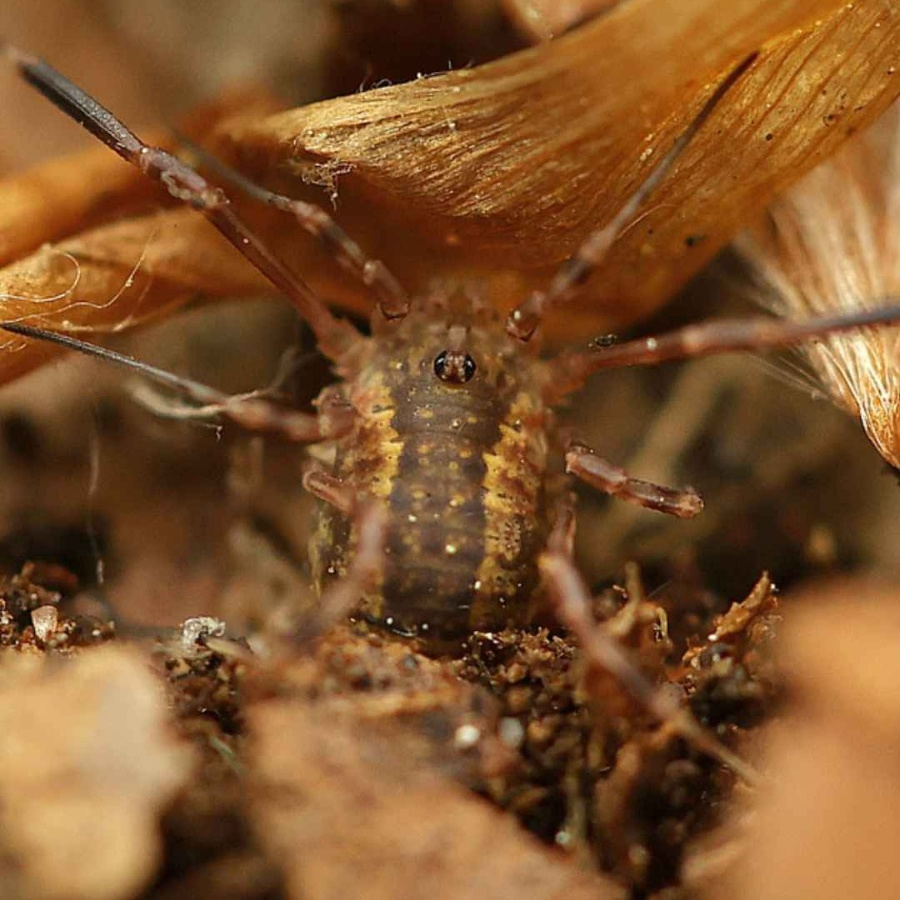
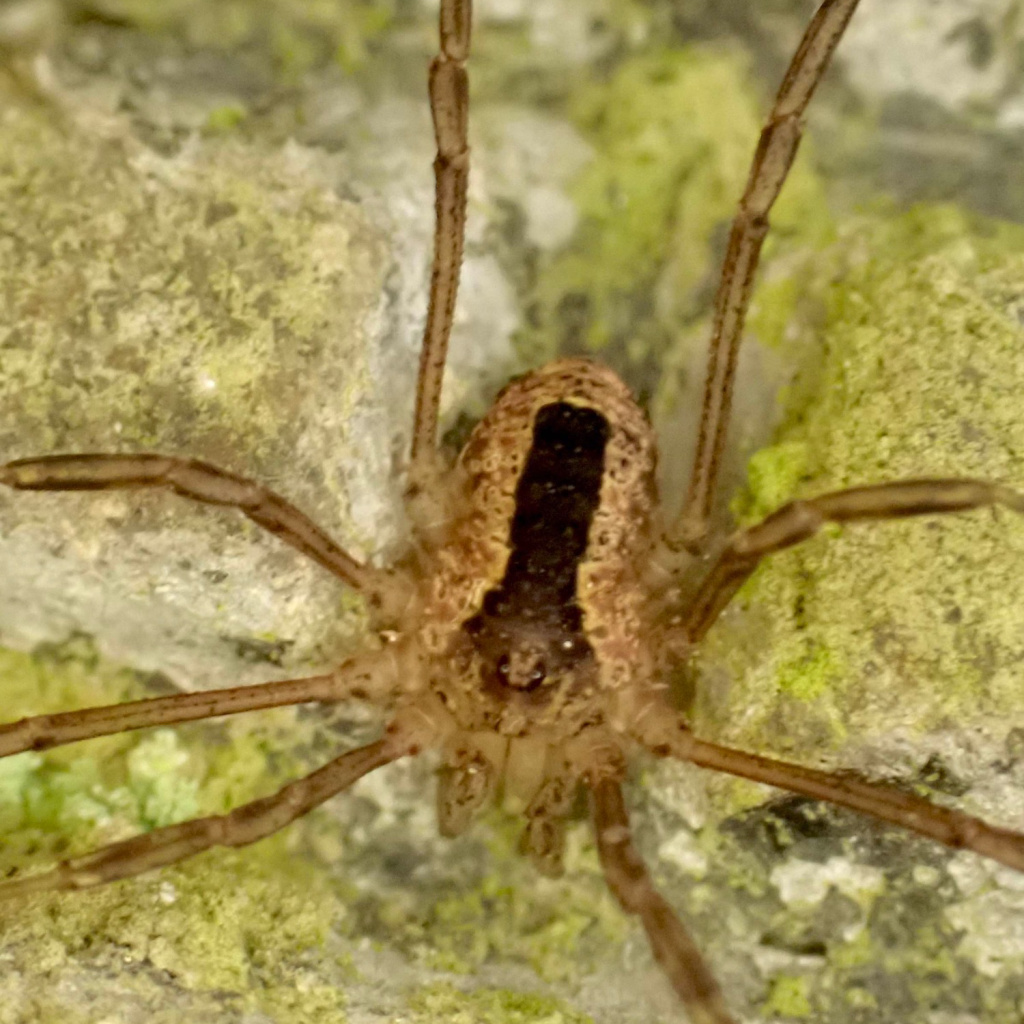
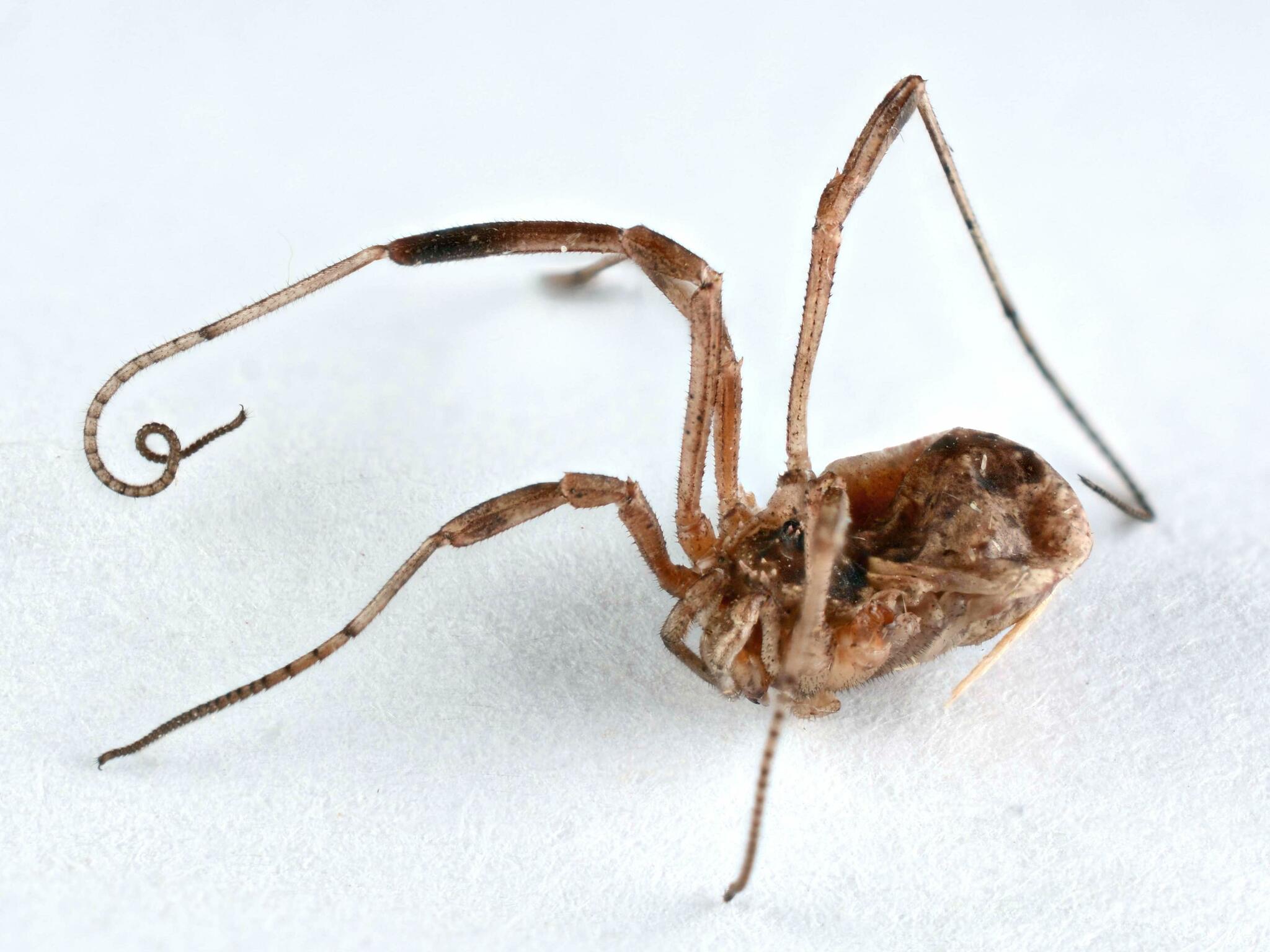
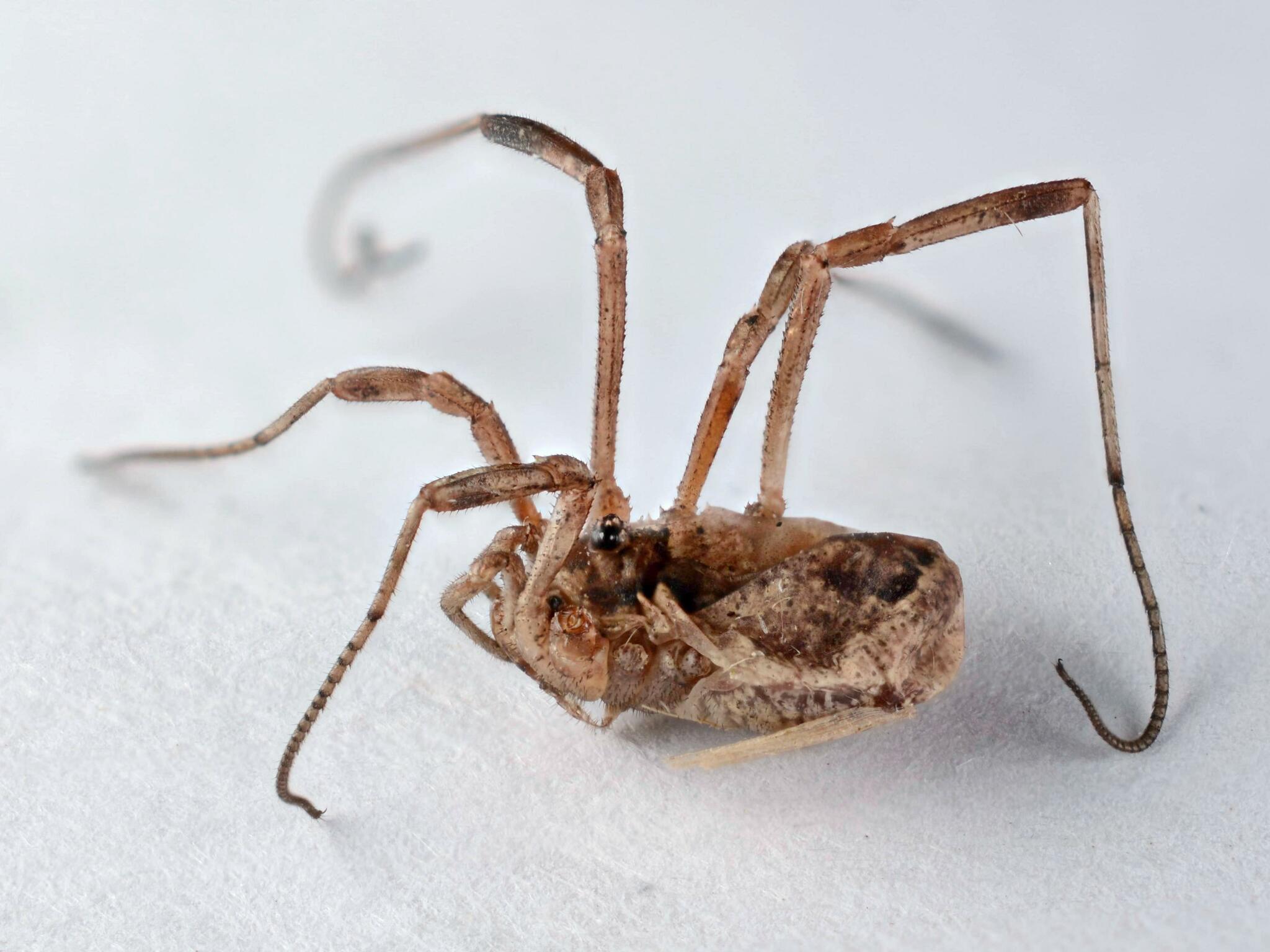
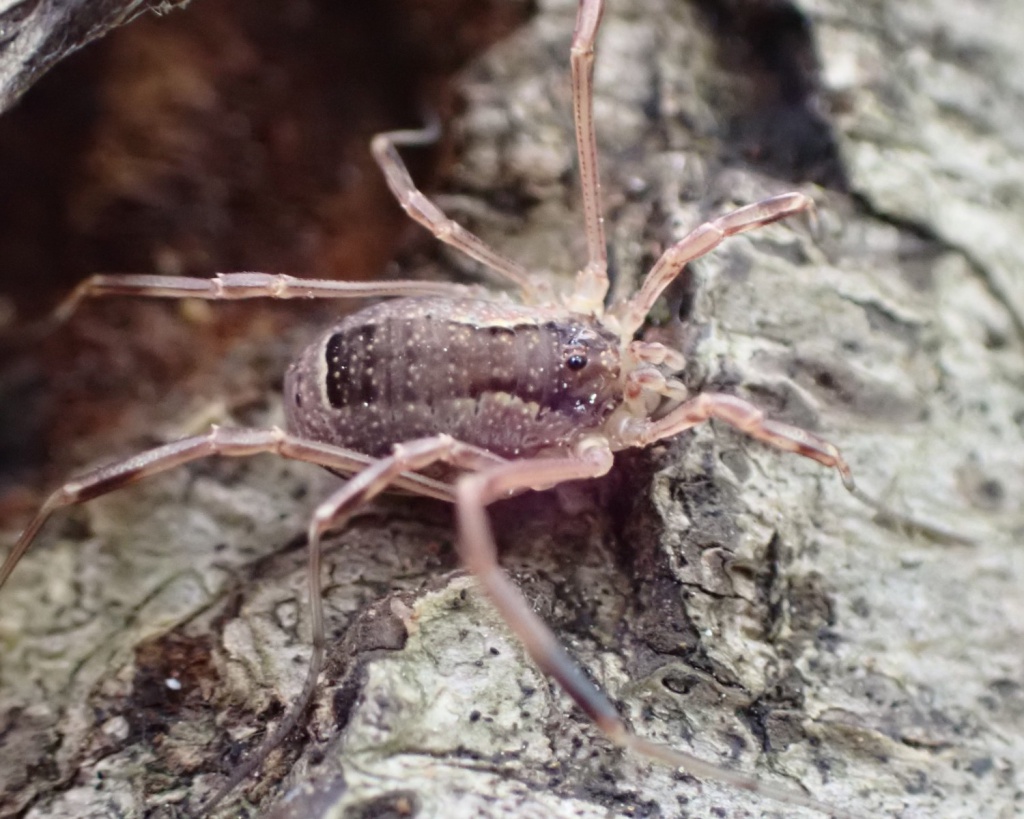
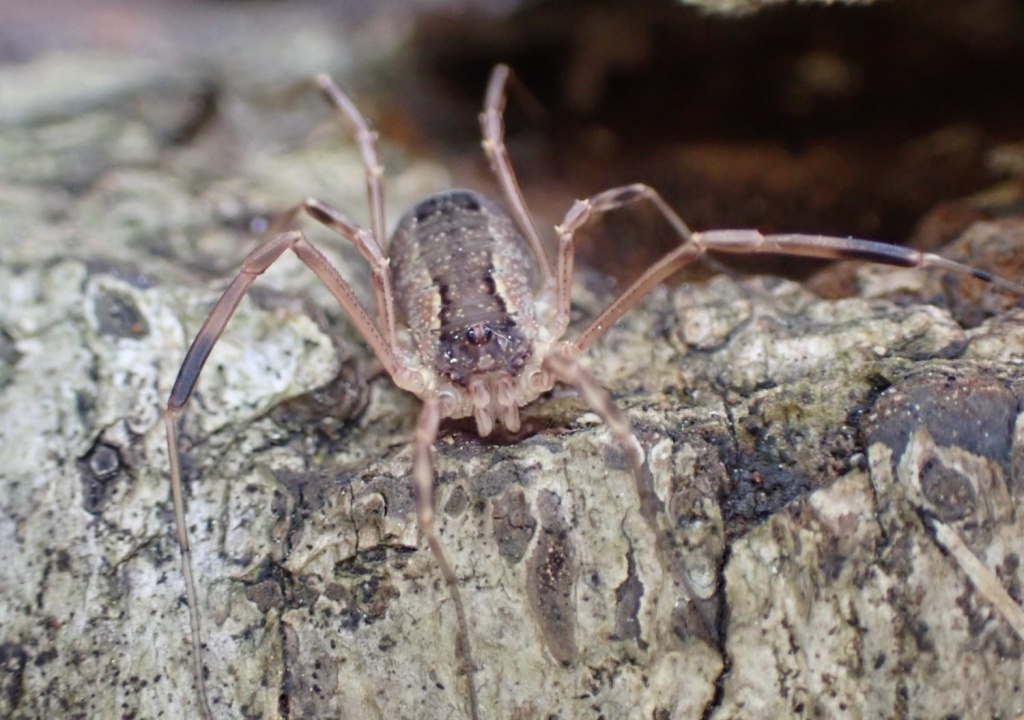
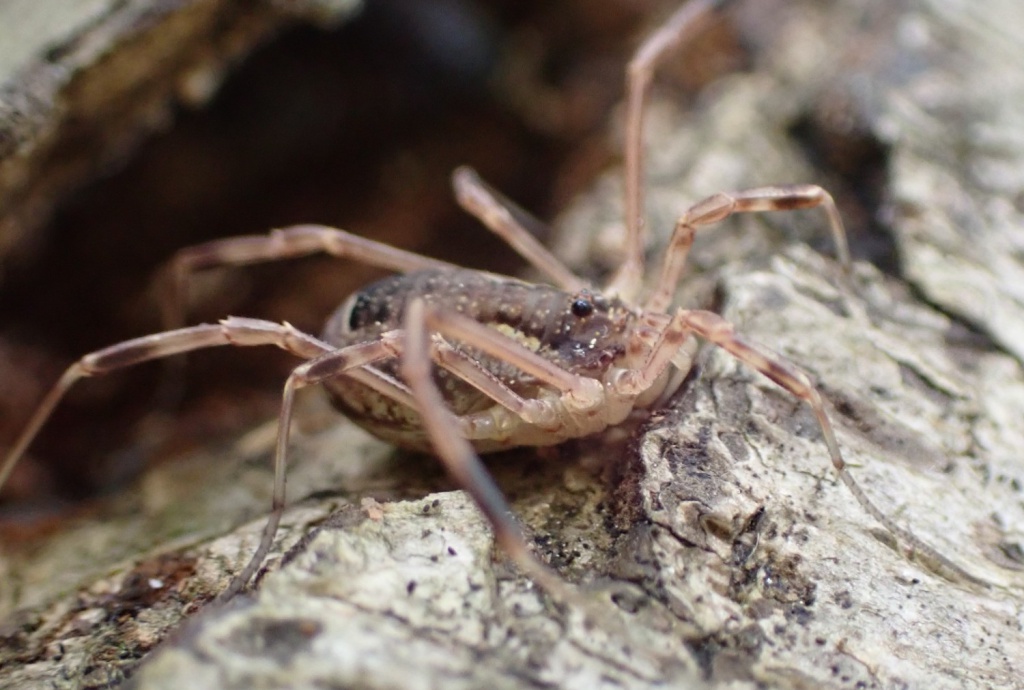
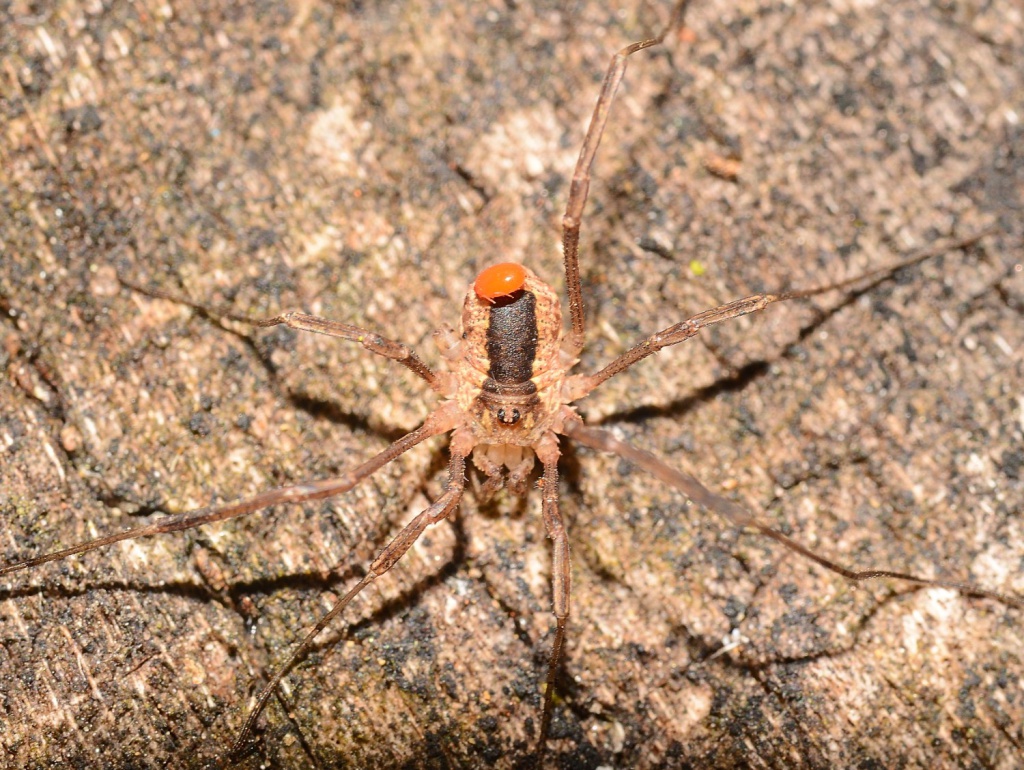
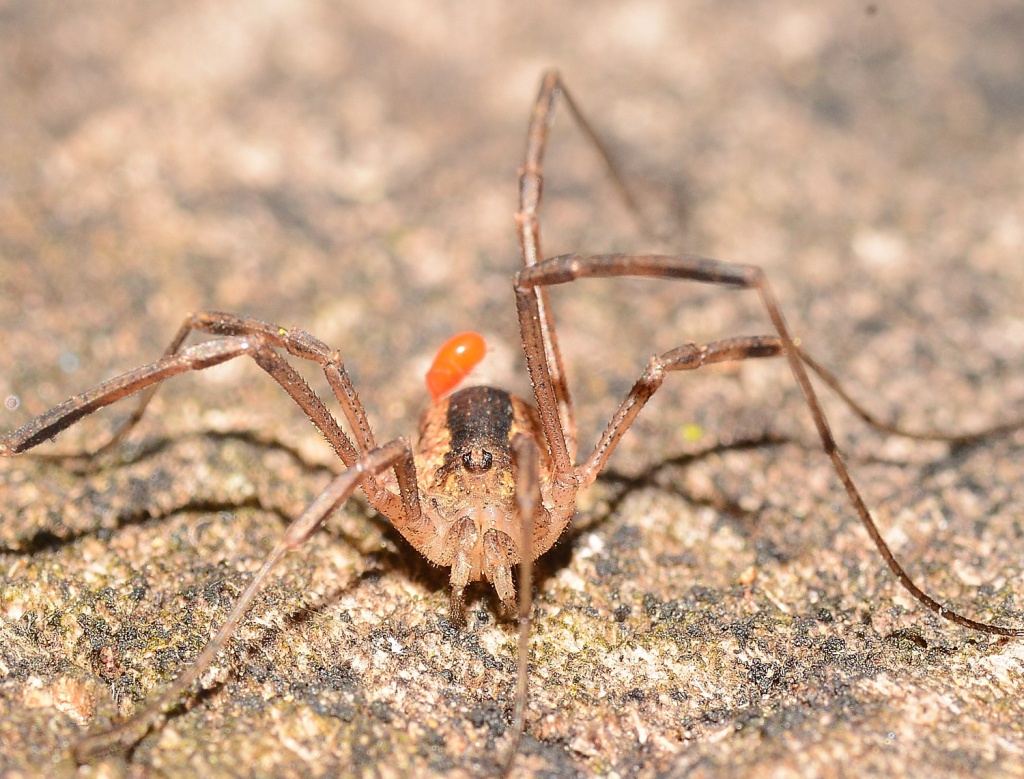
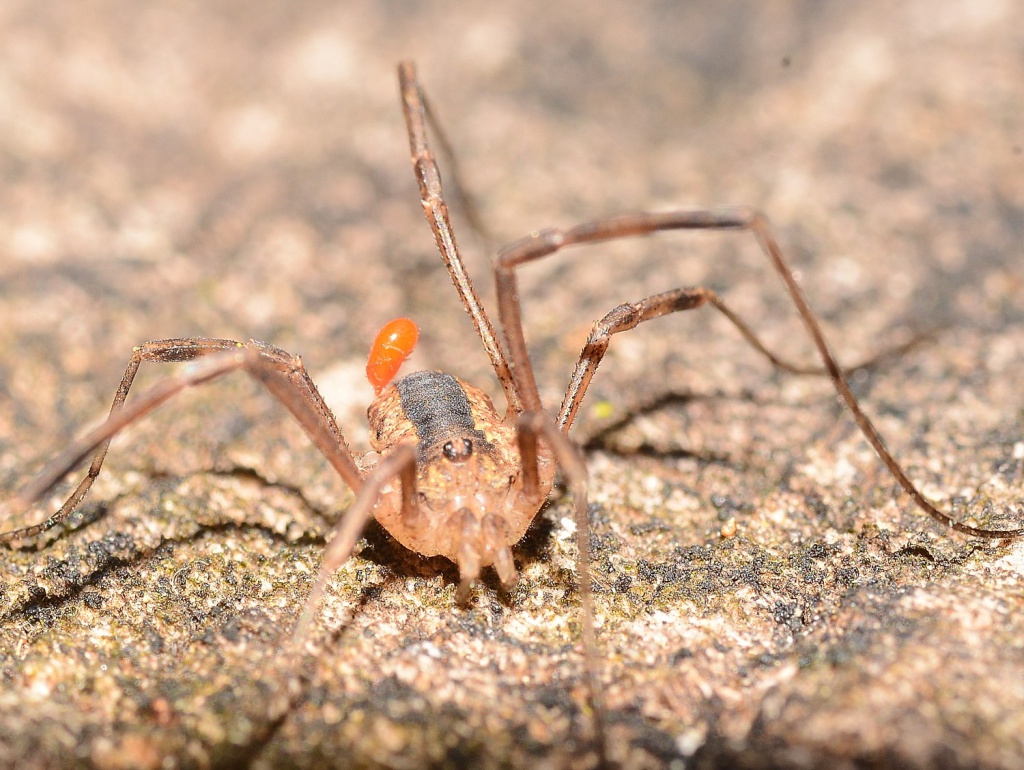
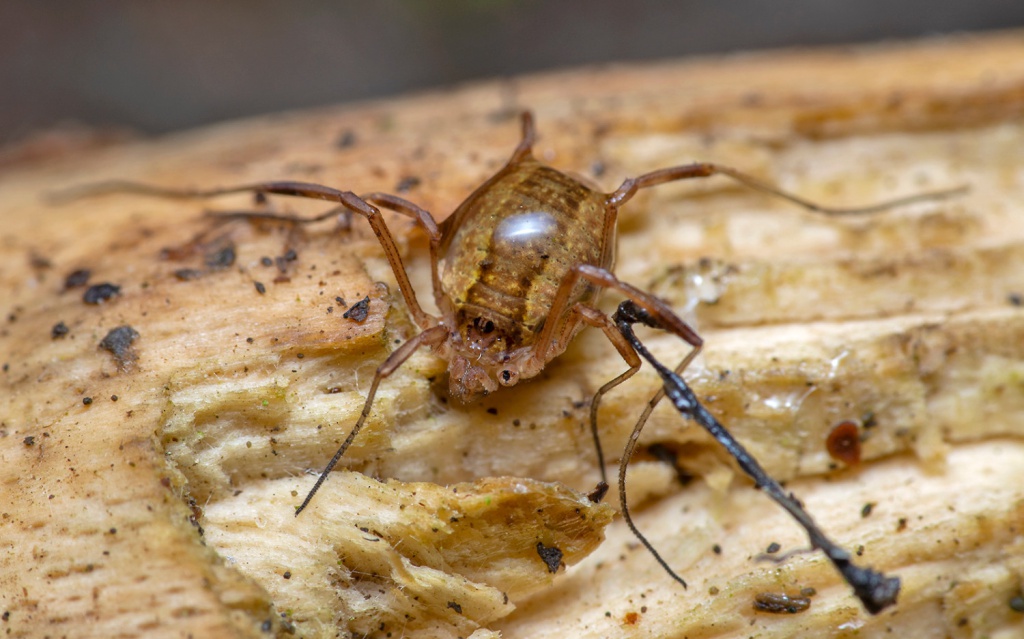
- Lacinius ephippiatus (C. L. Koch, 1835)
- Synonyms
- Lacinius ephippiatus Roewer, 1912, Acantholopus ephippiatus C. L. Koch, 1848, Opilio ephippiatus C. L. Koch, 1835, Lacinius ephippiatus (C.L. Koch, 1835)
- Taxonomy
- Animalia :: Opiliones :: Phalangiidae
- tall sward & scrub
Distribution
Lacinius ephippiatus is widespread across the British Isles. Tt is recorded at similar frequency to Oligolophus tridens with which females are commonly confused. It extends as far north as Orkney and Shetland but has not been recorded in the Outer Hebrides. It was first recorded as a British species by Meade (1855) who considered it 'abundant in various parts of England and Wales'.
It is widespread across Europe with the exception of Spain and Northern Scandinavia.
Habitat and ecology
In Britain, it is recorded at altitudes of up to 400m, but Martens (1978) notes that it occurs up to 1650m in the Alps.
Adults are present from May to November with the main activity in July/August, a little earlier than O. tridens. It is a species which likes relatively damp habitats, living down in the vegetation and litter of wetlands, grasslands and deciduous woodlands, but climbing higher up in the herb layer when foraging at night. Individuals have been recorded from pitfall traps in large numbers. Various authors have recorded L. ephippiatus feeding on springtails, bugs, flies, myriapods, spiders, harvestmen, woodlice, earthworms and snails (Pinto-da-Rocha et al. 2007, p. 311). Freshly killed prey appears to be preferred over carrion and there is no evidence for consumption of vegetable or fungal material.
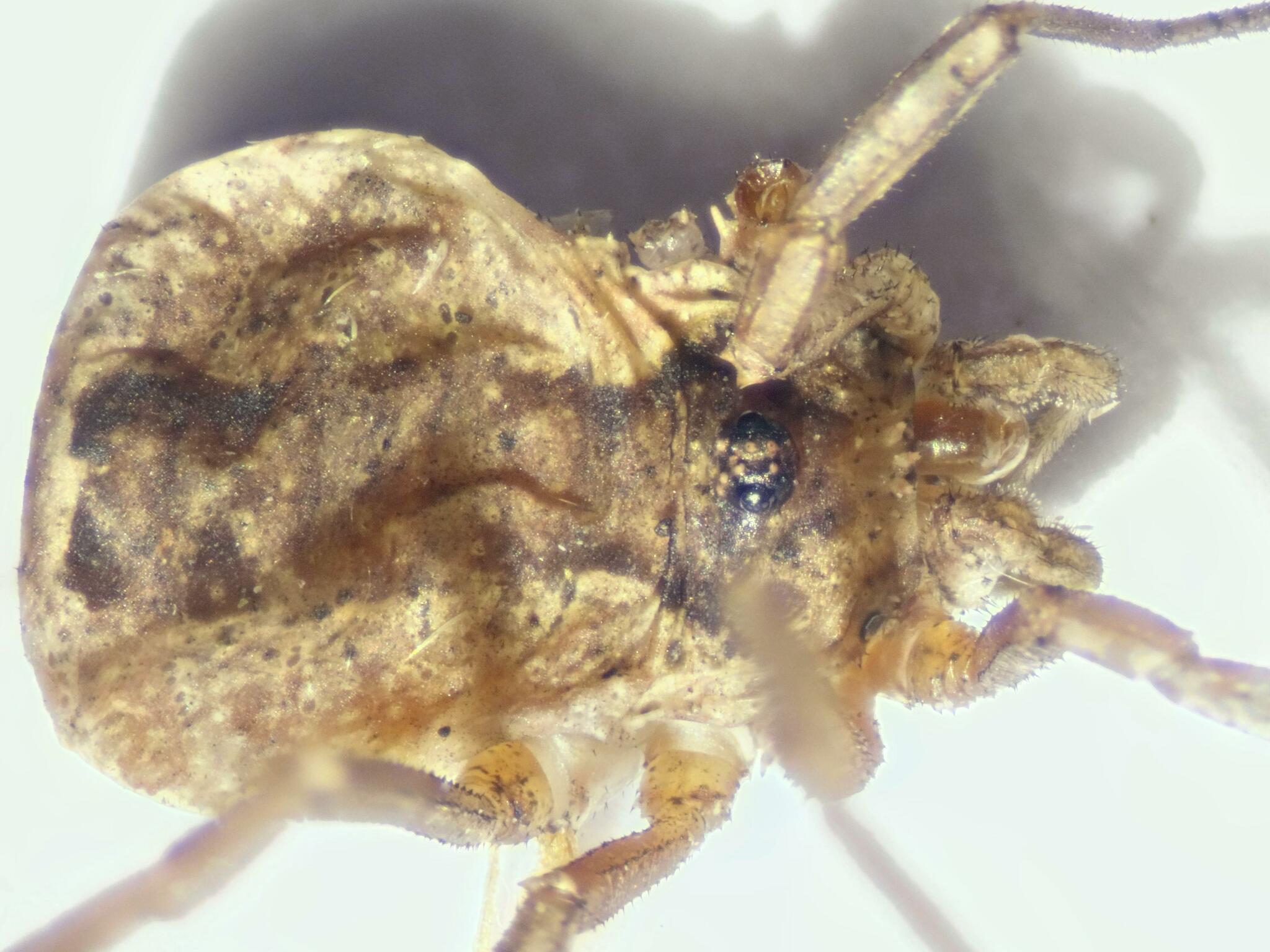
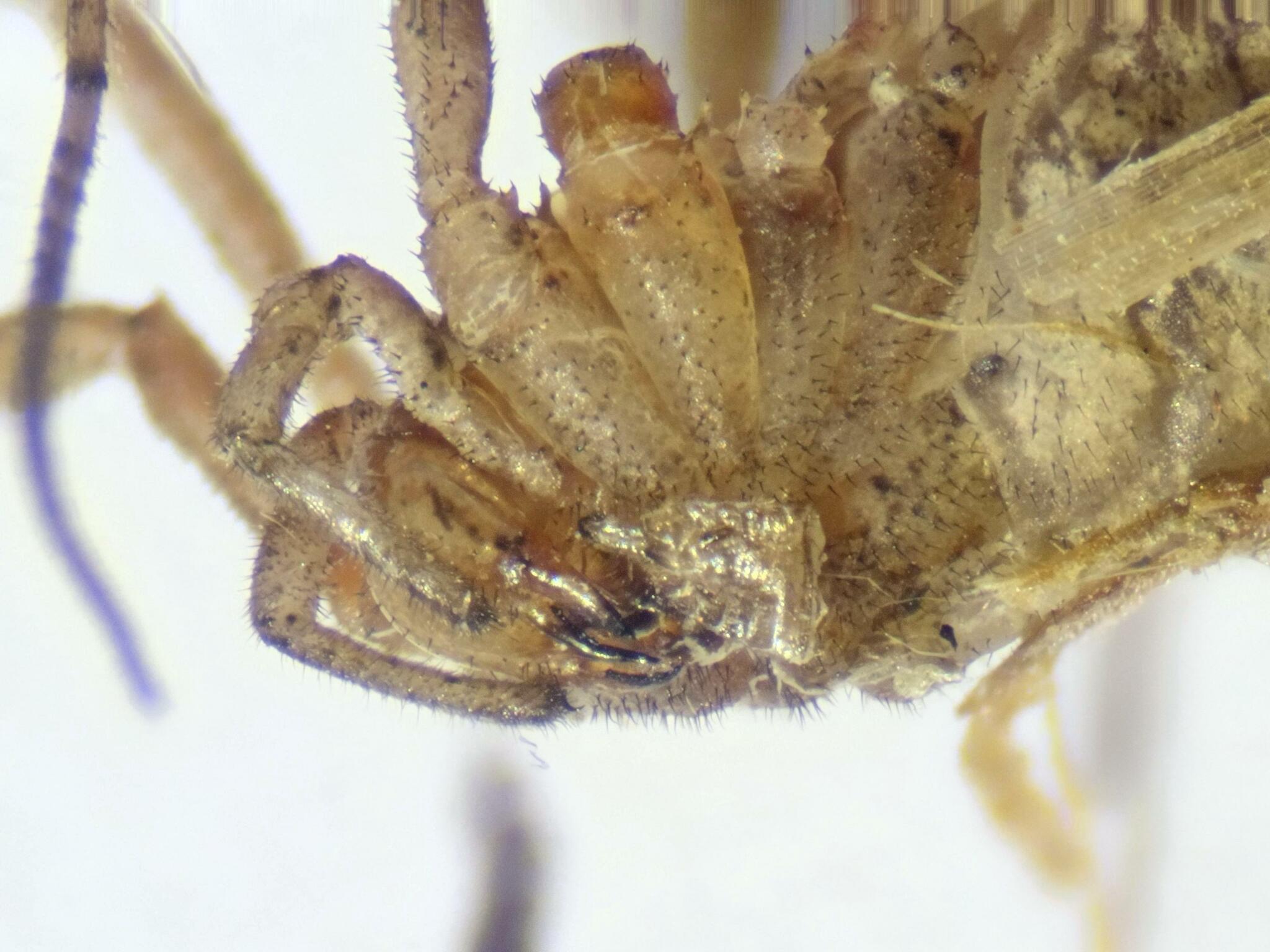
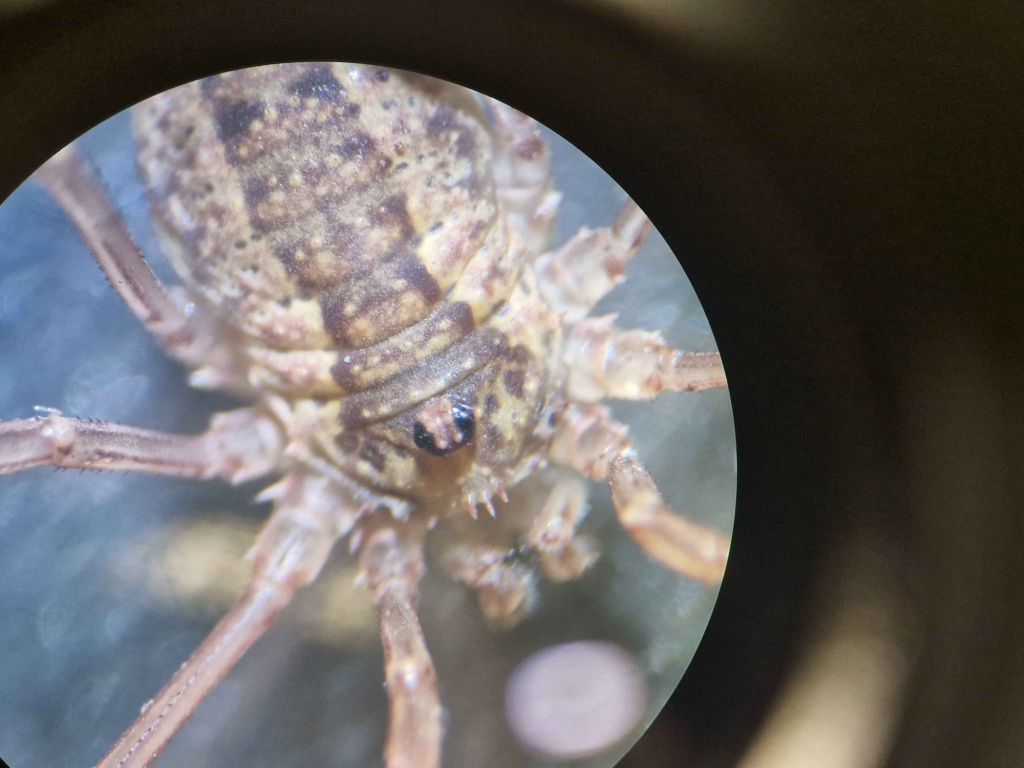
Identification Note: Sometimes the palpal tubercles are missed, leading to confusion with O. tridens when using the key in Hillyard (2005). Additional character: there is a retrolateral tooth on the male chelicera of L. ephippiatus.
Status
Widespread and common.
Text based on: Hillyard, P. D. 2005. Harvestmen: keys and notes for the identification of British species. Synopses of the British Fauna 4 (3rd edn). Field Studies Council, Shrewsbury.
References
Martens, J. 1978. Spinnentiere, Arachnida: Weberknechte, Opiliones. Die Tierwelt Deutschlands ### 64: 1-464. Fischer Verlag, Jena.
Meade, R. H. 1855. XXXV. Monograph on the British species of Phalangiidae or Harvestmen. Annals & Magazine of Natural History 2nd Series ### 15 (90): 393-416.
Pinto-da-Rocha, R., Machado, G. & Giribet, G. (eds) 2007. Harvestmen: the biology of Opiliones. Harvard University Press, Cambridge MA.
Stats
- First recorded
- 2024
- Last recorded
- 2025
- Total records
- 3
- Total visits
- 3
Photos and media
Spatial distribution - hectad map
Click on one of the date ranges in the key to highlight that particular range. Click anywhere else on the map to go back to all three date ranges.
Thresholds:
Move mouse cursor over dot for info
Rejected records are excluded from this map. Unverified records are included.
Temporal distribution - records by year
Records that span more than one year are not included in this chart.
Temporal distribution - records by week
__