
Species Details
- Species name
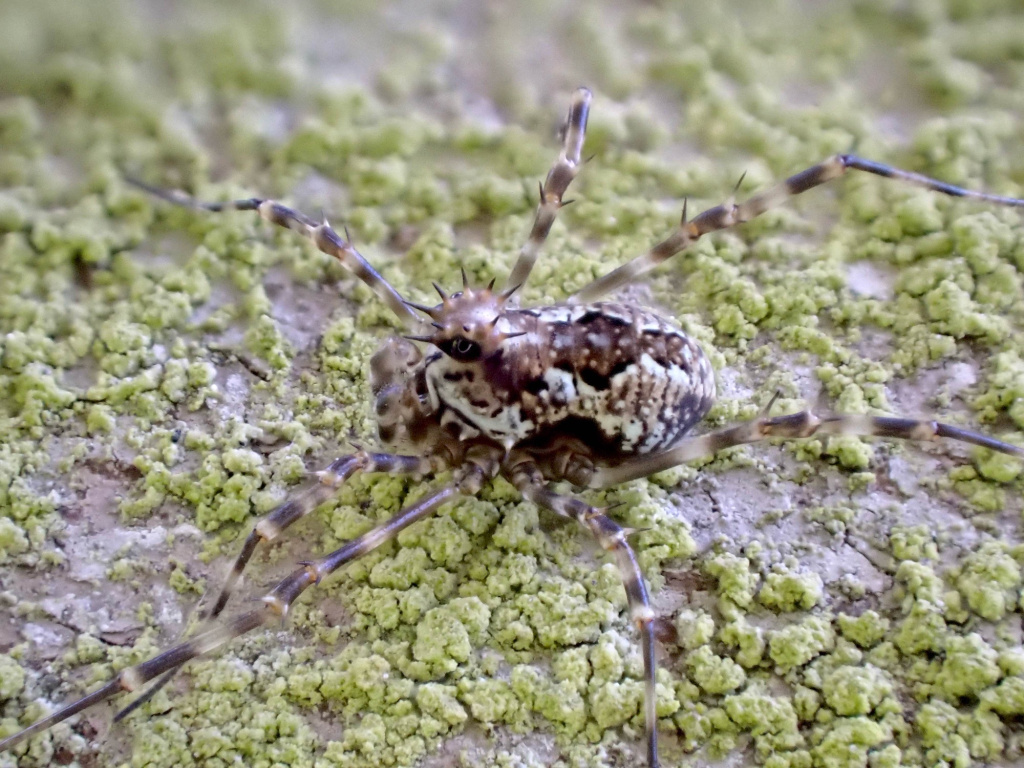
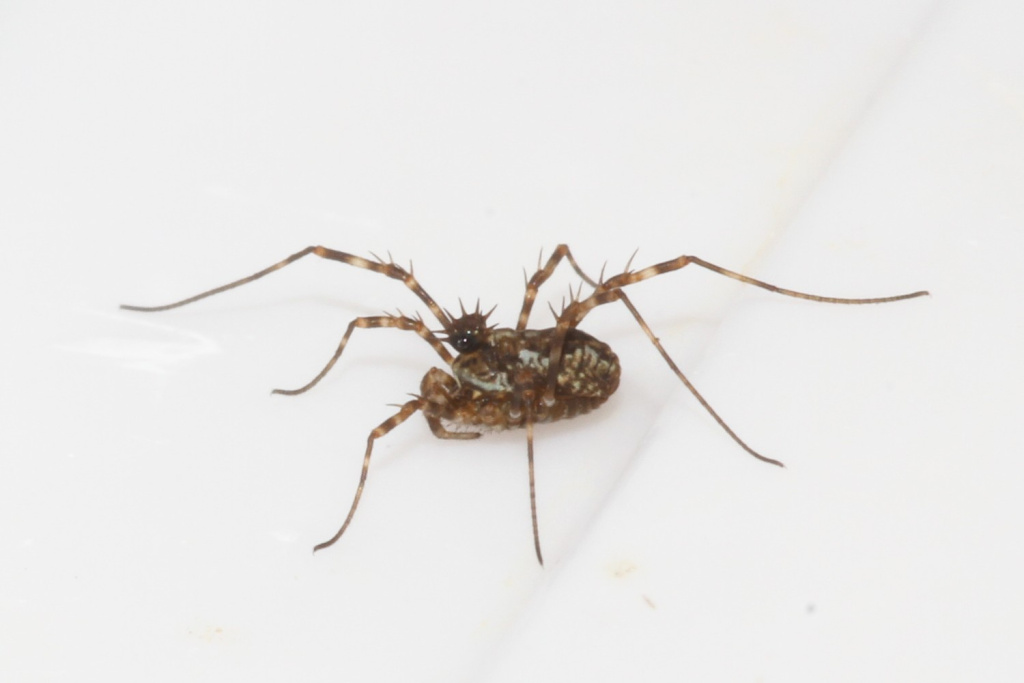
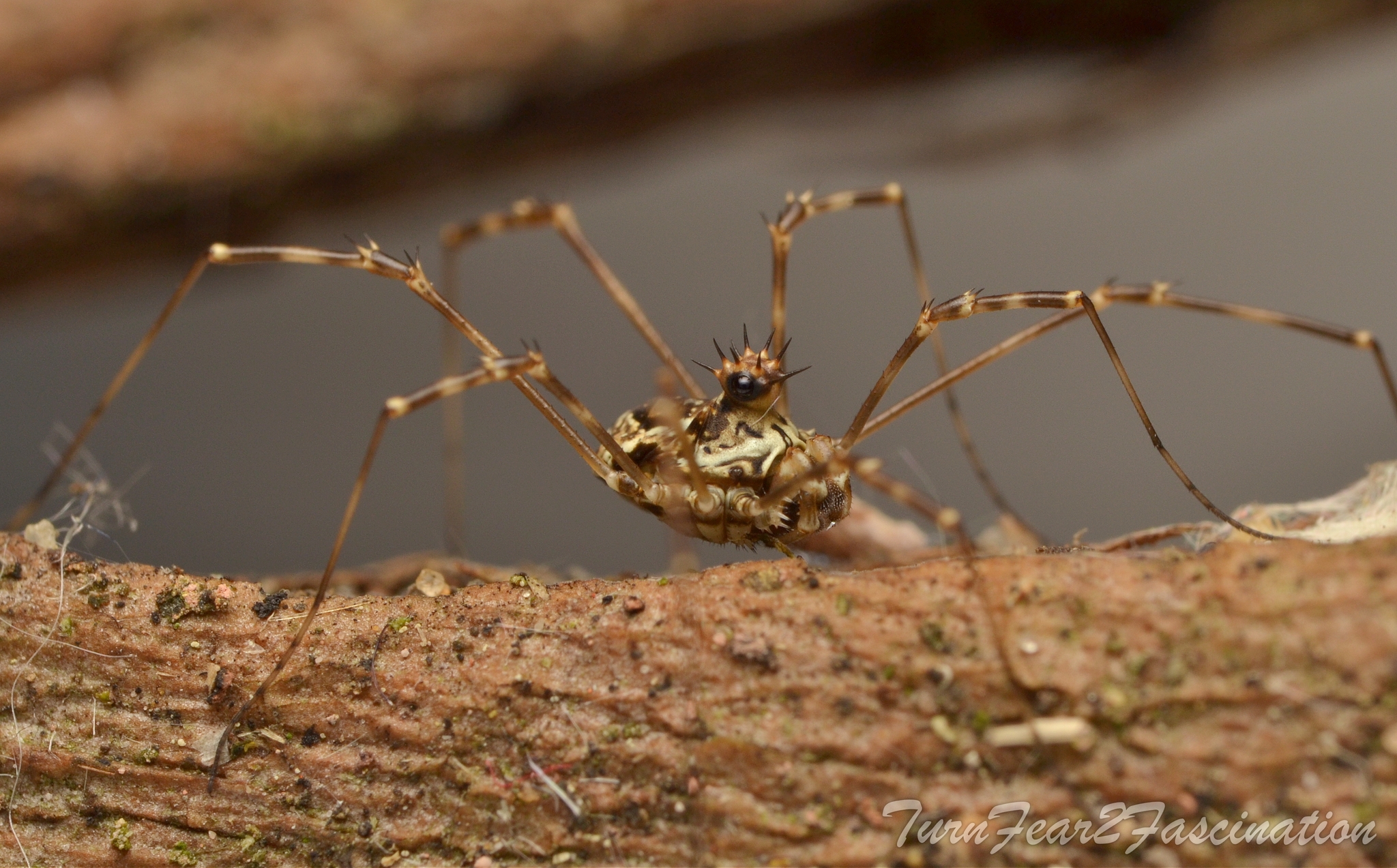
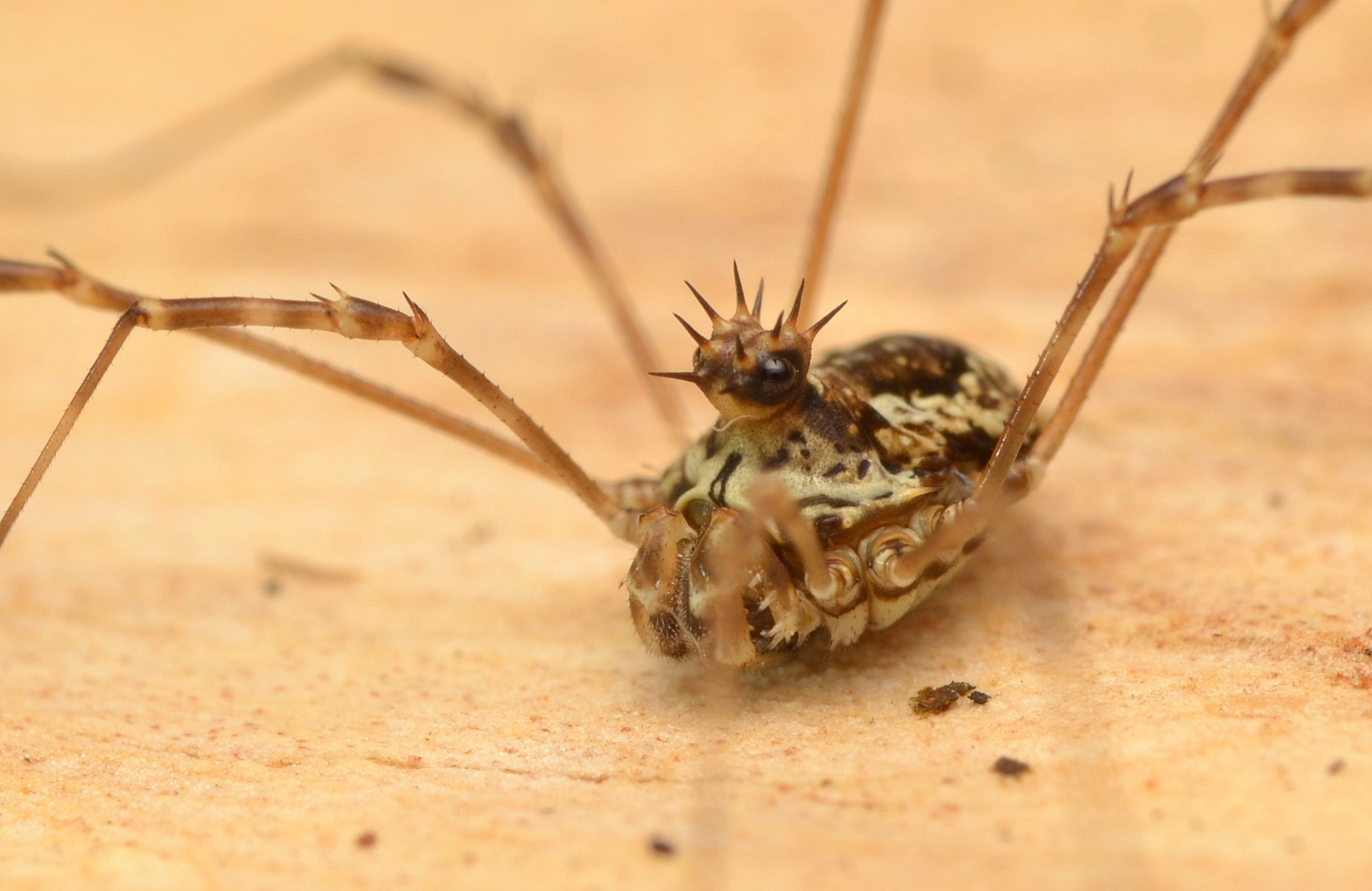
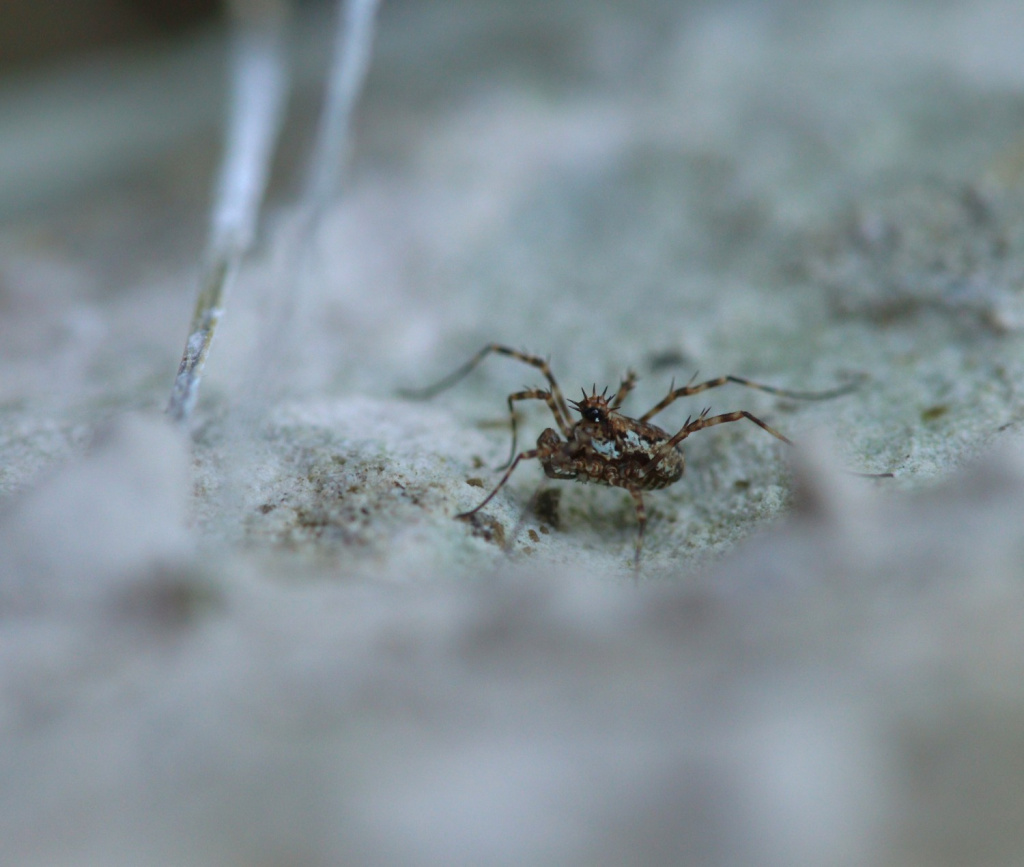
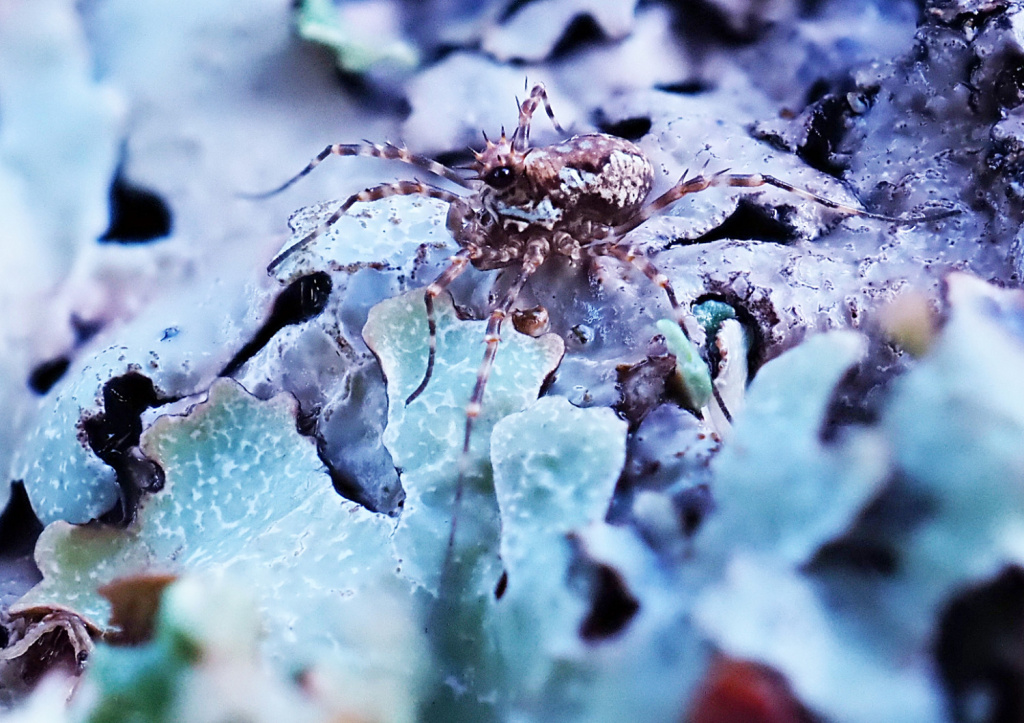
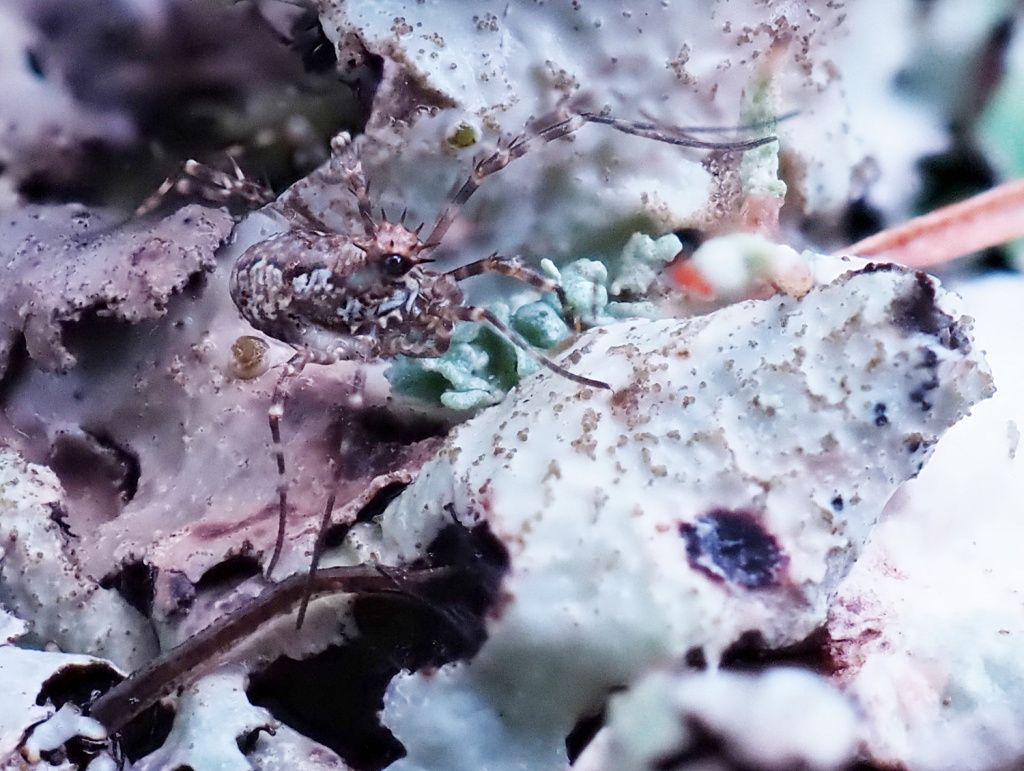
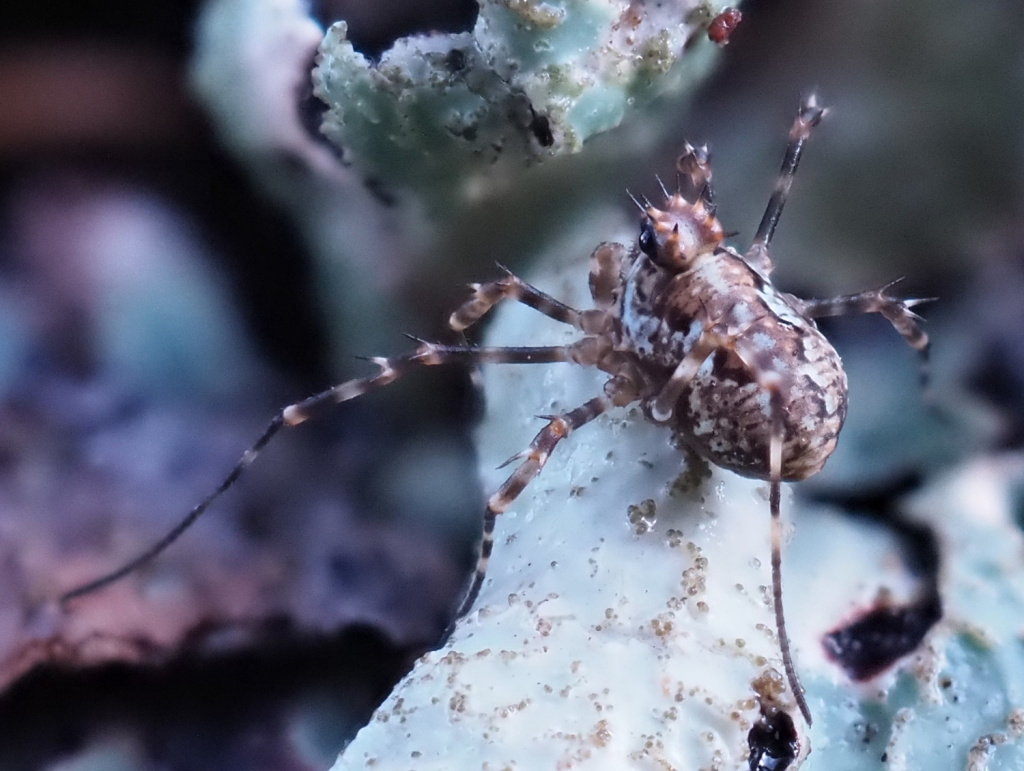
- Megabunus diadema (Fabricius, 1779)
- Synonyms
- Megabunus insignis Meade, 1855, Megabunus diadema Thorell, 1876, Phalangium diadema Fabricius, 1779
- Taxonomy
- Animalia :: Opiliones :: Phalangiidae
- shaded woodland floor
Distribution
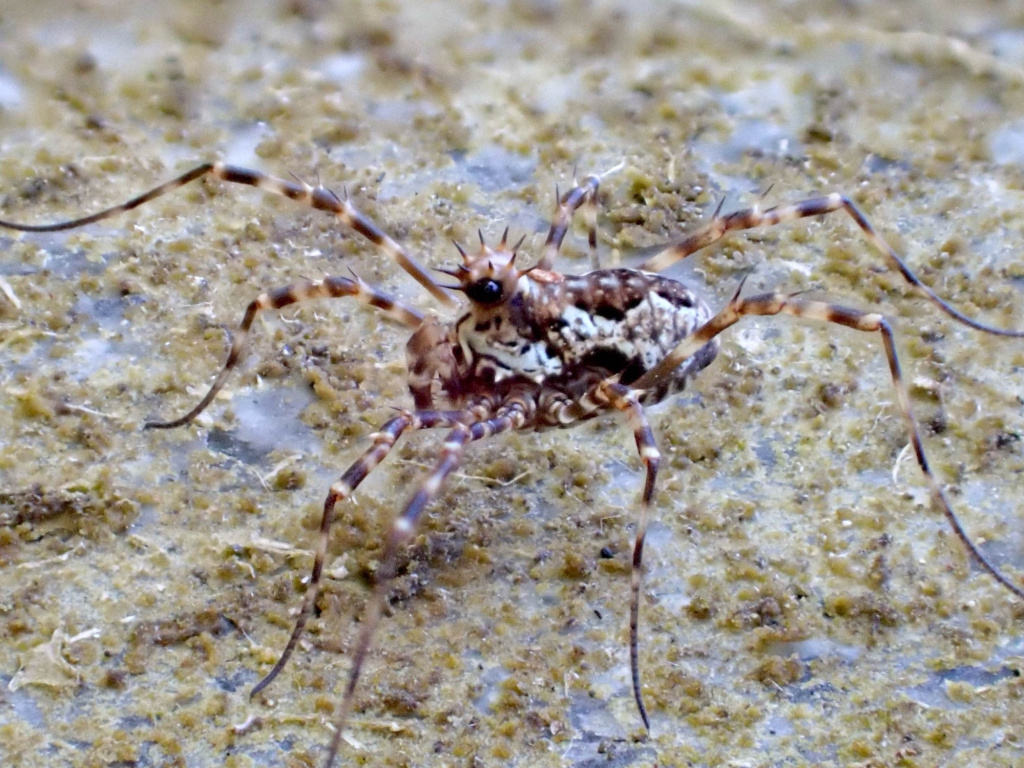
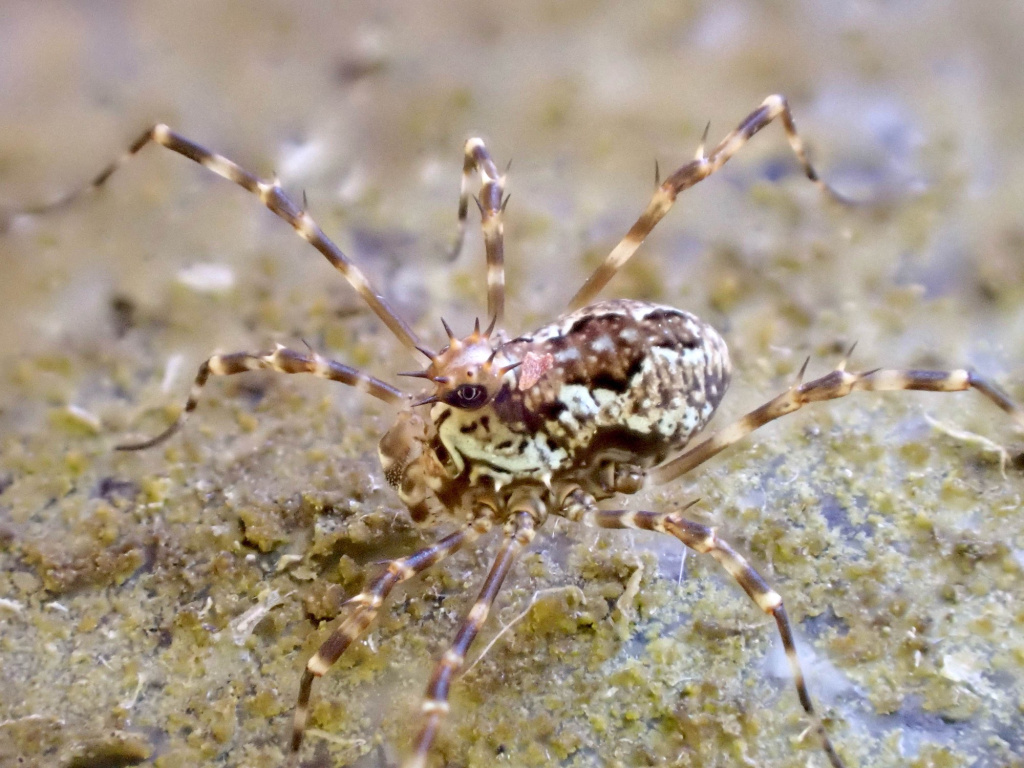
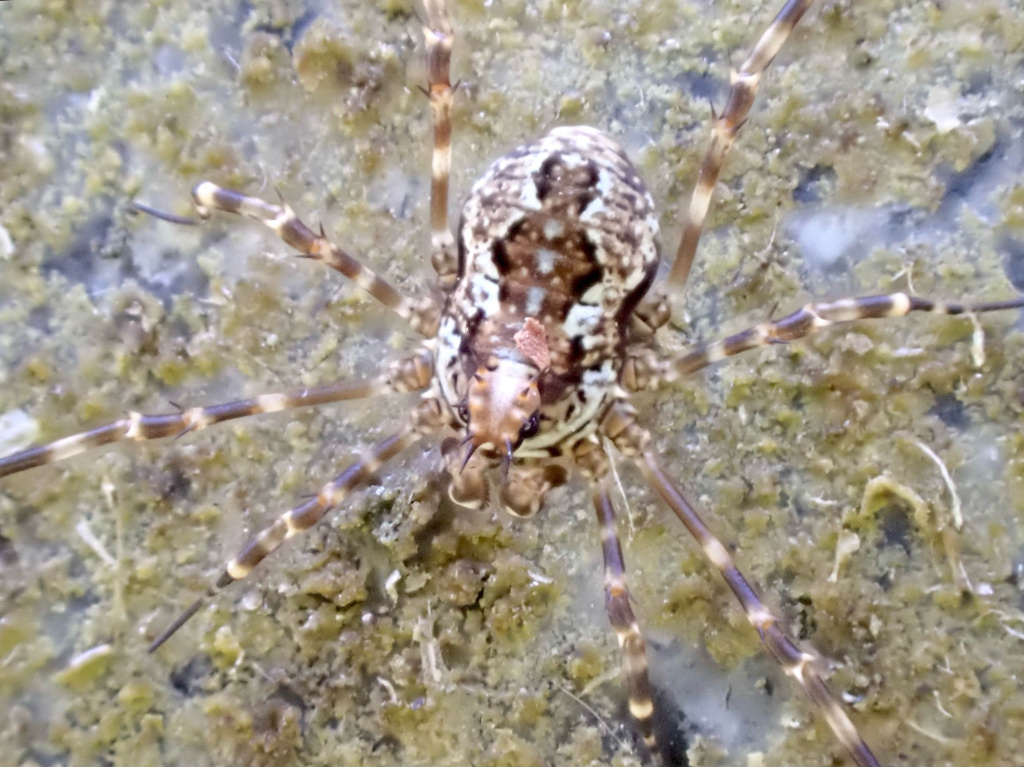
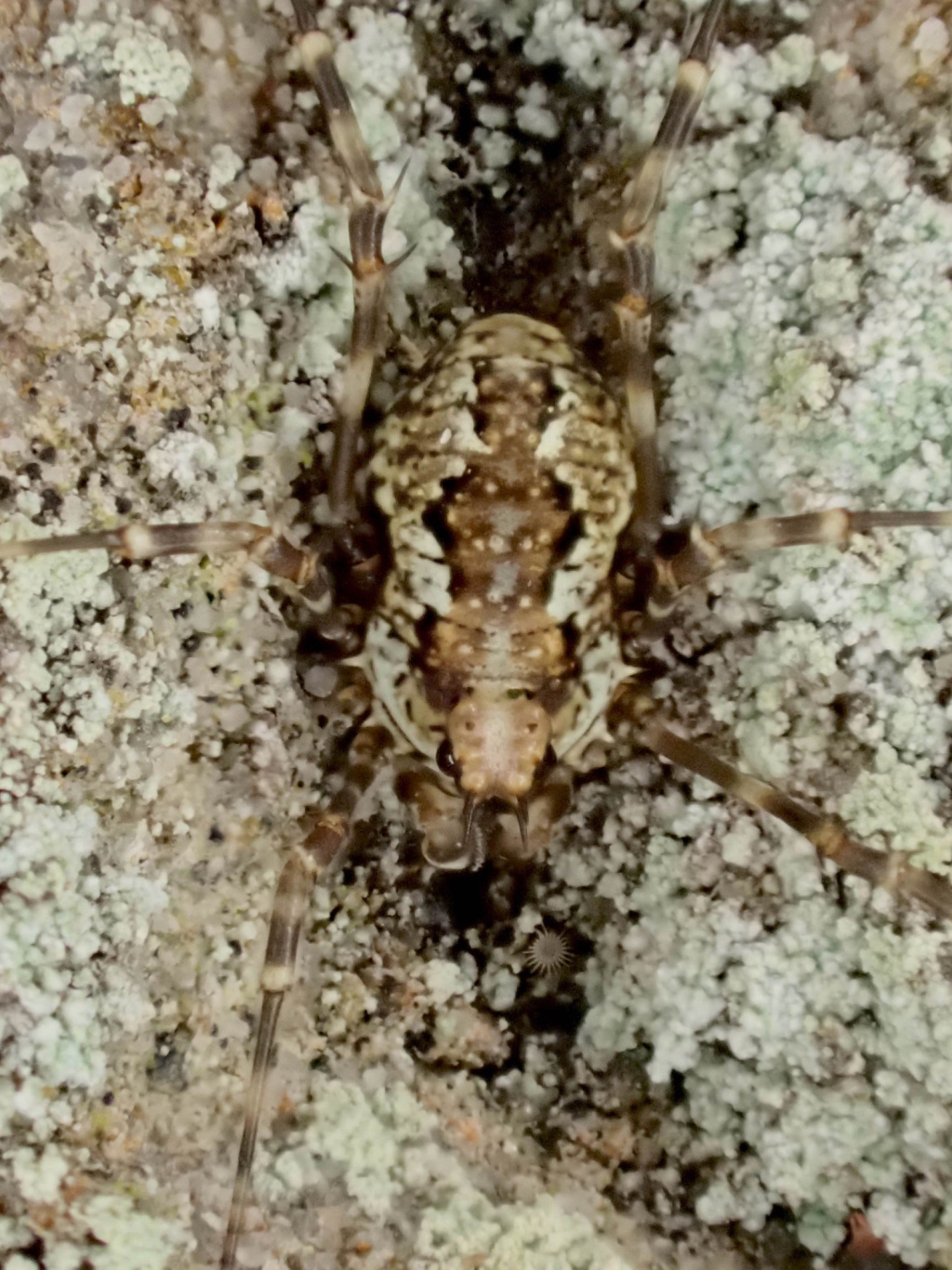
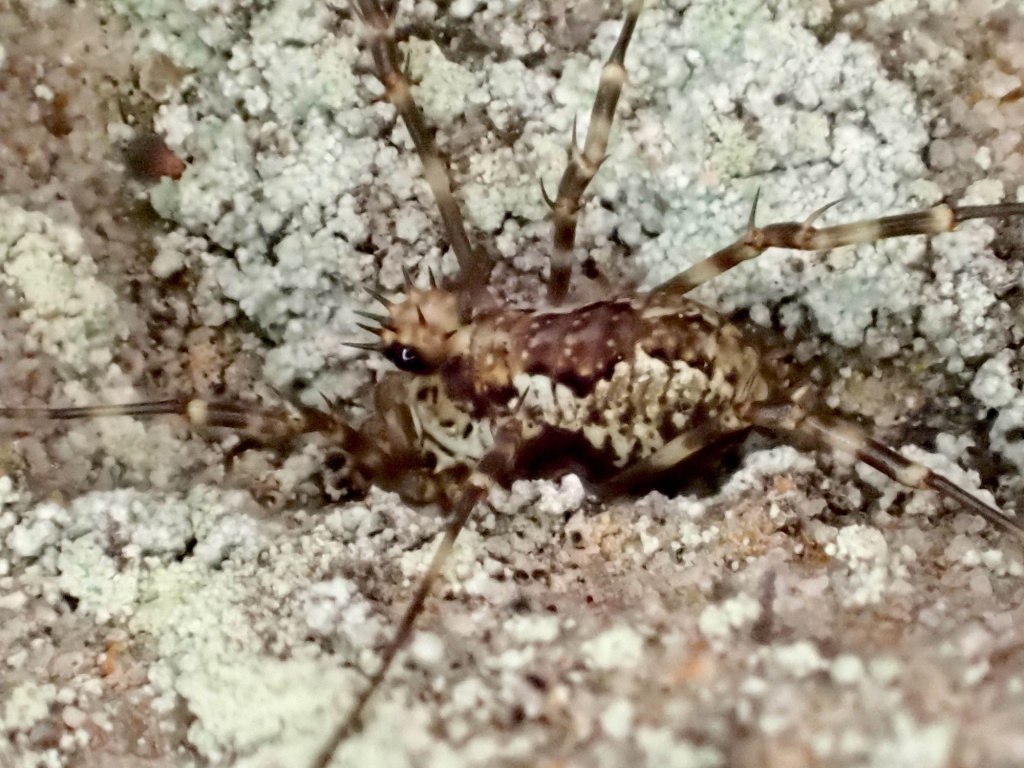
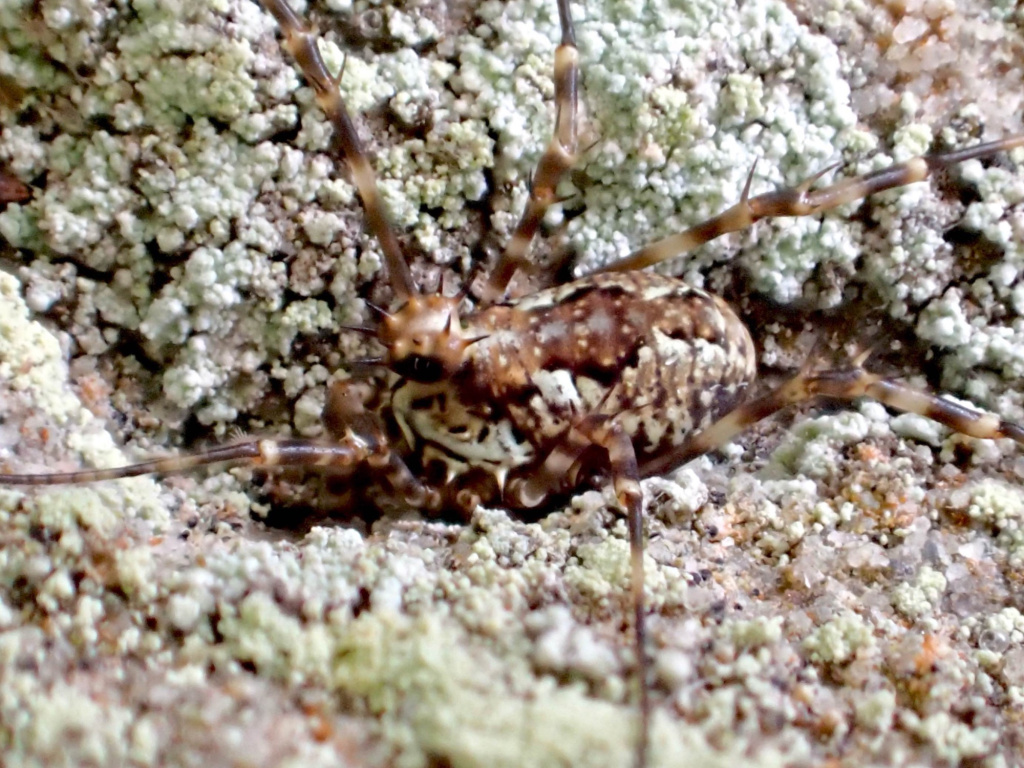
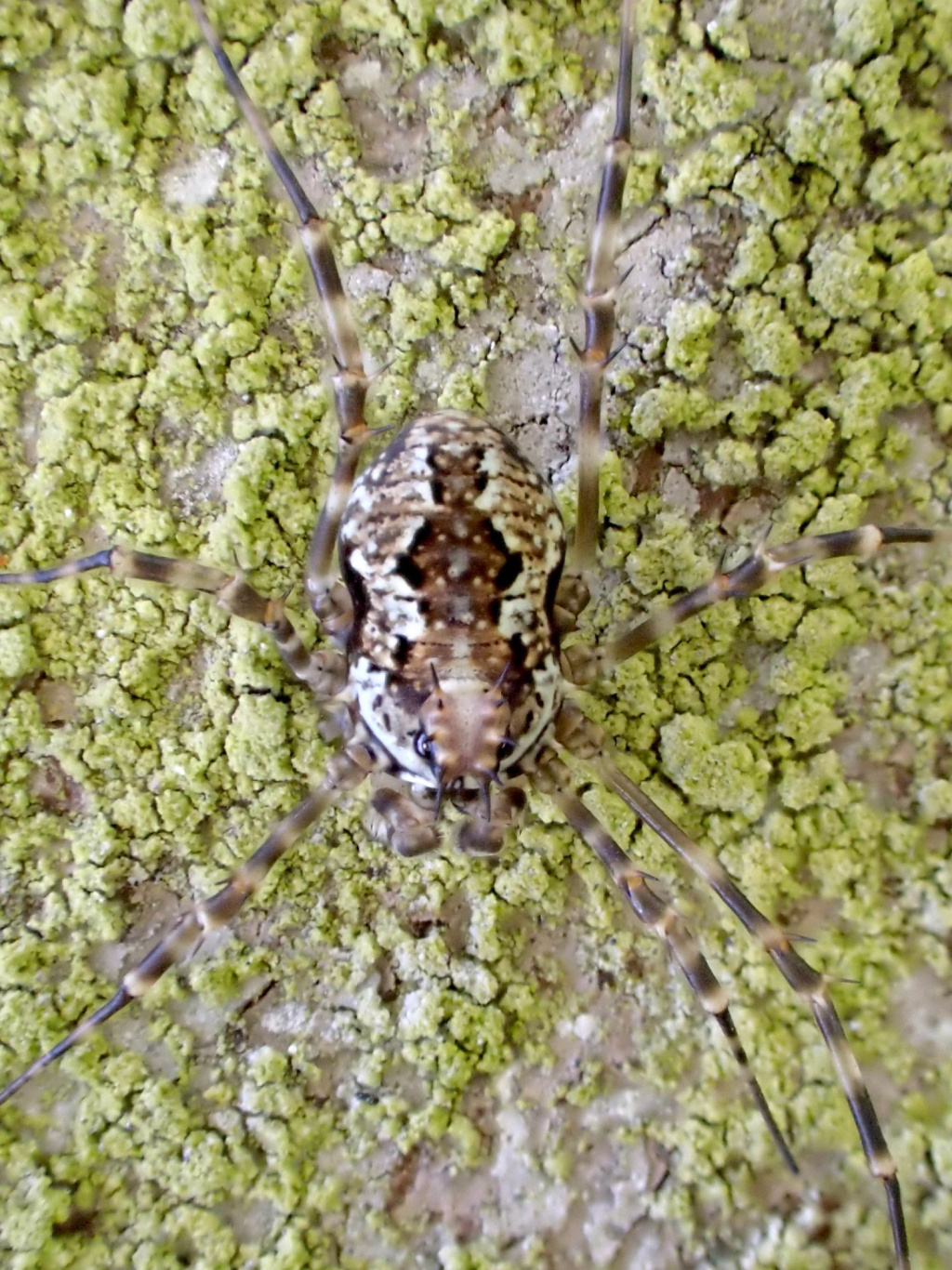
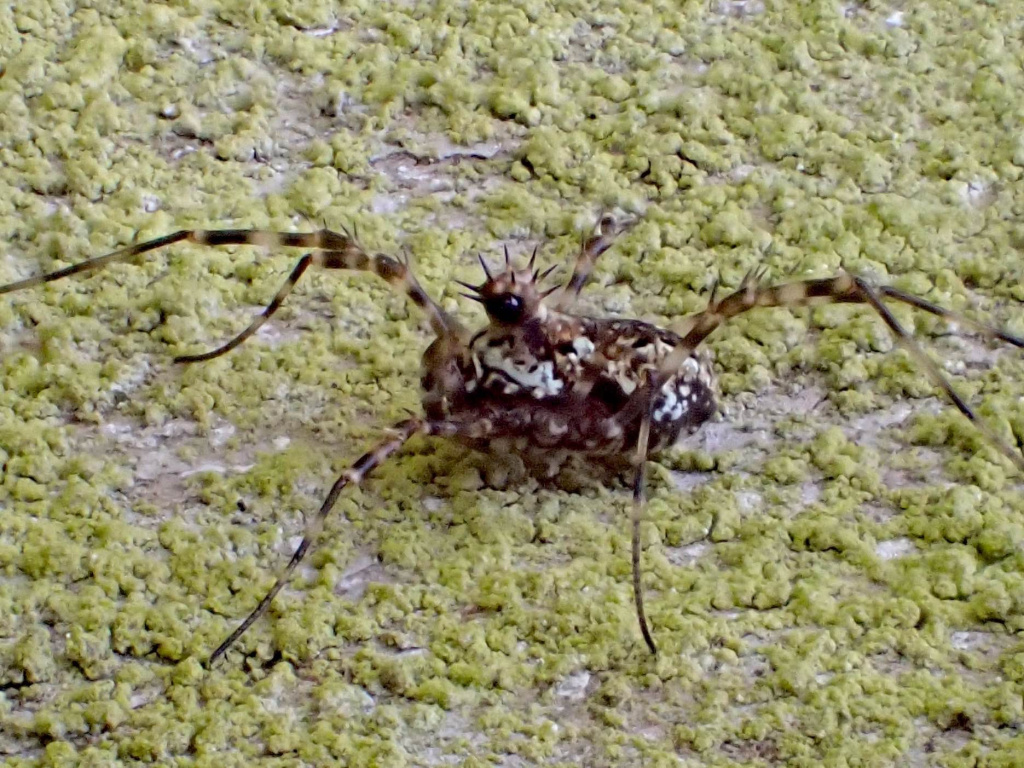
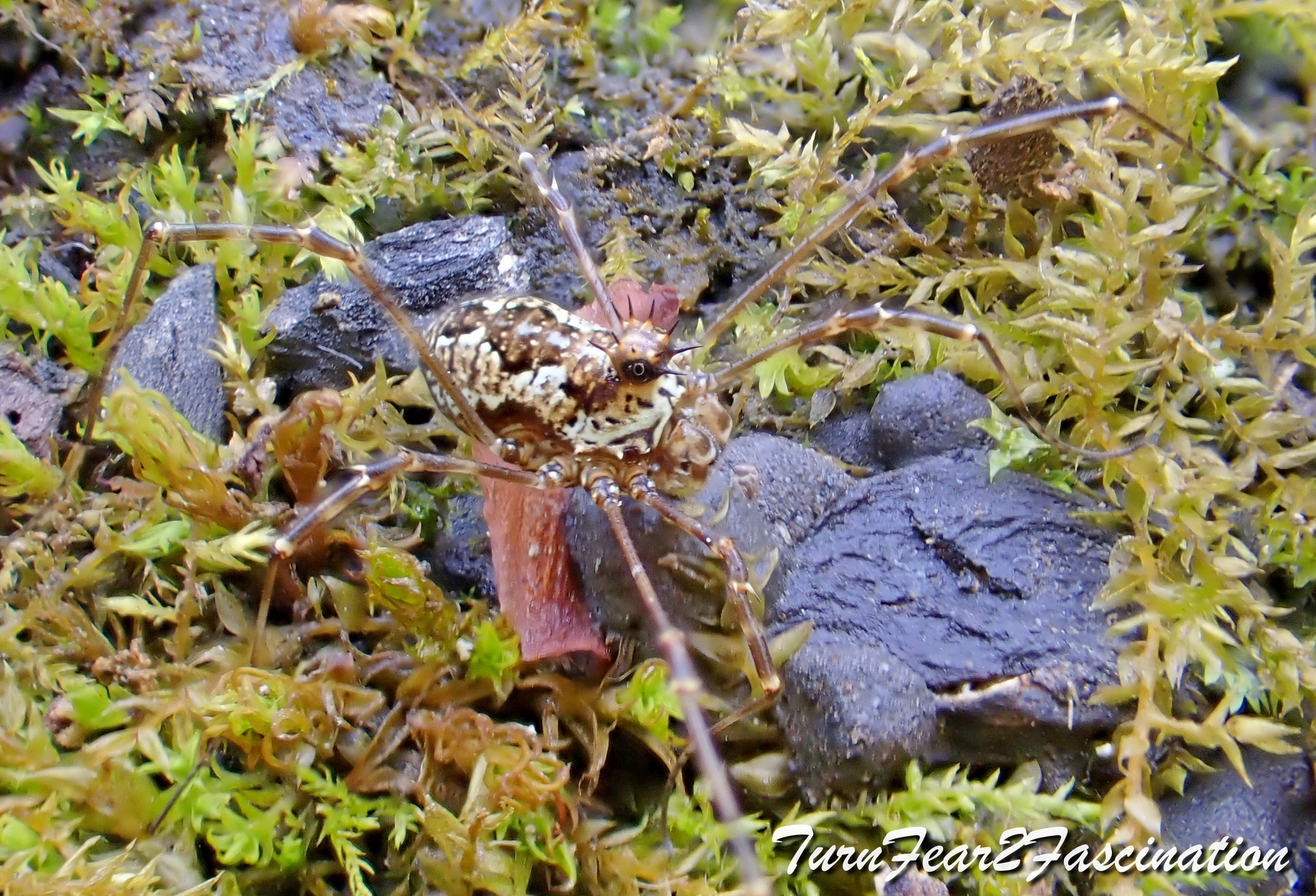
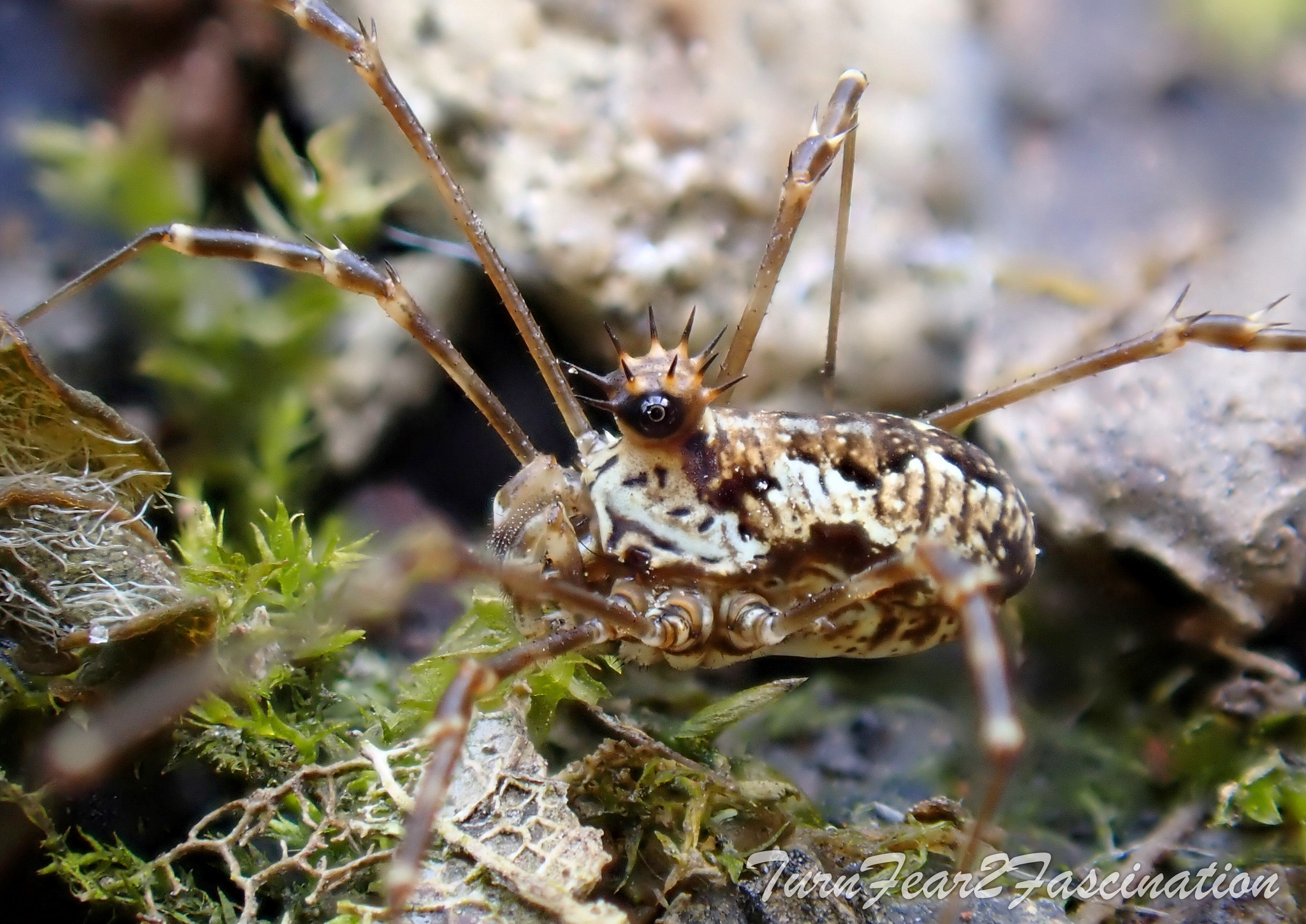
This is a widespread species extending from the south of England to Shetland and the Western Isles. Despite being a very distinctive species, it is likely that it is under-recorded as a result of its cryptic colouration and secretive habits. There is some evidence of a decline in the far south-east with many old sites seemingly no longer occupied. This may be a recording artefact, but could be a consequence of climate change with the area now too dry and warm.
Megabunus diadema was first recorded in Britain by Meade (1855) as occurring in England and Wales. In Europe it is considered rare and reported from the Pyrenees in northern Spain, the coast of Normandy, the Faeroes, Iceland and coastal Norway.
Habitat and ecology
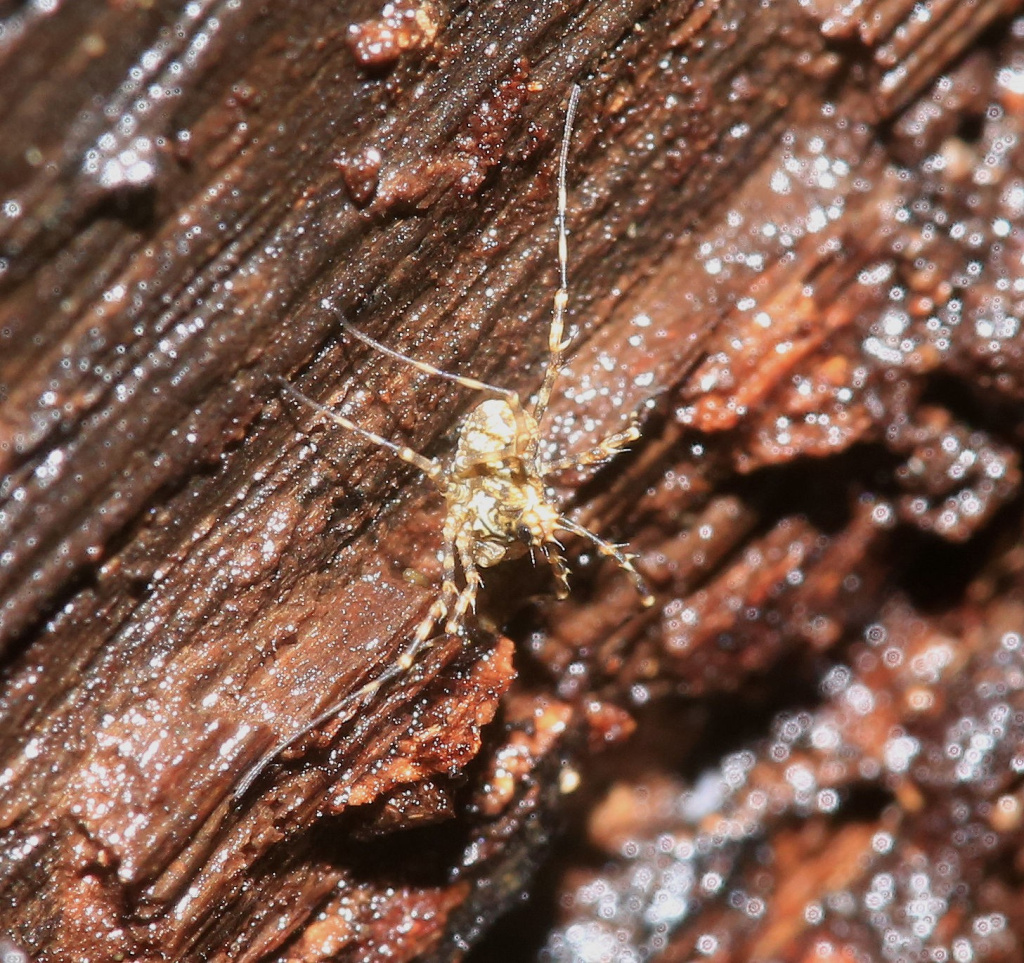
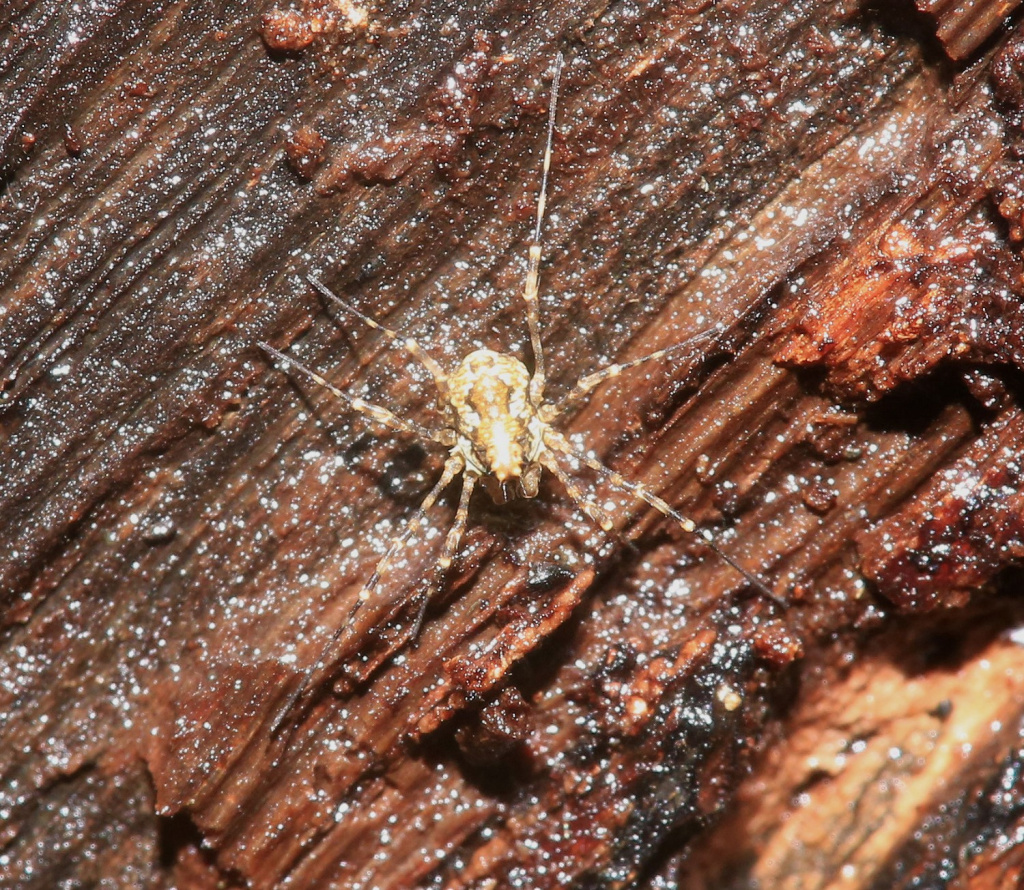
This species is most common in the cooler, wetter upland of Britain (see above) and is usually associated with the ground layers of heathland and woodland. Often collected from litter and from under rocks and logs, it is also found on tree trunks, especially in damper conditions. It is found at altitudes up to about 650m in Britain and to 2000m in the Pyrenees (Martens 1978).
The relatively few British records with adult/sex data show females present from March and peaking in June. Males have been recorded in May. Hillyard (2005) suggests that adults are present in most months of the year; some may live beyond 24 months. Females are much more abundant than males and there is evidence that many/most populations are parthenogenetic (i.e. females are able to produce viable eggs without males). Philipson (1959) recorded juveniles in all months. Eggs are laid in late summer and hatch in the same year.
Very little information seems to have been recorded on food items. Bristowe (1949) recorded M. diadema eating chironomids.
There is a great opportunity to explore the life history and ecology of this very distinctive species. Southern opilionologists may want to investigate the impact of climate change.
Status
Widespread but apparently declining in south-east England.
Threats
Climate change - drought and increasing temperature.
Management & Conservation
Monitoring of south-eastern sites.
Text based on: Hillyard, P. D. 2005. Harvestmen: keys and notes for the identification of British species. Synopses of the British Fauna 4 (3rd edn). Field Studies Council, Shrewsbury.
References
Bristowe, W. S. 1949. The distribution of harvestmen (Phalangida) in Great Britain and Ireland, with notes on their names, enemies and food. Journal of Animal Ecology ### 18: 100-114.
Martens, J. 1978. Spinnentiere, Arachnida: Weberknechte, Opiliones. Die Tierwelt Deutschlands ### 64: 1-464. Fischer Verlag, Jena.
Meade R. H. 1855. XXXV. Monograph on the British species of Phalangiidae or Harvestmen. Annals & Magazine of Natural History 2nd Series ### 15(90): 393-416.
Philipson, J. 1959. The seasonal occurrence, life histories and fecundity of harvest spiders (Phalangida). Enomologists’ Monthly Magazine ### 95: 134-138
Stats
- First recorded
- 1878
- Last recorded
- 2025
- Total records
- 1,783
- Total visits
- 1,673
Photos and media
Spatial distribution - hectad map
Click on one of the date ranges in the key to highlight that particular range. Click anywhere else on the map to go back to all three date ranges.
Thresholds:
Move mouse cursor over dot for info
Rejected records are excluded from this map. Unverified records are included.
Temporal distribution - records by year
Records that span more than one year are not included in this chart.
Temporal distribution - records by week
__