
Species Details
- Species name
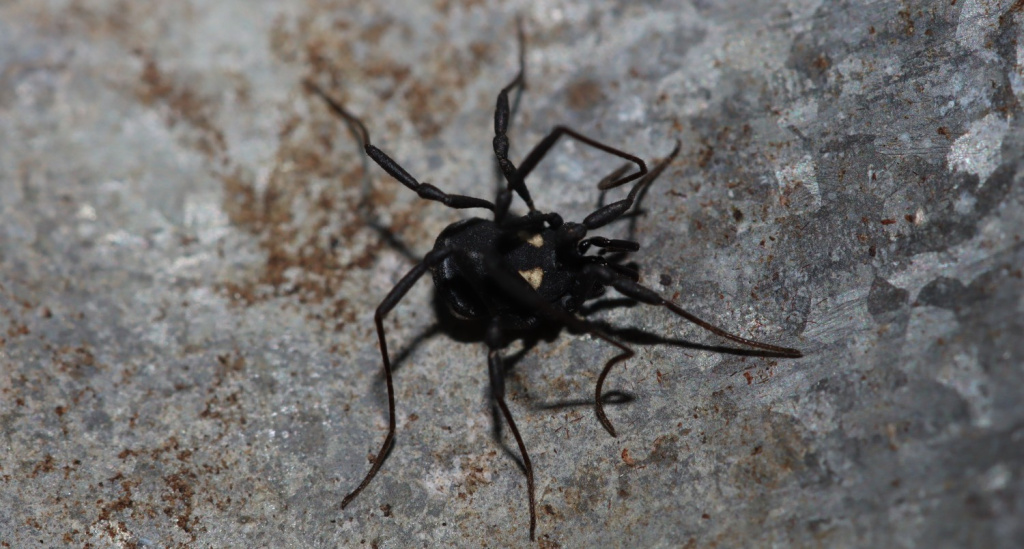
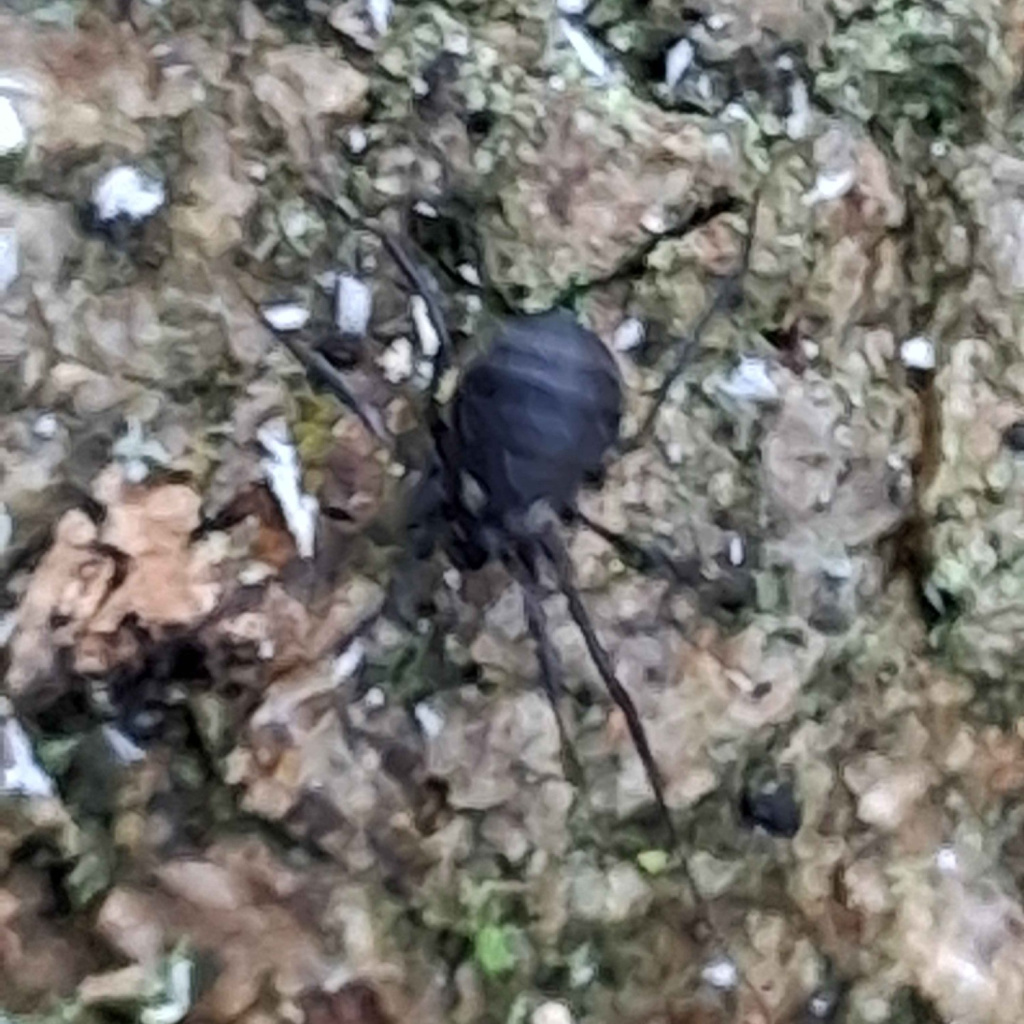
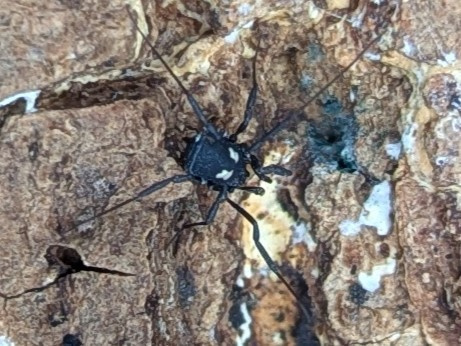
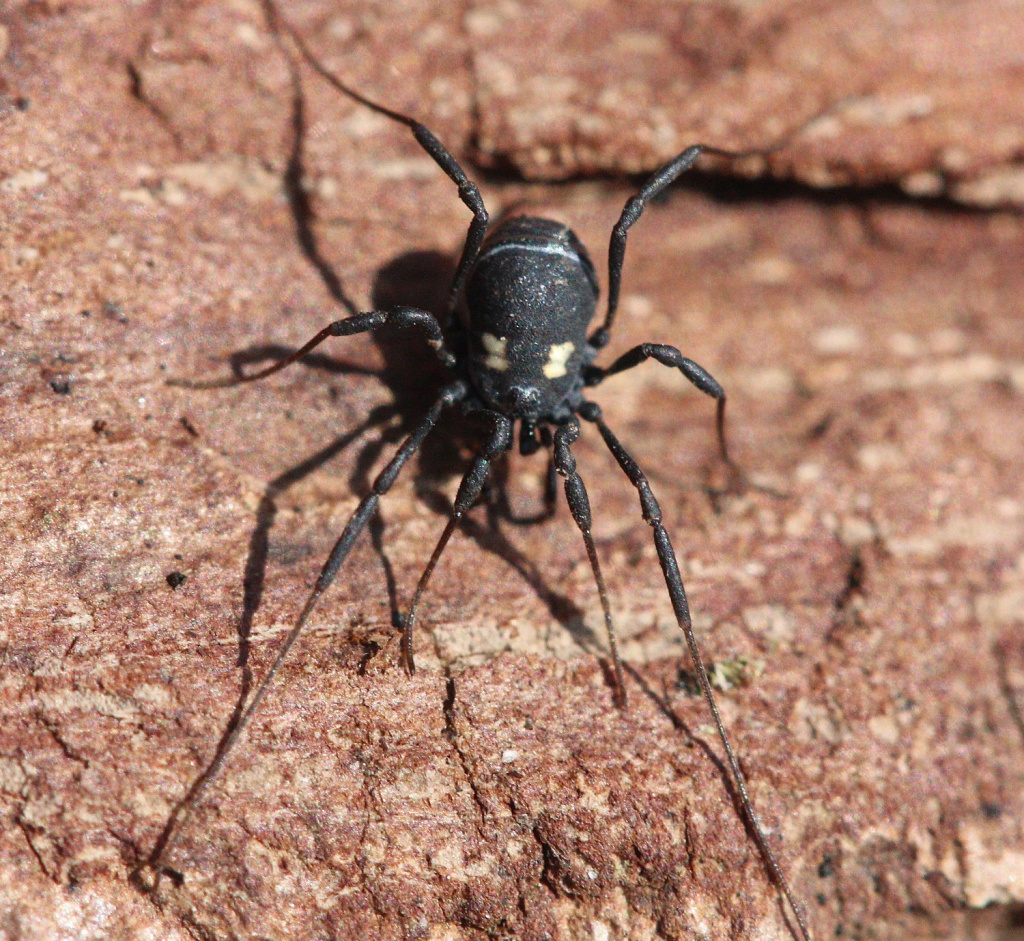
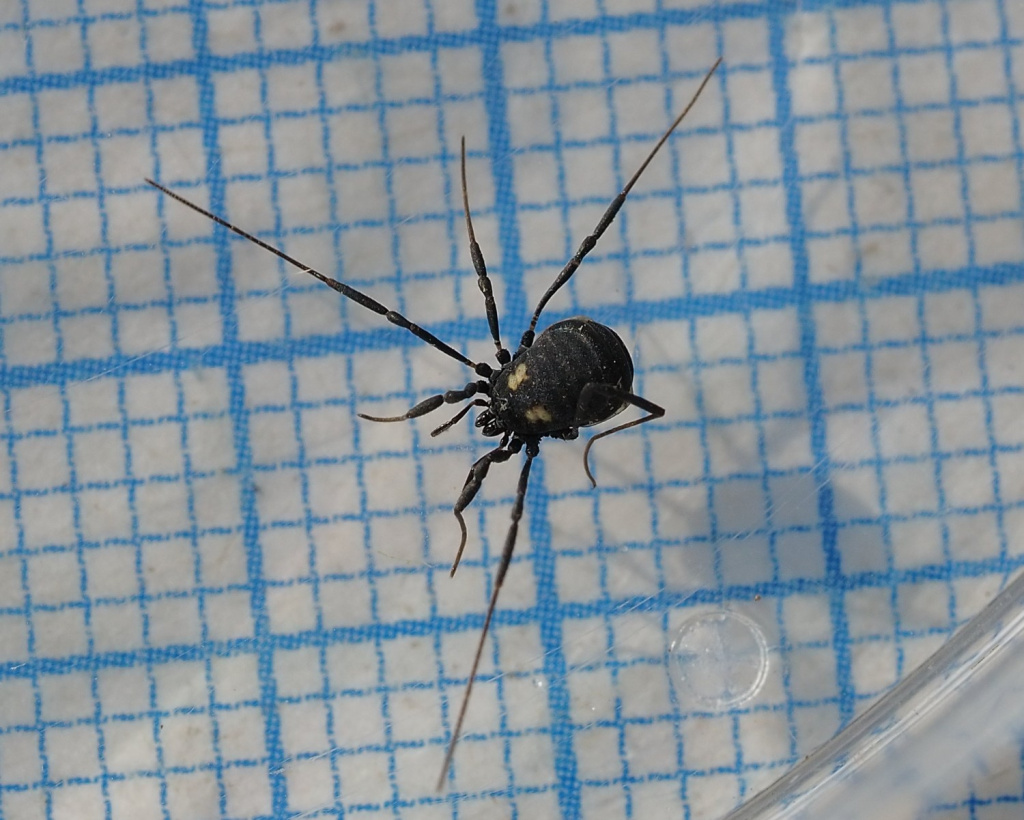
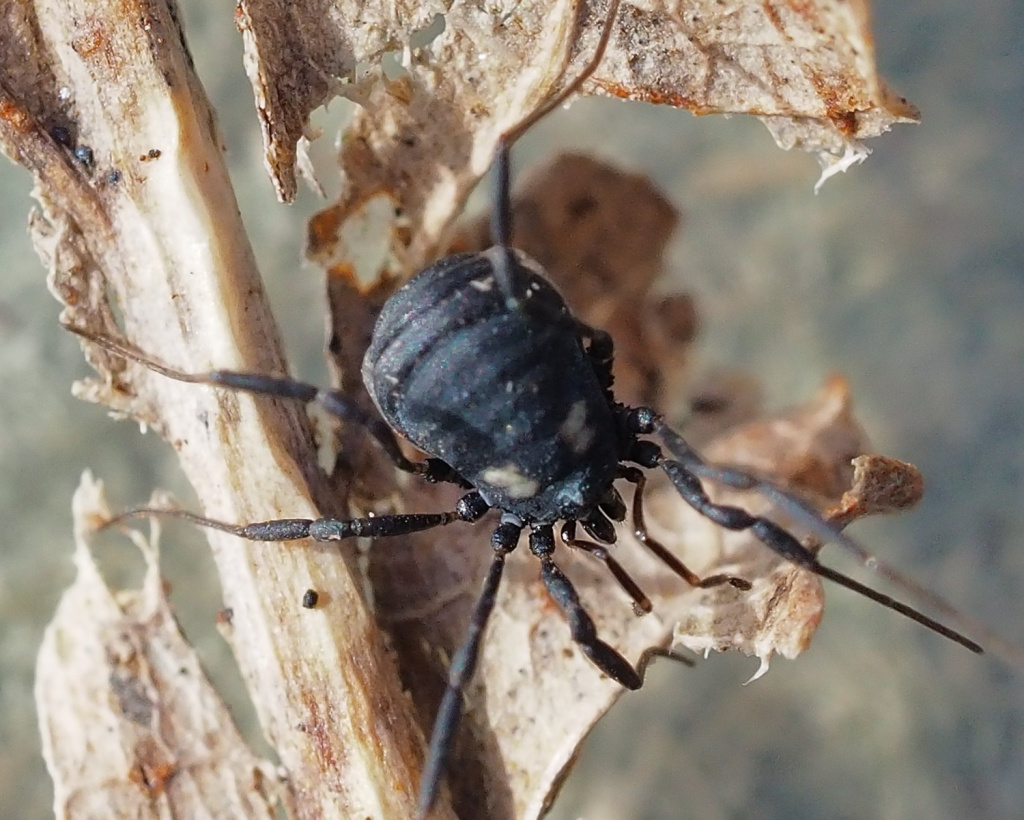
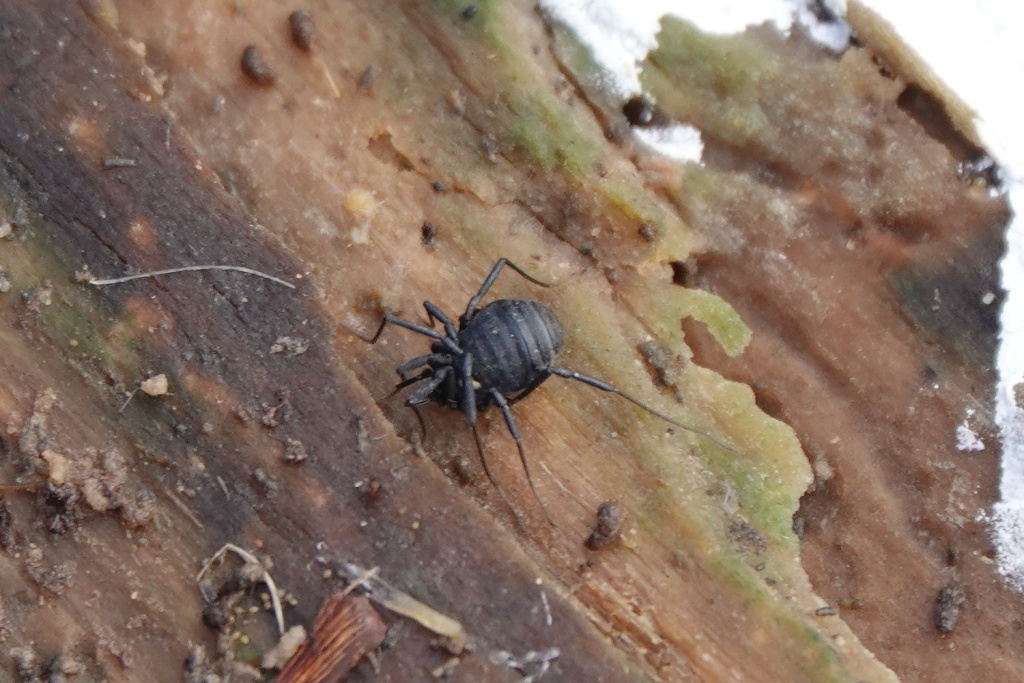
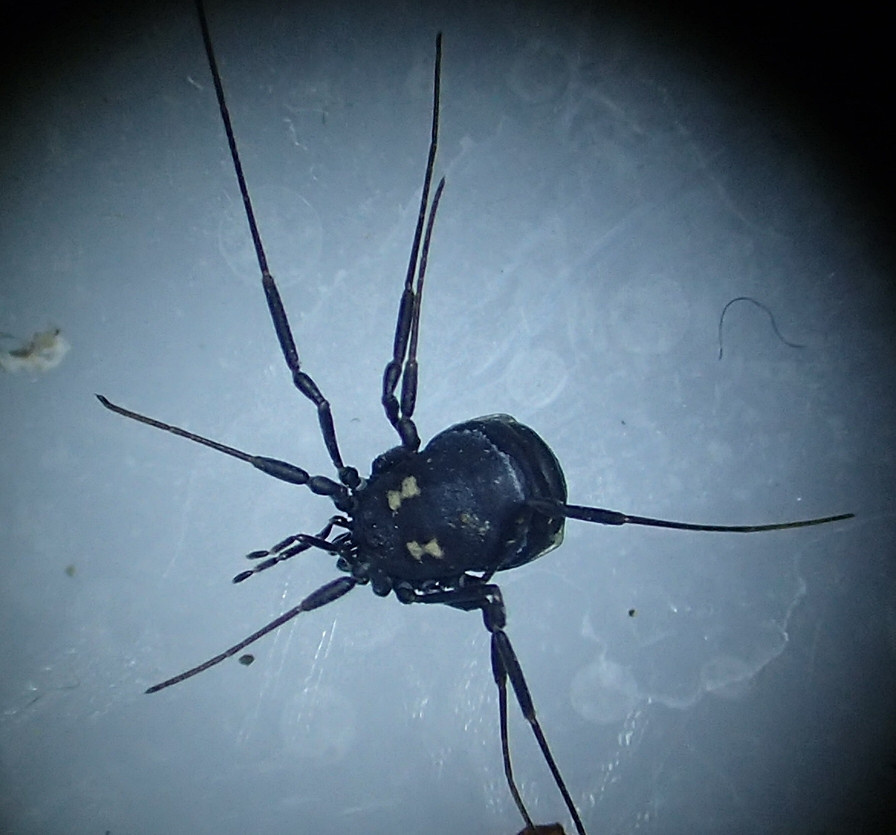
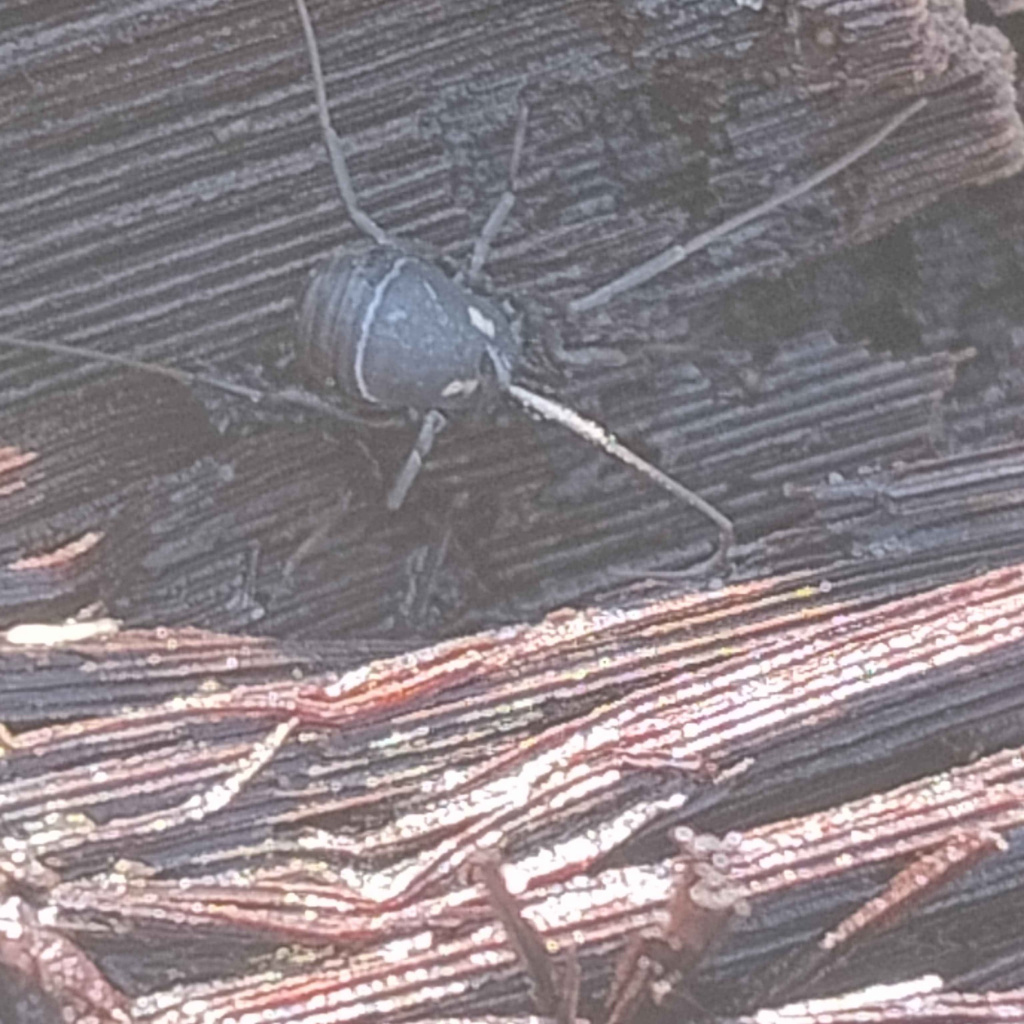
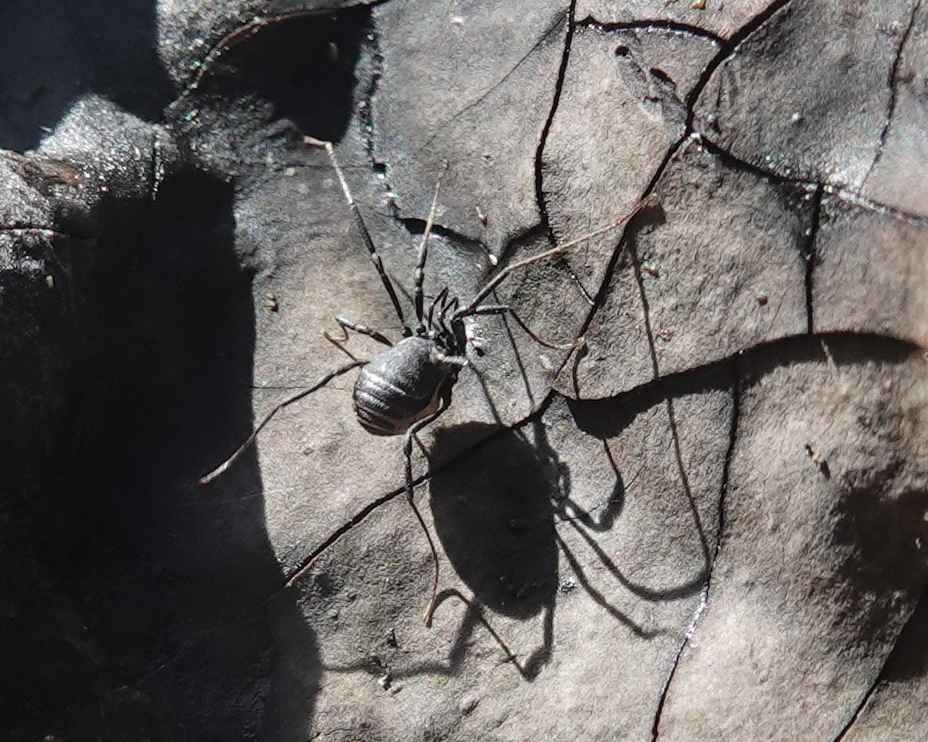
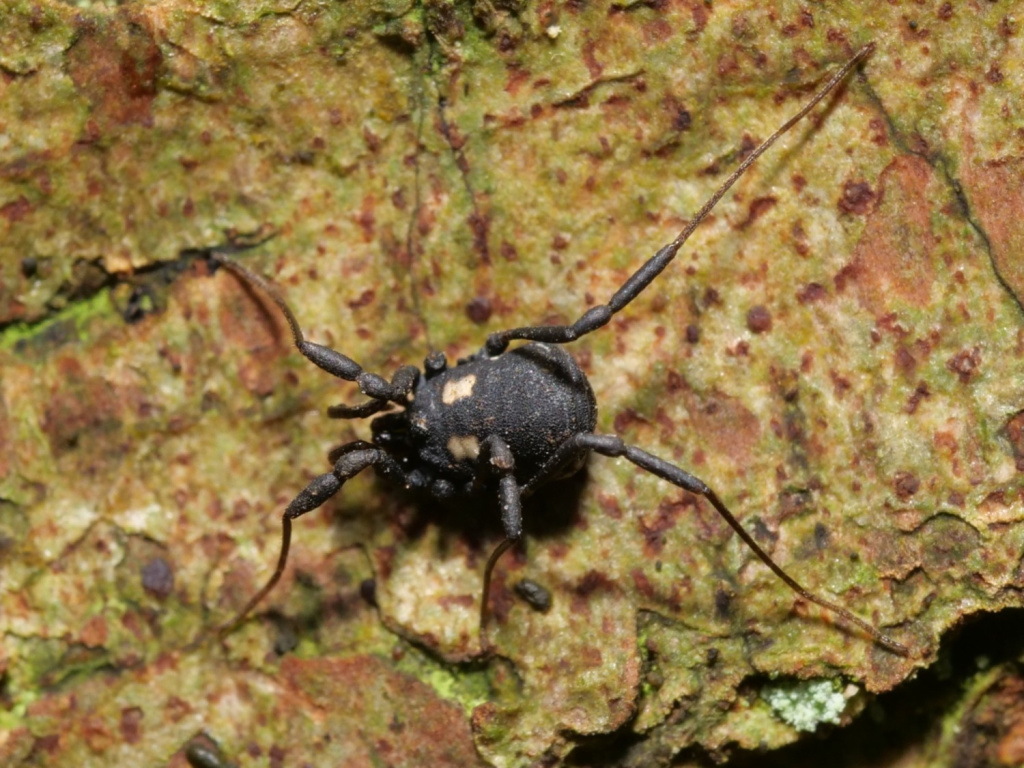
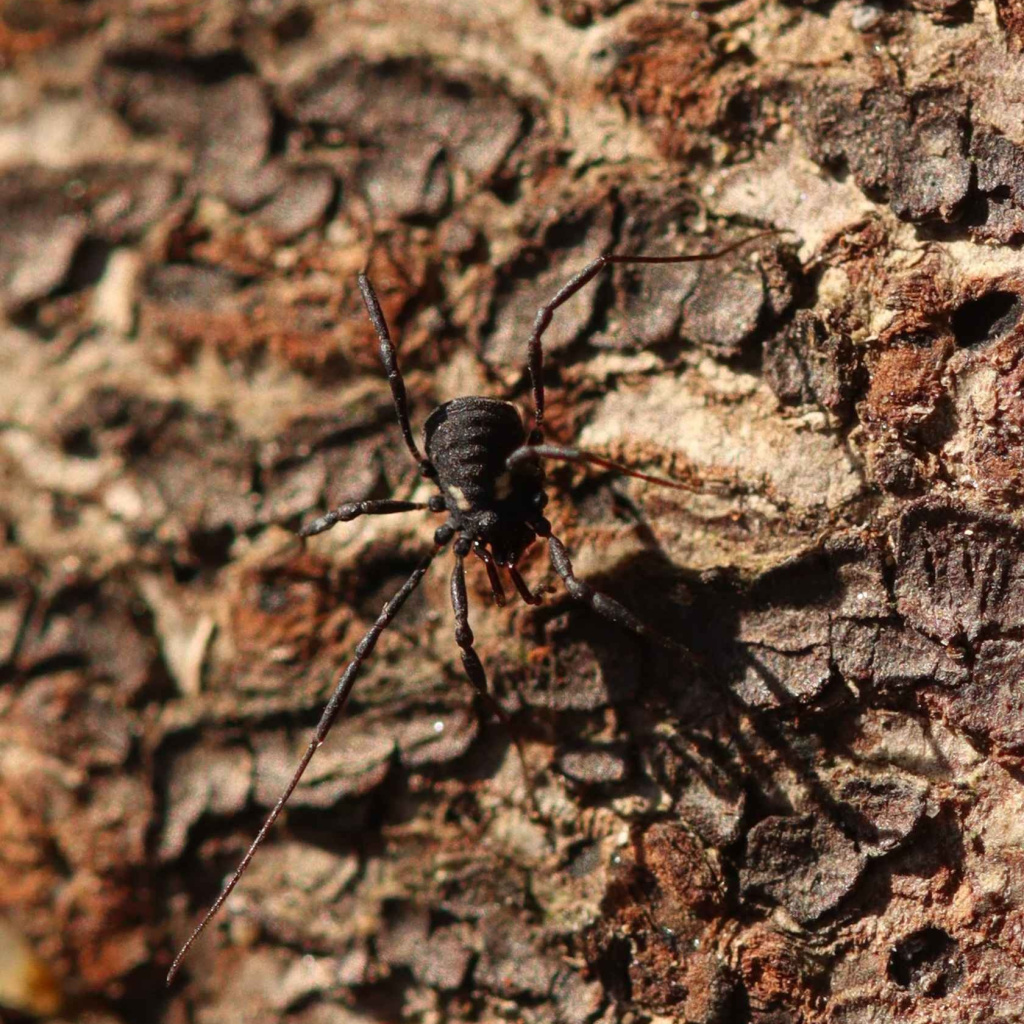
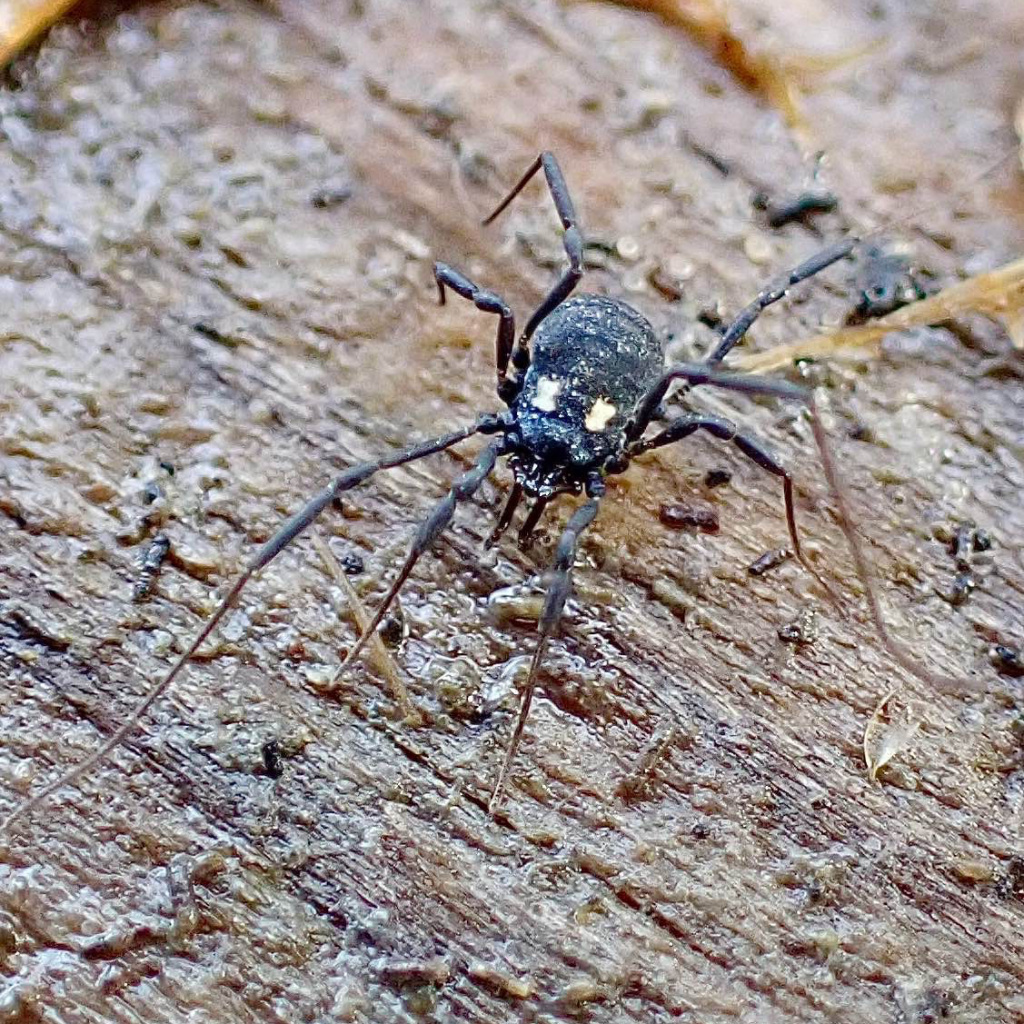
- Nemastoma bimaculatum (Fabricius, 1775)
- Synonyms
- Nemastoma lugubre Koch, 1836, Nemastoma lugubre-bimaculatum Roewer, 1914, Nemastoma lugubre-unicolor Roewer, 1914, Nemastoma bimaculatum Gryber & Martens, 1968, Phalangium bimaculatum Fabricius, 1775, Nemastoma lugubre C.L. Koch, 1836, Nemastoma lugubre-bimaculatum
- Taxonomy
- Animalia :: Opiliones :: Nemastomatidae
- shaded woodland floor
Distribution
This is the most commonly recorded British harvestman. It is a very widespread species throughout Britain, extending to most parts of the northern and western island groups. The large areas with sparse records in western Scotland, the Scottish/English border regions and mid-Wales are almost certainly under-recorded. Martens (1978) gives its European distribution as extending from Iberia through France, Belgium and western Norway. Nemastoma bimaculatum was previously confused with N. lugubre (Gruber & Martens 1968); it would be surprising if at some time in the future N. lugubre did not turn up in Britain through accidental introductions. In the Netherlands N. lugubre and N. bimaculatum are often found together (Wijnhoven 2009).
Habitat and ecology
Nemastoma bimaculatum is found from coast to mountain top (up to at least 960m in Britain) occupying microhabitats in the soil layer, below rocks, logs and other debris, and within moss and leaf-litter. It is found in both wooded and open habitats. Adults are found throughout the year and Philipson (1959) considered they live up to 18 months. They are eurychronous i.e. egg laying is not restricted to one period of the year, and generations will overlap. The juveniles are most frequent in summer and autumn. They are active on the surface at night and often caught in pitfall traps.
The palps of all stages have capitate setae i.e. hairs that are glandular and have a sticky blob on the end. These presumably act like fly paper and probably allow these harvestmen to specialise on springtails and other small, soft-bodied invertebrates suited to their small chelicerae. N. bimaculatum is not known to feed on plant material, fungi or carrion but will eat freshly dead invertebrates.
Status
A very common species.
Text based on: Hillyard, P. D. 2005. Harvestmen: keys and notes for the identification of British species. Synopses of the British Fauna 4 (3rd edn). Field Studies Council, Shrewsbury.
References
Gruber, J. & Martens, J. 1968. Morphologie, Systematik und Ökologie der Gattung Nemastoma C. L. Koch (s. str.) (Opiliones, Nemastomatidae). Senckenbergiana biologica ### 49: 137-172.
Martens, J. 1978. Spinnentiere, Arachnida: Weberknechte, Opiliones. Die Tierwelt Deutschlands ### 64: 1-464. Fischer Verlag, Jena.
Philipson, J. 1959. The seasonal occurrence, life histories and fecundity of harvest spiders (Phalangida). Entomologists’ Monthly Magazine ### 95: 134-138.
Wijnhoven, H. 2009. De Nederlandse hooiwagens (Opiliones) Naturalis Biodiversity Centre - Entomologische Tabellen, The Netherlands. (translation available here: http://srs.britishspiders.org.uk/portal/p/Harvestman+Resources)
Stats
- First recorded
- 1878
- Last recorded
- 2026
- Total records
- 10,489
- Total visits
- 10,039
Photos and media
Spatial distribution - hectad map
Click on one of the date ranges in the key to highlight that particular range. Click anywhere else on the map to go back to all three date ranges.
Thresholds:
Move mouse cursor over dot for info
Rejected records are excluded from this map. Unverified records are included.
Temporal distribution - records by year
Records that span more than one year are not included in this chart.
Temporal distribution - records by week
__