
Species Details
- Species name
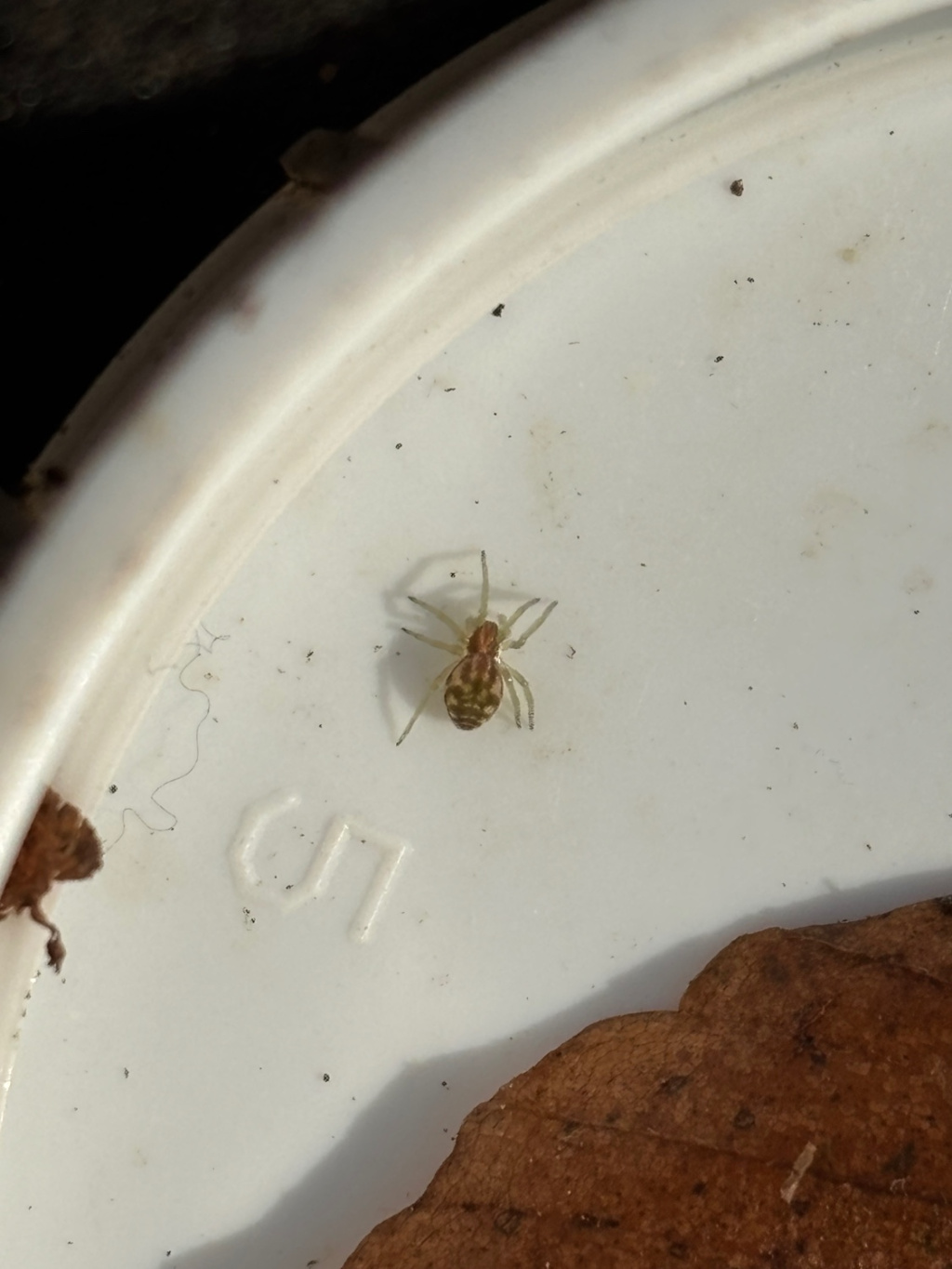
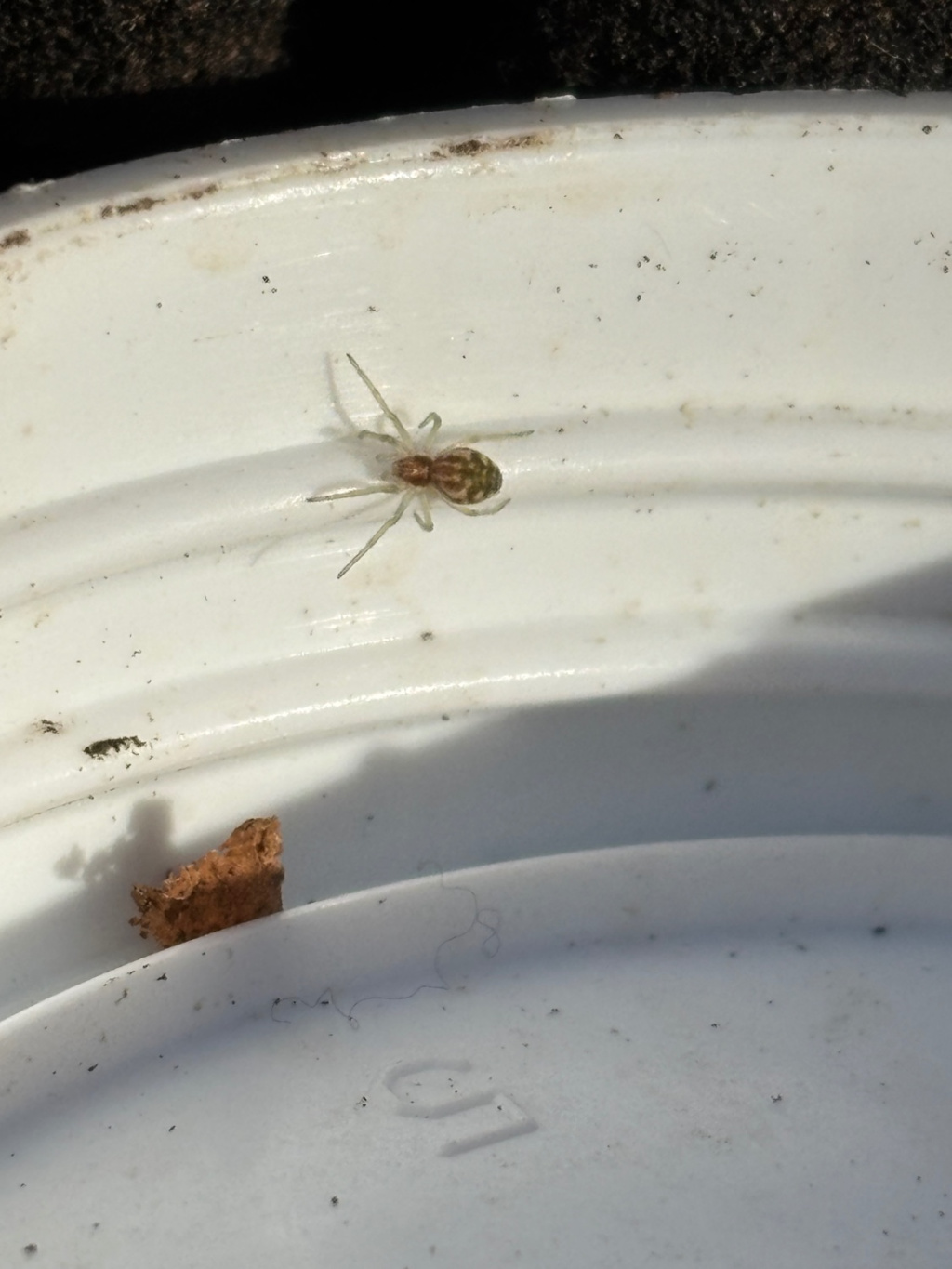
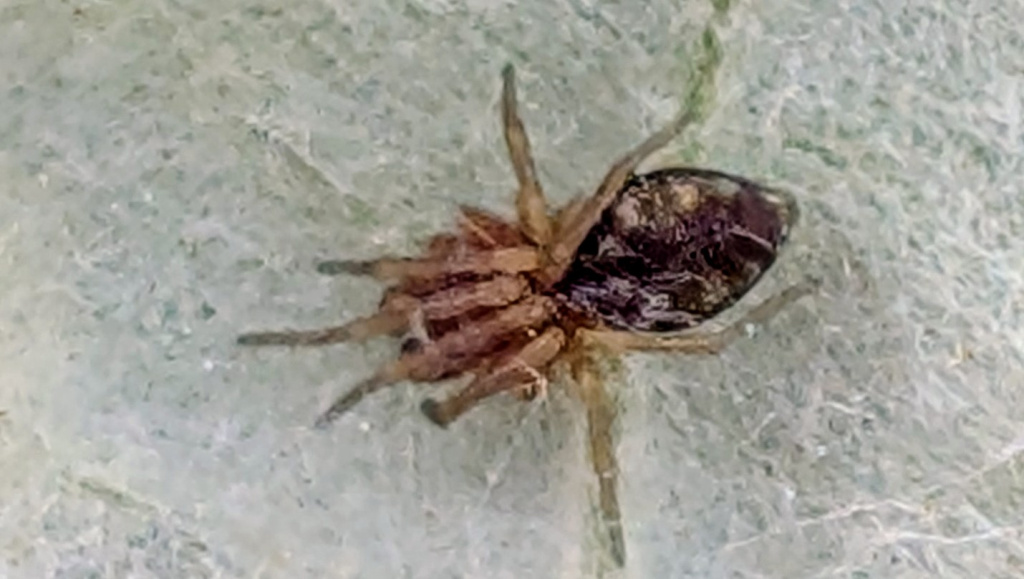
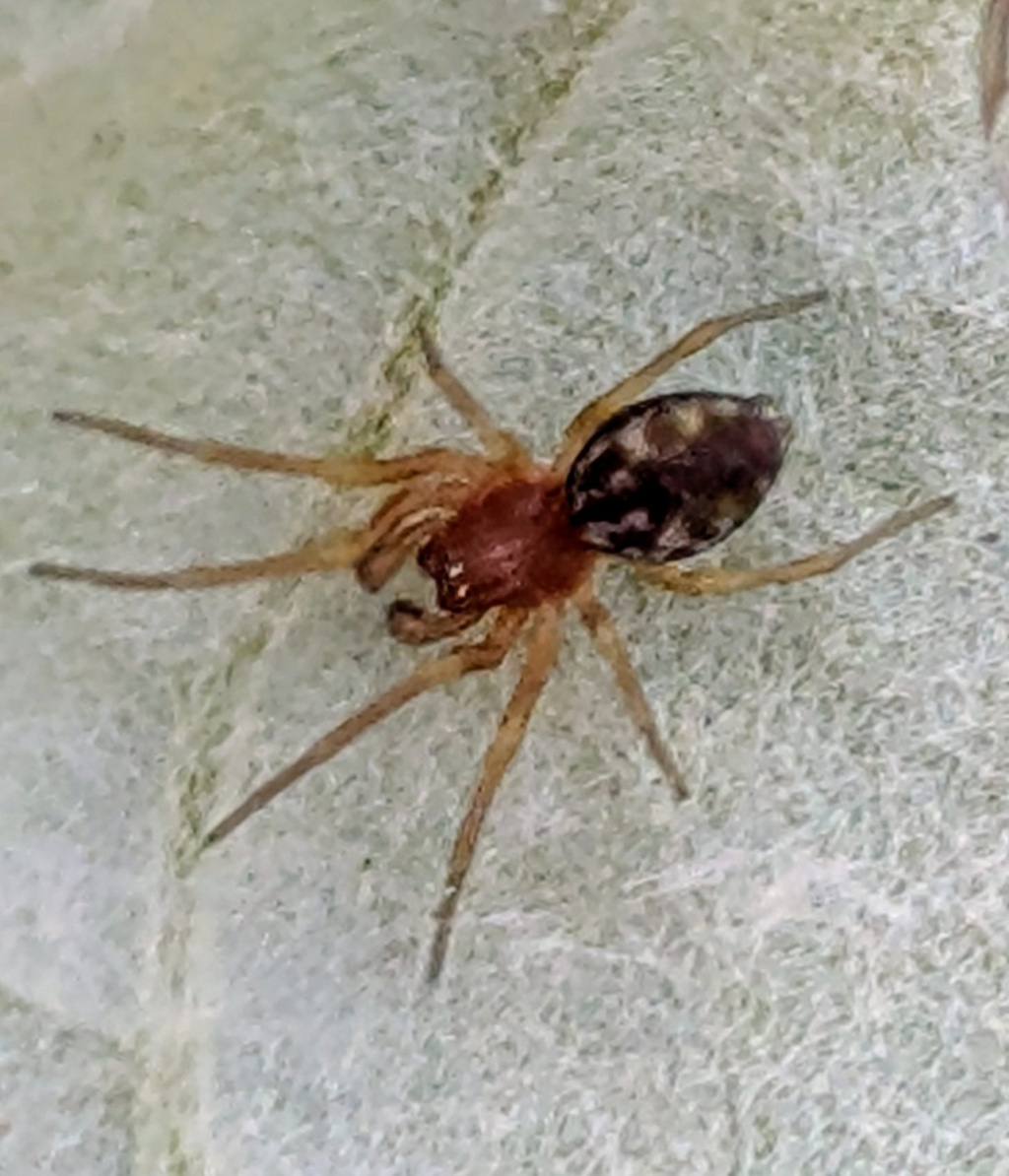
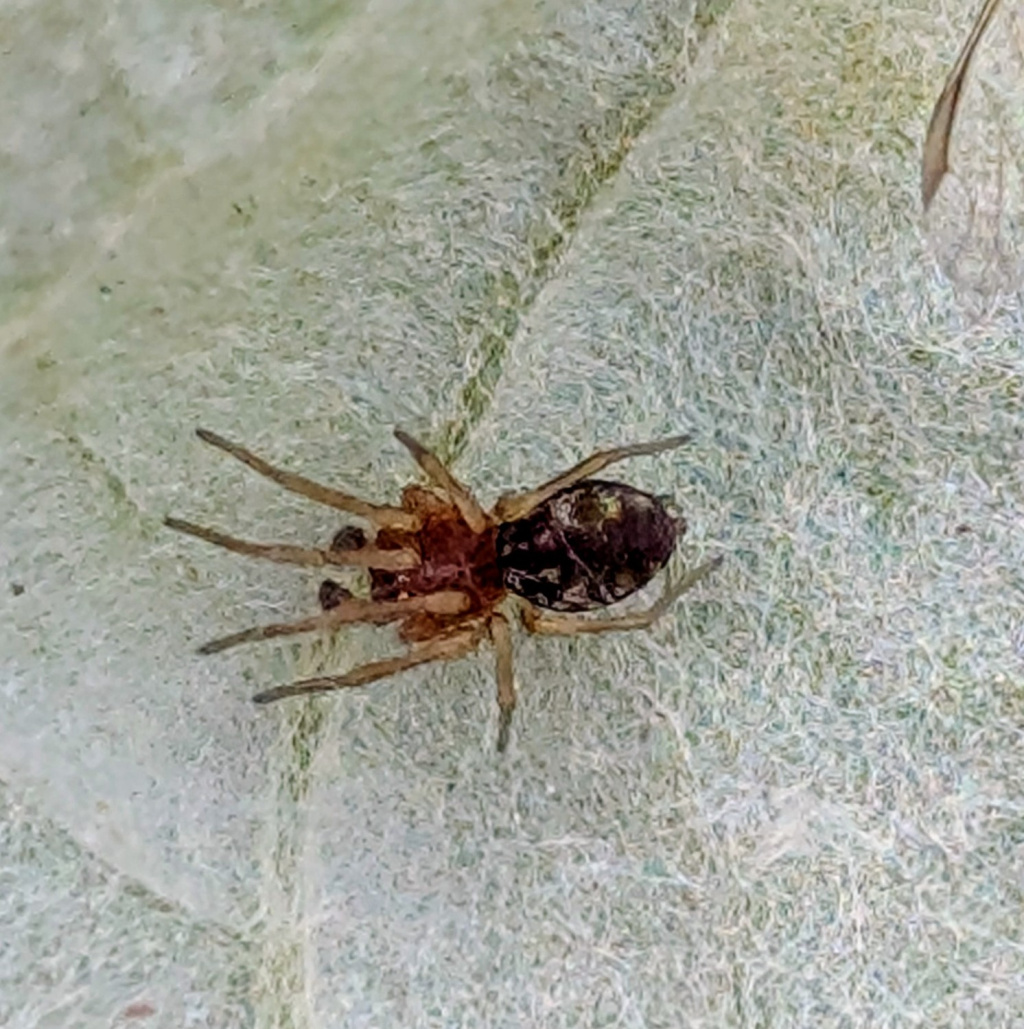
- Nigma flavescens (Walckenaer, 1830)
- Synonym
- Heterodictyna flavescens (Walckenaer, 1830)
- Taxonomy
- Animalia :: Araneae :: Dictynidae
Distribution
Nigma flavescens was originally included on the British list of spiders on the basis of two males and one female collected in Gibside, Co. Durham in 1909 (Jackson, 1924). As there was some doubt as to the true identity of these specimens which had never been found again in Britain, the species was subsequently removed from the revised British checklist (Merrett & Murphy, 2000). In 2006, a male was beaten from an oak tree in East Blean Woods, near Canterbury. Subsequently, one male of the species was collected on gorse at Hothfield Common LNR. Kent in 2017 and 2 males from deciduous trees in Ham Street Woods NNR, Kent in 2021 (Russell-Smith, A. 2017). Finally, many specimens of both sexes were collected during an invertebrate survey of West Blean Woods, also during 2021. Currently, it is only recorded from Kent in the UK.Habitat and ecology
As with other Nigma species, it occurs on the foliage of trees and shrubs. Adults have been found between May and July with males showing a peak of activity in May. Most specimens have been recorded from deciduous woodland although a single male was collected from gorse on heathland. In Europe it is widespread across the continent although absent from Scandinavia.Status
At present, no status has been assigned to this species since further study is required on its distribution and ecological niche in Britain.Stats
- First recorded
- 2006
- Last recorded
- 2026
- Total records
- 23
- Total visits
- 23
Photos and media
Spatial distribution - hectad map
Click on one of the date ranges in the key to highlight that particular range. Click anywhere else on the map to go back to all three date ranges.
Thresholds:
Move mouse cursor over dot for info
Rejected records are excluded from this map. Unverified records are included.
Temporal distribution - records by year
Records that span more than one year are not included in this chart.
Temporal distribution - records by week
__