
Species Details
- Species name
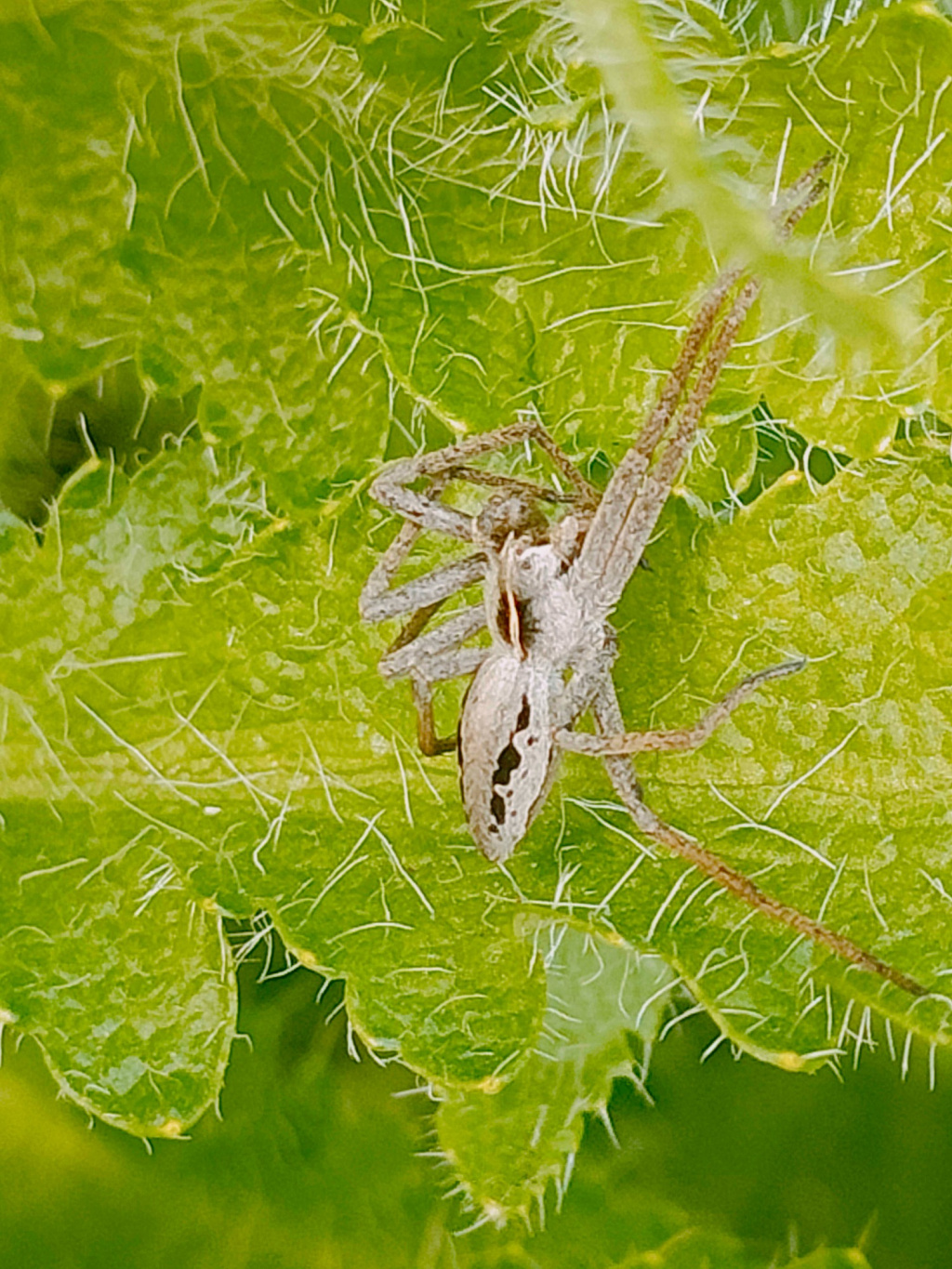
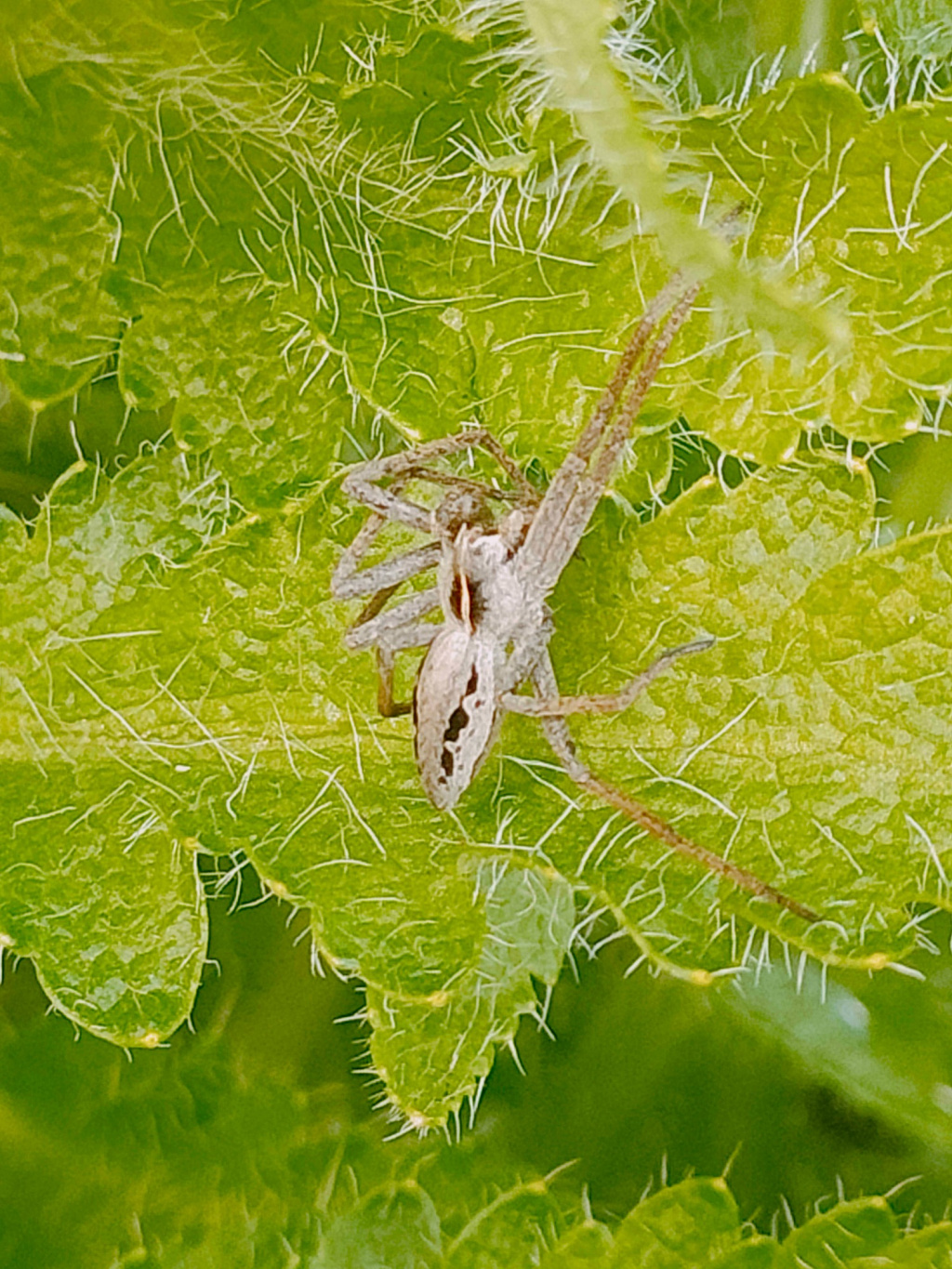
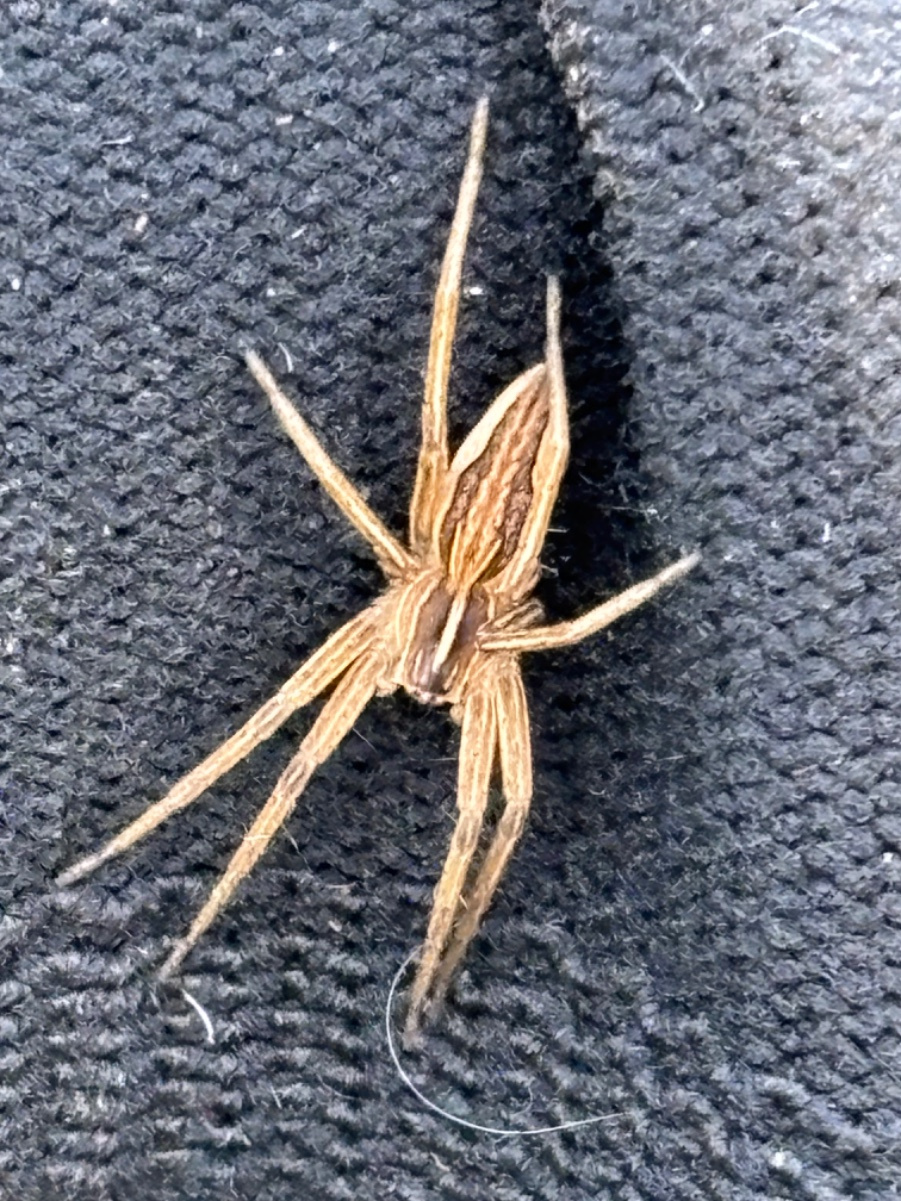
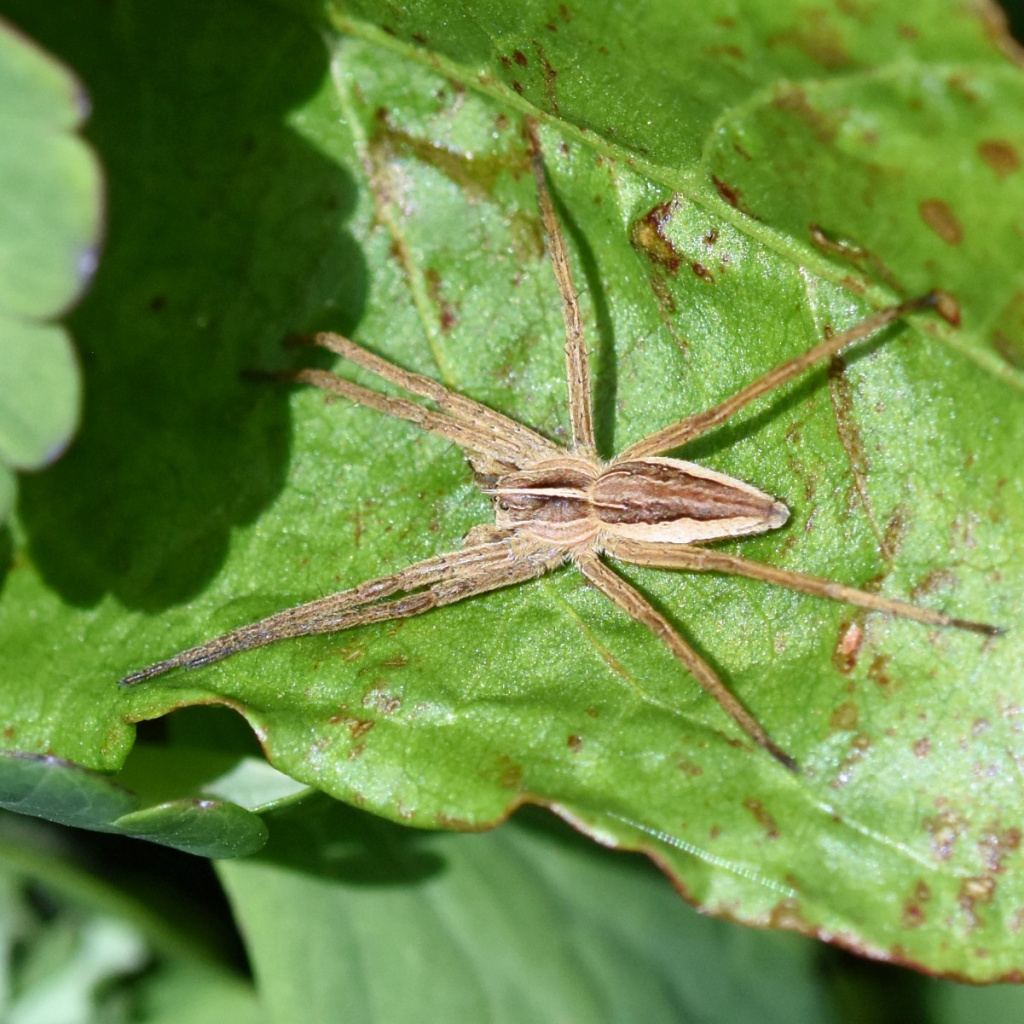
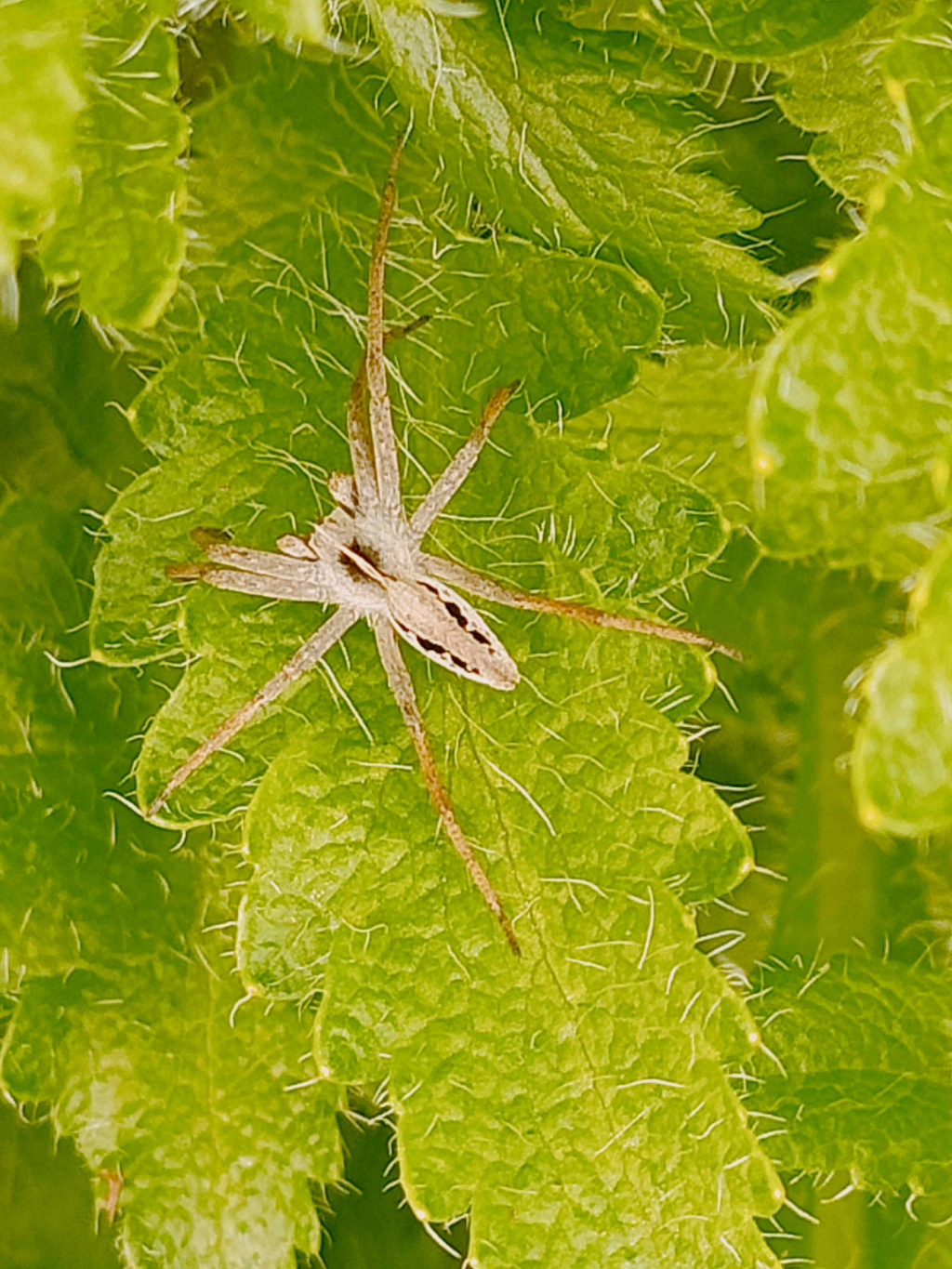
- Pisaura mirabilis (Clerck, 1757)
- Common name
- Tent Spider
- Other common names
- Nursery Web Spider
- Synonym
- Pisaura listeri (Scopoli, 1763)
- Taxonomy
- Animalia :: Araneae :: Pisauridae
- tall sward & scrub
Distribution
The species is widespread in the southern half of Britain, but with a scattered and patchy distribution in the north as far as central Scotland. It is widespread in western and central Europe as far north as southern Norway.Habitat and ecology
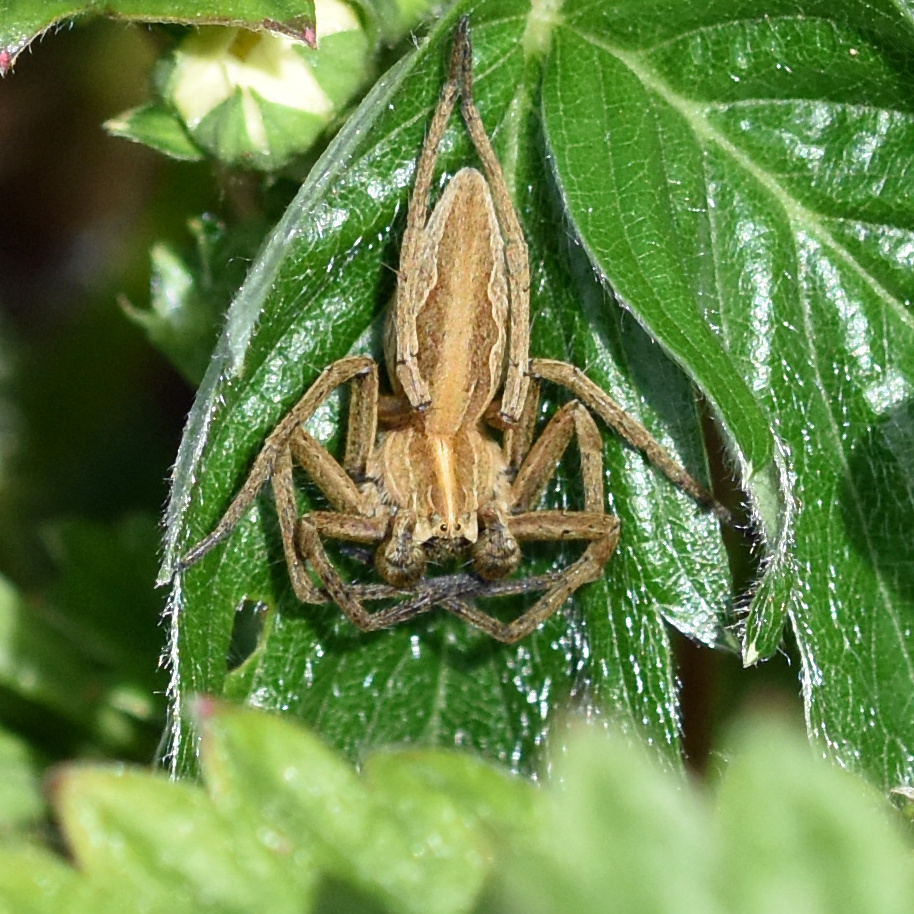
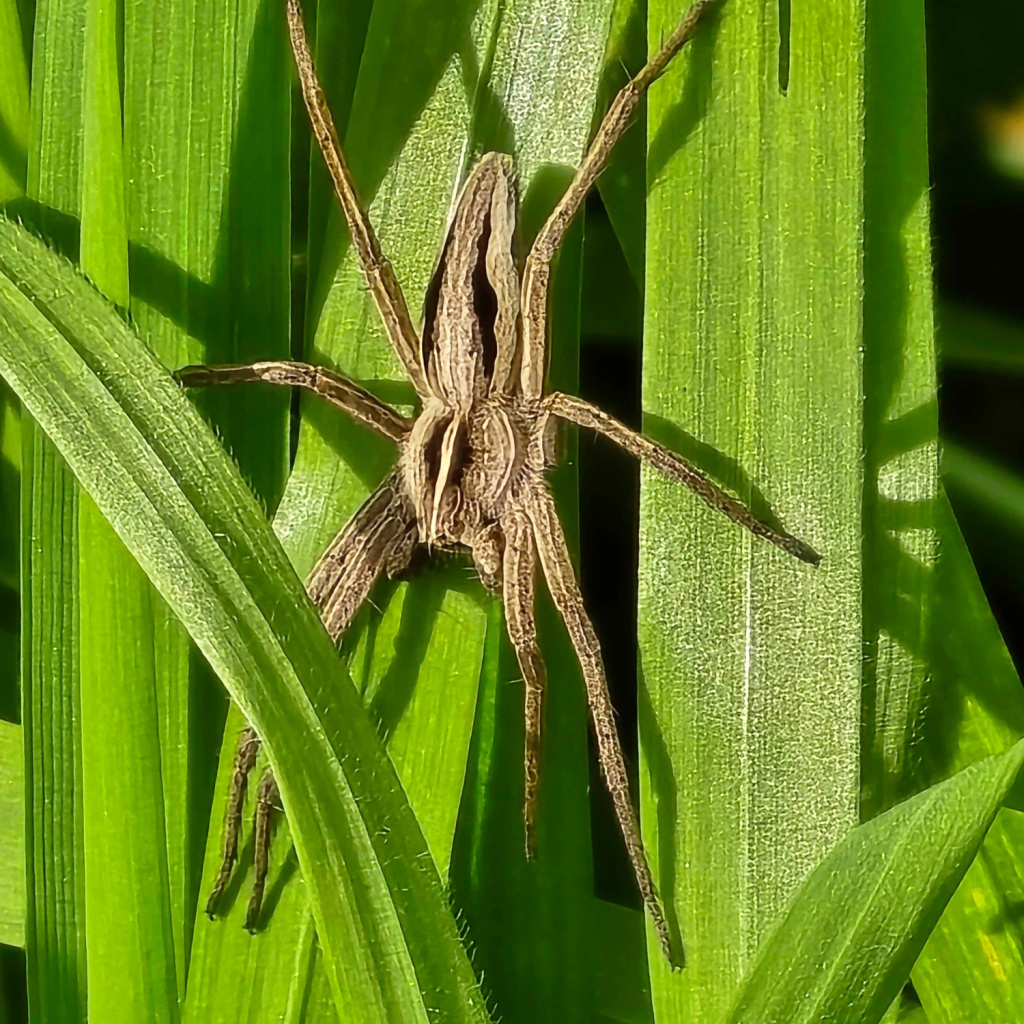
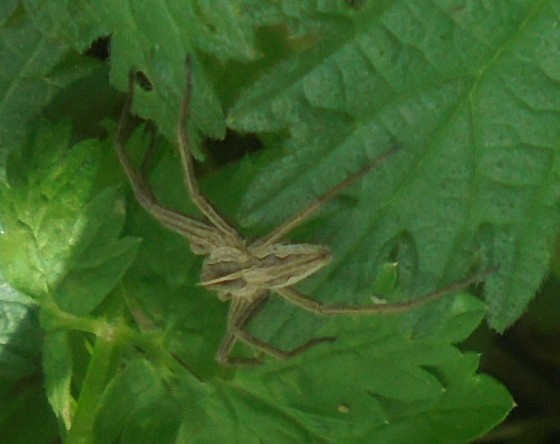
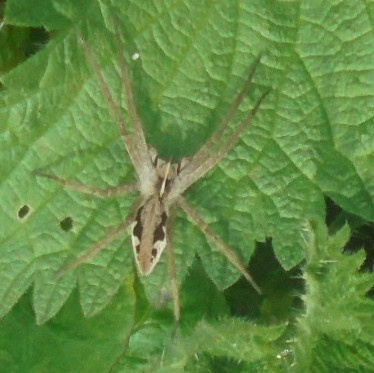
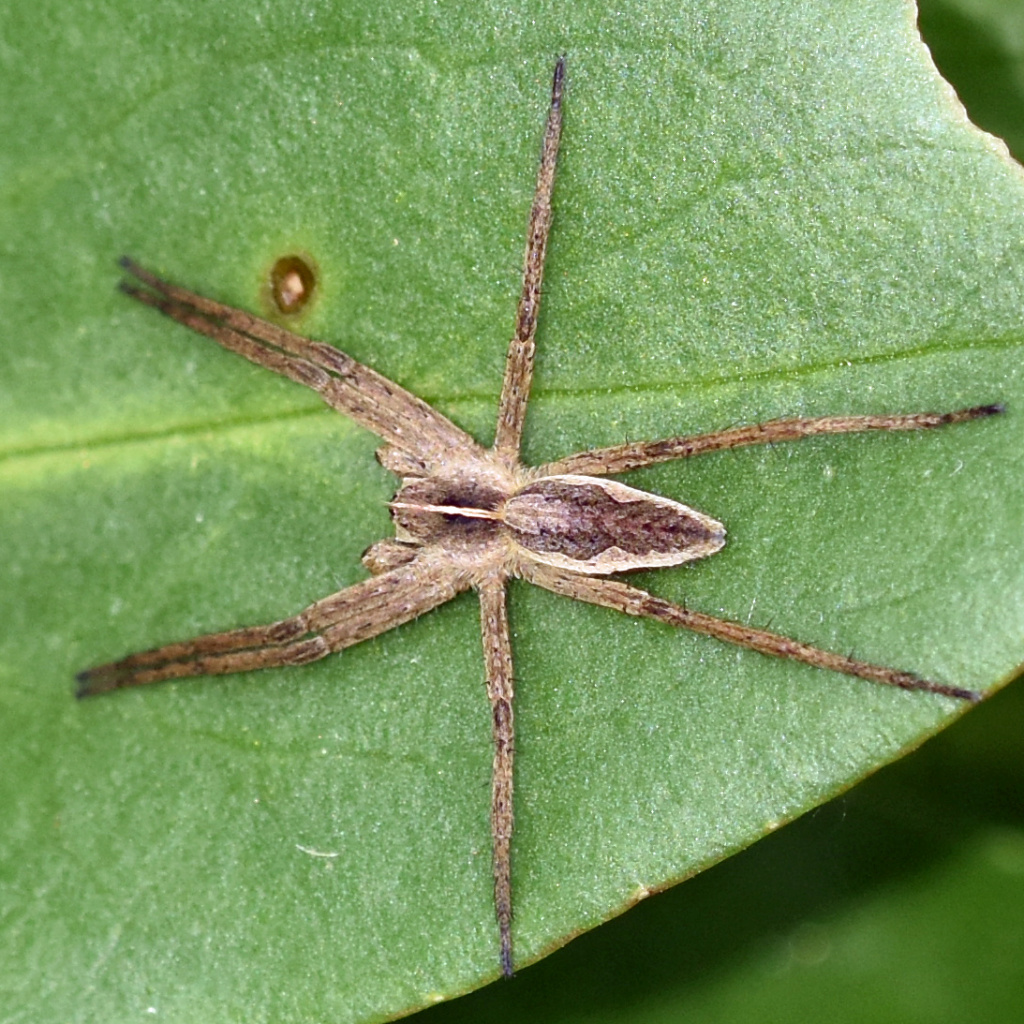
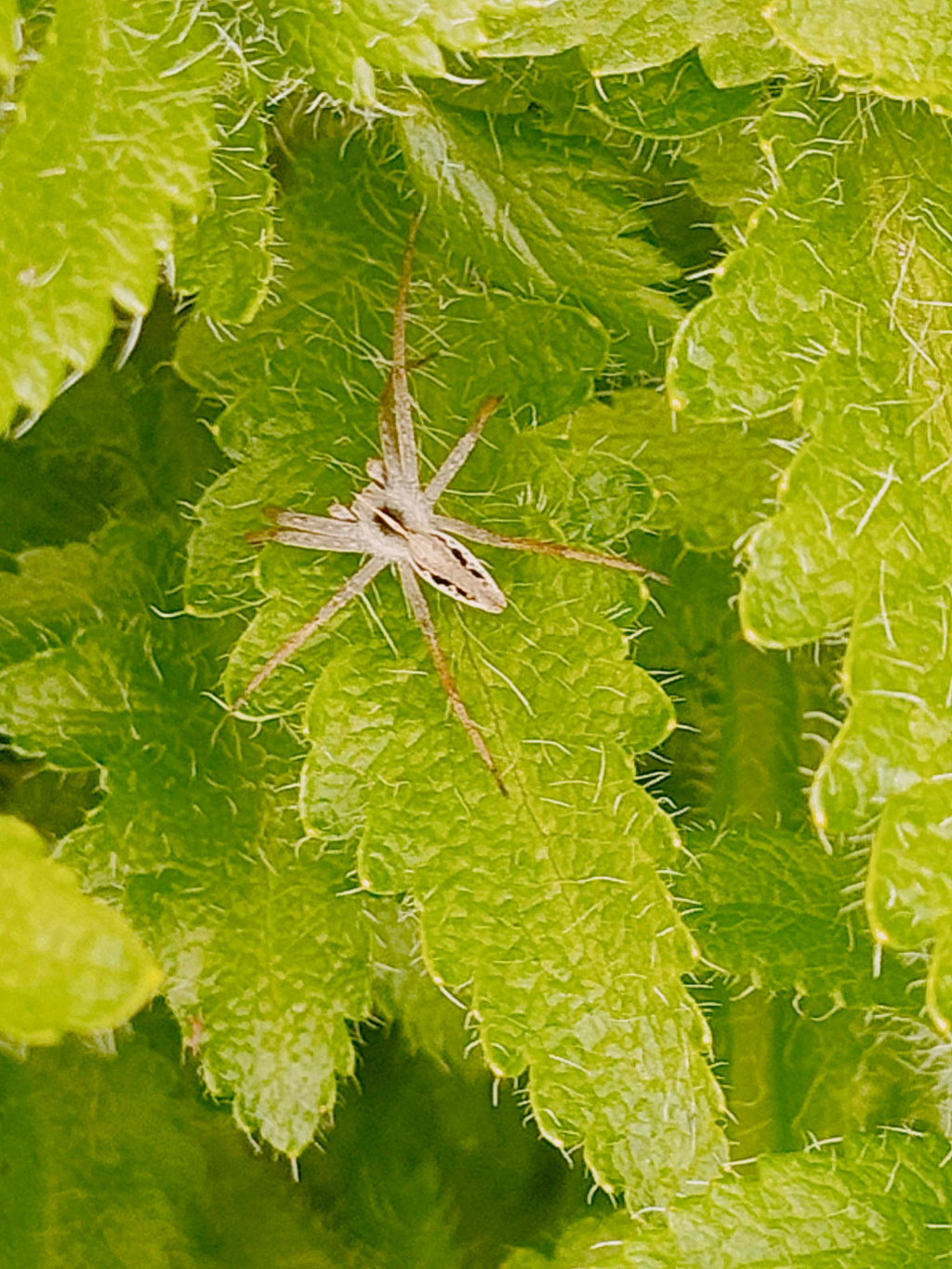
The species is found in a wide variety of habitats. Adults tend to occur in reasonably tall vegetation in habitats such as rough grassland, woodland rides, field edges, heathland, gardens and marsh edges. The species is easily recognised even in early immature stages. It is extremely variable in colour, much of which appears to be genetically determined. As the spider commonly sits out on leaves, this visible polymorphism may be maintained by the action of predators (G. Oxford, pers. comm.). Adults of both sexes are found mainly between May and July. The male catches a fly or other prey item as a courtship 'gift' for the female during mating. The female carries the egg-cocoon in her chelicerae until the eggs are about to hatch, when she constructs a tent-like web in tall herbage in which young remain until they disperse. Apparently this maternal care is not very successful against ichneumons (Bristowe 1958).Status
Common in the south, but becoming more infrequent in the north. Original author of profile: P.R. Harvey Text based on Harvey, P.R., Nellist, D.R. & Telfer, M.G. (eds) 2002. Provisional atlas of British spiders (Arachnida, Araneae), Volumes 1 & 2. Huntingdon: Biological Records Centre.Stats
- First recorded
- 1862
- Last recorded
- 2026
- Total records
- 15,167
- Total visits
- 14,795
Conservation status
Pisaura mirabilis
| Source | Reporting category | Designation | Date designated | Comments |
|---|---|---|---|---|
| A Review of the scarce and threatened spiders (Araneae) of Great Britain: Species Status No. 22 (Sep 2017) | Red listing based on 2001 IUCN guidelines | Least concern | 42979 |
Photos and media







Spatial distribution - hectad map
Click on one of the date ranges in the key to highlight that particular range. Click anywhere else on the map to go back to all three date ranges.
Thresholds:
Move mouse cursor over dot for info
Rejected records are excluded from this map. Unverified records are included.
Temporal distribution - records by year
Records that span more than one year are not included in this chart.
Temporal distribution - records by week
__