
Species Details
- Species name
- Saaristoa firma (O.P.-Cambridge, 1905)
- Common name
- Triangle Hammock-spider
- Synonym
- Oreonetides firmus (O.P.-Cambridge, 1905)
- Taxonomy
- Animalia :: Araneae :: Linyphiidae
- acid & sedge peats
Distribution
The species is widespread but very scattered throughout Britain, and is apparently absent from many areas. It is widespread in much of north-western and central Europe.Habitat and ecology
The spider has generally been recorded from damp situations amongst moss, sphagnum, leaf litter, pine needles and heather in woodland, scrub, peat bog, fen and heathland. Adult females have been found throughout the year, adult males from August to September (Locket & Millidge 1951), April and June.Status
UK Biodiversity Action Plan priority species. Local and scarce. The species has shown a significant long-term decline of 51% in occupied 10-km squares, particularly in the eastern part of its range.Threats
Given the relatively broad habitat requirements of this species, the apparent recent decline is difficult to explain. However, drainage of wetlands may have contributed.Management and conservation
Further research is needed to determine the conservation requirements of this species. Text based on Dawson, I.K., Harvey, P.R., Merrett, P. & Russell-Smith, A.R. (in prep.).Stats
- First recorded
- 1900
- Last recorded
- 2025
- Total records
- 434
- Total visits
- 425
Conservation status
Saaristoa firma
| Source | Reporting category | Designation | Date designated | Comments |
|---|---|---|---|---|
| Scottish Biodiversity List (incorporating 2007 updates and 2012 categorisation) | Biodiversity Lists - Scotland | Scottish Biodiversity List | 39234 | Terrestrial/Freshwater Species. Added to UK BAP list in 2007. Criteria: Decline |
| A Review of the scarce and threatened spiders (Araneae) of Great Britain: Species Status No. 22 (Sep 2017) | Rare and scarce species | Nationally Scarce. Includes Red Listed taxa | 42979 | |
| A Review of the scarce and threatened spiders (Araneae) of Great Britain: Species Status No. 22 (Sep 2017) | Red listing based on 2001 IUCN guidelines | Least concern | 42979 | The apparent decline in this species of damp situations in heathand, woodland and scrub on peat soils is thought to result, at least in part, from the lack of recent surveys of Welsh peatlands. Threats: Given the relatively broad habitat requirements of this species, the apparent recent decline is difficult to explain. However, drainage of wetlands may have contributed. |
| Natural Environment and Rural Communities Act 2006 - Species of Principal Importance in England (section 41) | Biodiversity Lists - England | England NERC S.41 | 39753 | |
| Environment (Wales) Act 2016 - Species of Principal Importance in Wales (section 7) | Biodiversity Lists - Wales | Env (Wales) Act S7 | 42511 | |
| UK list of Priority Habitats and Species | Biodiversity Action Plan UK list of priority species | Priority Species | 39322 | not on former UK BAP list |
Photos and media
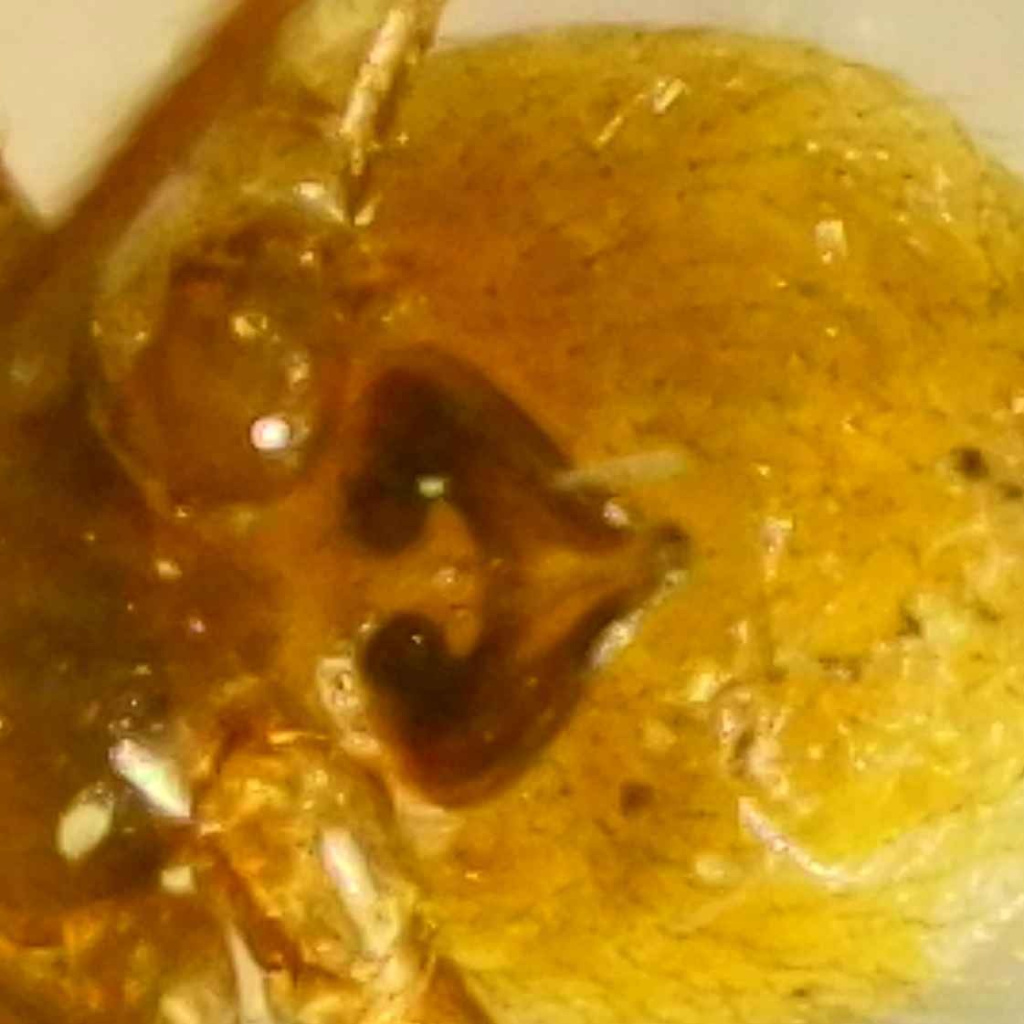
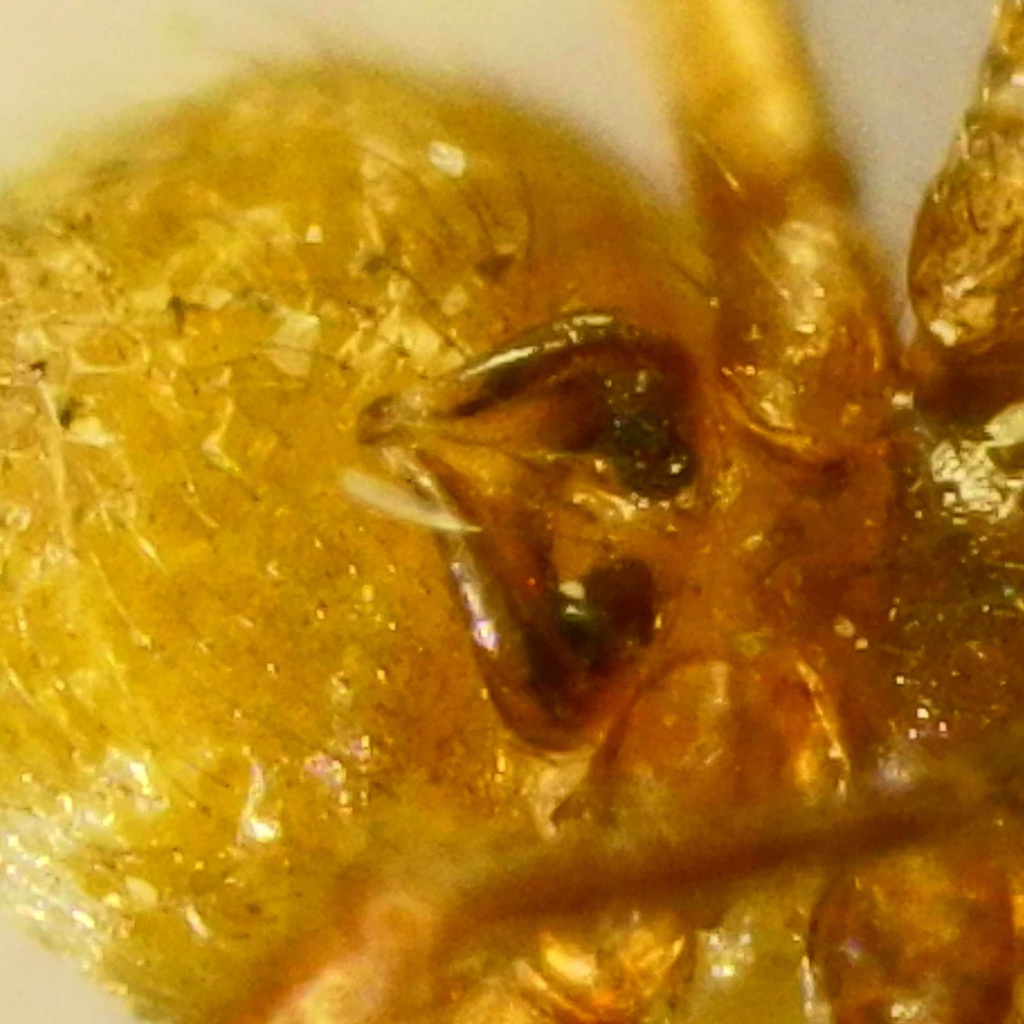
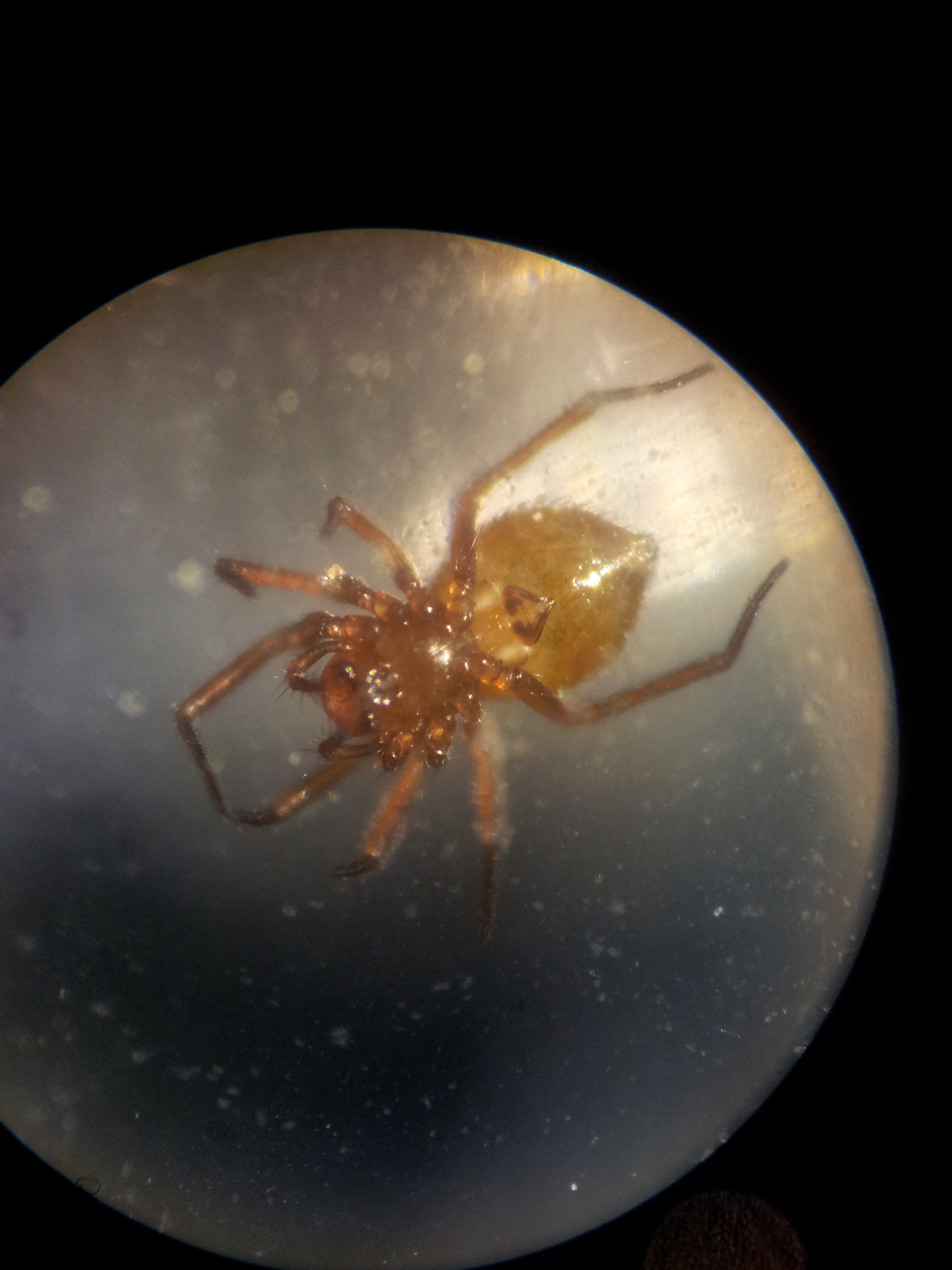
Spatial distribution - hectad map
Click on one of the date ranges in the key to highlight that particular range. Click anywhere else on the map to go back to all three date ranges.
Thresholds:
Move mouse cursor over dot for info
Rejected records are excluded from this map. Unverified records are included.
Temporal distribution - records by year
Records that span more than one year are not included in this chart.
Temporal distribution - records by week
__