
Species Details
- Species name
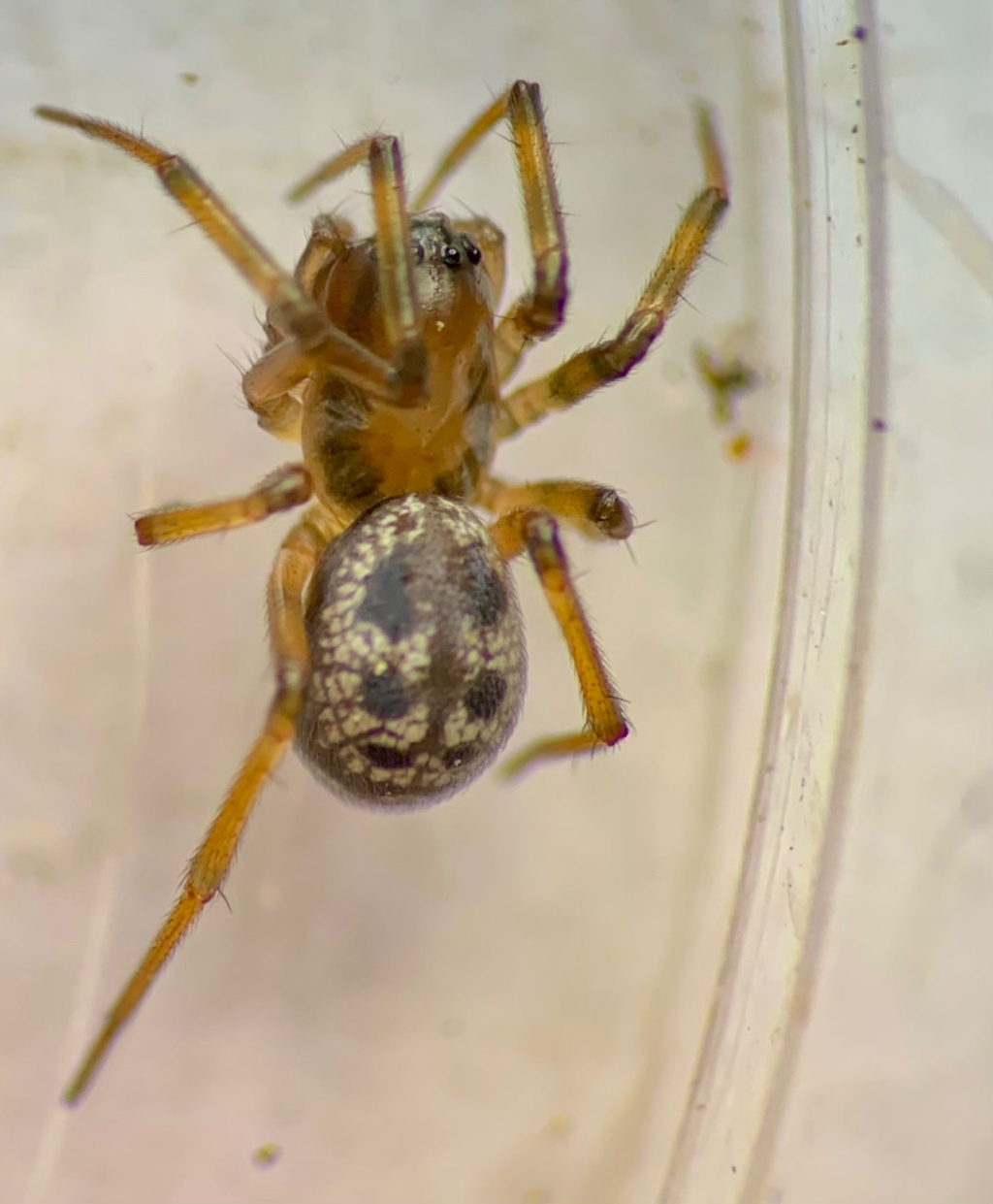
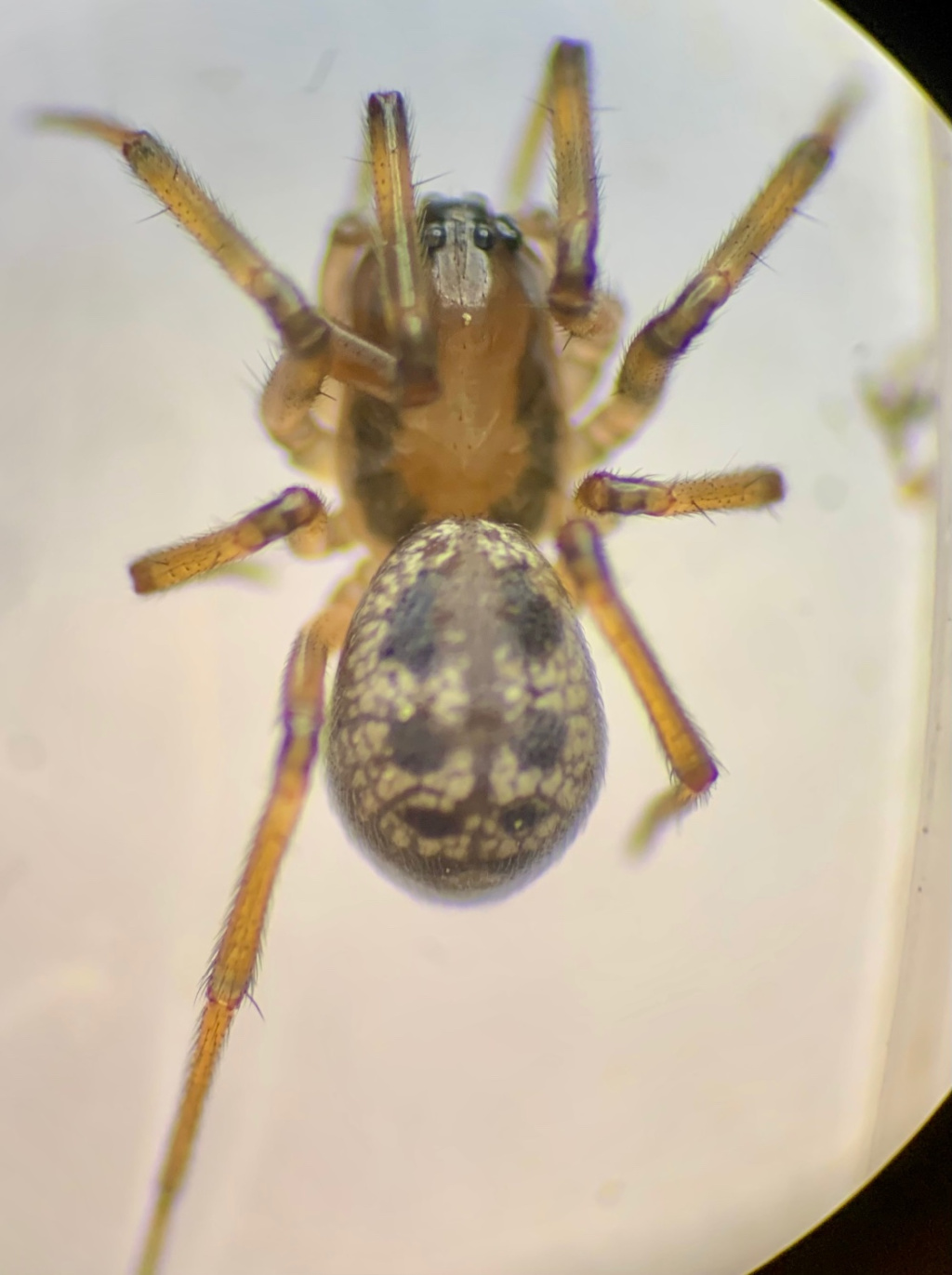
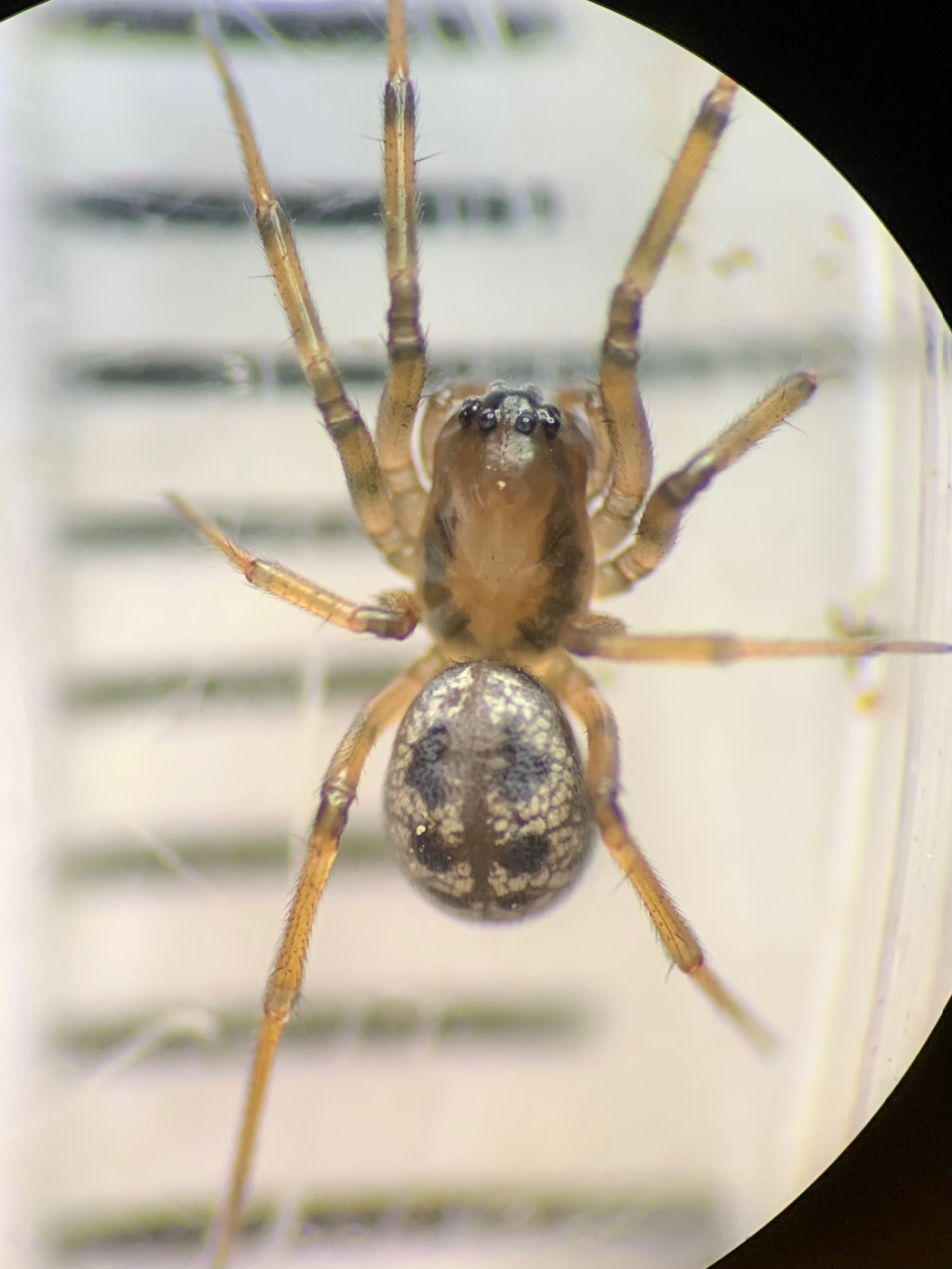
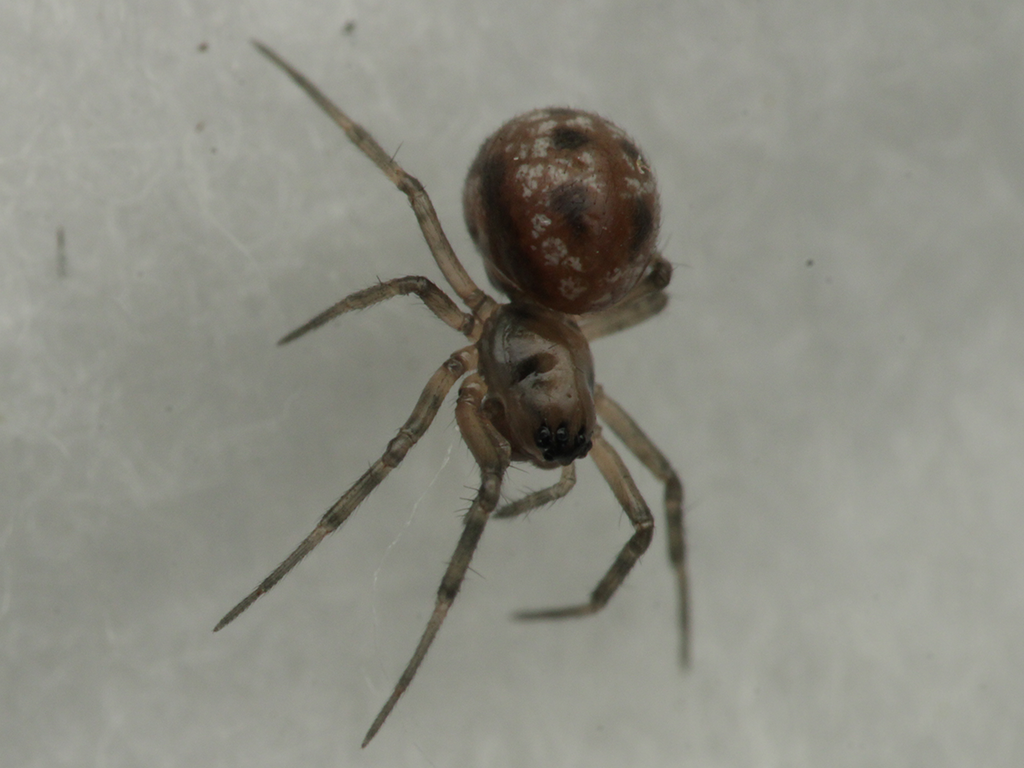
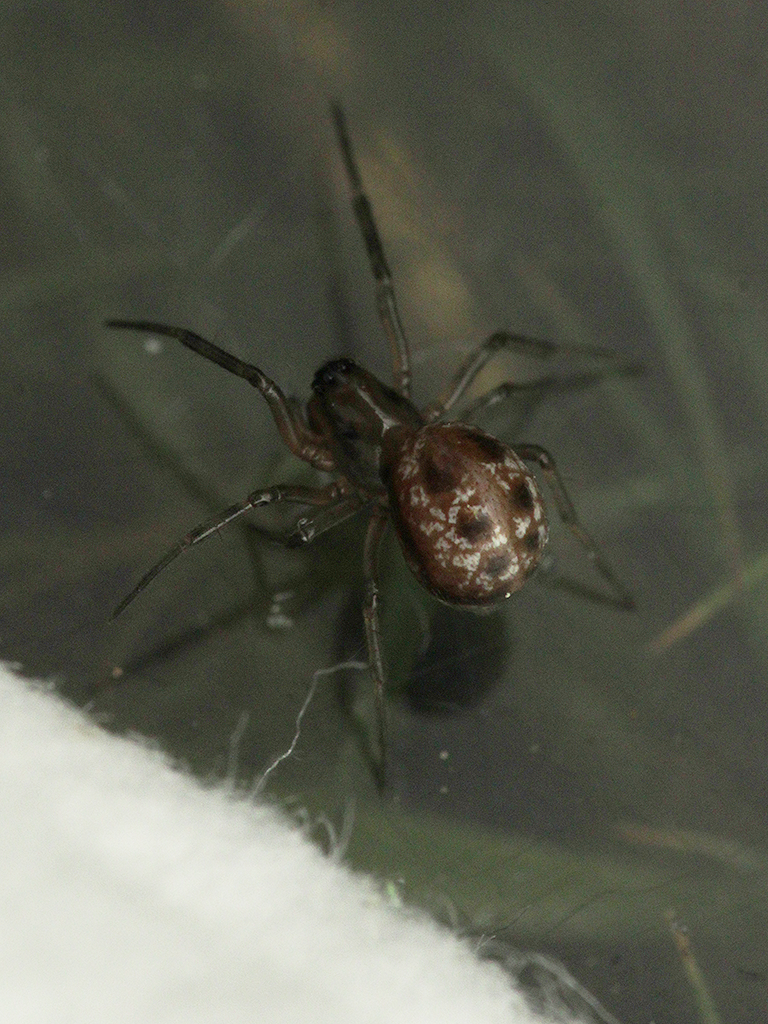
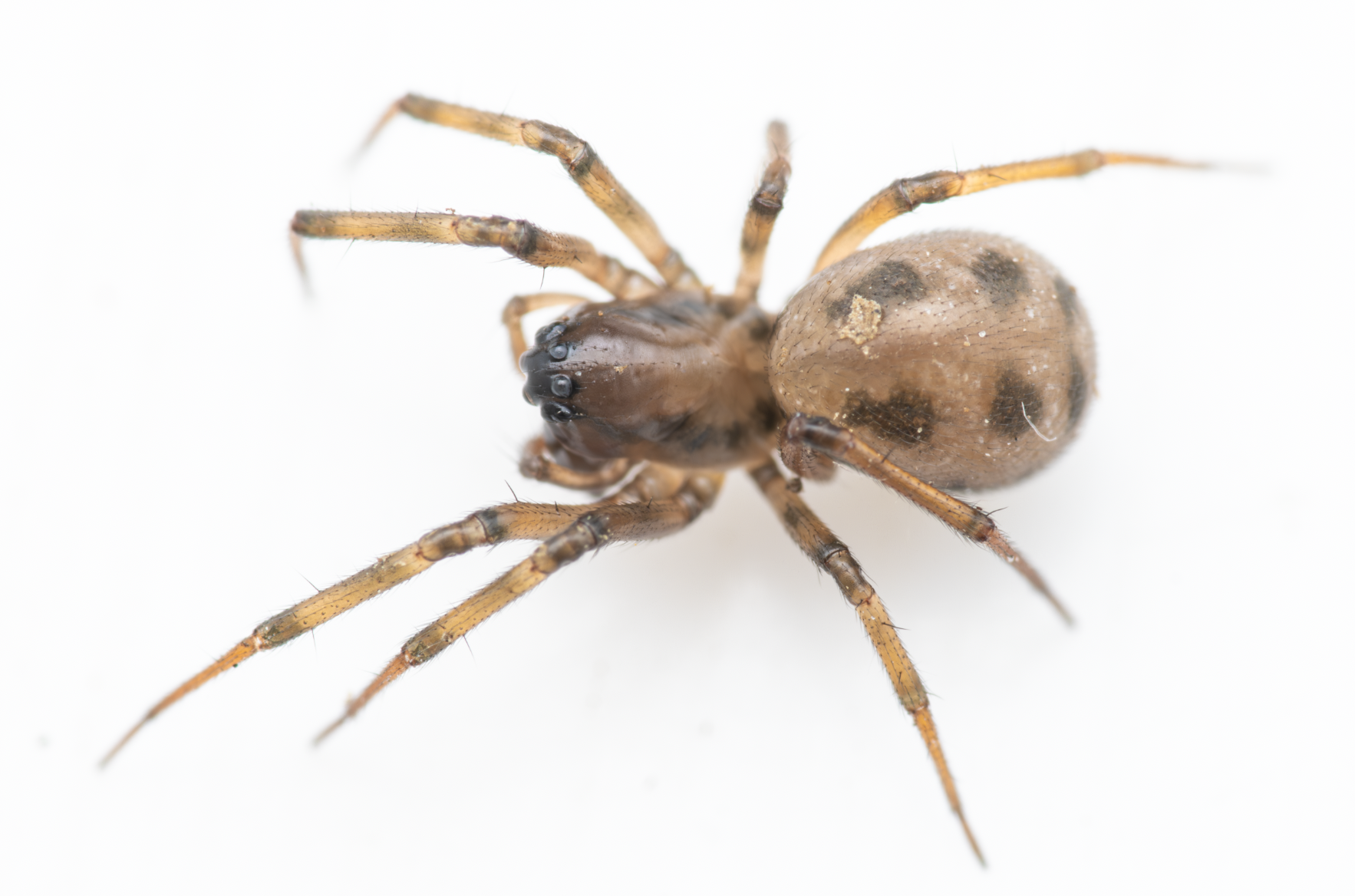
- Tapinopa longidens (Wider, 1834)
- Taxonomy
- Animalia :: Araneae :: Linyphiidae
- shaded woodland floor
Distribution
The species is widespread in much of Britain, but very scattered in some areas. It is widespread in north-western and central Europe.Habitat and ecology
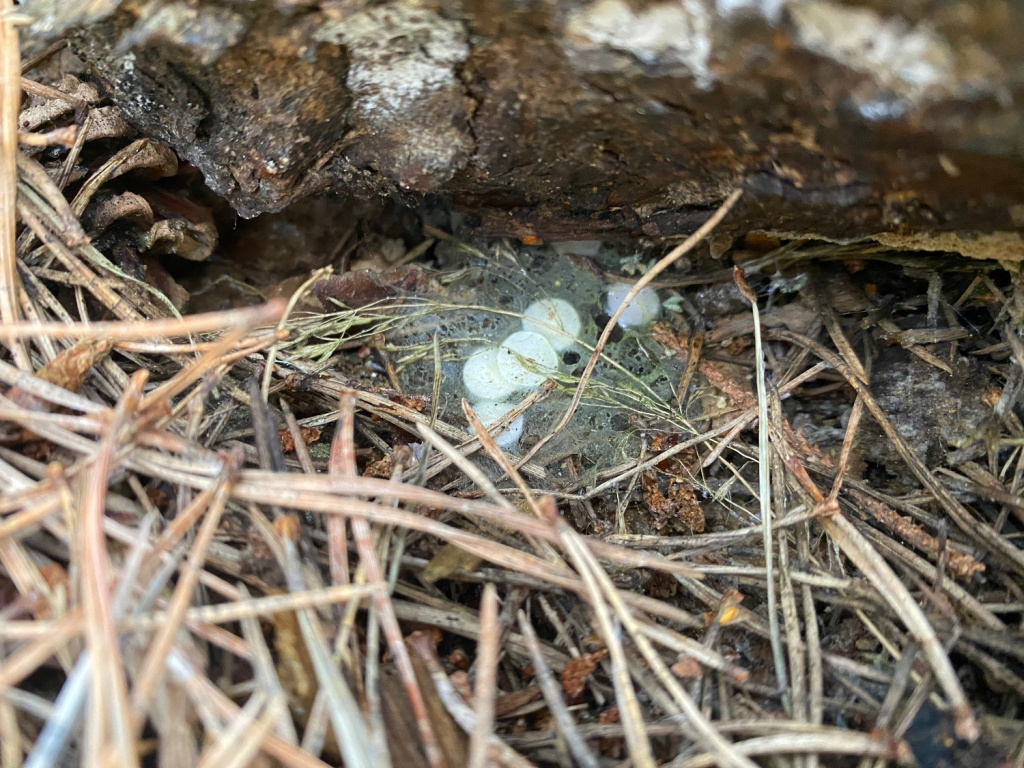
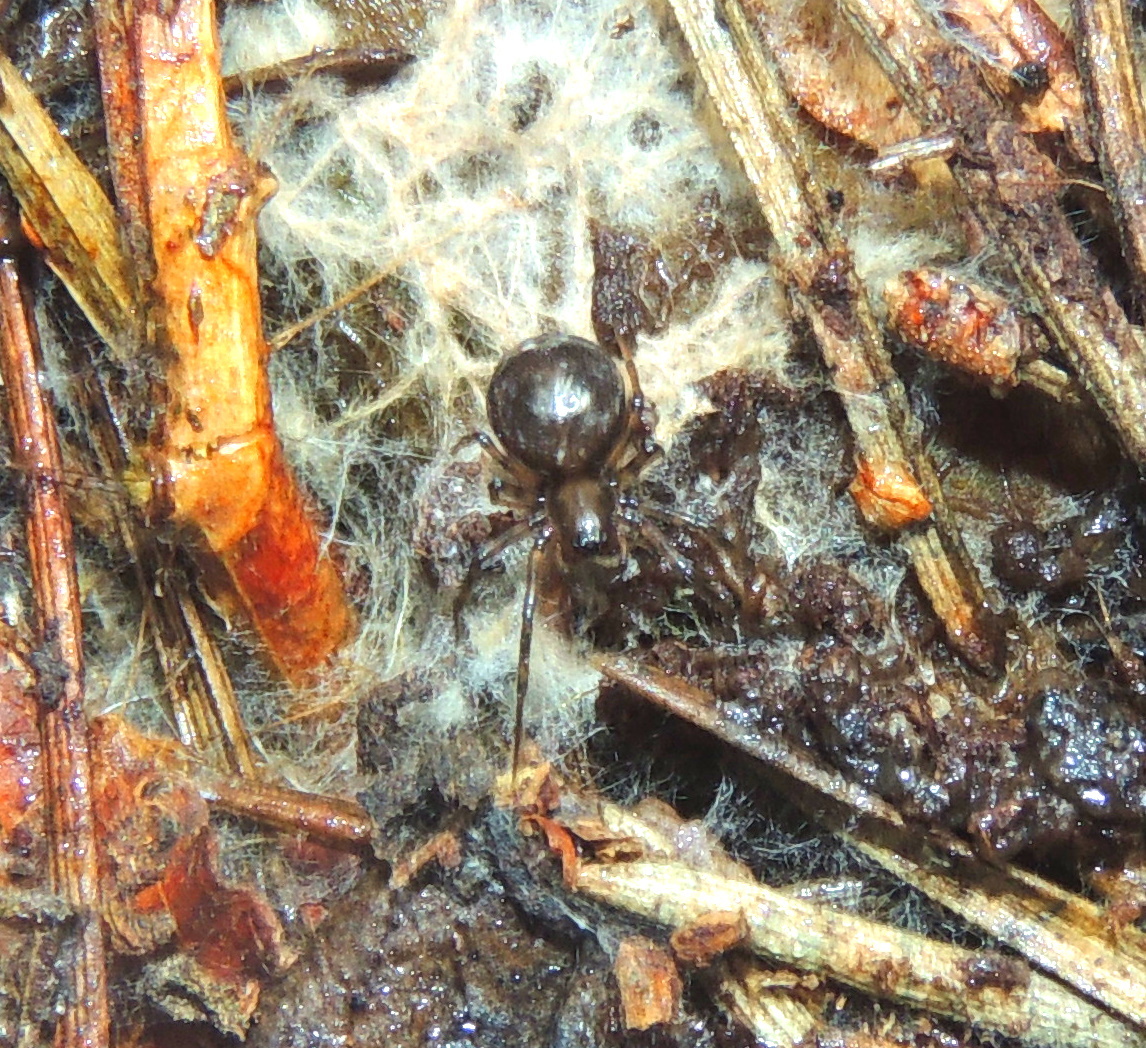
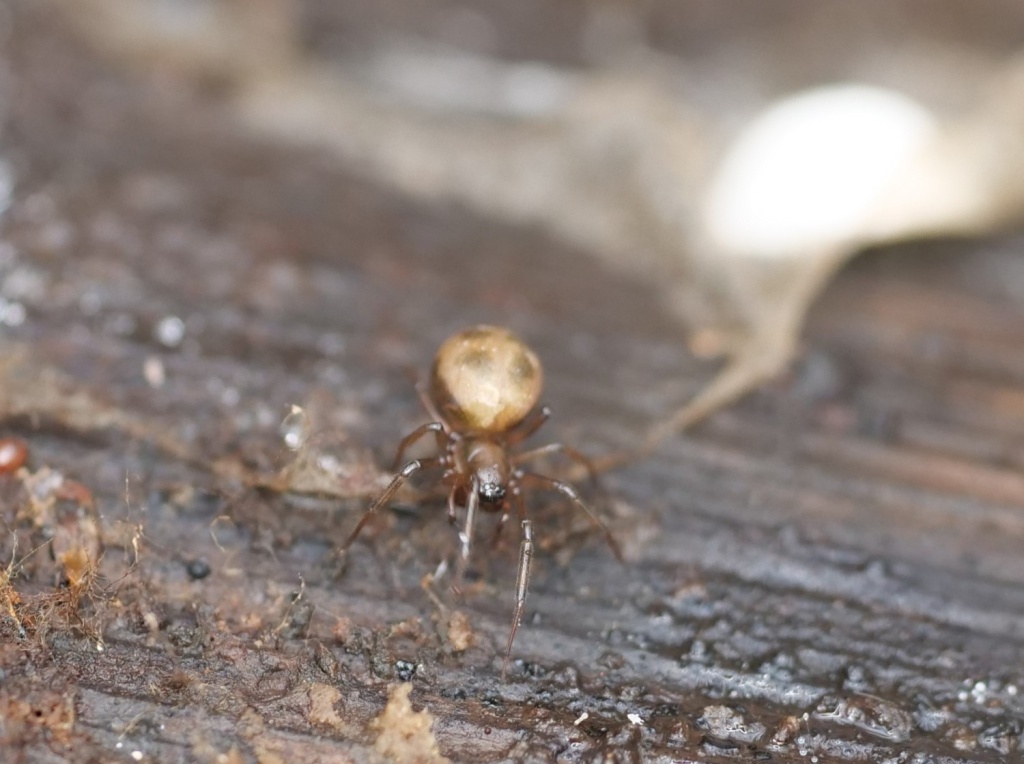
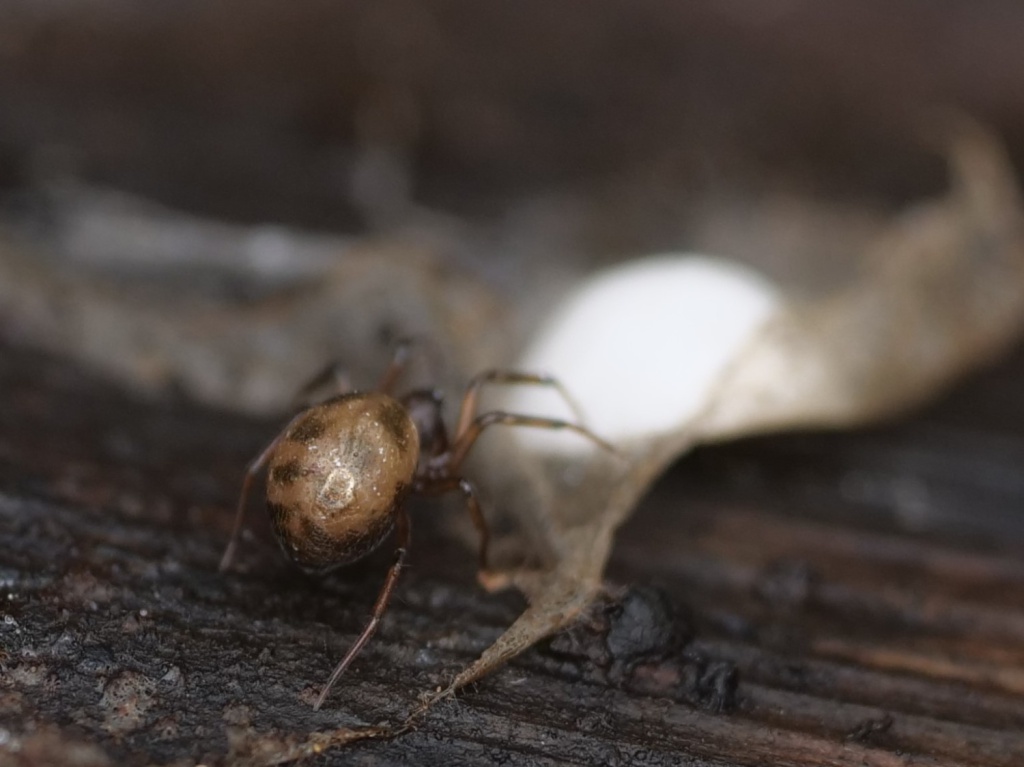
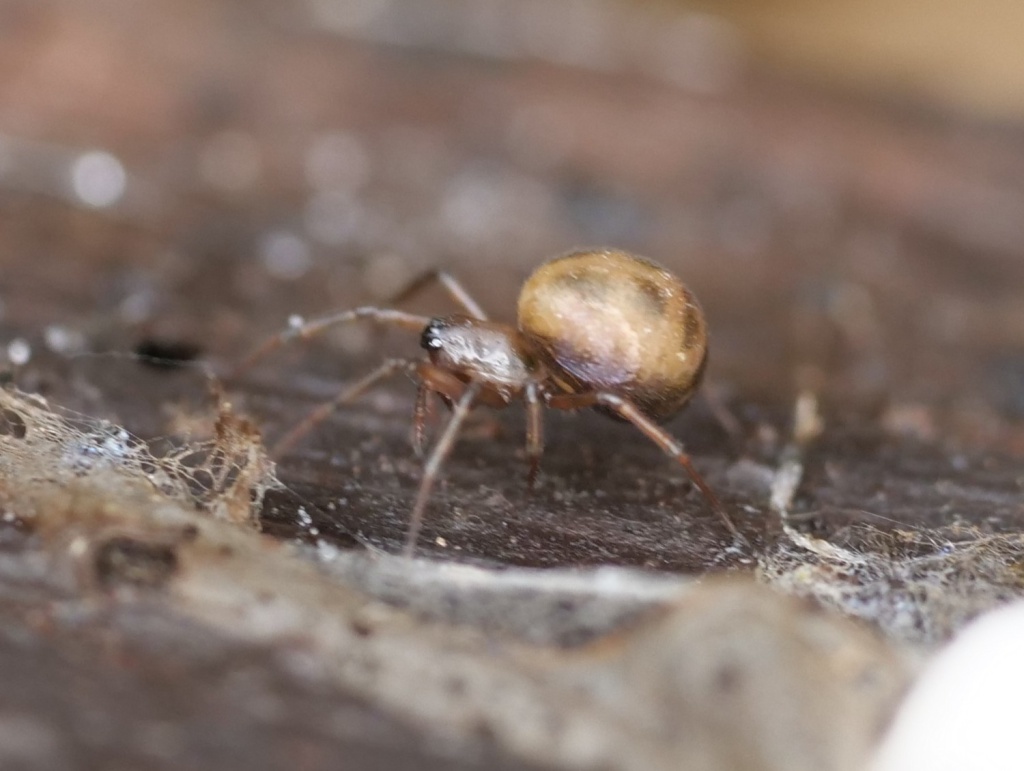
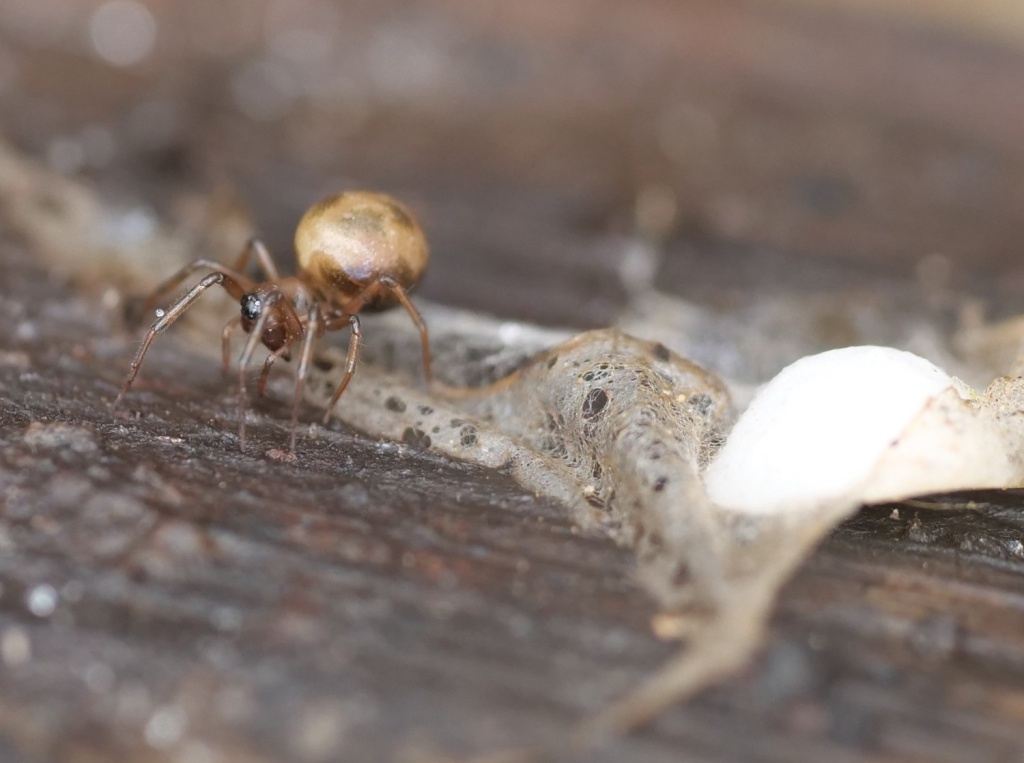
T. longidens may be locally abundant in a variety of habitats, including detritus in woods, in marshy areas, grassland, open hillsides, moorland, heather and marram dunes. The highly characteristic web is a thick glistening sheet with a white, glossy appearance quite unlike that of any other spider (Bristowe 1958). It is usually spun in small open spaces in low vegetation, over a hollow in the ground or under stones. Males are active from mid-August to mid-November with a peak of activity in September (Merrett 1969). Adults have been recorded mainly between July and October, females occasionally persisting until April.Status
Common. Original author of profile: I.M. Howe Text based on Harvey, P.R., Nellist, D.R. & Telfer, M.G. (eds) 2002. Provisional atlas of British spiders (Arachnida, Araneae), Volumes 1 & 2. Huntingdon: Biological Records Centre.Stats
- First recorded
- 1858
- Last recorded
- 2025
- Total records
- 1,405
- Total visits
- 1,392
Conservation status
Tapinopa longidens
| Source | Reporting category | Designation | Date designated | Comments |
|---|---|---|---|---|
| A Review of the scarce and threatened spiders (Araneae) of Great Britain: Species Status No. 22 (Sep 2017) | Red listing based on 2001 IUCN guidelines | Least concern | 42979 |
Photos and media


Spatial distribution - hectad map
Click on one of the date ranges in the key to highlight that particular range. Click anywhere else on the map to go back to all three date ranges.
Thresholds:
Move mouse cursor over dot for info
Rejected records are excluded from this map. Unverified records are included.
Temporal distribution - records by year
Records that span more than one year are not included in this chart.
Temporal distribution - records by week
__