
Species page
Species Details
- Species name
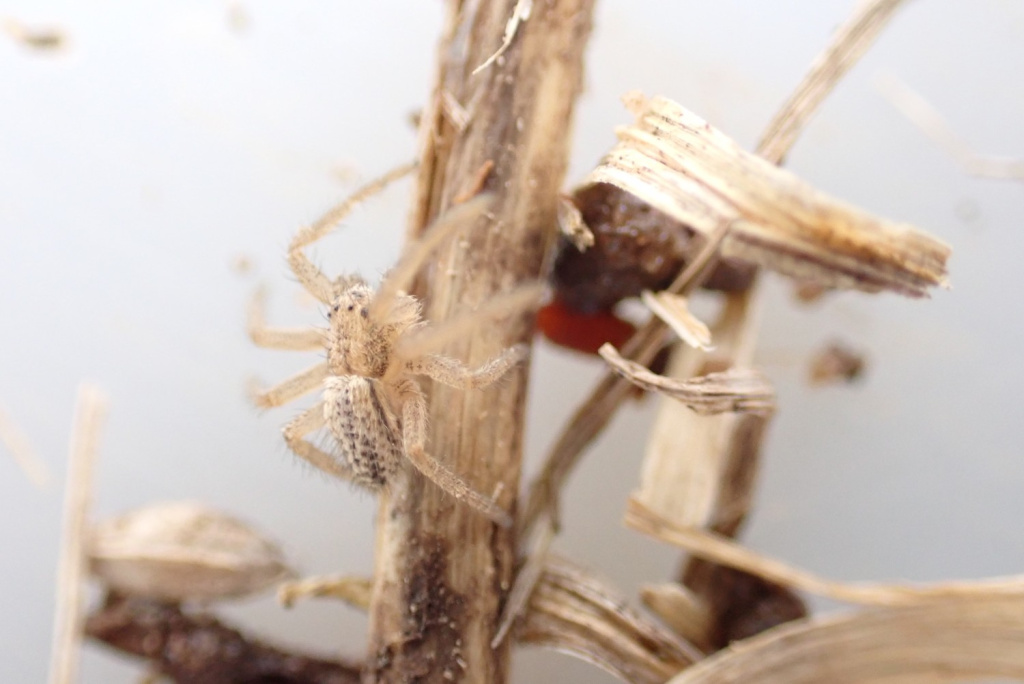
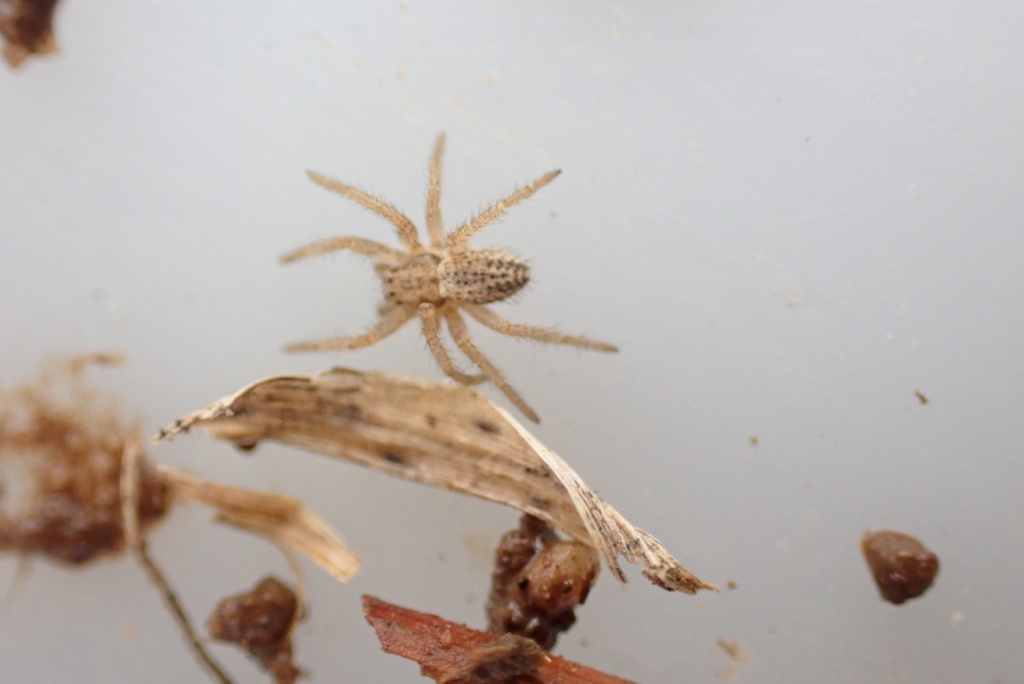
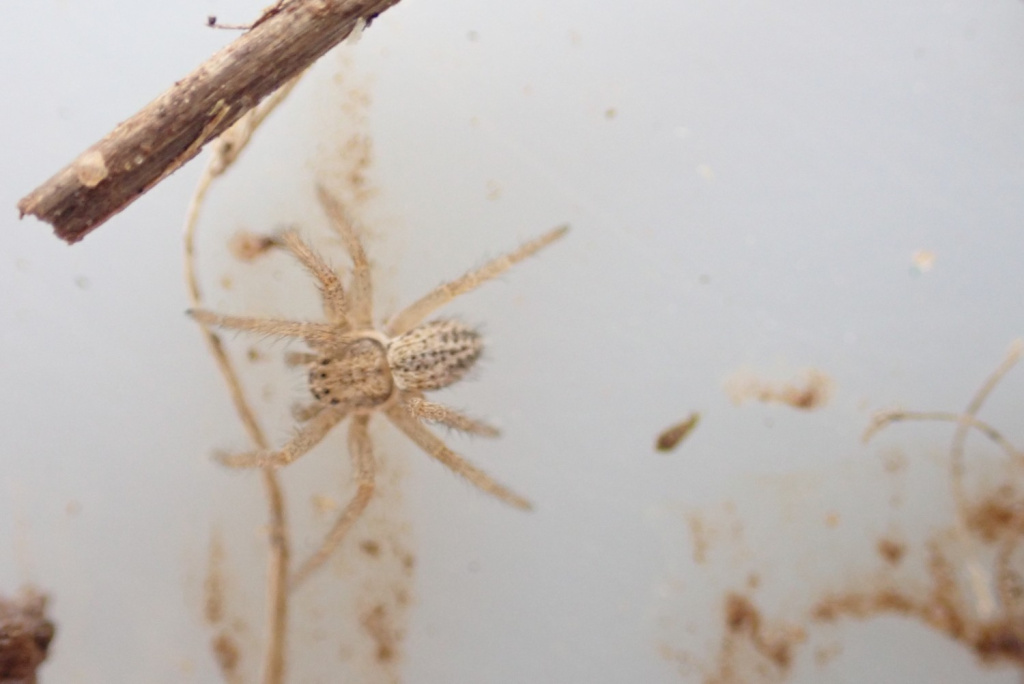
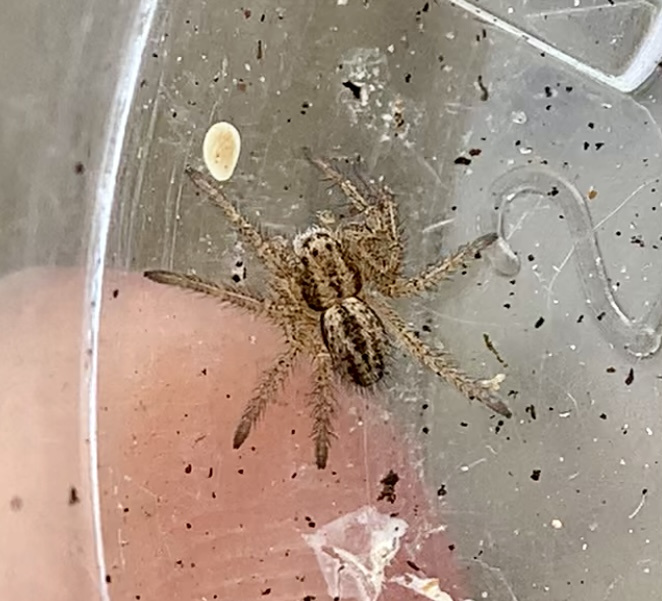
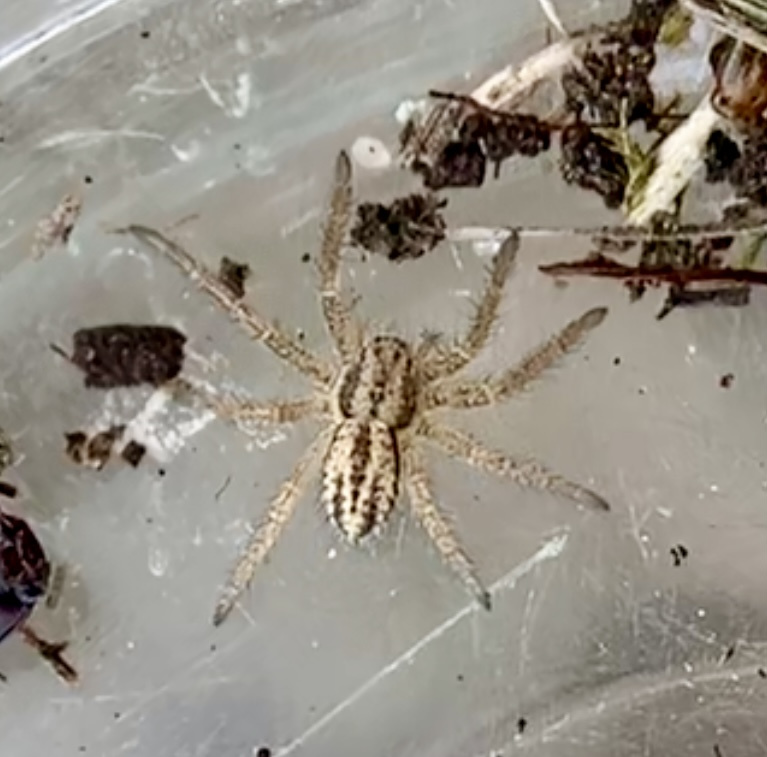
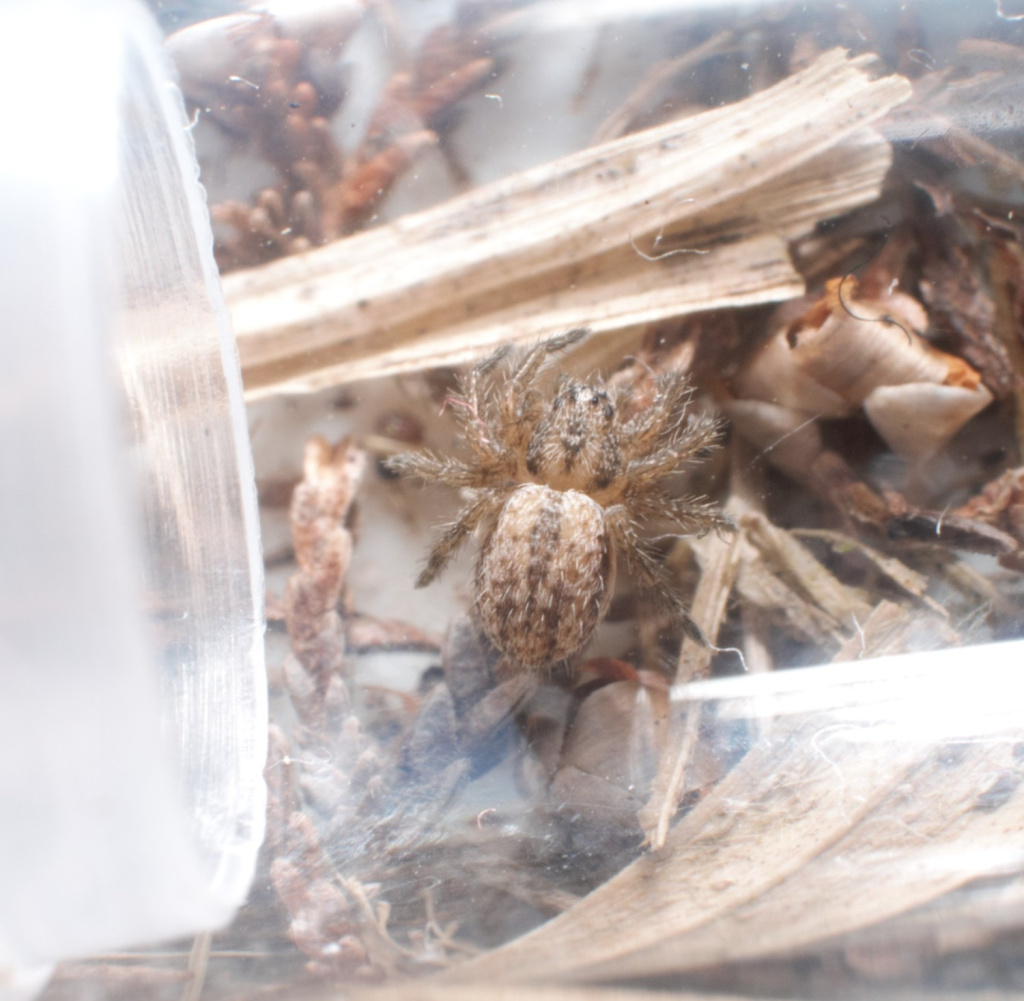
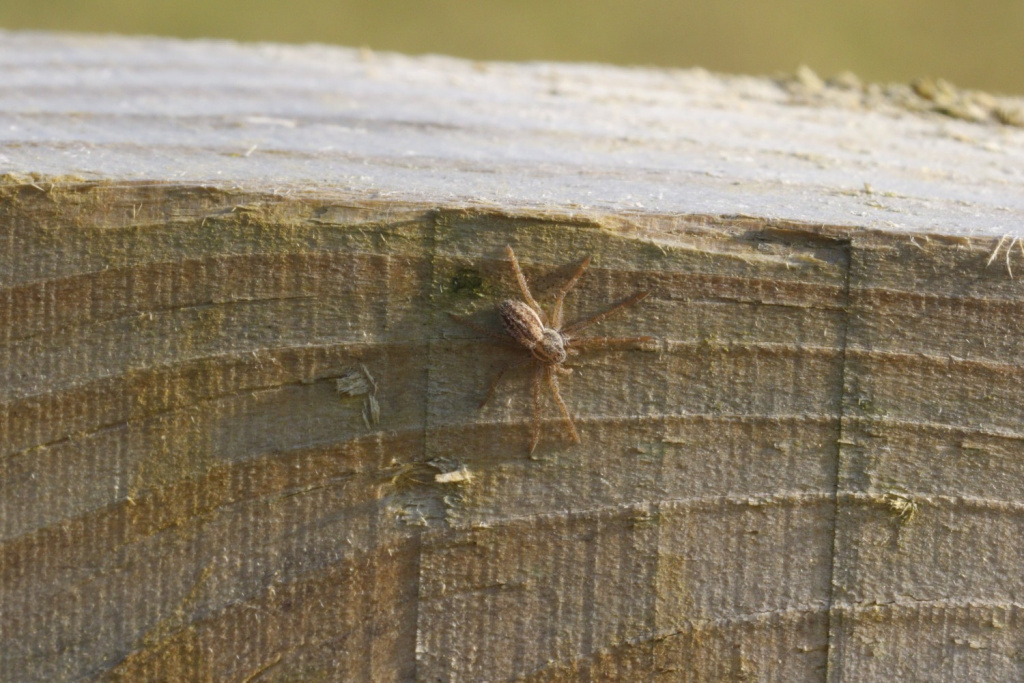
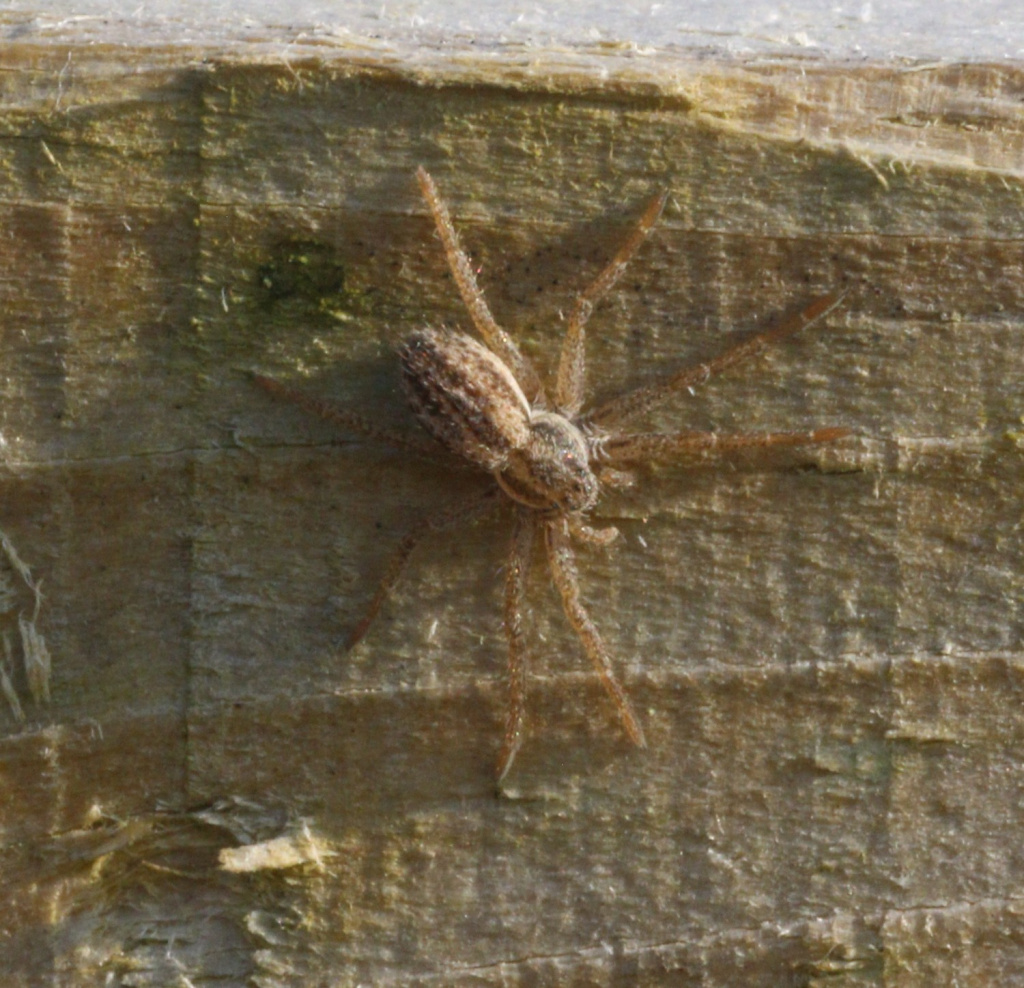
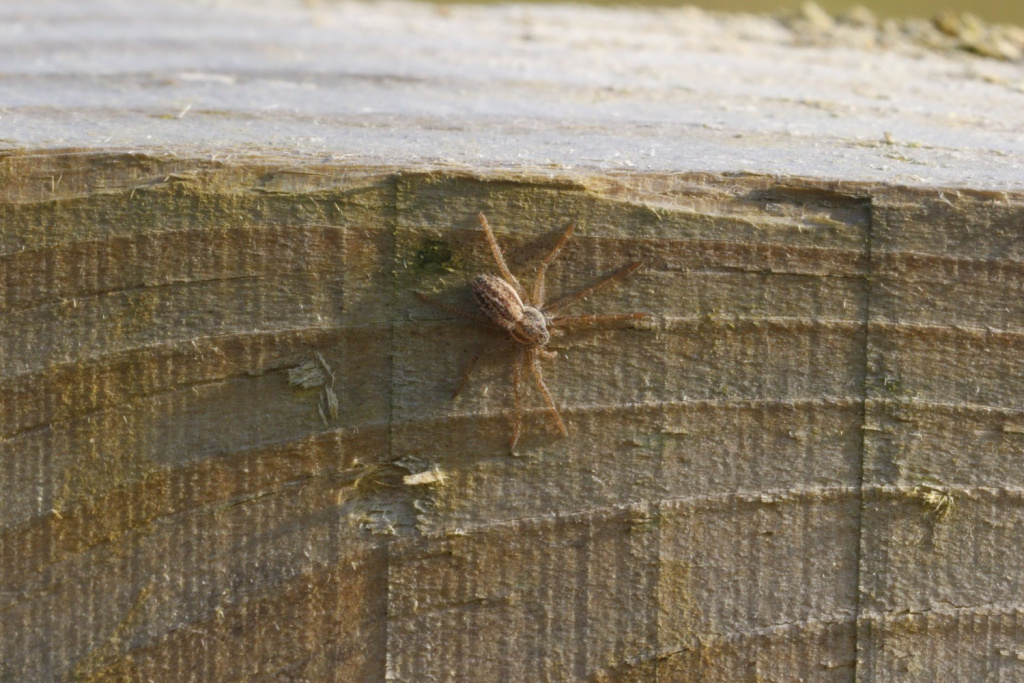
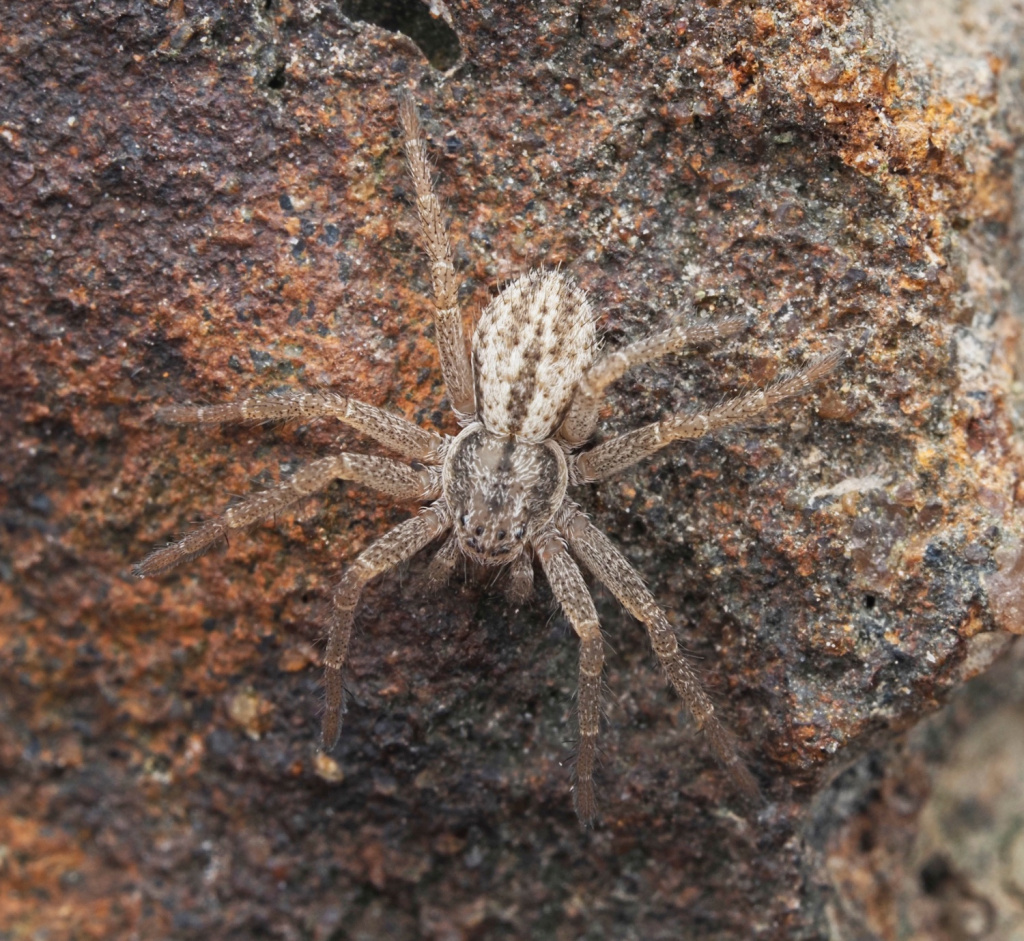
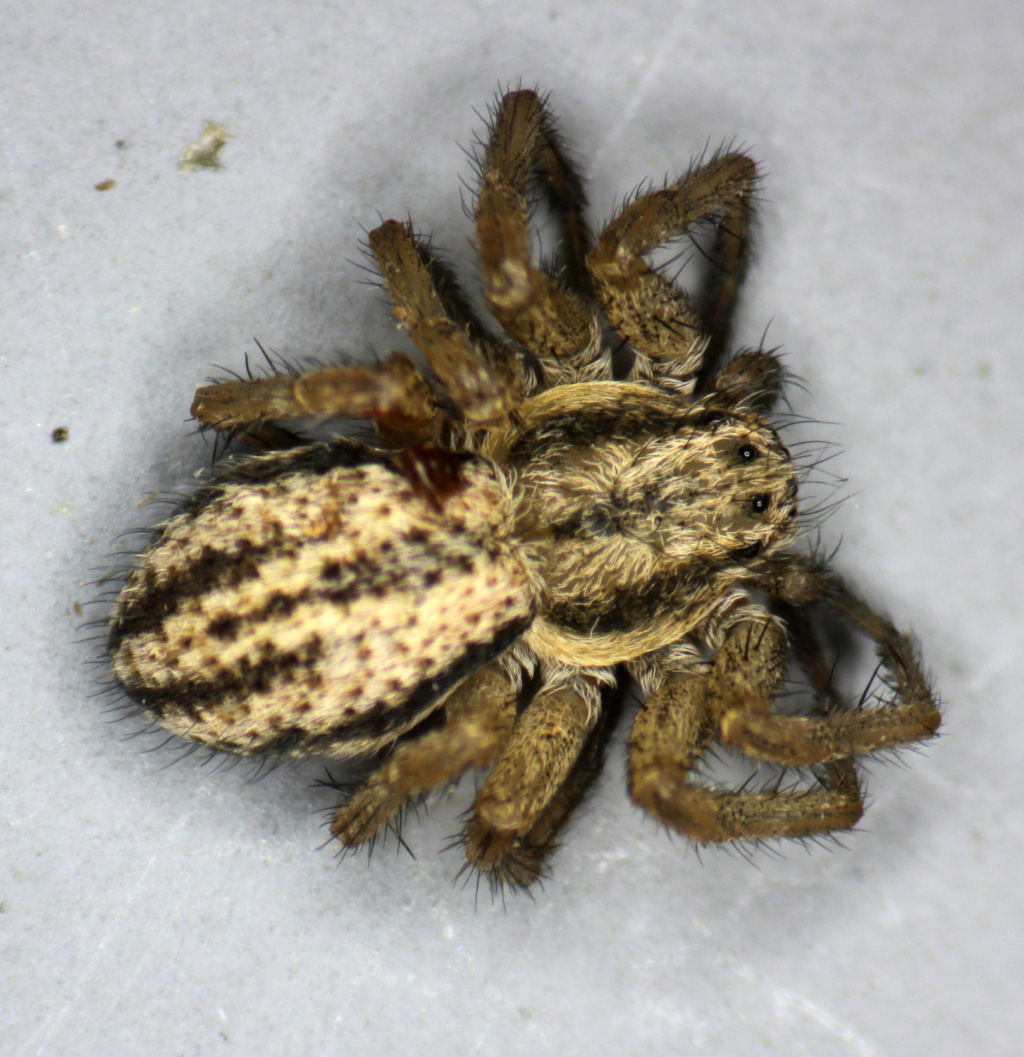
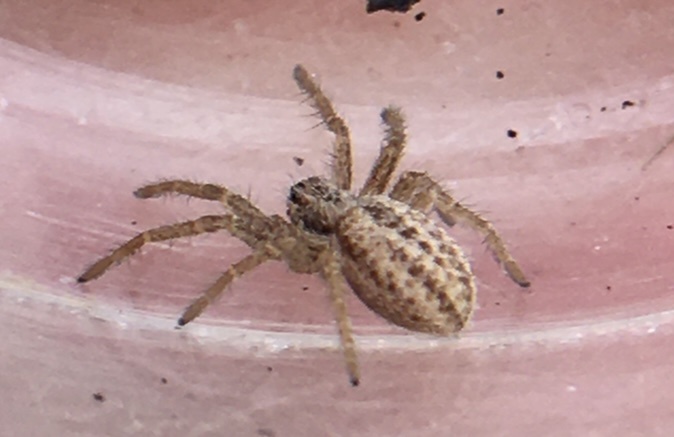
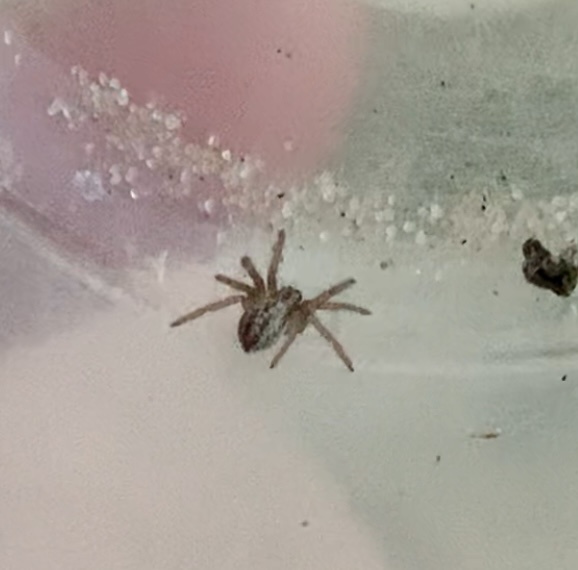
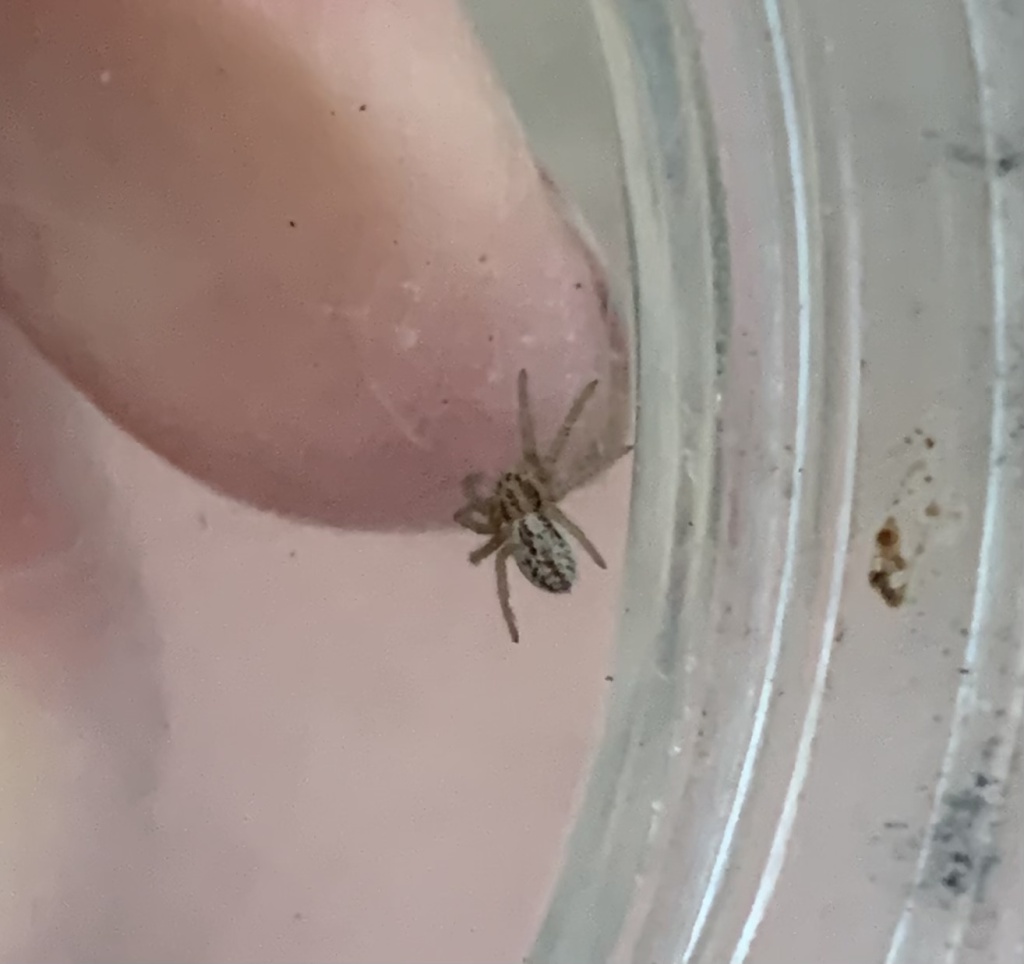
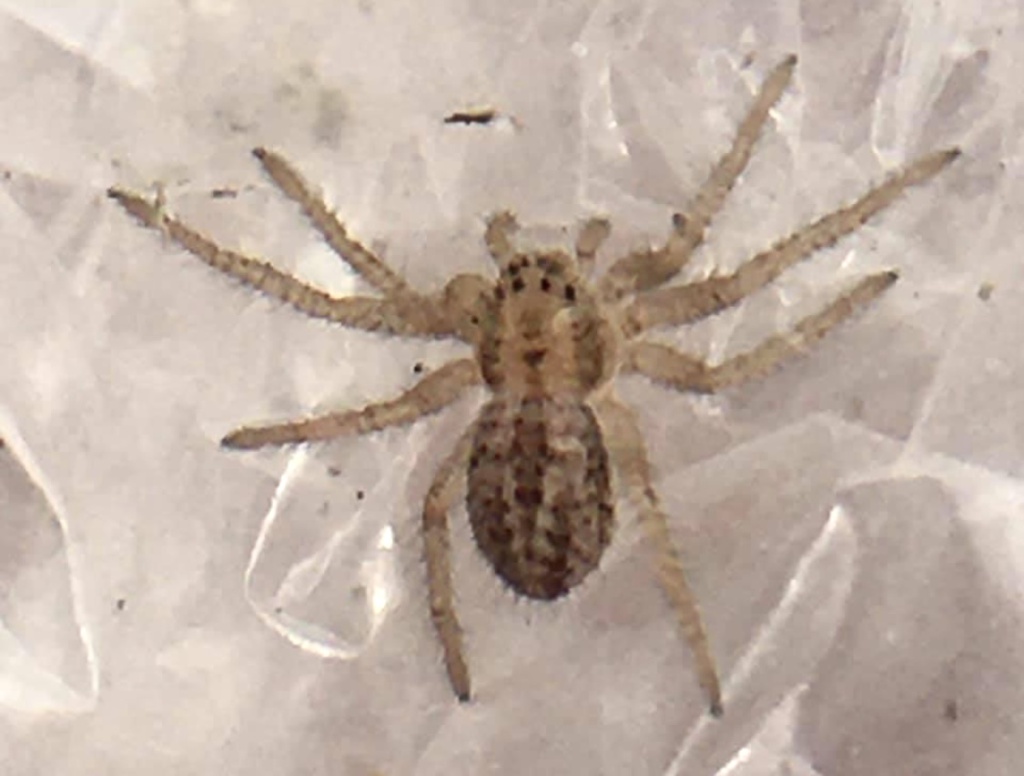
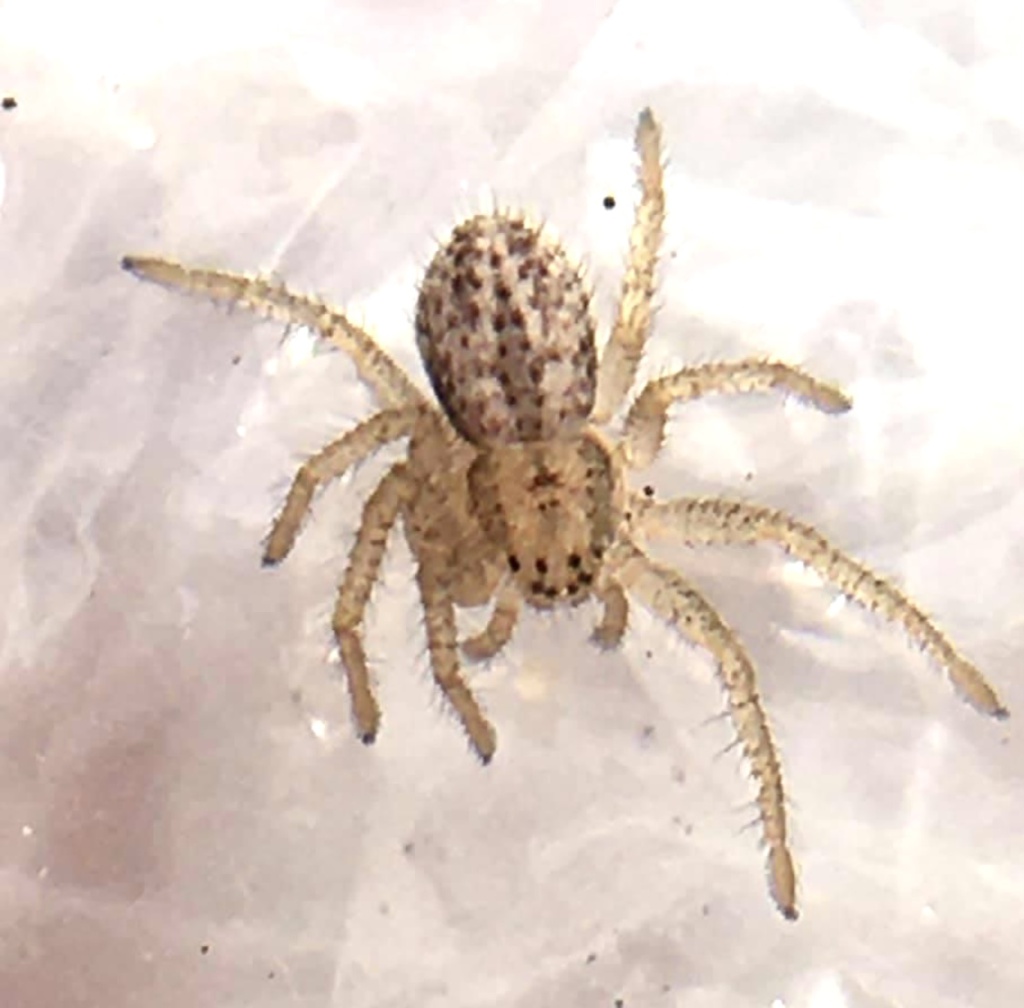
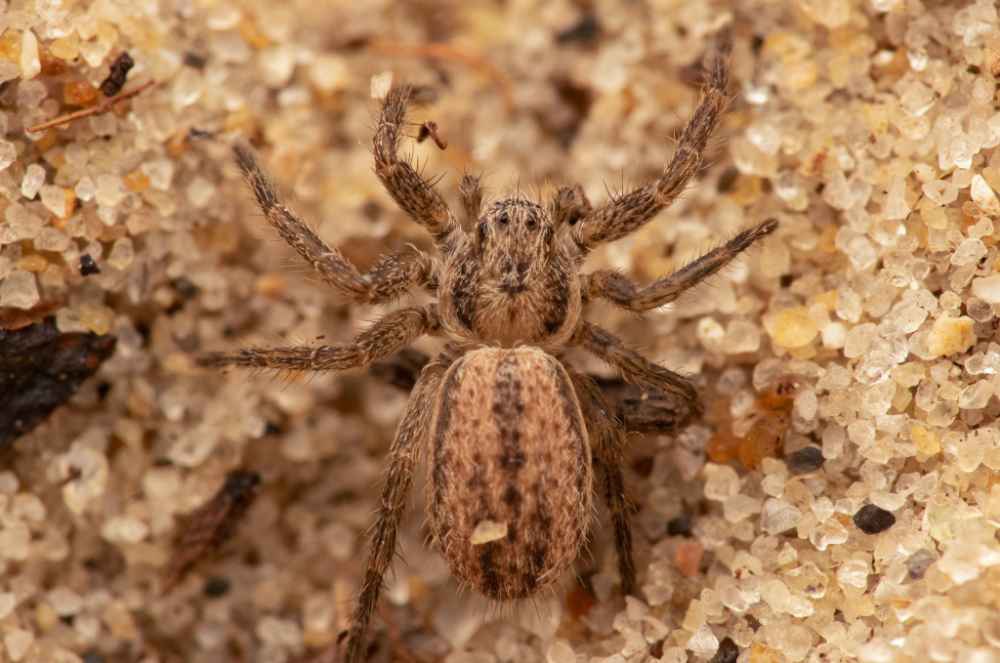
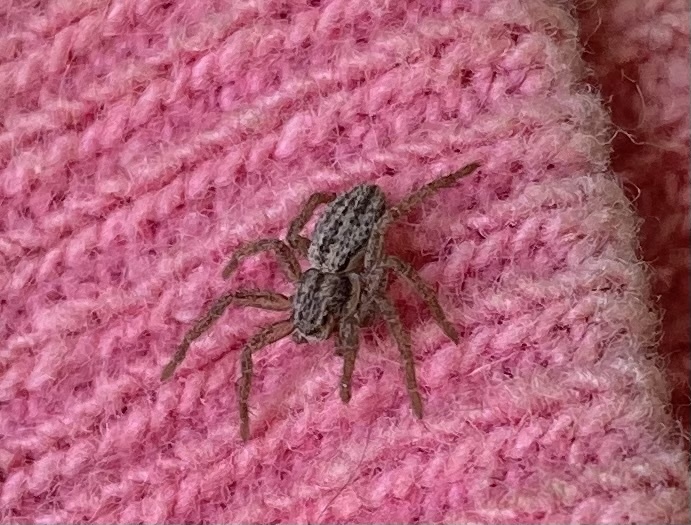
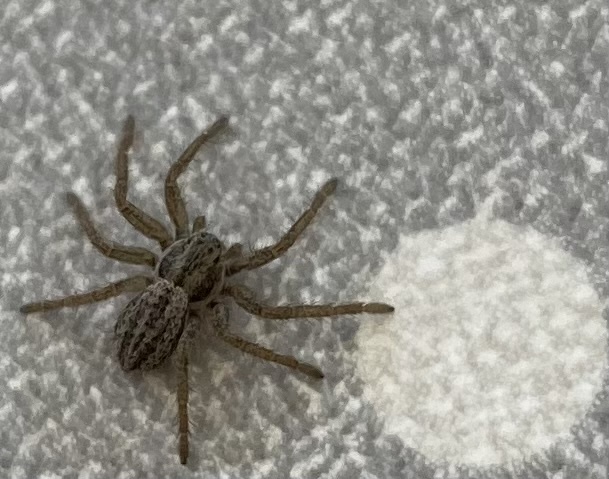
- Thanatus striatus C.L. Koch, 1845
- Synonym
- Thanatus hirsutus O.P.-Cambridge
- Taxonomy
- Animalia :: Araneae :: Philodromidae
- tall sward & scrub
Distribution
The species is widespread on southern heathlands and in south-eastern England but with few scattered records elsewhere in England as far north as Northumberland and in Wales. It is widespread in north-western and central Europe.Habitat and ecology
T. striatus occurs on the ground at the base of vegetation in sandy grassland, heathland and dunes but also in tussocky grassland on sea walls, in brackish grassland, saltmarsh, dyke edges, waste ground and old sand pits. Adults of both sexes are mainly found in May and June, females into July and occasionally August and September.Status
The spider is local and generally uncommon, but it has occurred with some frequency in Essex, Kent, Hants and Dorset. It has shown a small decline in records post-1992.Threats
Conversion of heathland to other land-use. Possibly public pressure on some dune systems.Management and conservation
Protect heathland from conversion to other land-use. Protect sand dunes form excessive public pressure (e.g. use by off road vehicles). Text based on Dawson, I.K., Harvey, P.R., Merrett, P. & Russell-Smith, A.R. (in prep.).Stats
- First recorded
- 1898
- Last recorded
- 2026
- Total records
- 1,065
- Total visits
- 1,047
Conservation status
Thanatus striatus
| Source | Reporting category | Designation | Date designated | Comments |
|---|---|---|---|---|
| A Review of the scarce and threatened spiders (Araneae) of Great Britain: Species Status No. 22 (Sep 2017) | Red data categories - spiders (not based on IUCN criteria) | Spider Amber List | 42979 | |
| A Review of the scarce and threatened spiders (Araneae) of Great Britain: Species Status No. 22 (Sep 2017) | Rare and scarce species | Nationally Scarce. Includes Red Listed taxa | 42979 | Threats: Conversion of heathland to other land-use. Possibly public pressure on some dune systems. |
| A Review of the scarce and threatened spiders (Araneae) of Great Britain: Species Status No. 22 (Sep 2017) | Red listing based on 2001 IUCN guidelines | Least concern | 42979 | Threats: Conversion of heathland to other land-use. Possibly public pressure on some dune systems. |
Photos and media
__