
Species Details
- Species name
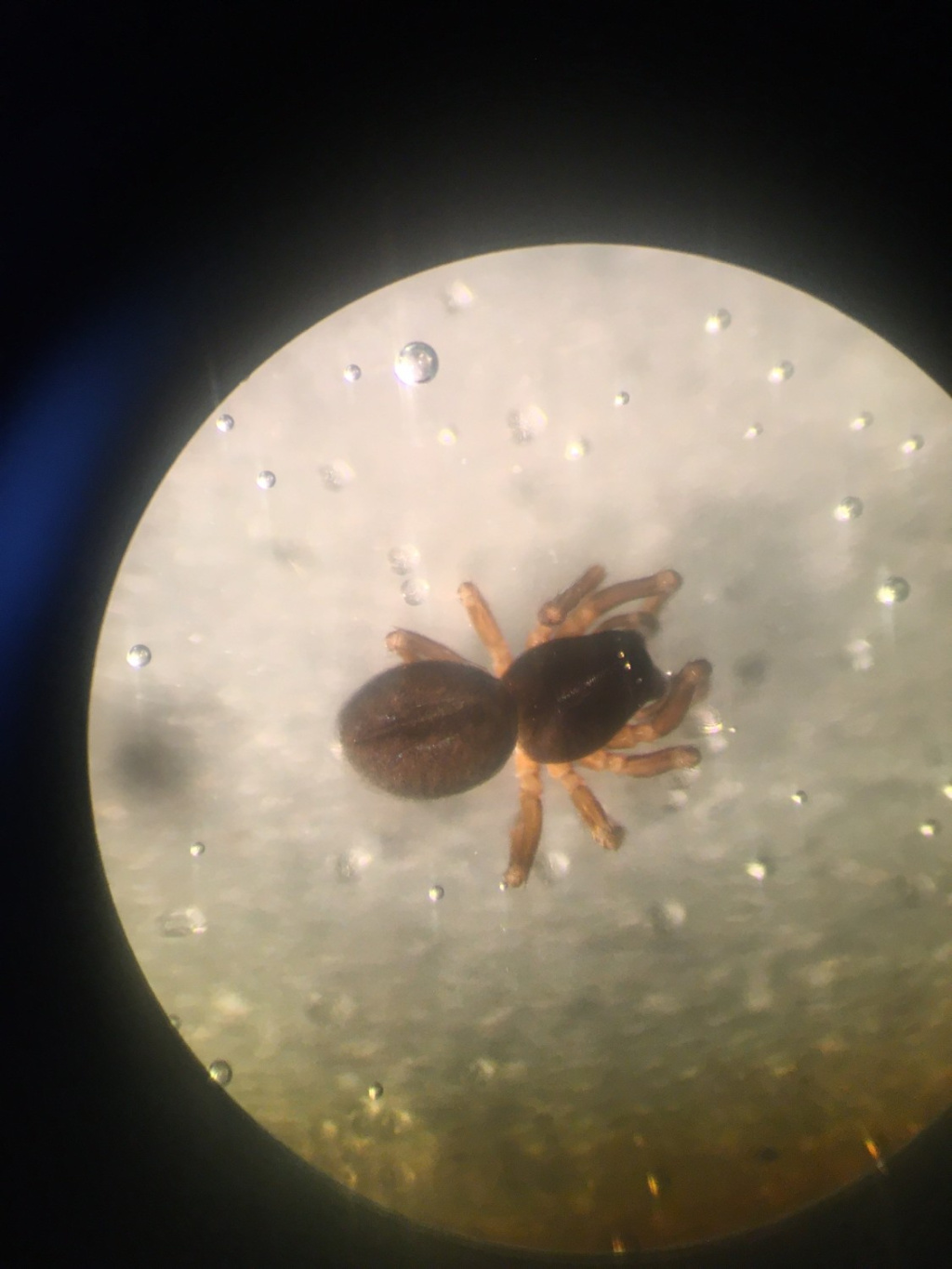
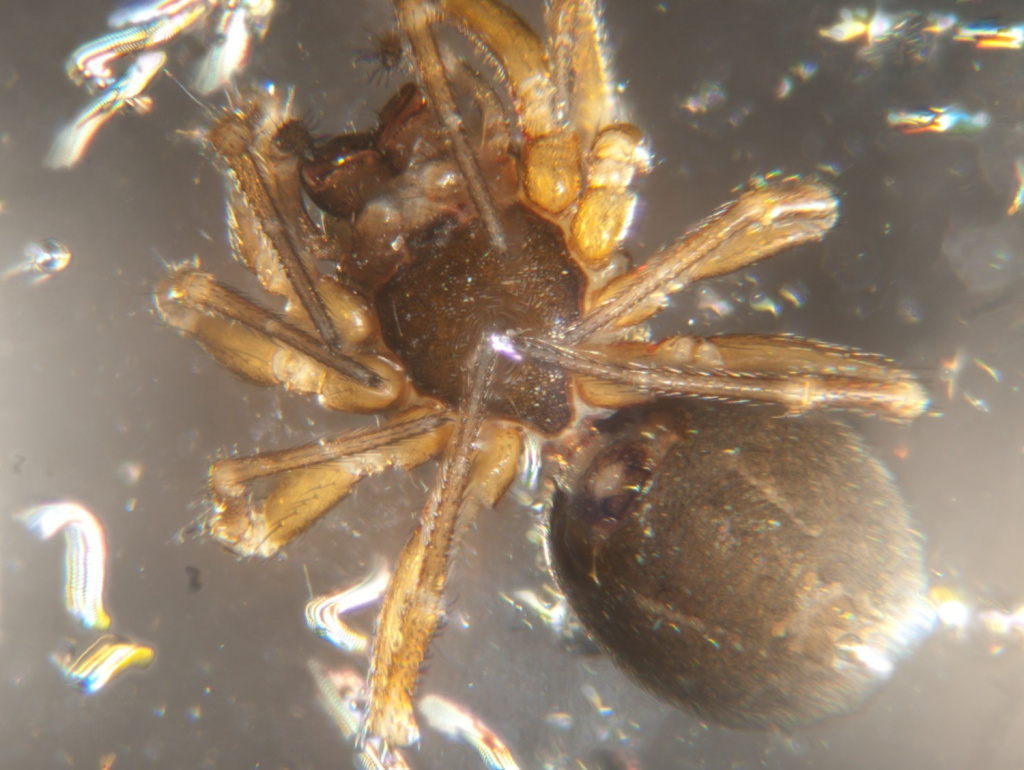
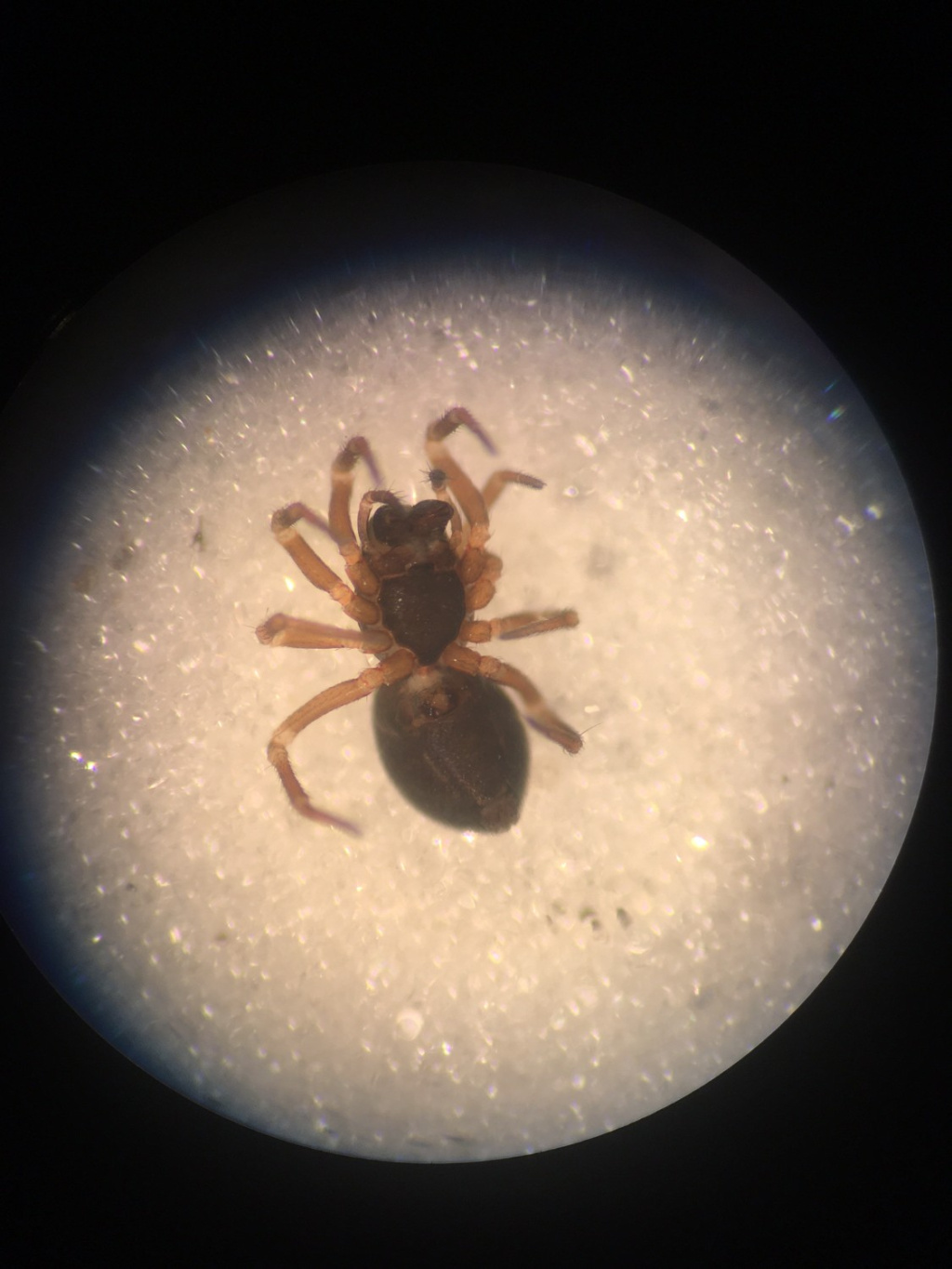
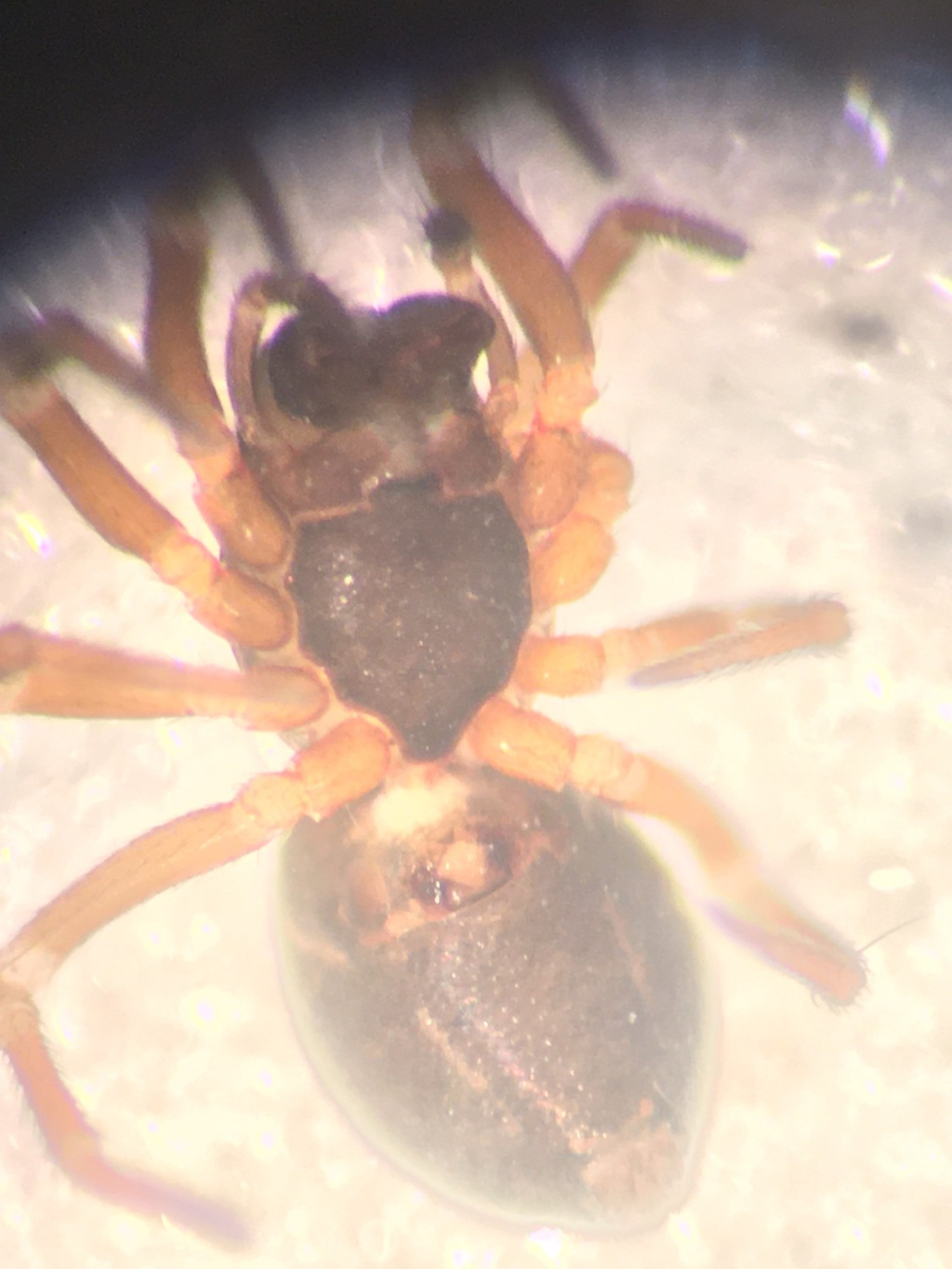
- Troxochrus scabriculus (Westring, 1851)
- Synonyms
- Troxochrus scabriculus subsp. cirrifrons (O.P.-Cambridge, 1871), Troxochrus aggeris, Troxochrus cirrifrons (O.P.-Cambridge, 1871), Troxochrus scabricula, Troxochrus scabriculus form cirrifrons (O.P.-Cambridge, 1871)
- Taxonomy
- Animalia :: Araneae :: Linyphiidae
- short sward & bare ground
Distribution
The species has a widespread but patchy Distribution: in much of Britain. It is widespread in western and central Europe.Habitat and ecology
Troxochrus scabriculus is restricted to dry habitats such as calcareous grassland, quarries, river shingle, haystacks and bare ground. The spider is a typical inhabitant of sand dunes where it can be found within dense clumps of marram grass. In gardens the species can be found living within gravel paths. Adult females may be present throughout the year but there is a peak in recorded adults of both sexes in late spring and early summer, and again in the autumn.Status
Locally common in dry habitats. Original author of profile: R.C. Gallon Text based on Harvey, P.R., Nellist, D.R. & Telfer, M.G. (eds) 2002. Provisional atlas of British spiders (Arachnida, Araneae), Volumes 1 & 2. Huntingdon: Biological Records Centre.Stats
- First recorded
- 1872
- Last recorded
- 2025
- Total records
- 1,238
- Total visits
- 1,191
Conservation status
Troxochrus scabriculus
| Source | Reporting category | Designation | Date designated | Comments |
|---|---|---|---|---|
| A Review of the scarce and threatened spiders (Araneae) of Great Britain: Species Status No. 22 (Sep 2017) | Red listing based on 2001 IUCN guidelines | Least concern | 42979 |
Photos and media

Spatial distribution - hectad map
Click on one of the date ranges in the key to highlight that particular range. Click anywhere else on the map to go back to all three date ranges.
Thresholds:
Move mouse cursor over dot for info
Rejected records are excluded from this map. Unverified records are included.
Temporal distribution - records by year
Records that span more than one year are not included in this chart.
Temporal distribution - records by week
__