
Species Details
- Species name
- Walckenaeria alticeps (Denis, 1952)
- Taxonomy
- Animalia :: Araneae :: Linyphiidae
- acid & sedge peats
Distribution
W. alticeps was separated from W. antica in 1952 but not recognised in Britain until 1983; earlier records of W. antica may include both species. It is probable that W. alticeps is mainly a northern species. It has been searched for without success in Leicestershire and Essex. In Europe it is listed for the Netherlands, Belgium, Denmark, Sweden, Germany, Switzerland, Austria, the Czech Republic, Poland and Romania.Habitat and ecology
W. alticeps has been recorded from Sphagnum bogs overgrown with Molinia, bog myrtle and birch, and other sites with moist leaf litter and shaded Sphagnum. From limited data, it appears that adult females may be found between April and August with a peak in June and in November. Adult males have been recorded in May and November. This suggests a similar situation to W. antica, where males peak in late spring and again in the autumn.Status
First recognised in Britain in 1983, this species is apparently very local or scarce. It may have been under-recorded due to difficulty in reliable separation from W. antica.Threats
Although too little is known about the exact ecological requirements of this species, drainage and drying out of bogs pose a potential threat.Management and conservation
Protect bogs from drainage and drying out. Text based on Dawson, I.K., Harvey, P.R., Merrett, P. & Russell-Smith, A.R. (in prep.).Stats
- First recorded
- 1897
- Last recorded
- 2025
- Total records
- 281
- Total visits
- 269
Conservation status
Walckenaeria alticeps
| Source | Reporting category | Designation | Date designated | Comments |
|---|---|---|---|---|
| A Review of the scarce and threatened spiders (Araneae) of Great Britain: Species Status No. 22 (Sep 2017) | Rare and scarce species | Nationally Scarce. Includes Red Listed taxa | 42979 | |
| A Review of the scarce and threatened spiders (Araneae) of Great Britain: Species Status No. 22 (Sep 2017) | Red listing based on 2001 IUCN guidelines | Least concern | 42979 | This species is usually found in moist leaf litter and shaded Sphagnum. Its apparent substantial decline is likely, at least in part, to be attributable to lack of recent surveys of Welsh peatland sites. Threats: Although too little is known about the exact ecological requirements of this species, drainage and drying out of bogs pose a potential threat. |
Photos and media
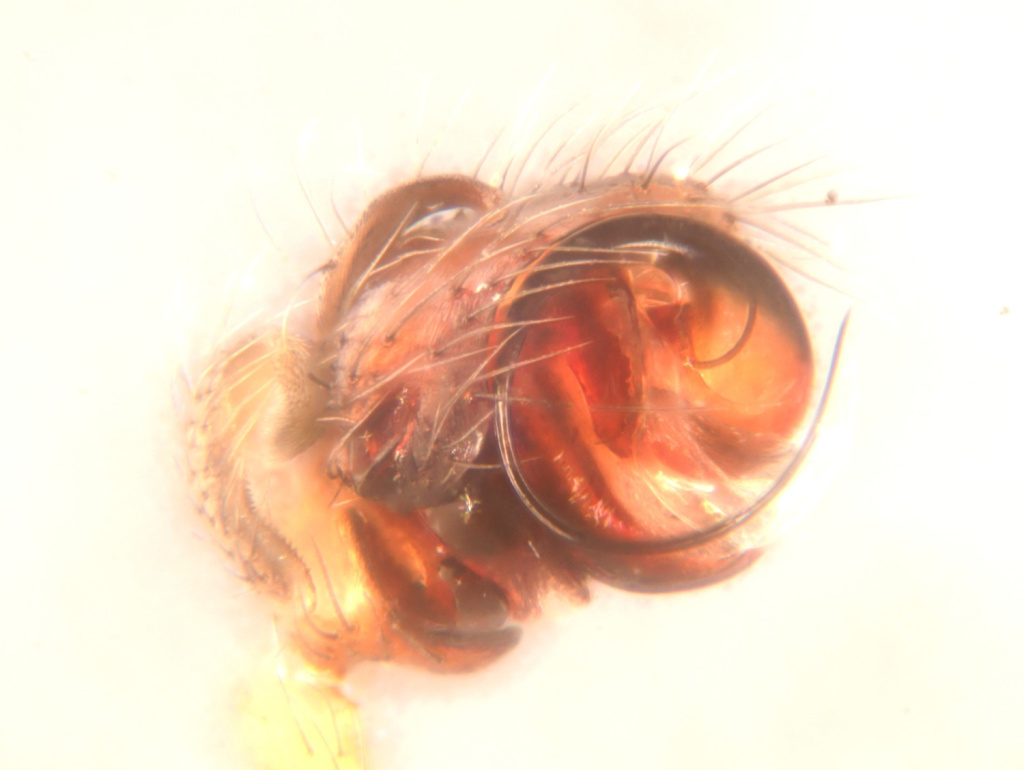
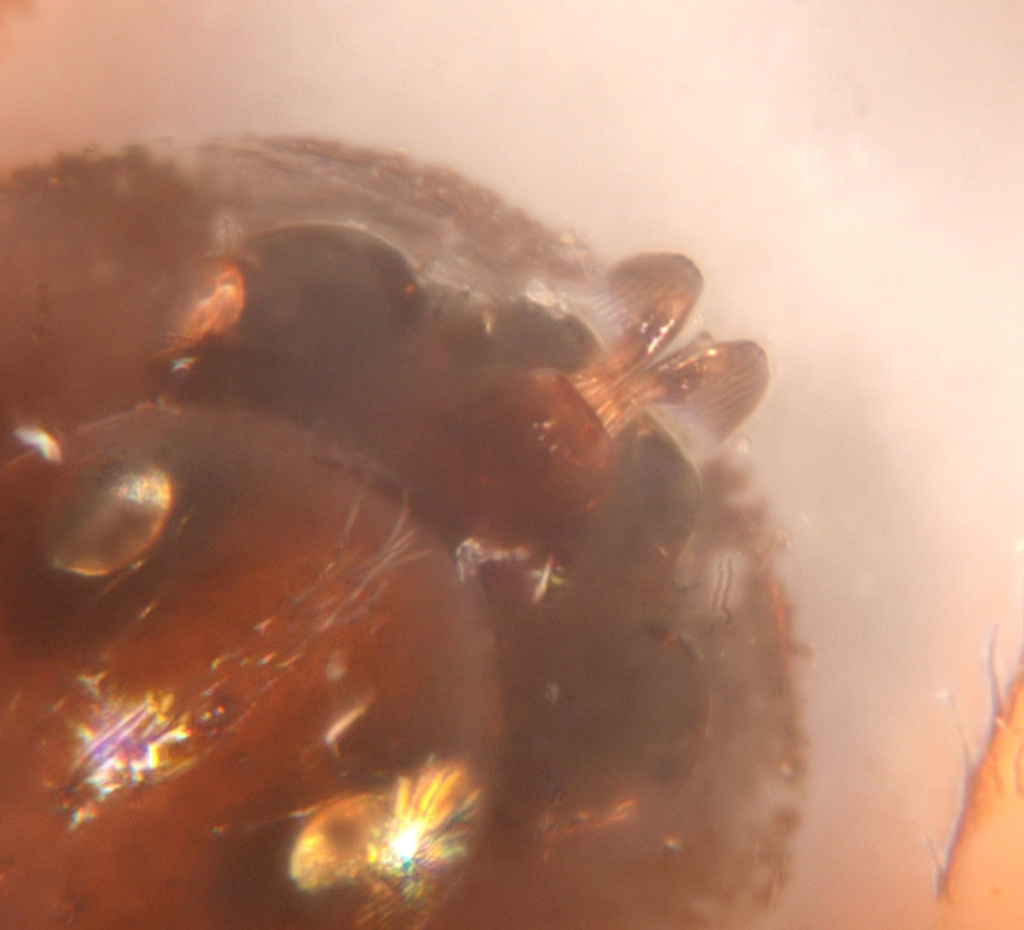
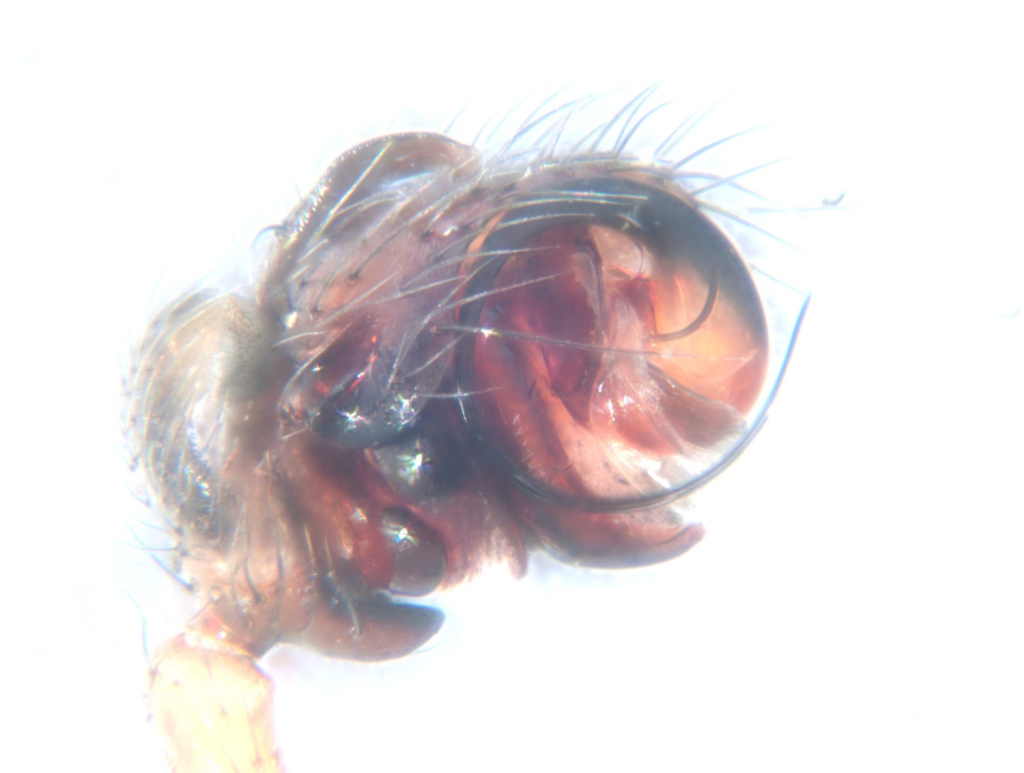
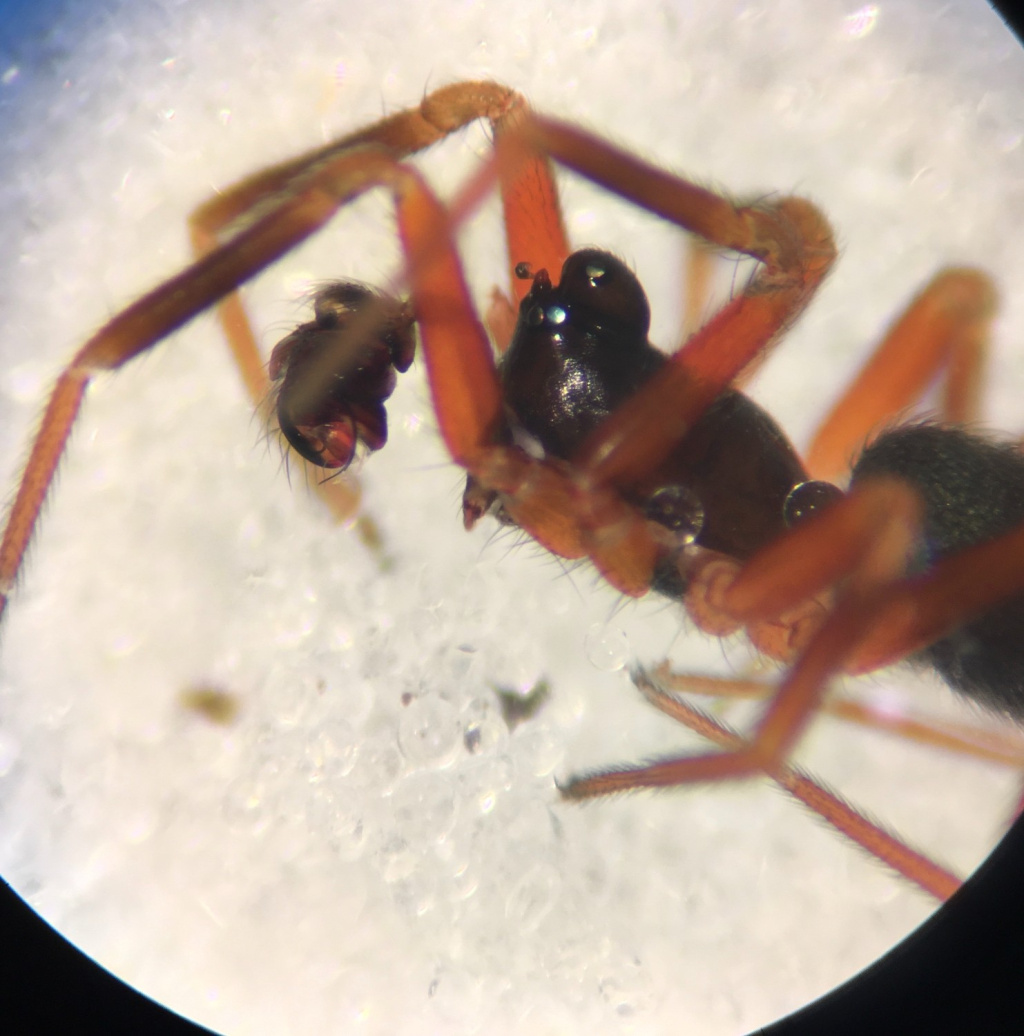
Spatial distribution - hectad map
Click on one of the date ranges in the key to highlight that particular range. Click anywhere else on the map to go back to all three date ranges.
Thresholds:
Move mouse cursor over dot for info
Rejected records are excluded from this map. Unverified records are included.
Temporal distribution - records by year
Records that span more than one year are not included in this chart.
Temporal distribution - records by week
__