
Species Details
- Species name
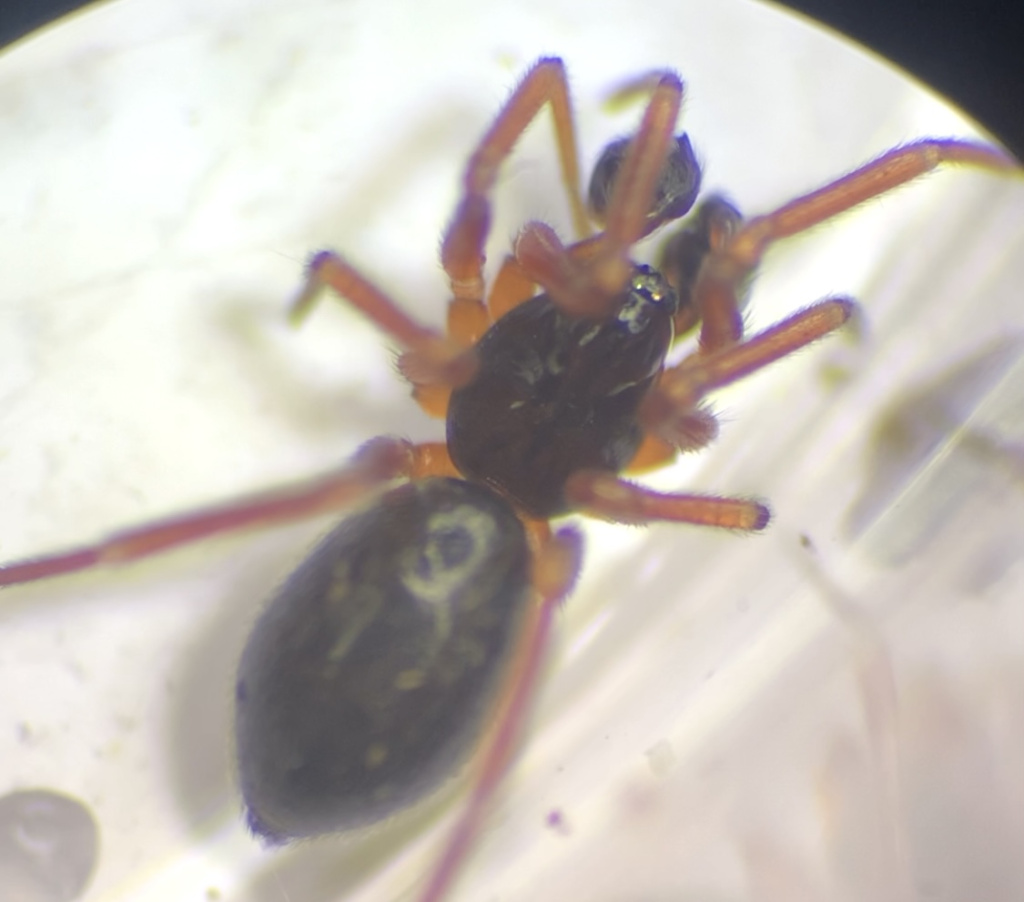
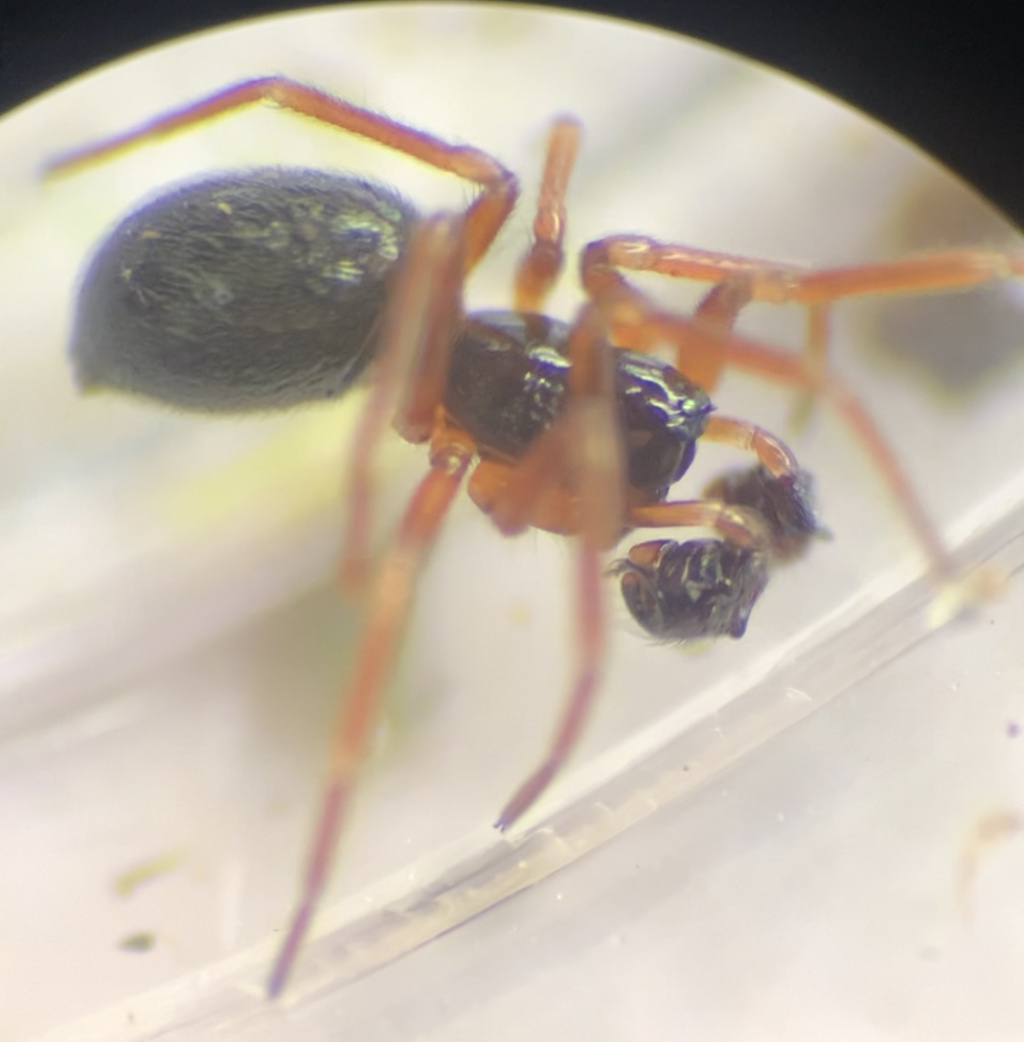
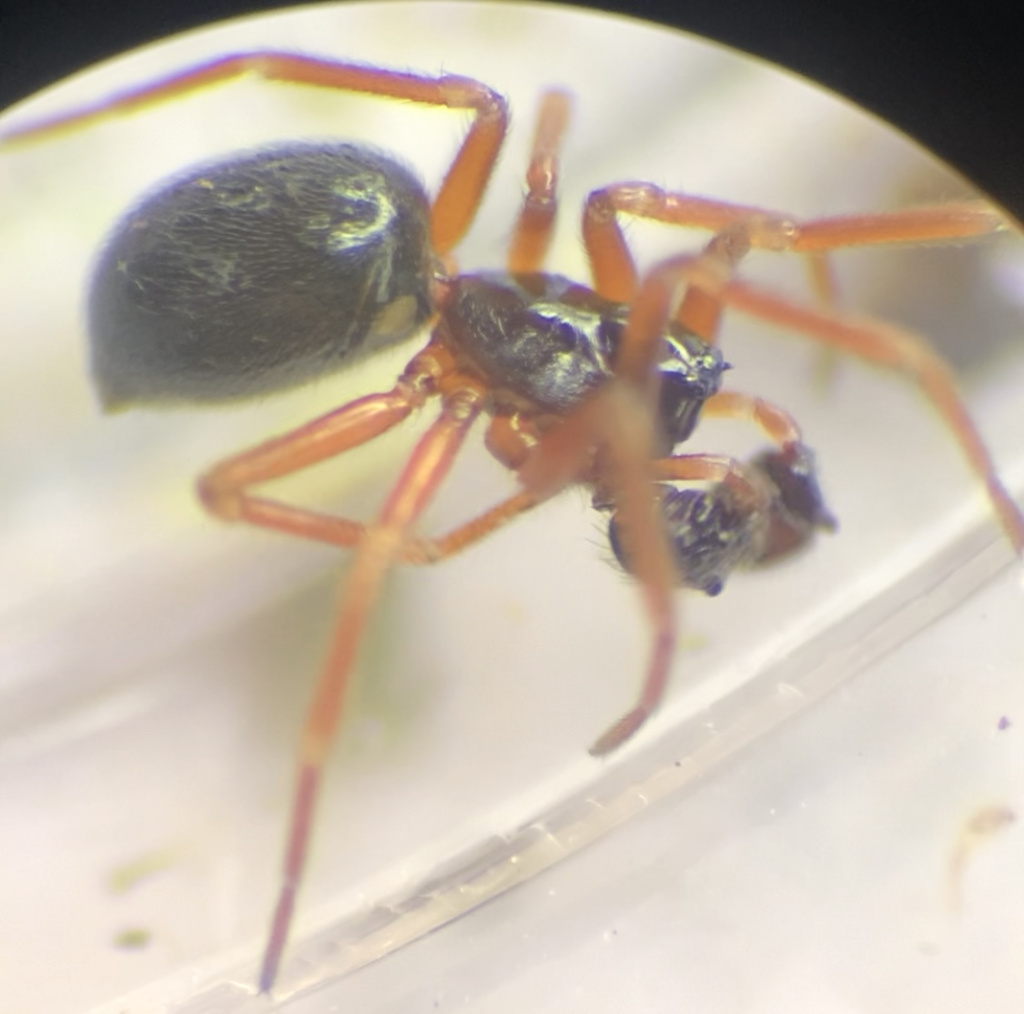
- Walckenaeria cuspidata Blackwall, 1833
- Synonyms
- Walckenaera cuspidata Blackwall, 1833, Cornicularia cuspidata (Blackwall, 1833)
- Taxonomy
- Animalia :: Araneae :: Linyphiidae
Distribution
The species is widespread throughout most of Britain. It has a Palaearctic Distribution: and is widespread in north-western and central Europe.Habitat and ecology
The spider occurs in a variety of habitats, from moss and detritus in woods, to open country, and on mountains. Merrett (1969) states that females are probably active for most of the year and males from February to July with a peak of activity in March and April. Our data show that adults have been recorded throughout the year, with a male peak in spring and early summer, and a smaller peak in the autumn.Status
Locally common. Original author of profile: D.R. Nellist Text based on Harvey, P.R., Nellist, D.R. & Telfer, M.G. (eds) 2002. Provisional atlas of British spiders (Arachnida, Araneae), Volumes 1 & 2. Huntingdon: Biological Records Centre.Stats
- First recorded
- 1858
- Last recorded
- 2025
- Total records
- 2,692
- Total visits
- 2,620
Conservation status
Walckenaeria cuspidata
| Source | Reporting category | Designation | Date designated | Comments |
|---|---|---|---|---|
| A Review of the scarce and threatened spiders (Araneae) of Great Britain: Species Status No. 22 (Sep 2017) | Red listing based on 2001 IUCN guidelines | Least concern | 42979 |
Photos and media
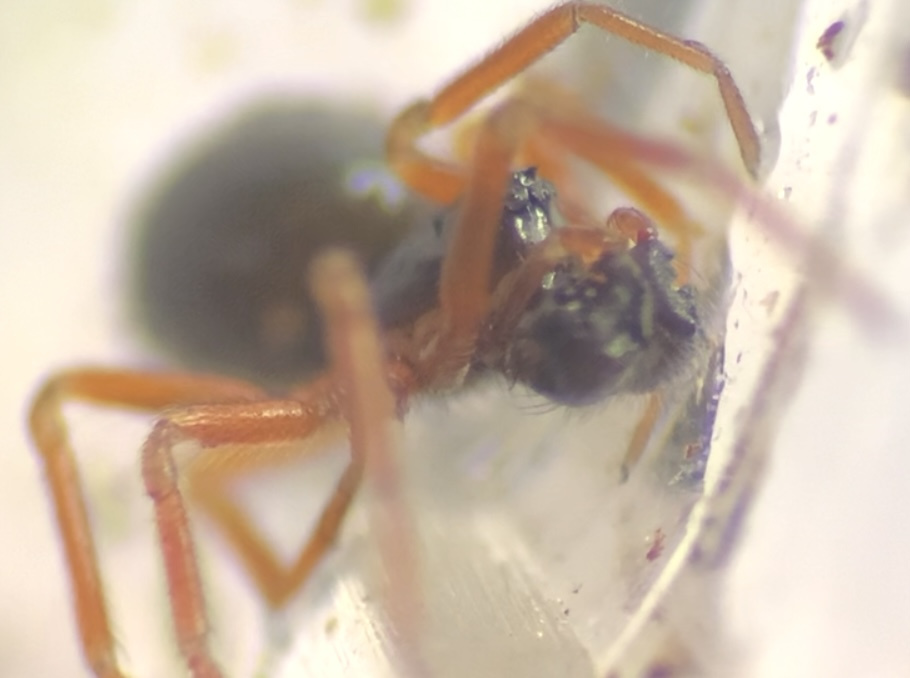
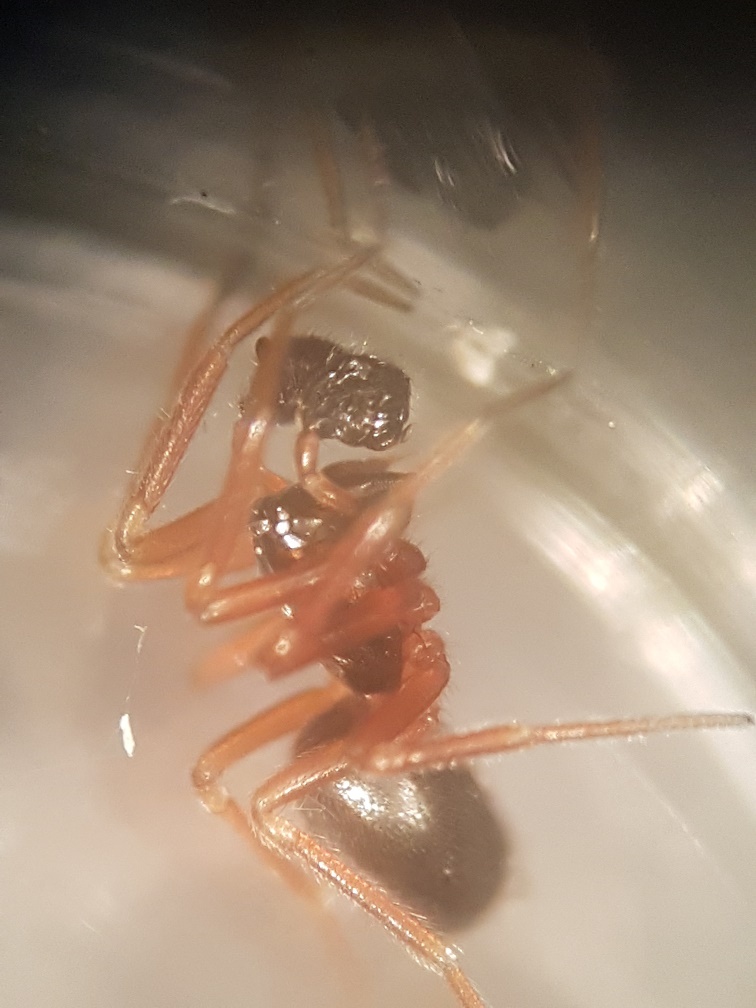
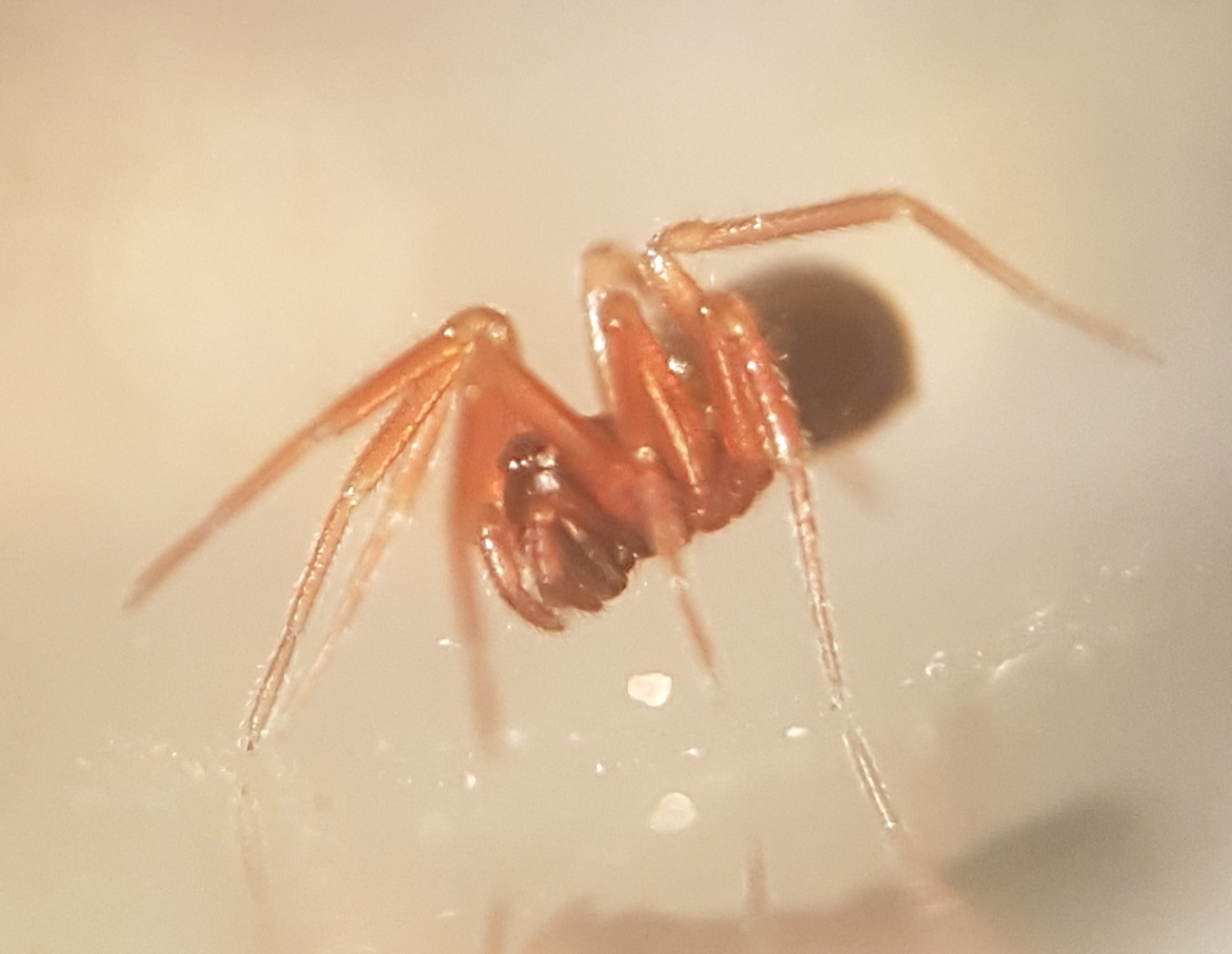
Spatial distribution - hectad map
Click on one of the date ranges in the key to highlight that particular range. Click anywhere else on the map to go back to all three date ranges.
Thresholds:
Move mouse cursor over dot for info
Rejected records are excluded from this map. Unverified records are included.
Temporal distribution - records by year
Records that span more than one year are not included in this chart.
Temporal distribution - records by week
__