
Species Details
- Species name
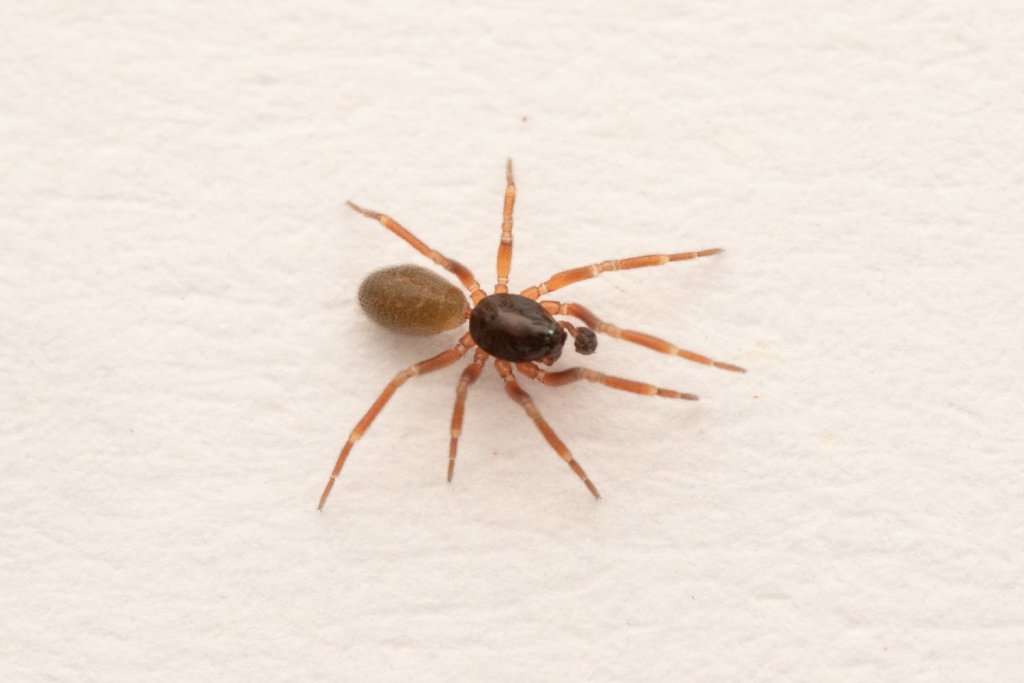
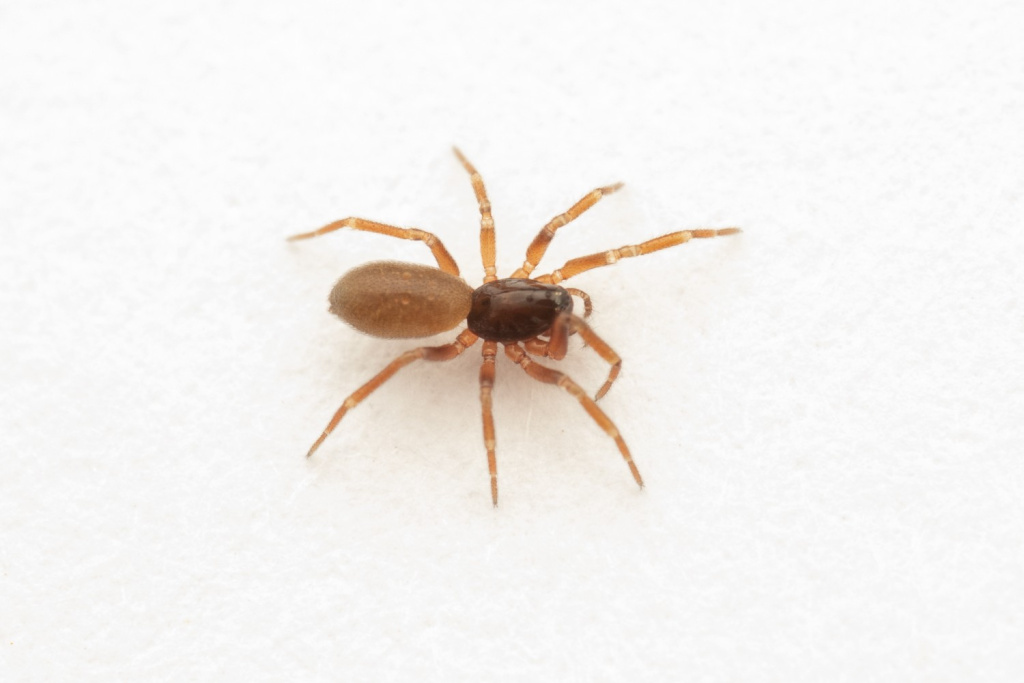
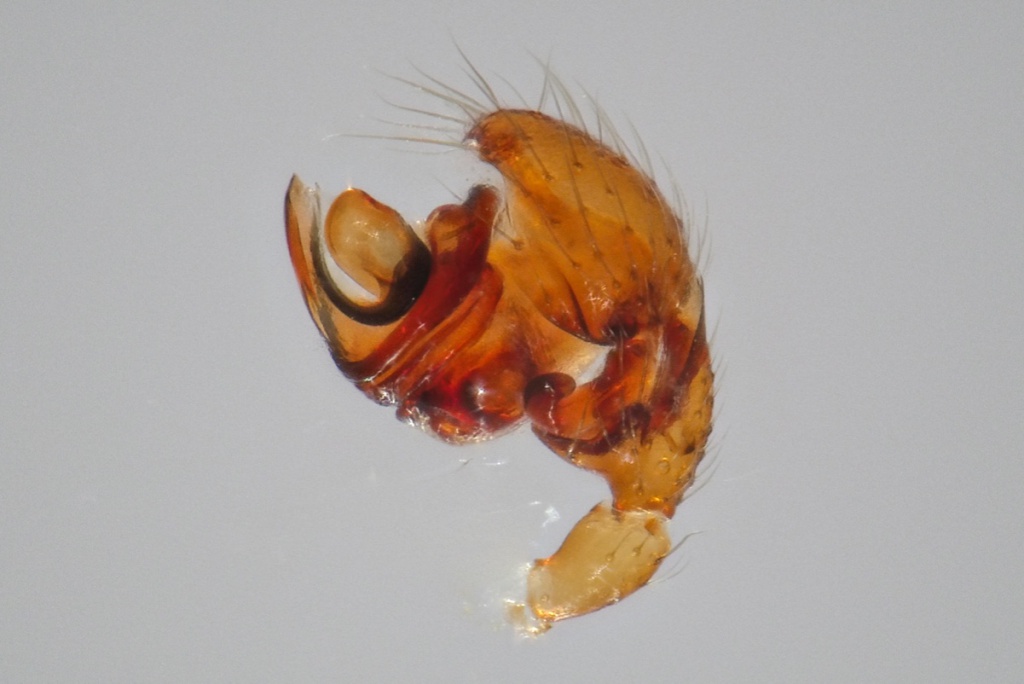
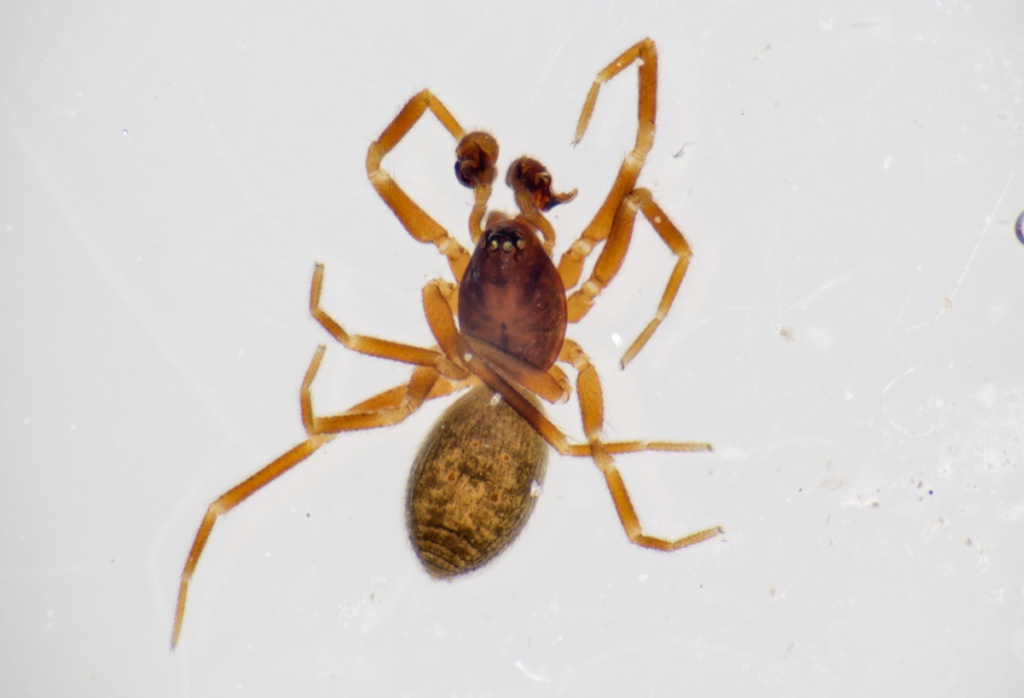
- Walckenaeria dysderoides (Wider, 1834)
- Synonyms
- Wideria fugax (O.P.-Cambridge, 1871), Walckenaera dysderoides (Wider, 1834)
- Taxonomy
- Animalia :: Araneae :: Linyphiidae
- tall sward & scrub
Distribution
The species is widespread in England but with few scattered records in Wales and Scotland. It is widespread in north-western and central Europe.Habitat and ecology
The spider is found on southern heathlands, especially in open, stony areas, but has also been recorded in pine needles and moss in woodlands, and on both acidic and calcareous grassland. Adults have been recorded throughout the year with most males between May and July.Status
Although widely distributed in the southern half of Britain, it is generally uncommon. The species has apparently shown a long-term decline, with a reduction of 50% in the number of 10 km squares occupied over the past 30 years.Threats
Loss of heathland and calcareous grassland to agriculture and urban development are potential causes of decline. However, given the range of habitats it occurs in, it is difficult to understand the reasons for this species’ decline in recent years.Management and conservation
Protect remaining heathland and calcareous grassland sites from loss due to agriculture, forestry and urban development. Further research is required into the ecology of this species before precise management recommendations can be made. Text based on Dawson, I.K., Harvey, P.R., Merrett, P. & Russell-Smith, A.R. (in prep.).Stats
- First recorded
- 1900
- Last recorded
- 2024
- Total records
- 479
- Total visits
- 476
Conservation status
Walckenaeria dysderoides
| Source | Reporting category | Designation | Date designated | Comments |
|---|---|---|---|---|
| A Review of the scarce and threatened spiders (Araneae) of Great Britain: Species Status No. 22 (Sep 2017) | Red data categories - spiders (not based on IUCN criteria) | Spider Amber List | 42979 | |
| A Review of the scarce and threatened spiders (Araneae) of Great Britain: Species Status No. 22 (Sep 2017) | Red listing based on 2001 IUCN guidelines | Least concern | 42979 | Part of the apparently susbtantial decline in this species may be a result of under-recording of southern heathland in recent years; it is not currently thought to be threatened. Threats: Loss of heathland and calcareous grassland to agriculture and urban development are potential causes of decline. However, given the range of habitats it occurs in, it is difficult to understand the reasons for this species’ decline in recent years. |
| A Review of the scarce and threatened spiders (Araneae) of Great Britain: Species Status No. 22 (Sep 2017) | Rare and scarce species | Nationally Scarce. Includes Red Listed taxa | 42979 | Threats: Loss of heathland and calcareous grassland to agriculture and urban development are potential causes of decline. However, given the range of habitats it occurs in, it is difficult to understand the reasons for this species’ decline in recent years. |
Photos and media
Spatial distribution - hectad map
Click on one of the date ranges in the key to highlight that particular range. Click anywhere else on the map to go back to all three date ranges.
Thresholds:
Move mouse cursor over dot for info
Rejected records are excluded from this map. Unverified records are included.
Temporal distribution - records by year
Records that span more than one year are not included in this chart.
Temporal distribution - records by week
__