
Species page
Species Details
- Species name
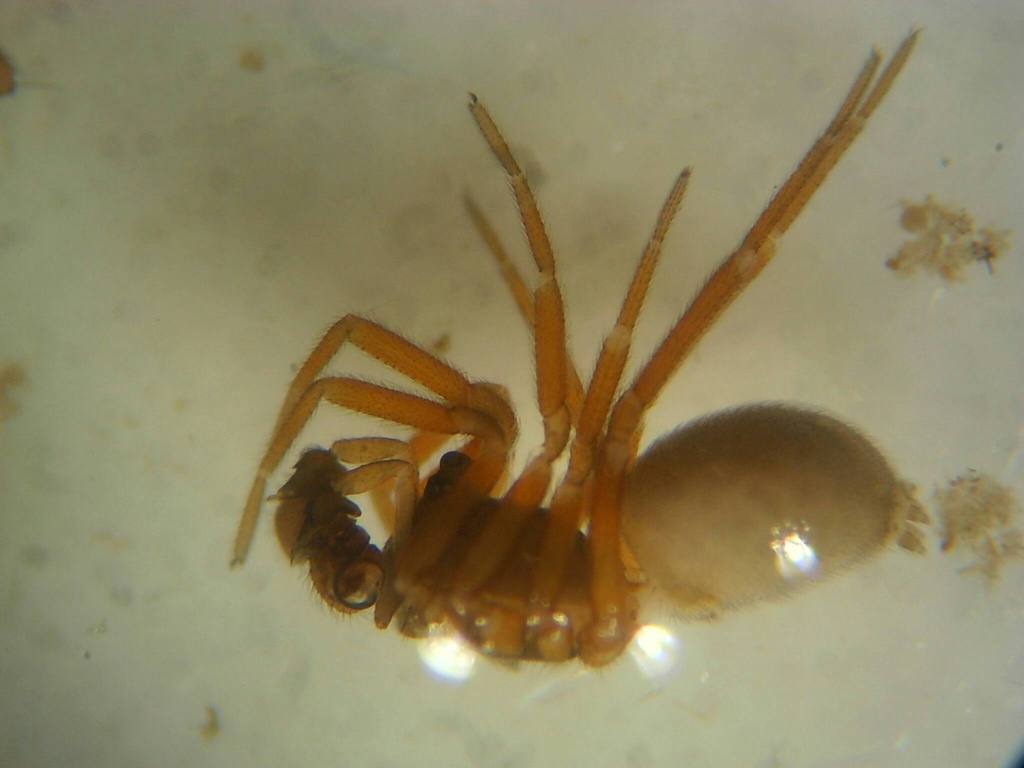
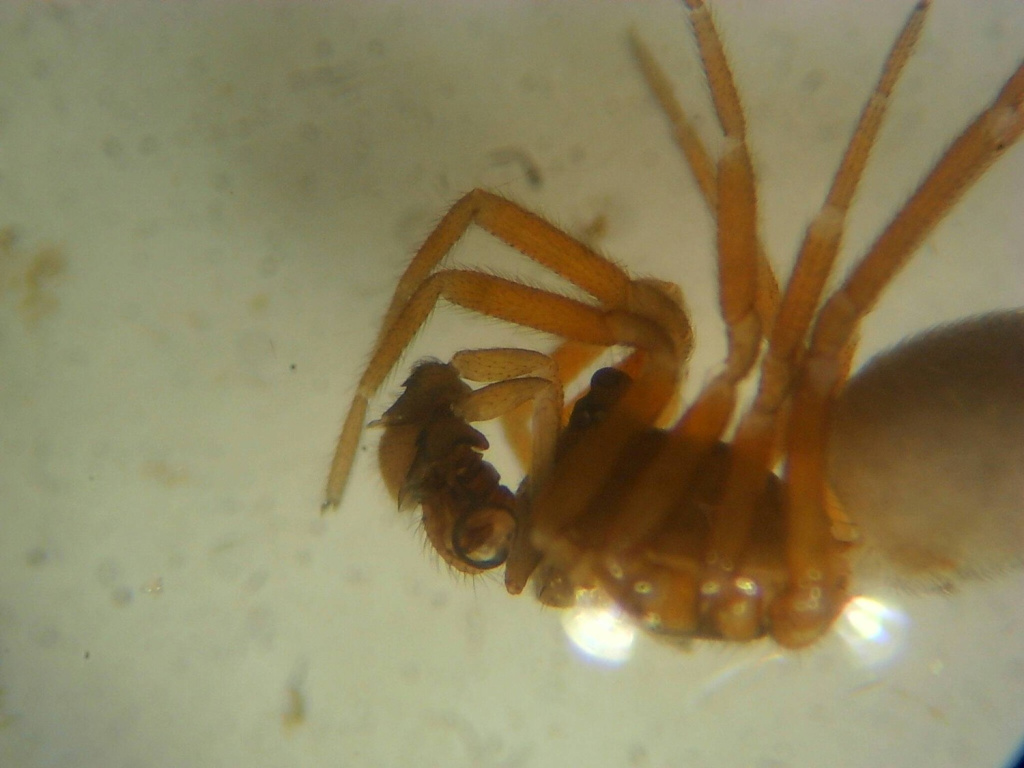
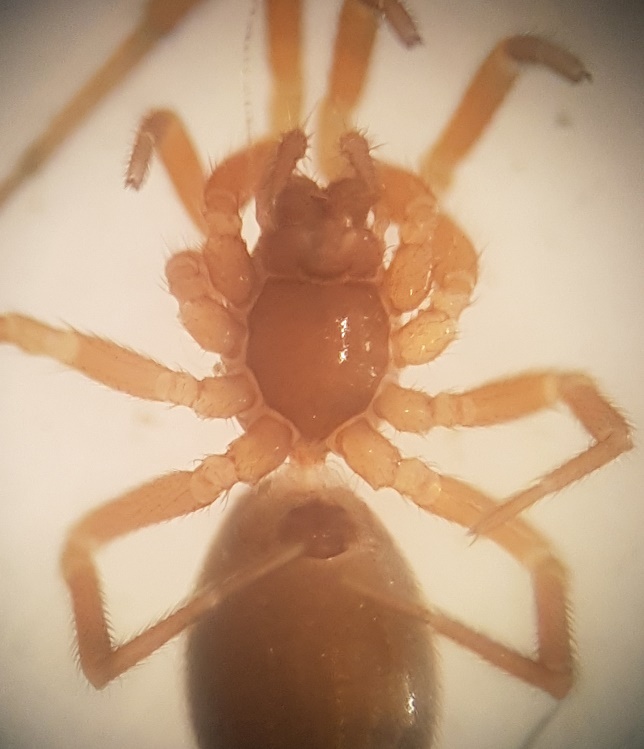
- Walckenaeria nodosa O.P.-Cambridge, 1873
- Synonyms
- Walckenaeria jucundissima (O.P.-Cambridge), Walckenaera nodosa O.P.-Cambridge, 1873, Wideria nodosa (O.P.-Cambridge, 1873)
- Taxonomy
- Animalia :: Araneae :: Linyphiidae
- acid & sedge peats
Distribution
The species is widespread in Britain, but absent from much of southern and central England. It is a Palaearctic species widespread in northern and central Europe.Habitat and ecology
W. nodosa is found in moss in woods and marshes and may be locally frequent in lowland bogs and damp heathland in the south of England. Limited data suggest adults occur in the autumn, winter and spring.Status
The spider is uncommon throughout Britain and has shown an apparent long-term decline in most areas. Currently, it appears to be most widespread in Wales and Scotland.Threats
Drainage of lowland bogs and destruction of heathland for agriculture and urban development represent potential threats. However, the species has a wide habitat preference and the reasons for the recent decline are not at all clear.Management and conservation
Prevent drainage of lowland bogs and further loss of heathland to agriculture and urban development. More needs to be learnt of the ecology of this species before firm management recommendations can be made. Text based on Dawson, I.K., Harvey, P.R., Merrett, P. & Russell-Smith, A.R. (in prep.).Stats
- First recorded
- 1850
- Last recorded
- 2026
- Total records
- 669
- Total visits
- 658
Conservation status
Walckenaeria nodosa
| Source | Reporting category | Designation | Date designated | Comments |
|---|---|---|---|---|
| A Review of the scarce and threatened spiders (Araneae) of Great Britain: Species Status No. 22 (Sep 2017) | Red data categories - spiders (not based on IUCN criteria) | Spider Amber List | 42979 | |
| A Review of the scarce and threatened spiders (Araneae) of Great Britain: Species Status No. 22 (Sep 2017) | Red listing based on 2001 IUCN guidelines | Least concern | 42979 | Part of the apparent decline may be a result of under-recording of southern English heathlands and the Welsh peatlands in recent years. This species is not currently thought to be threatened. Threats: Drainage of lowland bogs and destruction of heathland for agriculture and urban development represent potential threats. However, the species has a wide habitat preference and the reasons for the recent decline are not at all clear. |
| A Review of the scarce and threatened spiders (Araneae) of Great Britain: Species Status No. 22 (Sep 2017) | Rare and scarce species | Nationally Scarce. Includes Red Listed taxa | 42979 | Threats: Drainage of lowland bogs and destruction of heathland for agriculture and urban development represent potential threats. However, the species has a wide habitat preference and the reasons for the recent decline are not at all clear. |
Photos and media
__