
Species Details
- Species name
- Xysticus acerbus Thorell, 1872
- Taxonomy
- Animalia :: Araneae :: Thomisidae
- tall sward & scrub
Distribution
There are scattered records in the south. The species is widespread in western and central Europe, but is absent from Scandinavia and has not been recorded from Ireland.Habitat and ecology
The spider occurs in a fairly wide range of grassland habitats, chalk or limestone grassland in Dorset, Hampshire and Somerset, short meadow grassland in Sussex and Glamorgan and sand dunes at Braunton Burrows (Devon). It has also been found on heathland and coastal under-cliff in Dorset. In 2005 numerous juveniles were found at a washlands in South Essex, with one adult being reared through. Both sexes are adult in April and May.Status
The spider appears to be very local and at most sites only a few specimens have been found, but there now seems to be an increase in distribution and frequency happening, at least in some areas.Threats
Threats are difficult to assess because of its varied habitats, but the loss of unimproved grassland in general is likely to be detrimental.Management and conservation
Maintain unimproved calcareous and other grassland by grazing. Text based on Dawson, I.K., Harvey, P.R., Merrett, P. & Russell-Smith, A.R. (in prep.).Stats
- First recorded
- 1880
- Last recorded
- 2026
- Total records
- 181
- Total visits
- 179
Conservation status
Xysticus acerbus
| Source | Reporting category | Designation | Date designated | Comments |
|---|---|---|---|---|
| A Review of the scarce and threatened spiders (Araneae) of Great Britain: Species Status No. 22 (Sep 2017) | Rare and scarce species | Nationally Rare. Includes Red Listed taxa | 42979 | |
| A Review of the scarce and threatened spiders (Araneae) of Great Britain: Species Status No. 22 (Sep 2017) | Red listing based on 2001 IUCN guidelines | Least concern | 42979 | Significance of the decline in this rare species of southern, dry grassland habitats is uncertain; further targeted survey is needed. Threats: Threats are difficult to assess because of its varied habitats, but the loss of unimproved grassland in general is likely to be detrimental. |
Photos and media

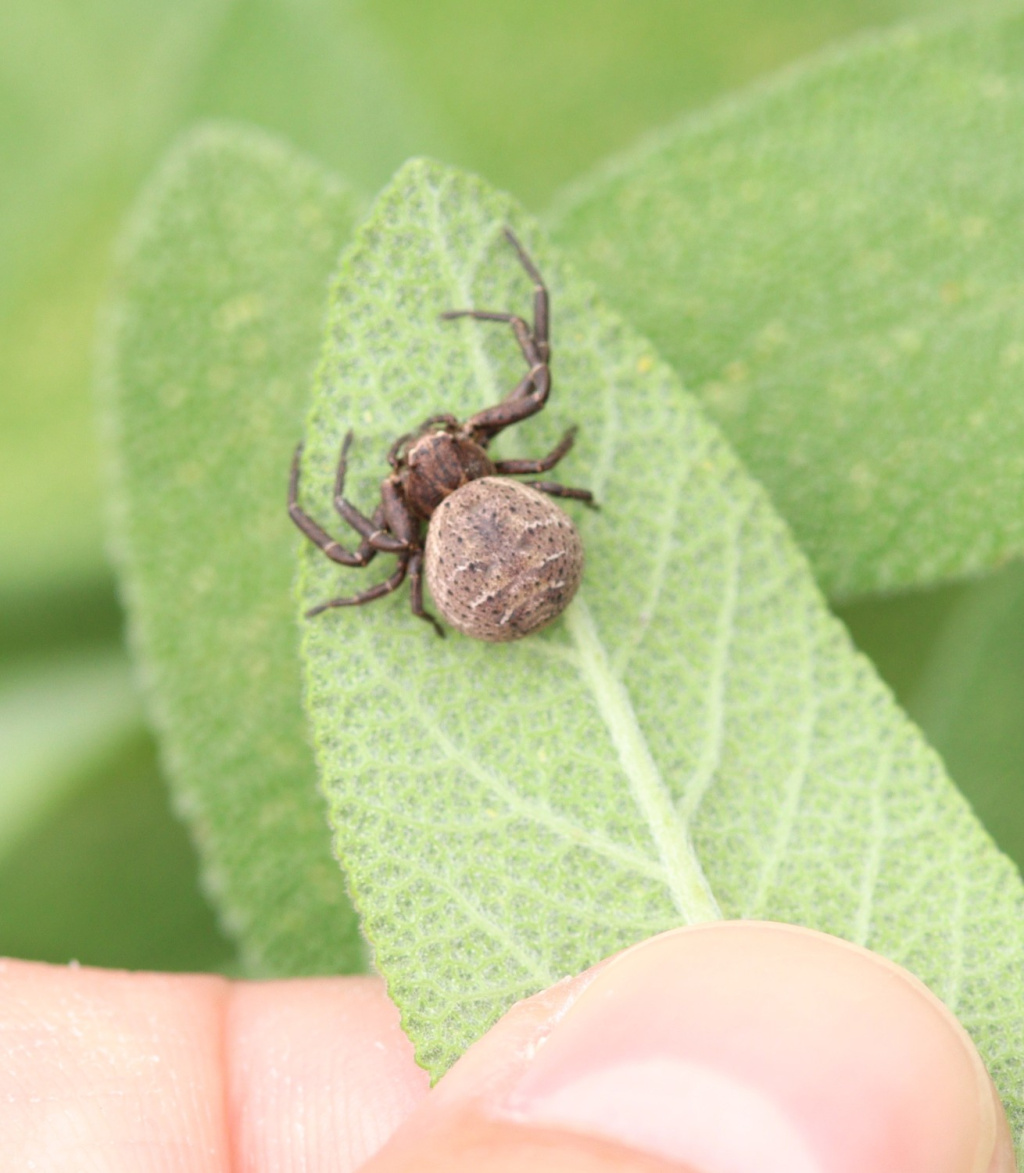


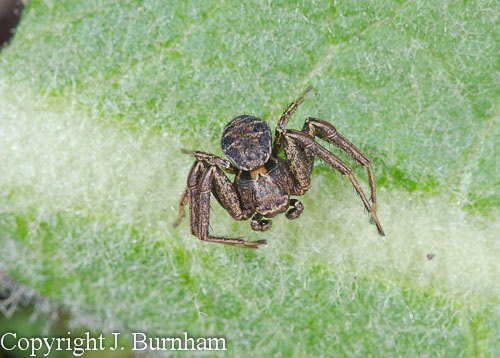
Spatial distribution - hectad map
Click on one of the date ranges in the key to highlight that particular range. Click anywhere else on the map to go back to all three date ranges.
Thresholds:
Move mouse cursor over dot for info
Rejected records are excluded from this map. Unverified records are included.
Temporal distribution - records by year
Records that span more than one year are not included in this chart.
Temporal distribution - records by week
__