
Species Details
- Species name
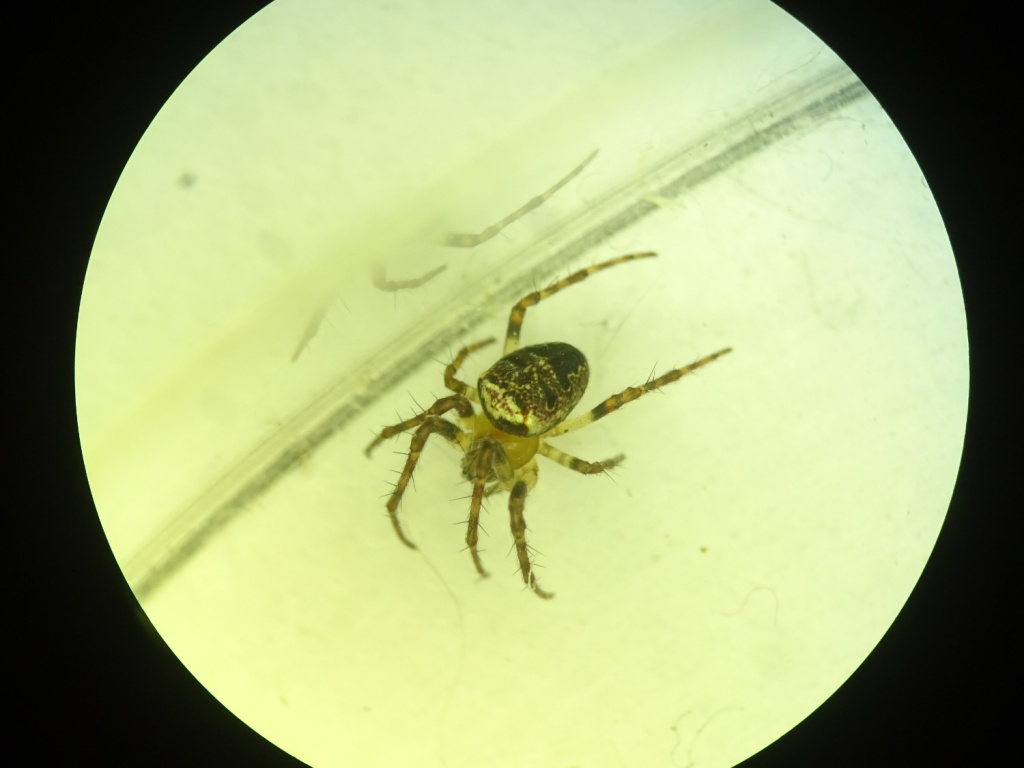
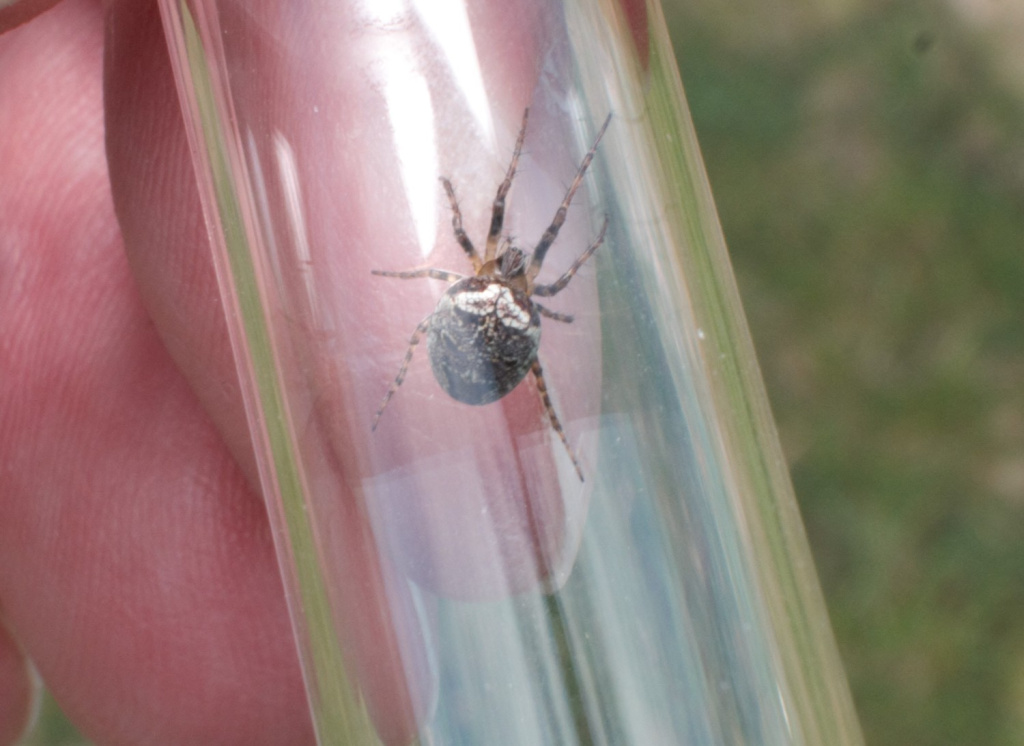
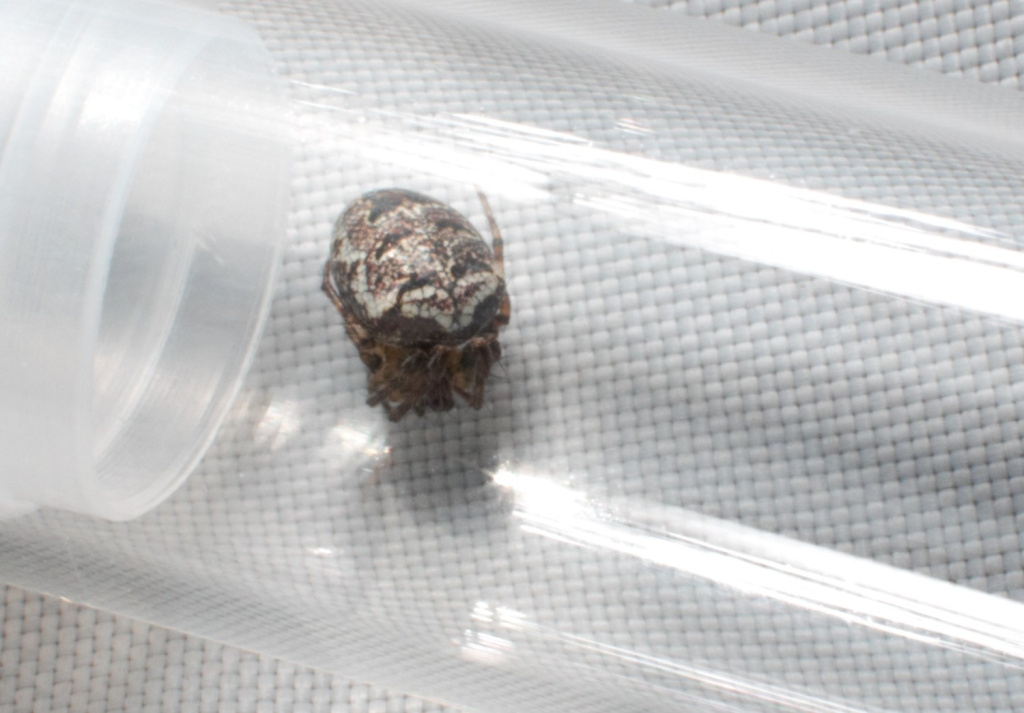
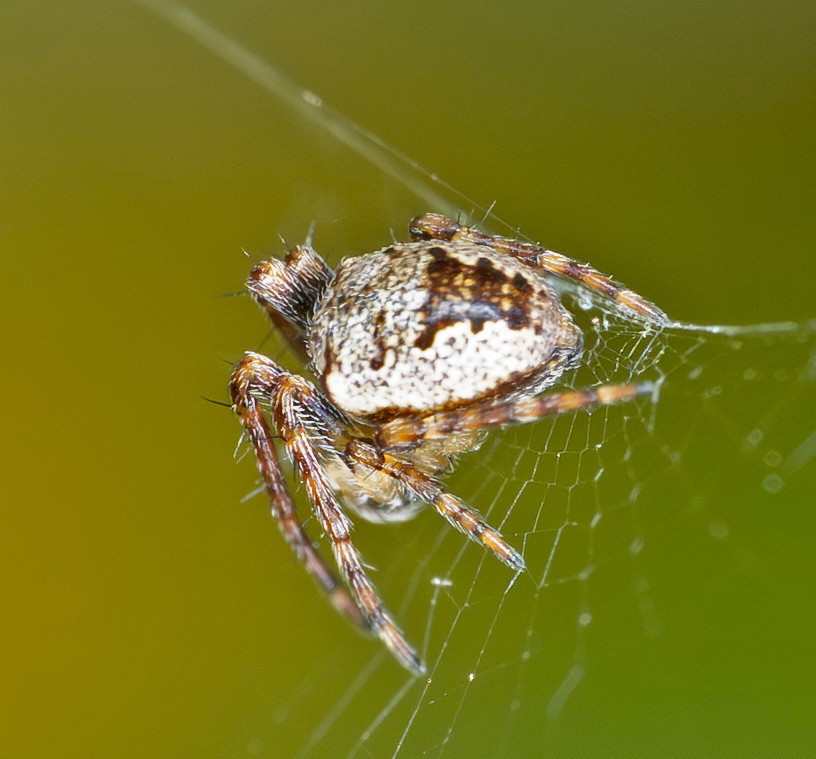
- Zilla diodia (Walckenaer, 1802)
- Synonyms
- Zilla albimacula (Blackwall), Zilla dioidea (Walckenaer), Zilla dioidia (O.P.-Cambridge)
- Taxonomy
- Animalia :: Araneae :: Araneidae
- arboreal
Distribution
The species is confined to the southern half of England. It is widespread in western and central Europe as far north as Sweden. It has not been recorded from Ireland.Habitat and ecology
The spider is found on tall heather, brambles, bushes and the lower branches of trees, usually in sheltered shady places and among scrub on cliffs by the coast. It occurs at the edge of clearings or rides in broad-leaved or mixed woodland, in old hedgerows, green lanes, scrub and sometimes gardens. Forestry plantations often provide suitable habitat, at least in their early stages when heather is still present. Immatures can be beaten out of scrub and hedgerows in late autumn but have also been found in litter at that time of year. Adults of both sexes are mainly found in May and June, with occasional females in July and exceptionally September.Status
The spider is often abundant where found, and is especially frequent in parts of south-east England (Harvey 2000).Threats
Lack of management resulting in the closure of open woodland and the loss of heathland and old hedgerows is probably detrimental. Where arable fields are adjacent to woodland or hedgerows, spray drift from the use of pesticides on crops is likely to affect the survival of this spider. Original author of profile: P.R. Harvey using information in the species account by Merrett (1990). Text based on Harvey, P.R., Nellist, D.R. & Telfer, M.G. (eds) 2002. Provisional atlas of British spiders (Arachnida, Araneae), Volumes 1 & 2. Huntingdon: Biological Records Centre.Stats
- First recorded
- 1853
- Last recorded
- 2026
- Total records
- 2,077
- Total visits
- 2,045
Conservation status
Zilla diodia
| Source | Reporting category | Designation | Date designated | Comments |
|---|---|---|---|---|
| A Review of the scarce and threatened spiders (Araneae) of Great Britain: Species Status No. 22 (Sep 2017) | Red listing based on 2001 IUCN guidelines | Least concern | 42979 | Threats: Lack of management resulting in the closure of open woodland and the loss of heathland and old hedgerows is probably detriment |
Photos and media
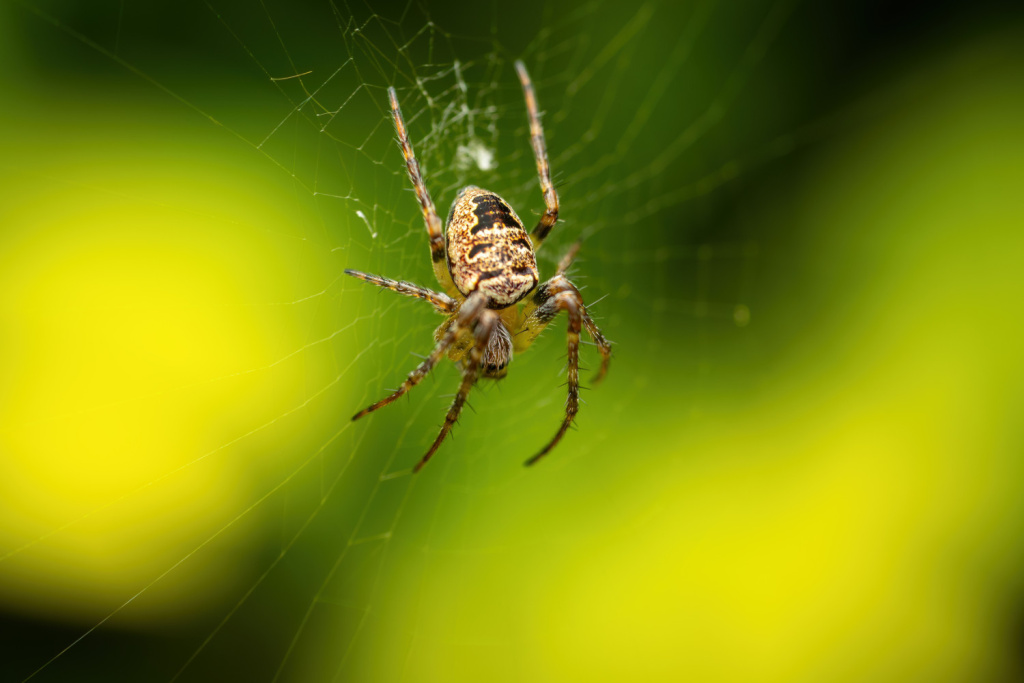
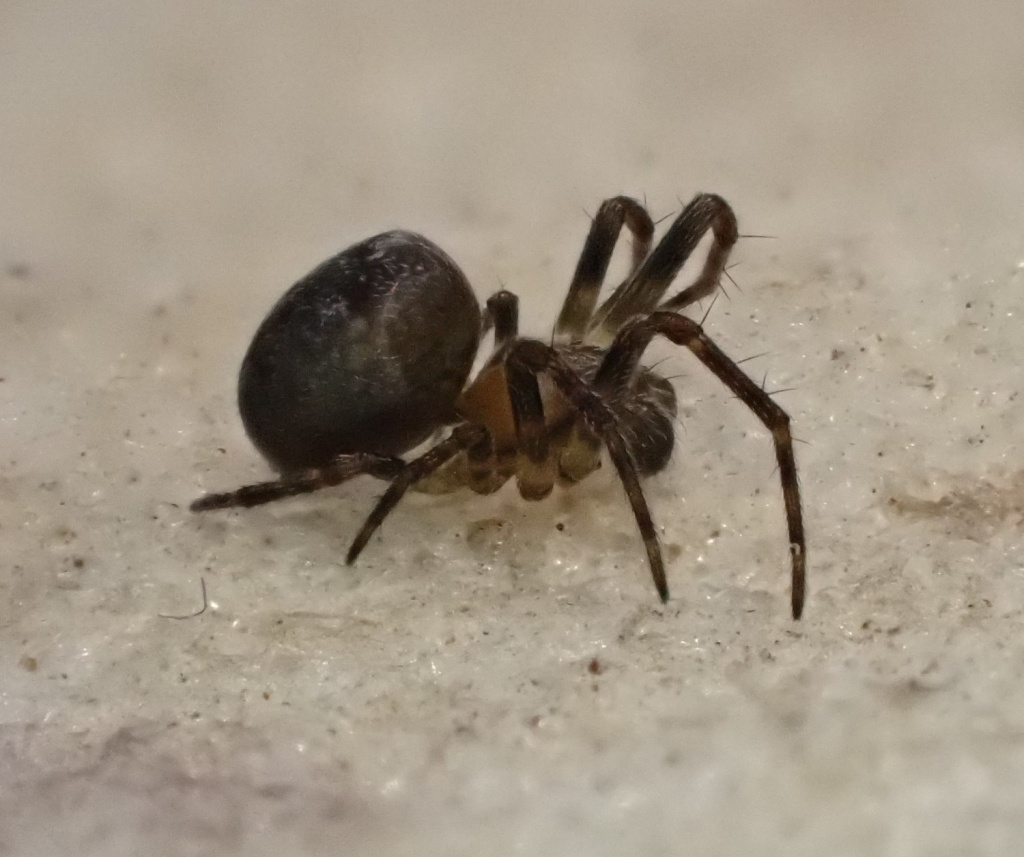
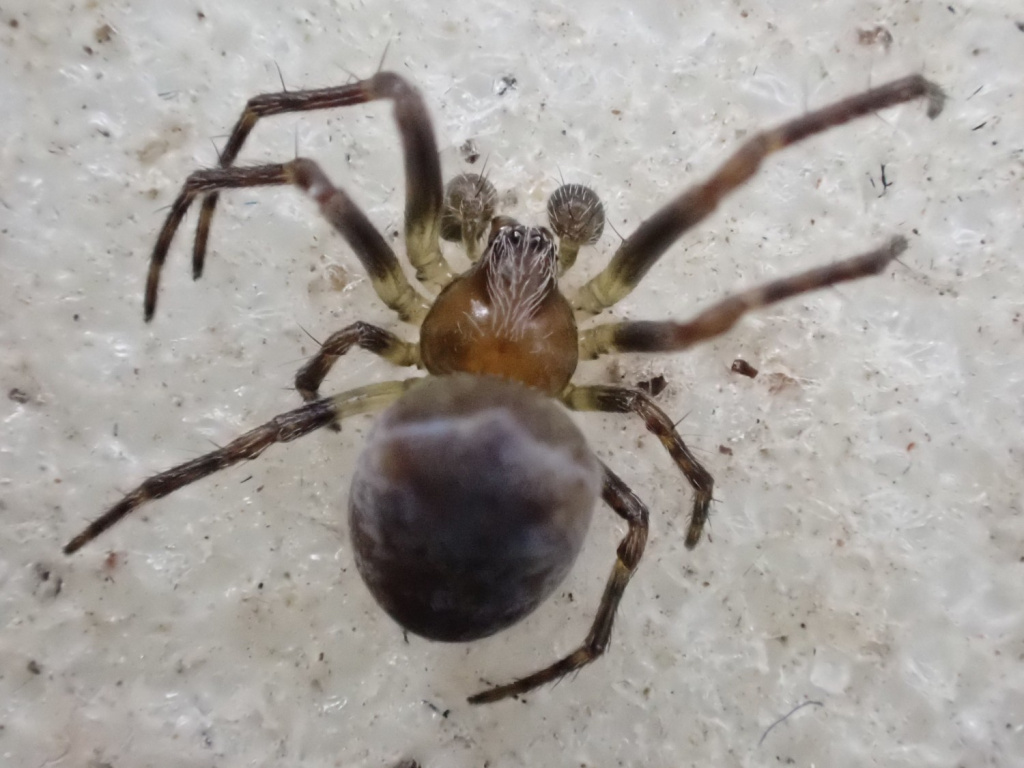
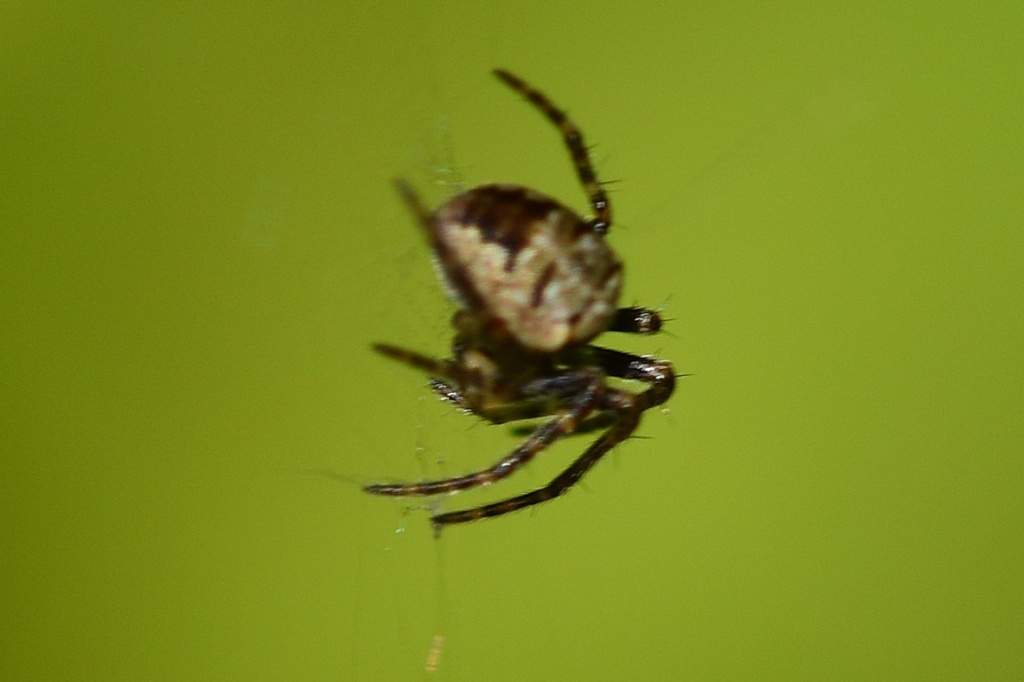
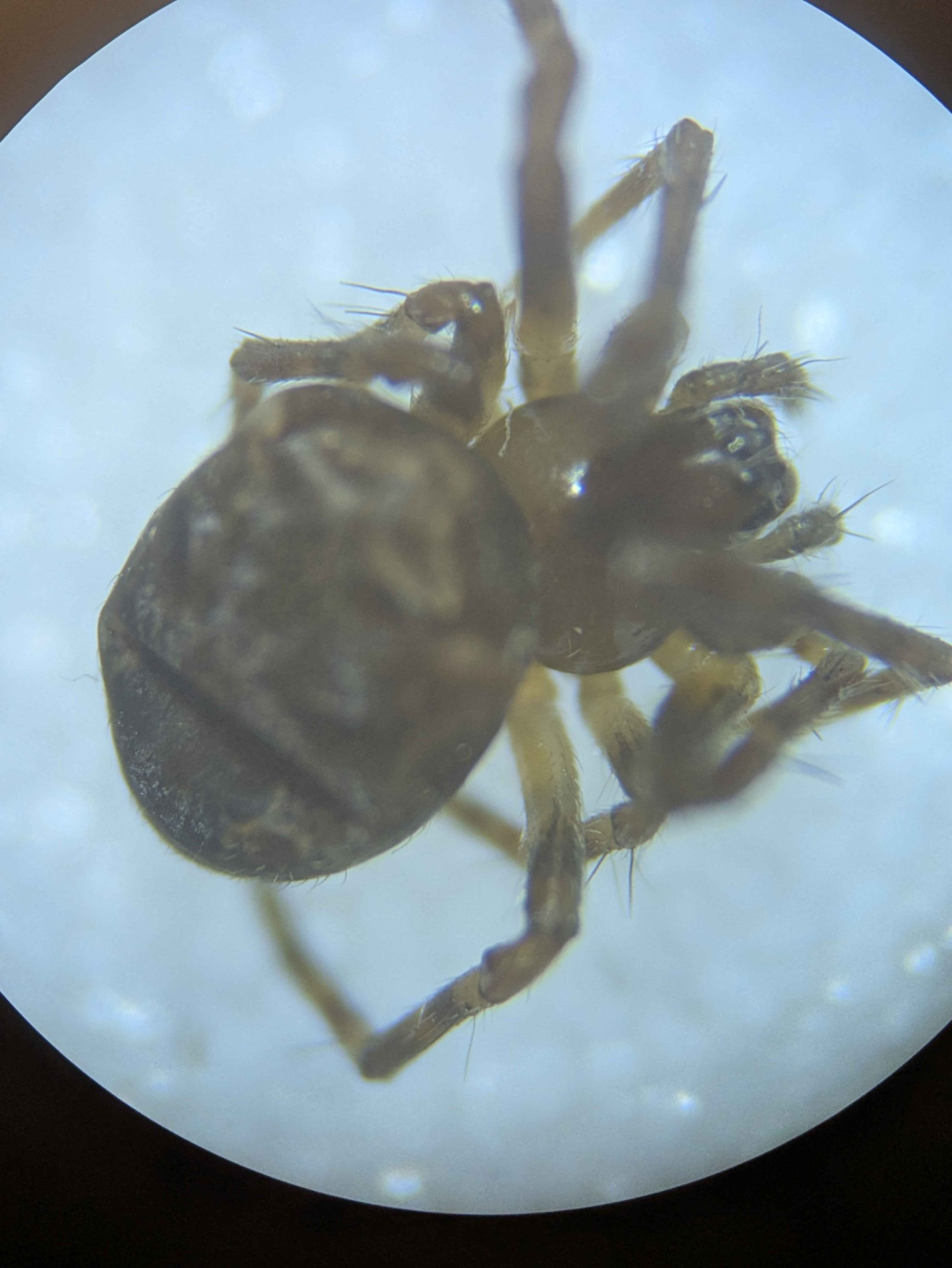
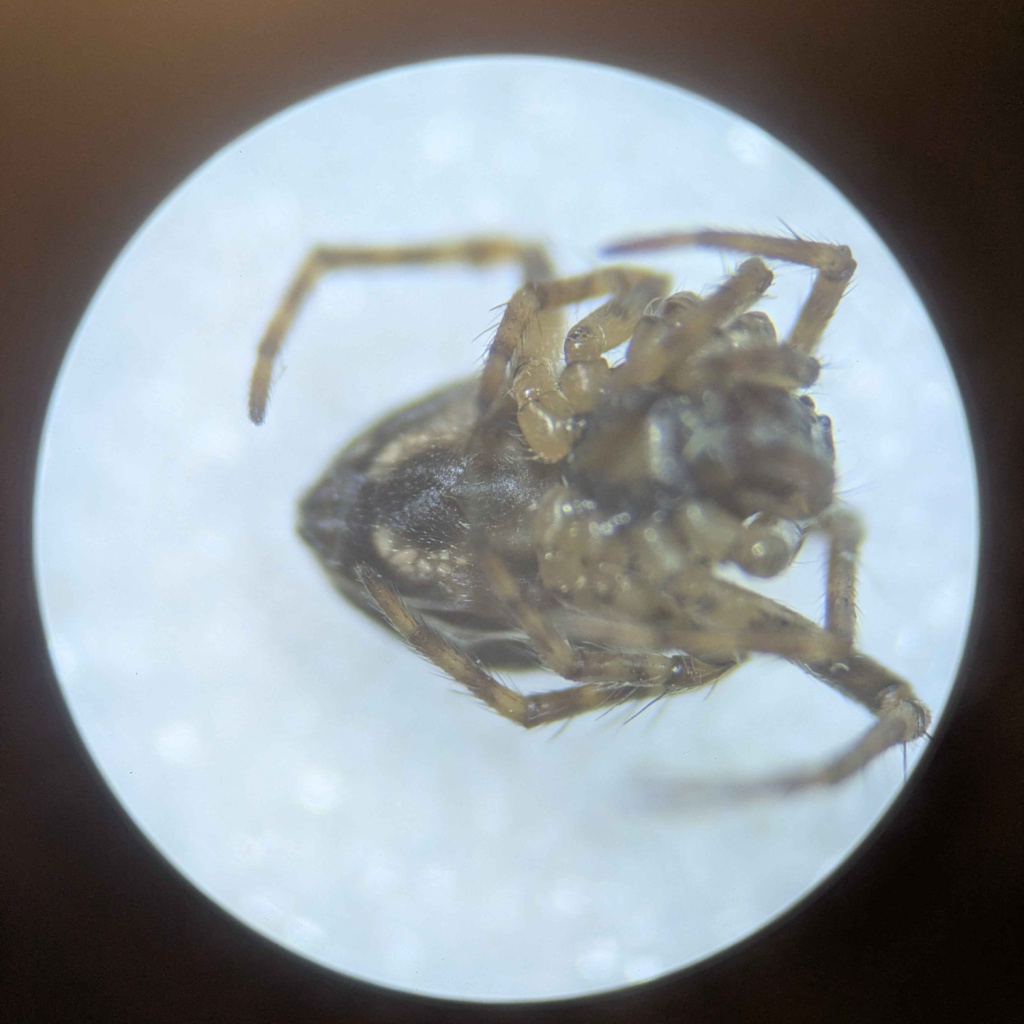
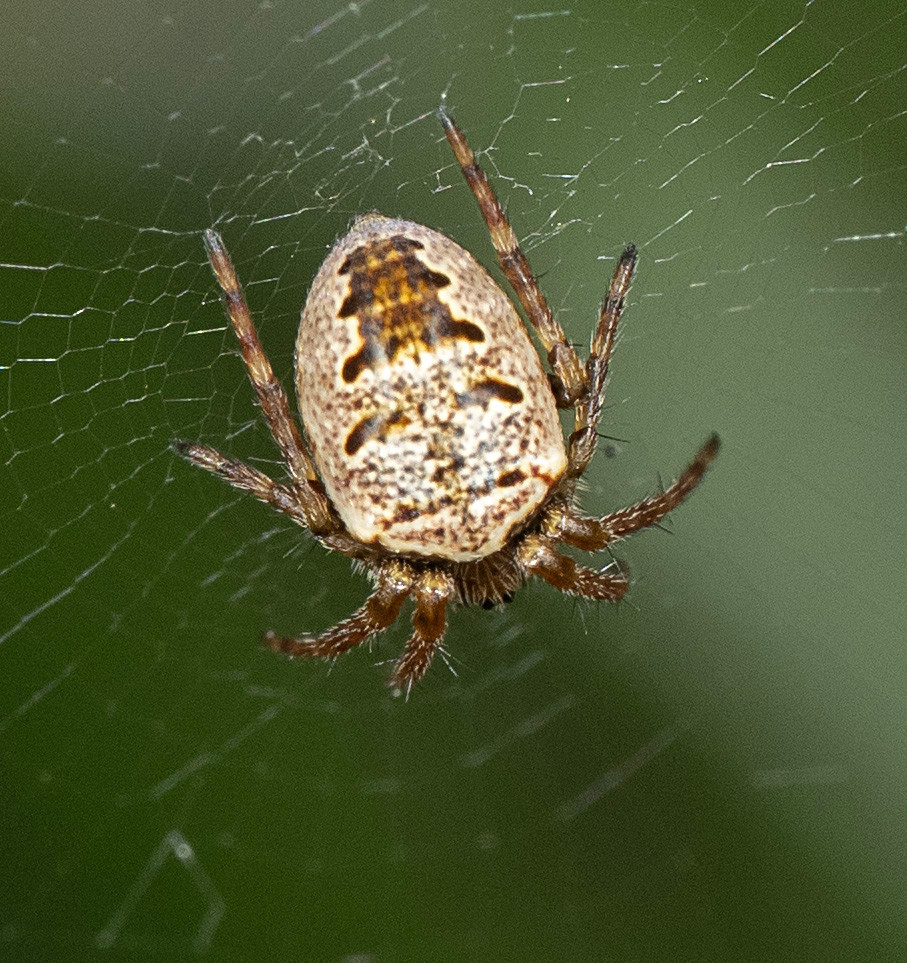
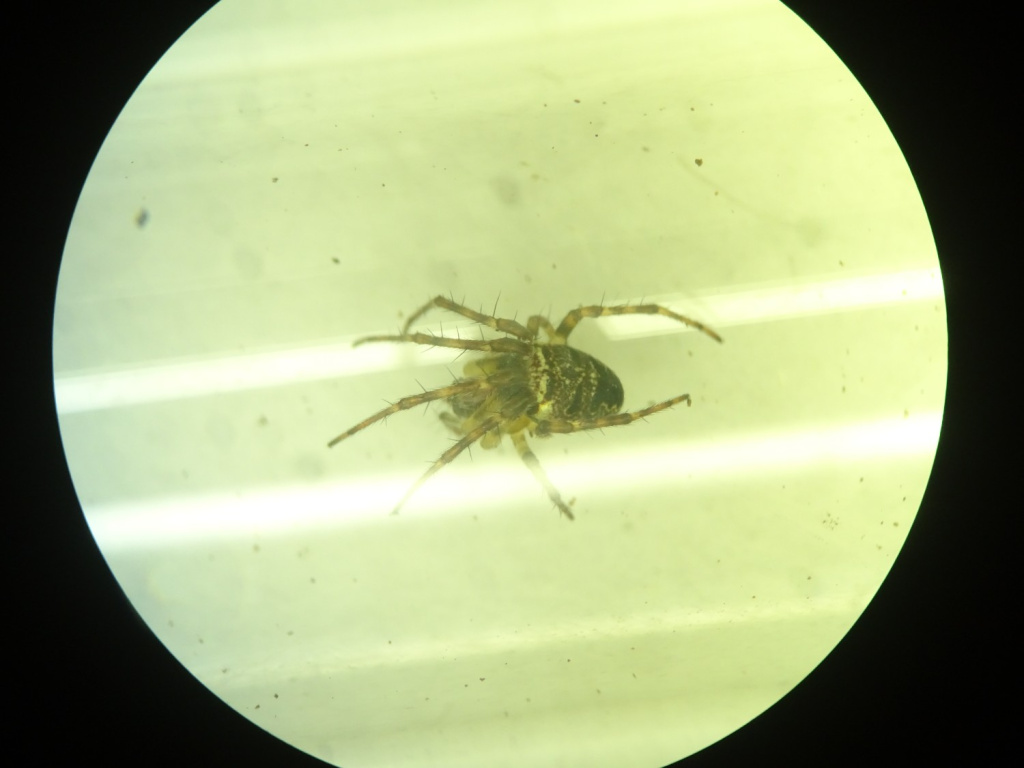
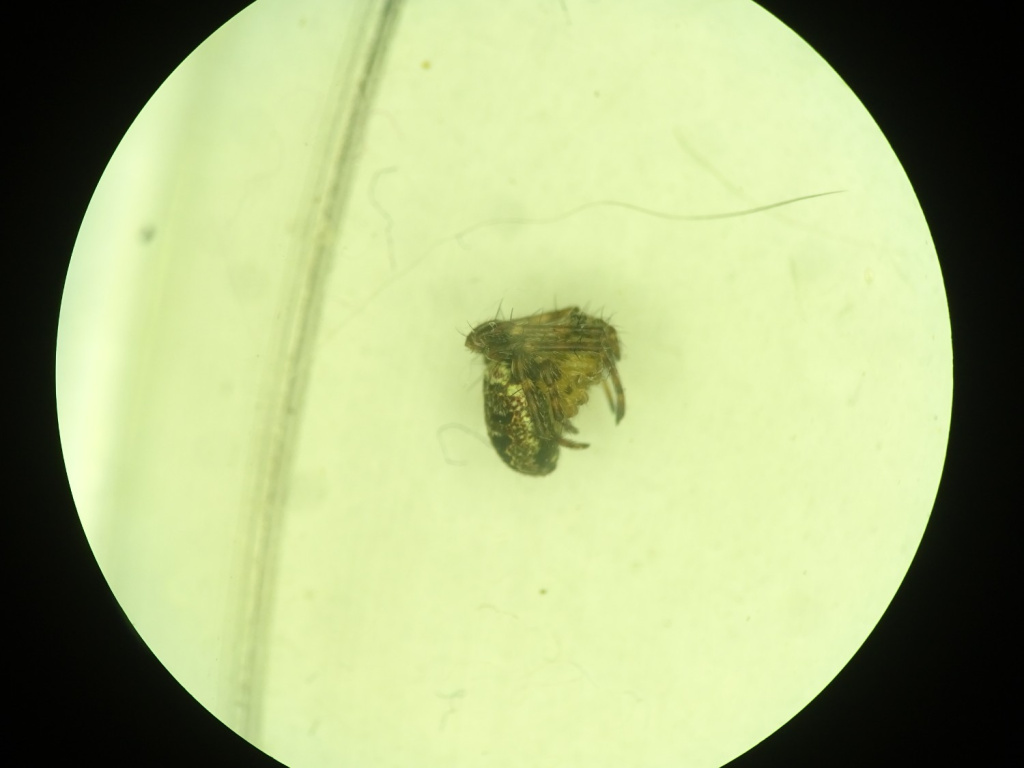
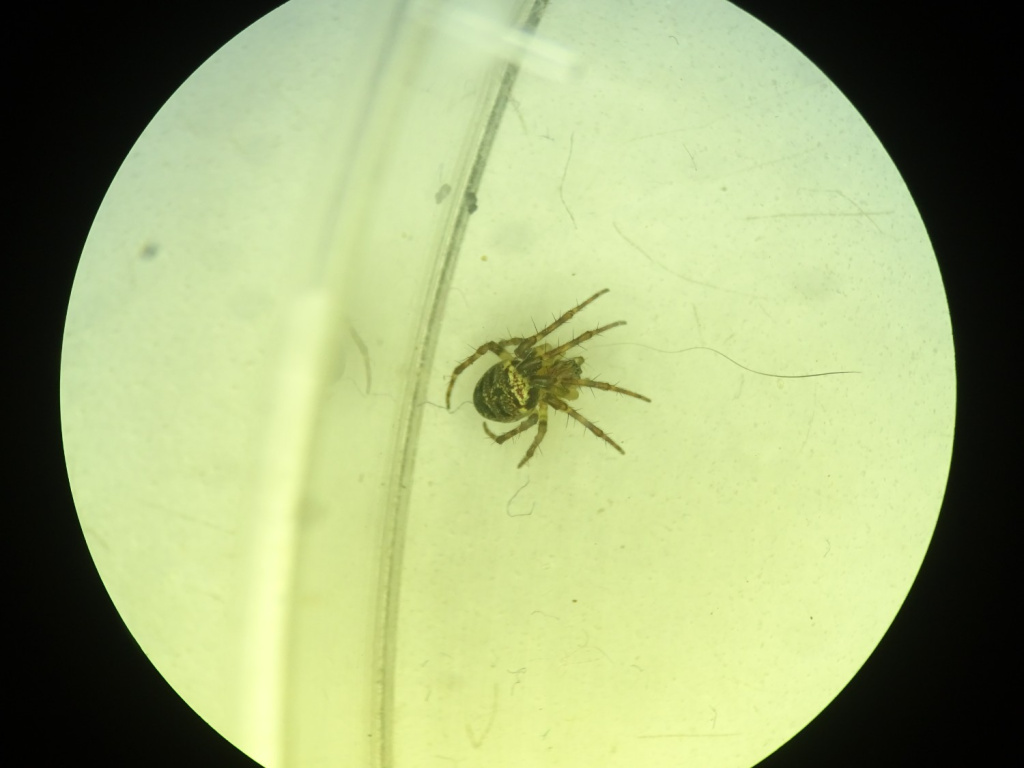
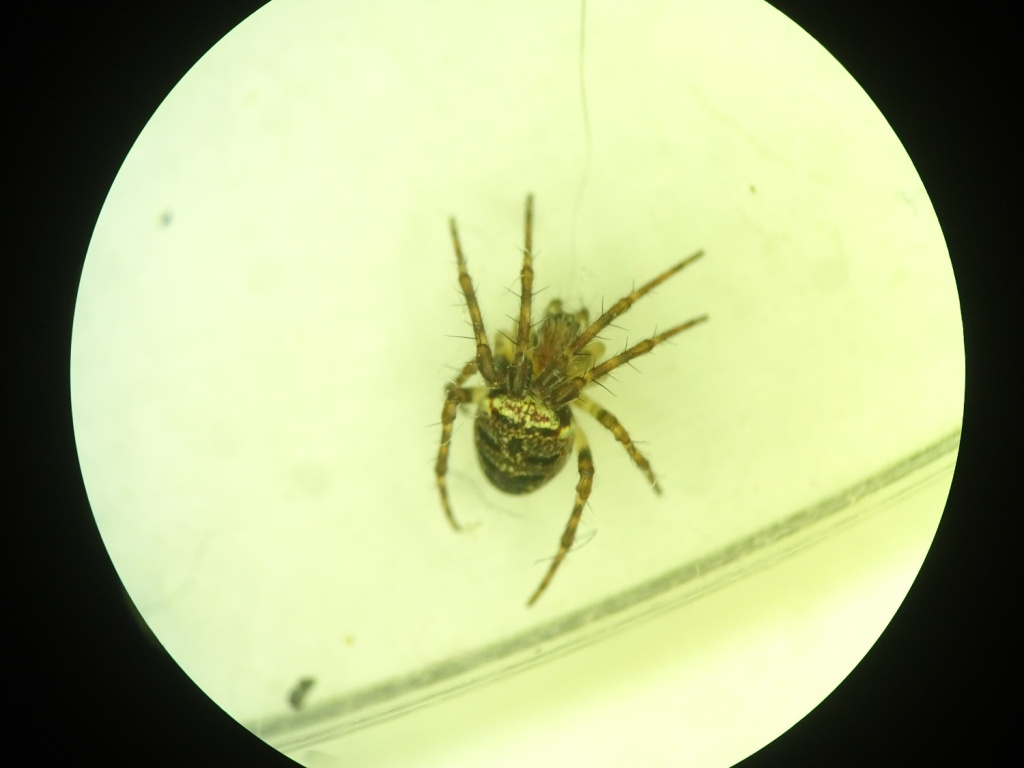
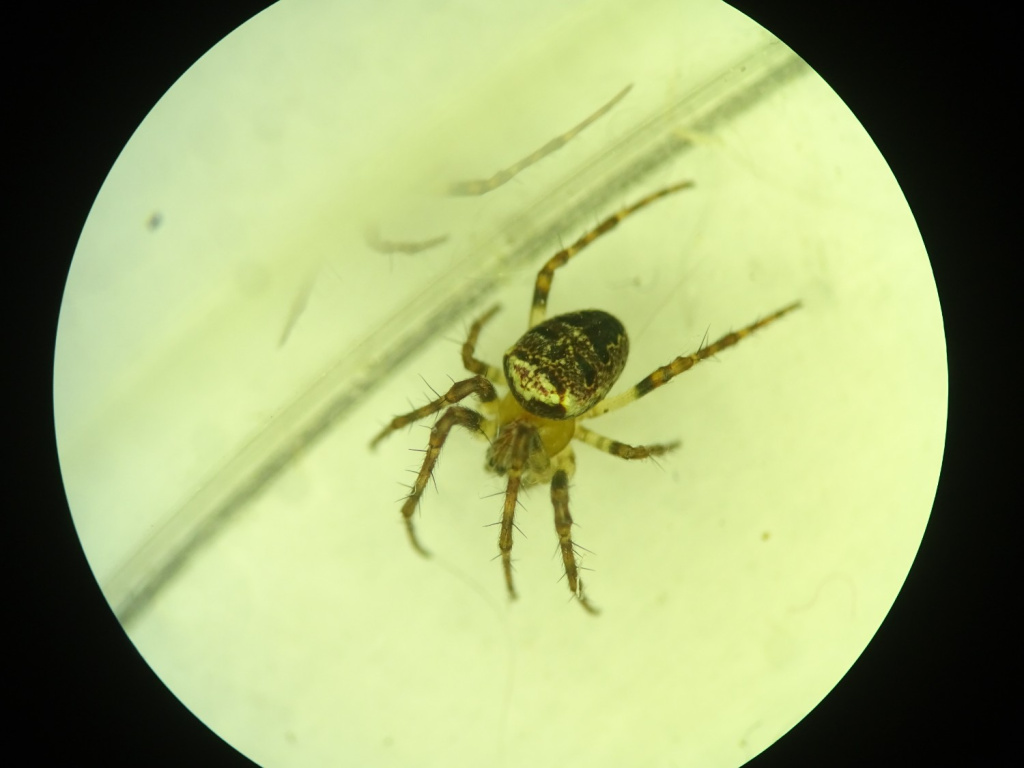
Spatial distribution - hectad map
Click on one of the date ranges in the key to highlight that particular range. Click anywhere else on the map to go back to all three date ranges.
Thresholds:
Move mouse cursor over dot for info
Rejected records are excluded from this map. Unverified records are included.
Temporal distribution - records by year
Records that span more than one year are not included in this chart.
Temporal distribution - records by week
__