
Species Details
- Species name
- Zodarion italicum (Canestrini, 1868)
- Taxonomy
- Animalia :: Araneae :: Zodariidae
- short sward & bare ground
Distribution
The centre of distribution in Britain is the East Thames Corridor in south Essex and north Kent. The species is also recorded from Stanway near Colchester in north-east Essex, Croxley Green in Hertfordshire and from Middlesex. More recently it has been recorded from Newhaven in West Sussex (1998), Dibden Bay in S. Hampshire (1999) and Padworth in Berkshire (2005). In Europe the species is known from France, Belgium, Germany, Switzerland, Austria, Italy, Slovenia and Croatia (Bosmans 1997) and the Netherlands (van Helsdingen 1999).Habitat and ecology
The spider is strongly associated with dry, warm, sunny open habitats containing a proportion of bare ground. The spider has been trapped in large numbers in the drier parts of grazing marsh grasslands, unimproved Thames Terrace grasslands and other open grassland sites. It is also found in old sand and chalk pits and other 'brown field' sites in the region where the substrate provides warm, dry, sunny, sparsely vegetated habitats. The Colchester and Hertfordshire localities are old railway sites with clinker and railway ballast and the London localities are adjacent to railway lines. The Newhaven record is from a shingle beach and the South Hampshire record is from dry gravelly grassland. The spider has been observed using the common black ant Lasius niger as prey but will take the meadow ant Lasius flavus in captivity and other ant species are probably used. On hot days the spider appears to become more active in the early evening, possibly a response to slower ant activity. Adults are mainly found from early to mid-summer but the species has a long season with adult males and females being recorded between March and October.Status
The species is widespread and common in suitable habitat in the East Thames Corridor where the climate is unique in Britain for its low rainfall, high summer temperatures and mild winters. Records from sites near railway lines have caused some to suggest this spider is a recent arrival and that railways may play a part in its distribution. Although it could be a recent import that has since spread, the Thames corridor and other locations where the spider has been recorded are all in areas which had barely been searched for spiders at the time of its discovery in Britain in 1985, after which it was soon found to be widely distributed near the Thames. The distribution map in Bosmans (1997) indicates the British records are within the natural range of the species in Europe. Populations may therefore represent a survival from periods when Britain was joined to mainland Europe by a land bridge and current evidence suggests this is probably a native species, which should be regarded as Nationally Scarce.Threats
The 'Thames Gateway' initiative threatens wildlife habitats in the whole East Thames Corridor. There is enormous development pressure on all open space in the region and 'brown field' sites are especially vulnerable. Amenity management, the 'tidying up' of habitats and the political urge to plant virtually every open area with trees all represent threats to the nationally important biodiversity of thermophilic and xerophilic species found in the region.Management and conservation
Open sunny habitats need to be maintained by grazing or periodic control of scrub and tree invasion. Occasional disturbance to expose areas of bare ground is likely to be beneficial. Text based on Dawson, I.K., Harvey, P.R., Merrett, P. & Russell-Smith, A.R. (in prep.).Stats
- First recorded
- 1979
- Last recorded
- 2024
- Total records
- 747
- Total visits
- 709
Conservation status
Zodarion italicum
| Source | Reporting category | Designation | Date designated | Comments |
|---|---|---|---|---|
| A Review of the scarce and threatened spiders (Araneae) of Great Britain: Species Status No. 22 (Sep 2017) | Rare and scarce species | Nationally Scarce. Includes Red Listed taxa | 42979 | |
| A Review of the scarce and threatened spiders (Araneae) of Great Britain: Species Status No. 22 (Sep 2017) | Red listing based on 2001 IUCN guidelines | Least concern | 42979 | Threats: The Thames Gateway initiative threatens wildlife habitats in the whole East Thames Corridor. There is enormous development pressure on all open space in the region and brownfield sites are especially vulnerable. Amenity management, the tidying up of habitats, and the urge to plant virtually every open area with trees all represent threats to the nationally important biodiversity of thermophilic and xerophilic species found in the region. |
Photos and media
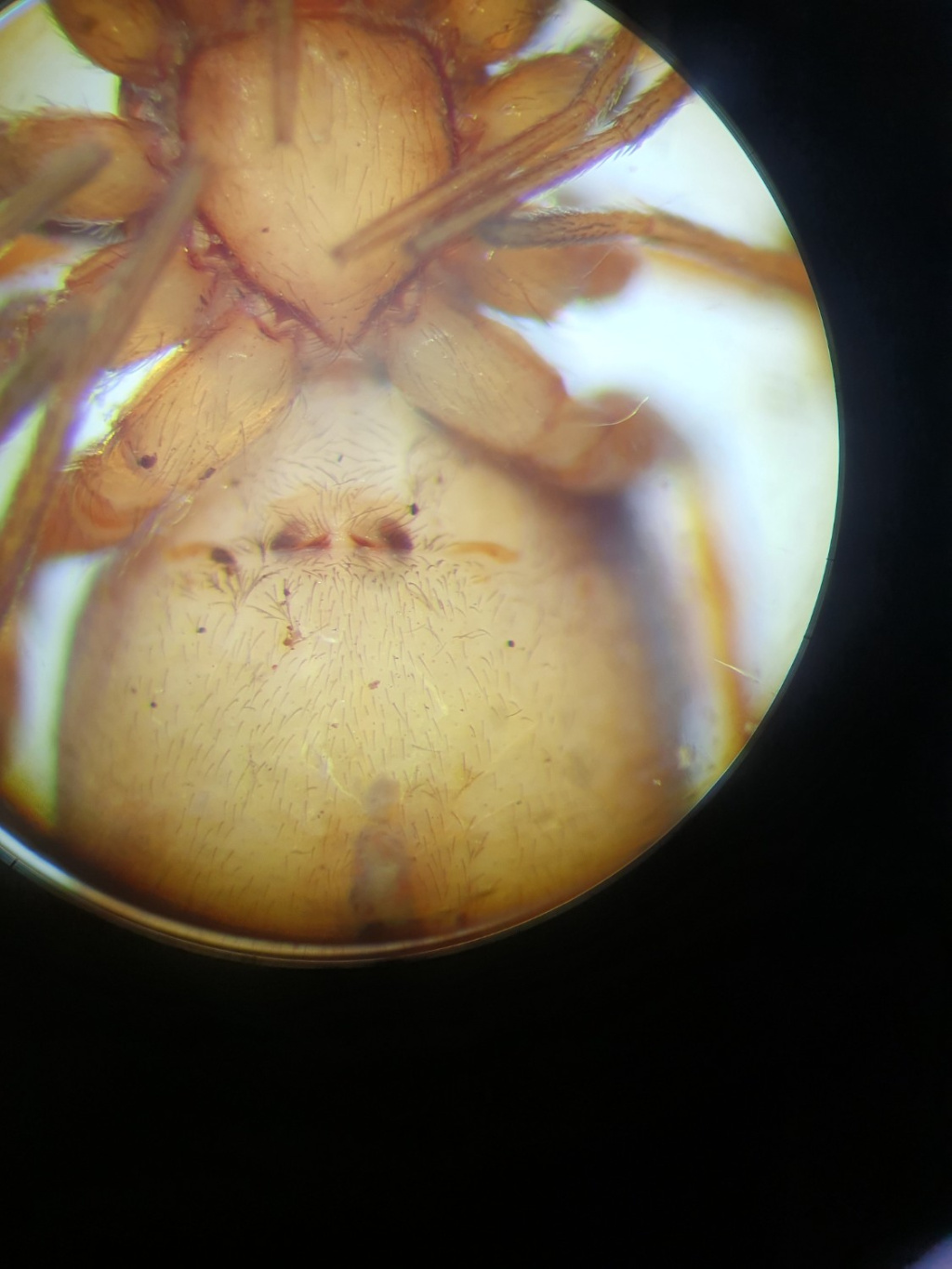
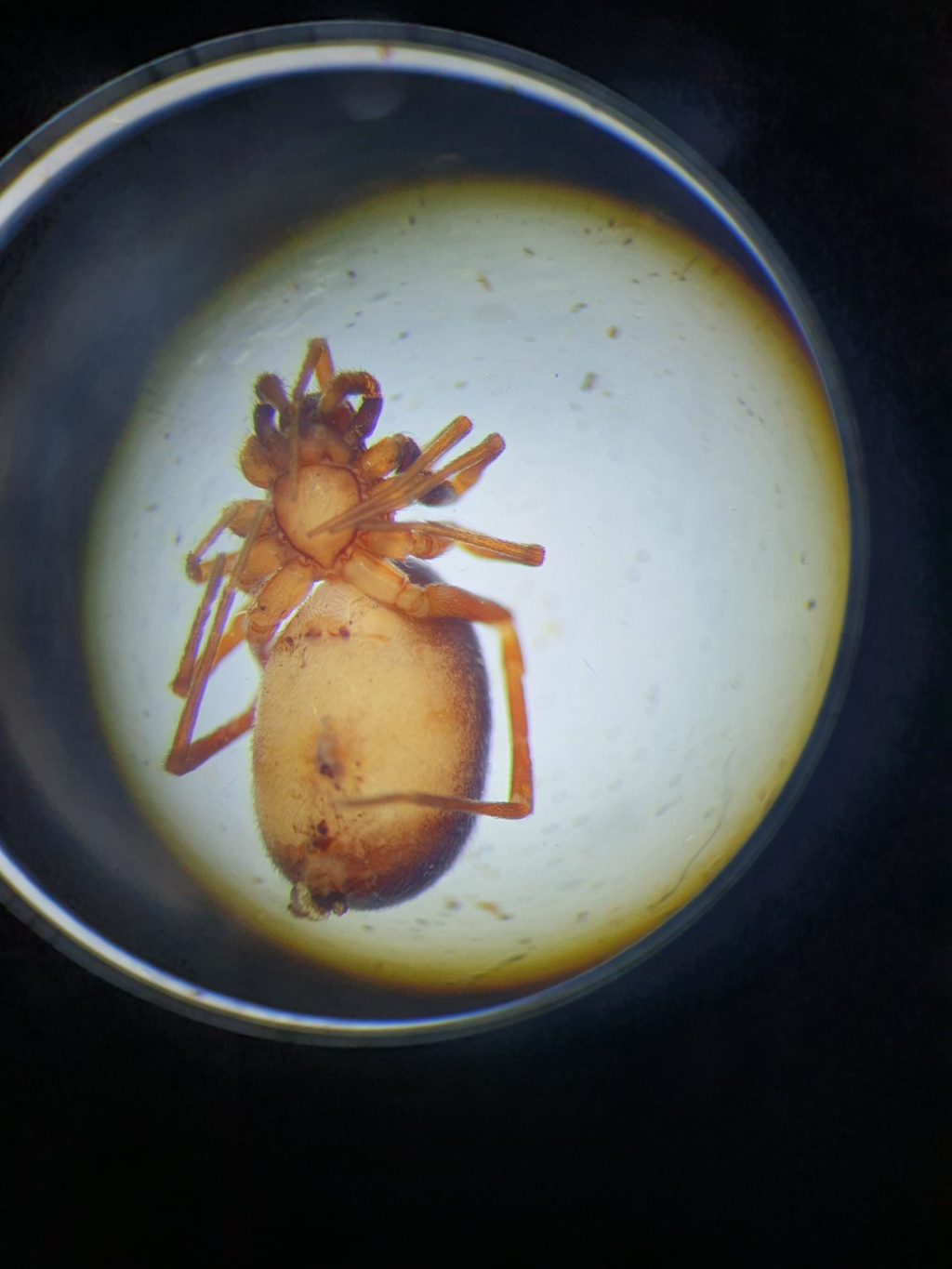
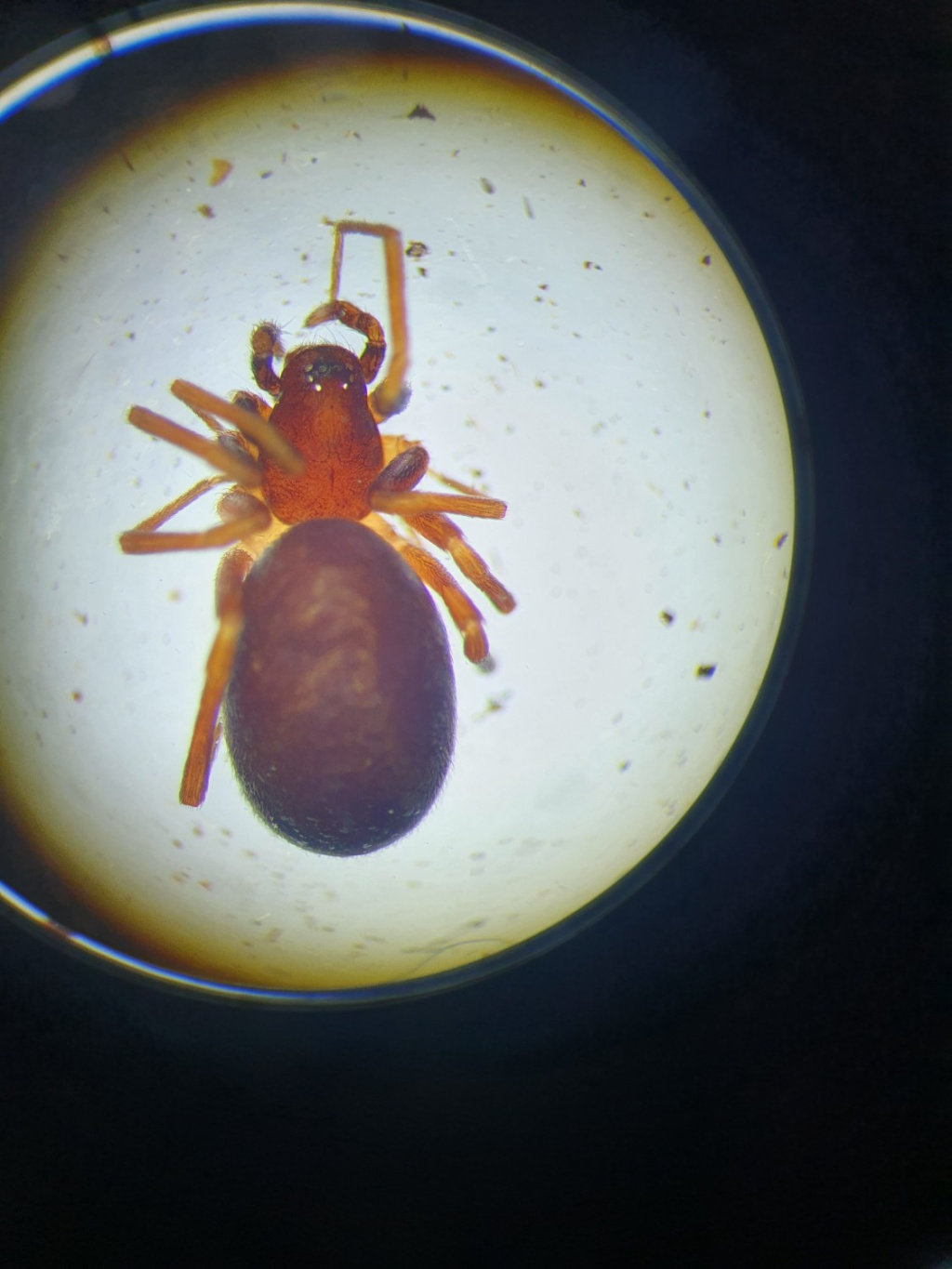
Spatial distribution - hectad map
Click on one of the date ranges in the key to highlight that particular range. Click anywhere else on the map to go back to all three date ranges.
Thresholds:
Move mouse cursor over dot for info
Rejected records are excluded from this map. Unverified records are included.
Temporal distribution - records by year
Records that span more than one year are not included in this chart.
Temporal distribution - records by week
__