
Species Details
- Species name
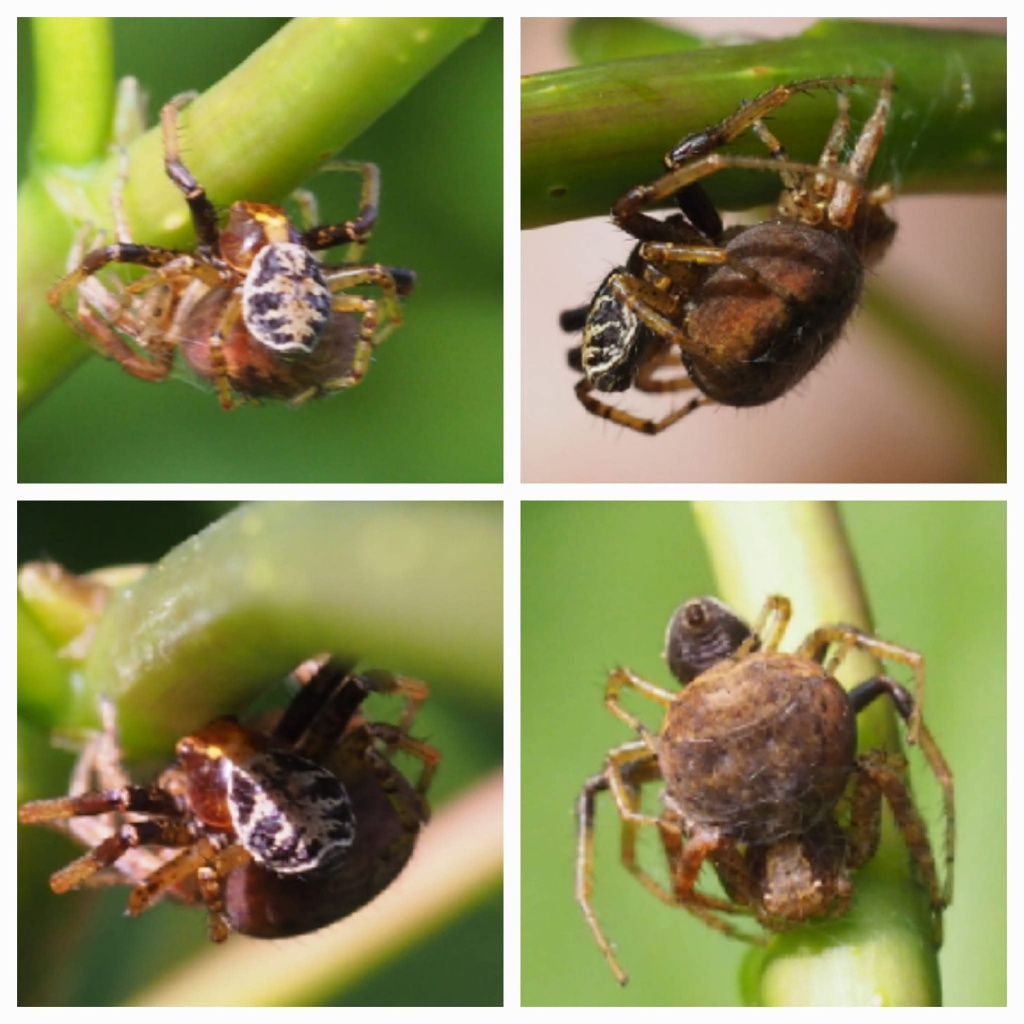
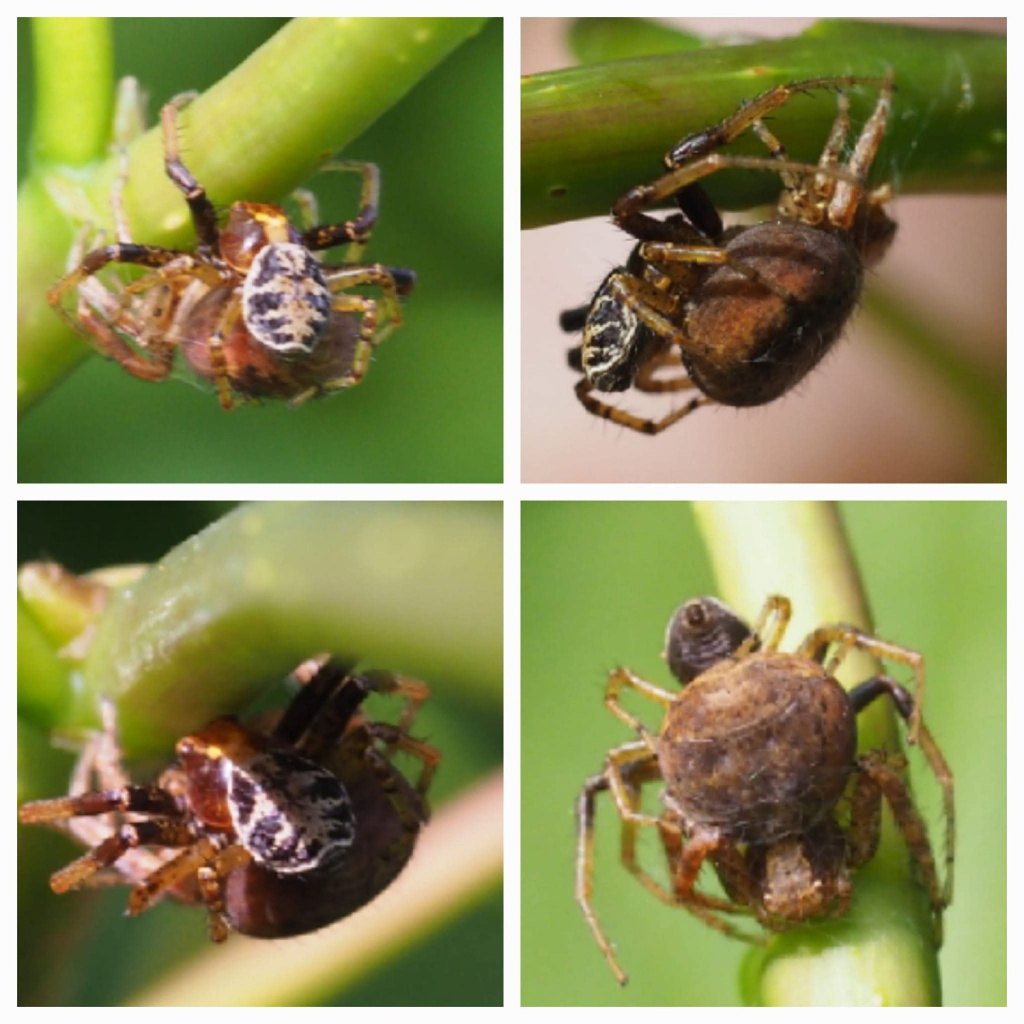
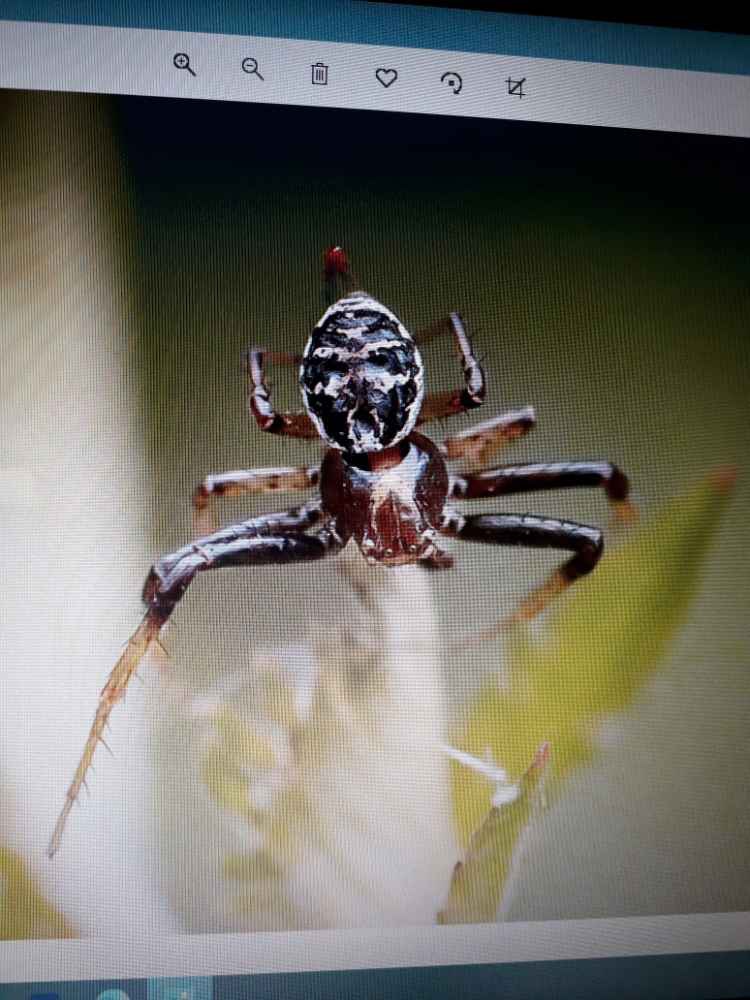
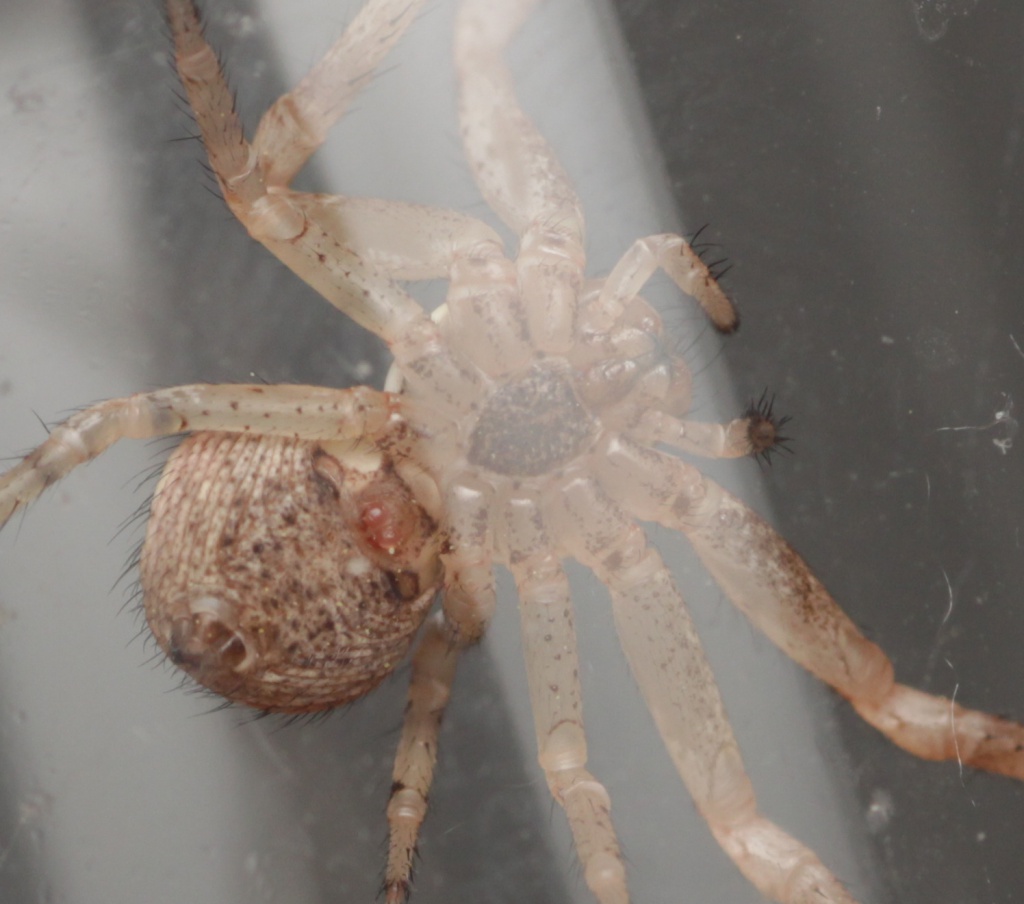
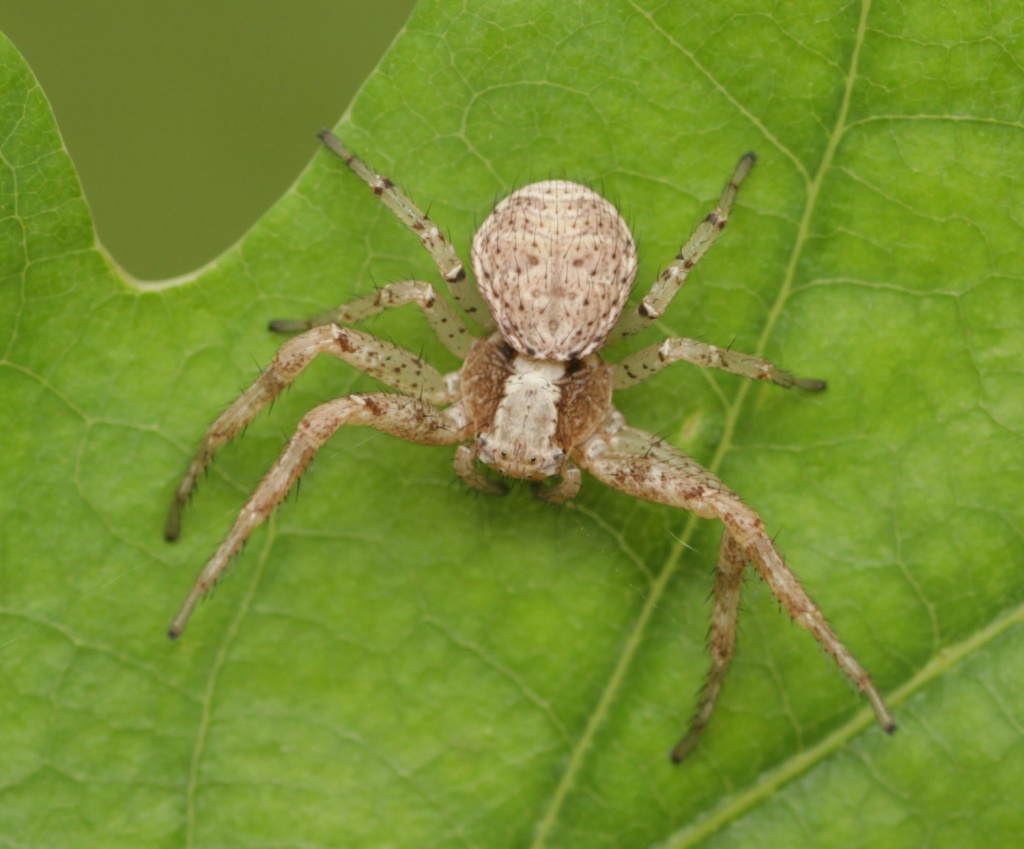
- Xysticus lanio C.L. Koch, 1835
- Synonym
- Xysticus lateralis Chyzer & Kulczynski
- Taxonomy
- Animalia :: Araneae :: Thomisidae
- arboreal
Distribution
The species is widespread in southern and eastern England, with scattered records in the south-west, Wales and the north. It is widespread in western and central Europe.Habitat and ecology
The only member of the genus usually to be regularly found on bushes or young trees in woodland, especially favouring young oaks. Adults of both sexes are found mainly between April and June, occasionally later.Status
Despite some reports in literature that this is a common spider, this species is generally scarce, but may be fairly common in woodlands in parts of the south. In some southern counties such as Essex, it is definitely rare. There is some evidence of decline in the last 30 years.Threats
Loss of broadleaf woodland to agriculture and forestry development may have played a role in the decline of this species in the past but these threats are less prevalent today.Management and conservation
Protect deciduous woodland from conversion to conifer plantations or arable. Text based on Dawson, I.K., Harvey, P.R., Merrett, P. & Russell-Smith, A.R. (in prep.).Stats
- First recorded
- 1872
- Last recorded
- 2026
- Total records
- 737
- Total visits
- 722
Conservation status
Xysticus lanio
| Source | Reporting category | Designation | Date designated | Comments |
|---|---|---|---|---|
| A Review of the scarce and threatened spiders (Araneae) of Great Britain: Species Status No. 22 (Sep 2017) | Red listing based on 2001 IUCN guidelines | Least concern | 42979 | Threats: Loss of broadleaf woodland to agriculture and forestry development may have played a role in the decline of this species in the past but these threats are less prevalent today. |
Photos and media






__